From Pain to Perfect — We Care for Your Smile.

Monthly Payment Plans for Dental Implants: A Financial Advisor’s Guide from Chicago
Language :
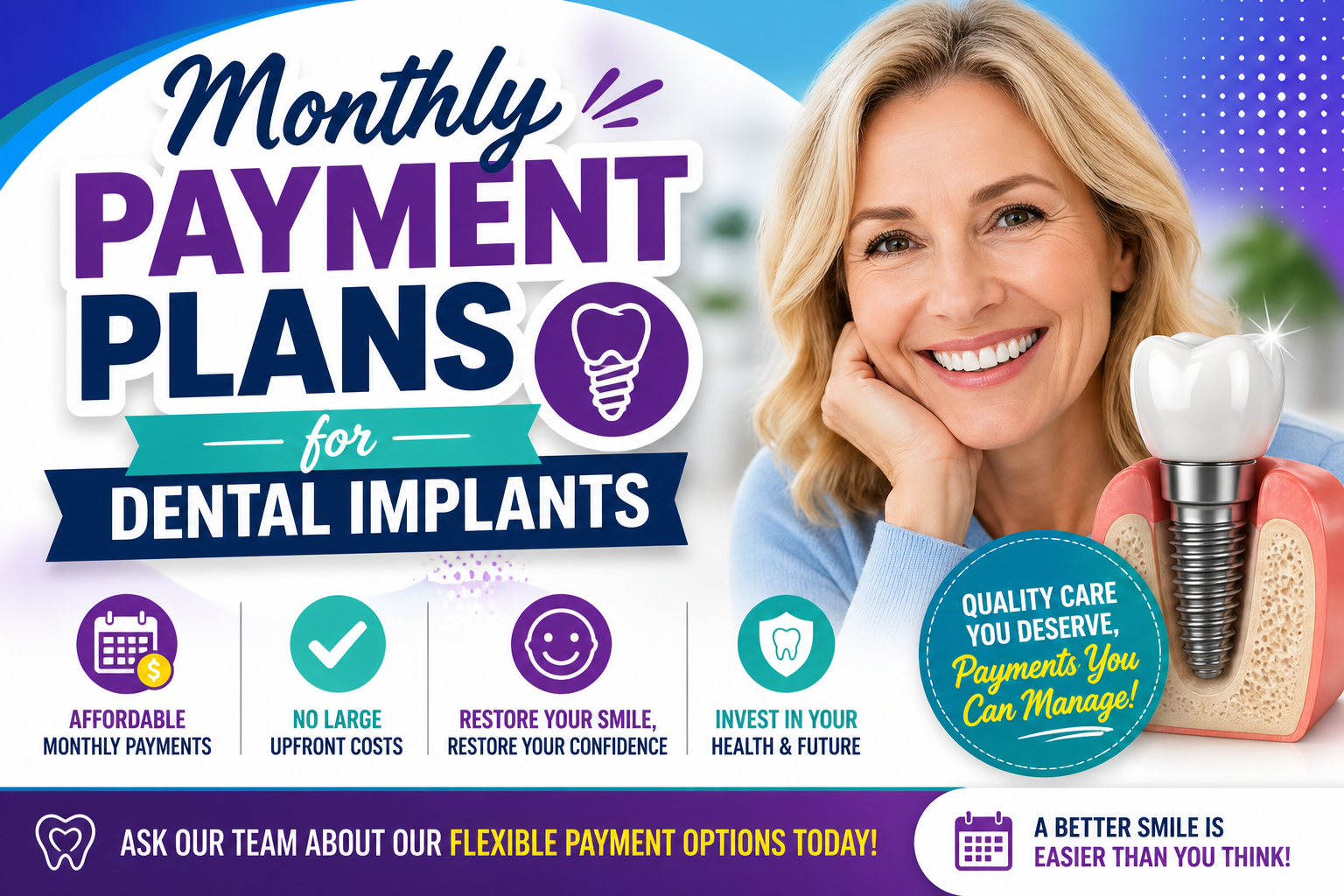
Dental implants are one of the most effective long-term solutions for missing teeth—but they come with a price tag that can feel overwhelming. As a financial advisor working with clients across Chicago, I’ve seen firsthand how smart financing strategies can turn what seems like an impossible expense into a manageable monthly commitment.
This guide will walk you through how monthly payment plans for dental implants work, what options are available in the U.S., and how to choose the best path based on your financial situation.
Understanding the Cost of Dental Implants
Before discussing payment plans, it’s important to understand what you’re financing.
Dental implants are not a single procedure—they are a multi-stage investment that includes:
- Consultation and imaging (X-rays or 3D scans)
- Implant placement surgery
- Abutment placement
- Crown (the visible tooth)
- Possible bone grafting or sinus lift
Average Costs in the U.S.
- Single implant: $3,000 – $6,000
- Full mouth implants: $20,000 – $50,000+
- All-on-4 system: $15,000 – $30,000 per arch
These numbers can vary depending on location, complexity, and the experience of the dental specialist.
Why Monthly Payment Plans Matter
Most Americans don’t have $10,000+ sitting in a savings account for dental procedures. That’s where financing comes in.
Monthly payment plans allow you to:
- Start treatment immediately
- Spread costs over time
- Preserve cash flow
- Avoid delaying necessary dental care
From a financial standpoint, this is similar to financing a car or home improvement—except the return is your health, confidence, and long-term savings.
Types of Monthly Payment Plans for Dental Implants
Let’s break down the most common financing options available in the U.S.
1. In-House Dental Financing
Many dental clinics offer their own payment plans.
How it works:
- You pay a down payment (often 10–30%)
- The remaining balance is split into monthly installments
- Terms range from 6 to 24 months
Pros:
- Easy approval process
- No third-party involvement
- Sometimes interest-free
Cons:
- Short repayment period
- Limited flexibility
Best for: Patients who can handle higher monthly payments over a shorter term.
2. Healthcare Credit Cards
Specialized medical financing options like CareCredit are widely used.
How it works:
- Apply online or at your dental office
- Get approved for a credit limit
- Use it to pay for treatment
- Choose promotional financing (e.g., 6–24 months interest-free)
Pros:
- Fast approval
- Interest-free periods available
- Widely accepted
Cons:
- High interest if not paid within promo period
- Credit check required
Best for: Patients with good credit who can pay off the balance quickly.
3. Personal Loans
Banks and online lenders offer unsecured personal loans for medical expenses.
How it works:
- Borrow a lump sum
- Fixed monthly payments over 2–7 years
- Fixed interest rate
Pros:
- Predictable payments
- Longer terms = lower monthly cost
- No collateral required
Cons:
- Interest charges
- Approval depends on credit score
Best for: Patients who want lower monthly payments over a longer period.
4. Dental Insurance with Financing
Dental insurance rarely covers implants fully, but it can reduce costs significantly.
Major providers like Delta Dental and Cigna may cover:
- Extractions
- Bone grafting
- Partial implant components
You can combine insurance benefits with a payment plan to reduce your monthly burden.
5. Third-Party Financing Companies
Companies specialize in medical loans beyond credit cards.
Examples include:
- LendingClub Patient Solutions
- Proceed Finance
Pros:
- High loan limits
- Flexible repayment terms
- Competitive rates
Cons:
- Requires credit approval
- Interest varies
What Monthly Payments Actually Look Like
Let’s break down a realistic scenario.
Example Case:
- Total cost: $20,000 (full arch implants)
- Down payment: $2,000
- Financed amount: $18,000
Payment Options:
| Term | Interest | Monthly Payment |
|---|---|---|
| 12 months | 0% | $1,500 |
| 36 months | 8% | ~$565 |
| 60 months | 10% | ~$382 |
As a financial advisor, I always emphasize this:
Lower monthly payments often mean higher total cost due to interest.
How to Choose the Right Plan
Choosing the right financing option isn’t just about affordability—it’s about strategy.
Ask Yourself:
- What monthly payment can I comfortably afford?
- Do I have savings for a down payment?
- Is my credit score strong enough for low-interest options?
- Can I pay off the balance early to avoid interest?
Smart Financial Strategies
Here’s how I advise my clients in Chicago:
1. Combine Insurance + Financing
Use insurance to reduce upfront cost, then finance the rest.
2. Use 0% Interest Promotions Wisely
Only choose this if you’re confident you can pay within the promotional period.
3. Avoid Overextending
Just because you’re approved for $30,000 doesn’t mean you should use it all.
4. Build a Health Savings Fund
If you’re planning implants, start saving even before consultation.
Short Success Story: From Hesitation to Confidence
Let me share a real-world-style scenario based on clients I’ve advised.
“Mark’s Comeback Smile”
Mark, a 52-year-old contractor in Chicago, had been struggling with missing teeth for years. He avoided photos, meetings, and even social events.
When he finally consulted a dental specialist, he was quoted $28,000 for full-mouth implants.
His initial reaction?
“I can’t afford this.”
But we broke it down.
- Insurance covered $4,000
- He paid $3,000 upfront
- The remaining $21,000 was financed over 60 months
Monthly payment: ~$420
We structured his budget to accommodate the payment without sacrificing essentials.
Fast forward one year:
- Mark regained confidence
- His business improved because he was more client-facing
- He even reported earning more due to increased self-esteem
His words stuck with me:
“It wasn’t just teeth—it was my life coming back.”
Common Mistakes to Avoid
1. Ignoring Interest Rates
A low monthly payment can hide a high total cost.
2. Skipping the Fine Print
Always check:
- Deferred interest clauses
- Late payment penalties
- Early payoff options
3. Delaying Treatment Too Long
Waiting can lead to:
- Bone loss
- More expensive procedures later
3 Related Topics You Should Explore
1. Dental Insurance Coverage for Implants
Understand what your policy actually pays—and what it doesn’t.
2. All-on-4 vs Traditional Implants
Compare cost, recovery time, and long-term benefits.
3. Dental Tourism vs U.S. Treatment
Explore whether traveling abroad saves money—or adds risk.
Frequently Asked Questions (FAQ)
Are dental implant payment plans worth it?
Yes—if structured properly. They allow you to receive treatment sooner while managing cash flow.
Can I get implants with bad credit?
Yes, but options may be limited. You may need:
- A co-signer
- Higher interest loan
- In-house financing
Is 0% financing really free?
Only if paid within the promotional period. Otherwise, deferred interest may apply.
How much down payment is required?
Typically 10–30%, but some plans offer zero down.
Can I pay off my plan early?
Most plans allow early payoff, but always confirm to avoid penalties.
Does insurance cover monthly payments?
No, but it reduces total cost before financing is applied.
Final Thoughts
Dental implants are not just a cosmetic upgrade—they are a long-term investment in your health, confidence, and quality of life.
From a financial perspective, the key is not avoiding the cost—it’s managing it intelligently.
If you approach dental implant financing the same way you would any major investment—carefully, strategically, and with full awareness—you can achieve life-changing results without financial strain.
And as I often tell my clients here in Chicago:
“The best investment is the one that improves both your health and your future.”
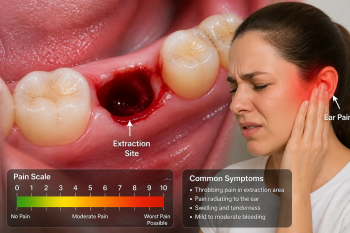
Can tooth extraction cause infection? Mild inflammation is normal, but increasing swelling, fever, or severe pain may indicate infection. Learn more about post-extraction infection warning signs in this detailed guide.
Book a consultation with our Cebu dental specialists for proper evaluation and care.
Ready to get expert guidance?
If you’re experiencing severe pain or delayed healing, book a consultation with our Cebu dental specialists to get proper evaluation and care.
Consultation or contact page .
Book a Consultation
For severe discomfort or delayed healing, book a consultation with our Cebu dental specialists today.
Looking for a dentist? Browse our Cebu dental directory to find trusted clinics near you.
Medical Review and Clinical Basis
This article is based on clinical dental guidelines and real patient recovery patterns observed after tooth extraction procedures. The information reflects common post-extraction healing stages, including normal clot formation, gum tissue repair, and signs of possible complications such as dry socket or infection.
While mild discomfort is expected after a dental extraction, worsening pain after Day 3, bad odor, exposed bone, or spreading pain may require professional evaluation. These symptoms are consistent with known post-extraction complications described in standard dental practice.
About Cebu Dental Implants
Cebu Dental Implants provides comprehensive tooth extraction, surgical procedures, and dental implant services in the Philippines. Our team evaluates post-extraction healing, manages complications such as dry socket, and advises patients on proper aftercare to prevent infection and delayed healing.
If you experience severe pain or unusual symptoms after extraction, early professional assessment is recommended to prevent further complications.
Important Medical Disclaimer
This content is for educational purposes only and does not replace professional dental diagnosis. Every patient heals differently. If symptoms worsen or do not improve within a few days, consult a licensed dentist for proper evaluation and treatment.
Author
This article was prepared by the Cebu Dental Implants content team in consultation with licensed dental professionals experienced in tooth extraction and implant procedures.
Related Clinical Cases
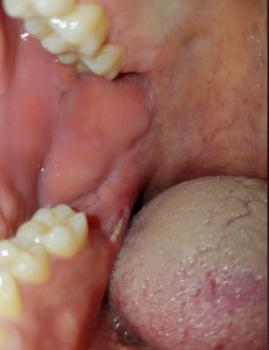
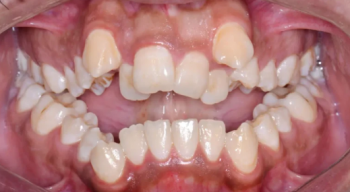
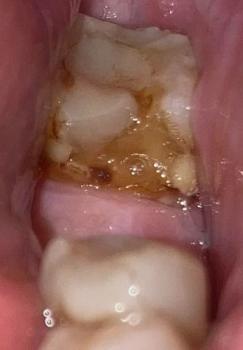
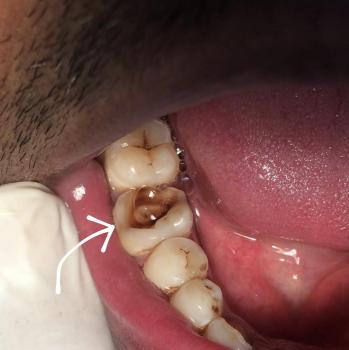
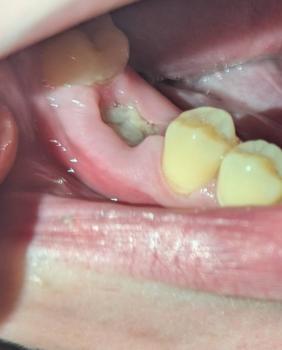
Patients with lower front gum inflammation may also experience tartar buildup, periodontal disease, gum abscesses, or tooth decay. Explore these related clinical case studies.

Other topics:
Other Dental Clinic