Building Confidence One Smile at a Time.

Keratin from Hair to Repair Teeth: The Future of Filipino Dentistry
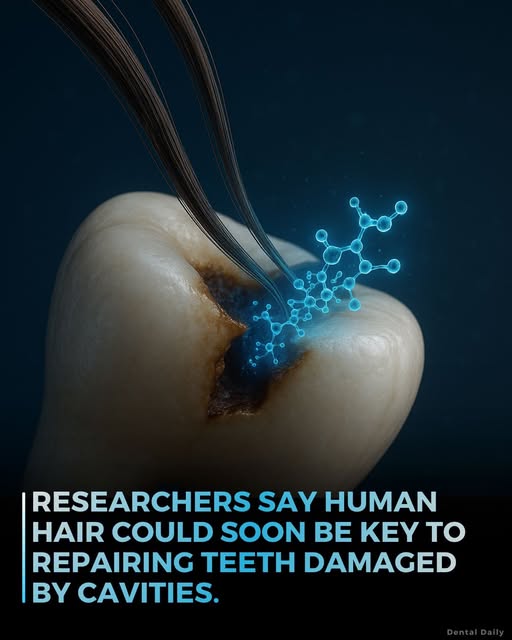
From Hair to Repair: The Keratin Breakthrough Poised to Revolutionize Dentistry in the Philippines
A quiet revolution is brewing in the world of dental science, and its source is as humble as it is unexpected: human hair. Researchers at King's College London have made a groundbreaking discovery: keratin, the foundational protein that makes up our hair, skin, and nails, shows remarkable potential to repair damaged tooth enamel. This isn't just another remineralizing cream; it represents a paradigm shift from simply managing decay to actively regenerating tooth structure. For a country like the Philippines, where dental caries remains the most prevalent chronic disease, this innovation could fundamentally change the landscape of oral health.
The Science of Keratin: Nature's Building Scaffold
To understand why this discovery is so significant, we must look at keratin's unique elemental composition. Keratin is a fibrous, structural protein rich in key amino acids that give it remarkable properties:
-
Cysteine: This is the superstar amino acid in keratin. Cysteine molecules contain sulfur, which allows them to form strong disulfide bonds with each other. This creates a dense, cross-linked, and incredibly resilient protein matrix—the same toughness that gives hair its strength.
-
Serine, Threonine, Glutamic Acid: These amino acids are highly polar and hydrophilic (water-attracting). In the context of enamel repair, this property is crucial. It allows the keratin scaffold to attract and bind the mineral ions necessary for rebuilding.
In the laboratory, scientists engineered this keratin into a biomaterial. When applied to early, weakened enamel lesions (the microscopic start of a cavity), the keratin network does something revolutionary: it forms a crystal-like scaffold. This scaffold acts as a guided template, efficiently attracting calcium and phosphate ions from saliva directly to the site of damage. The result is not just a superficial coating, but the regeneration of a dense, mineralized layer that integrates with the existing tooth structure, restoring both appearance and mechanical strength.
The Philippine Dental Revolution: From Drill-and-Fill to Repair-and-Regenerate
The adoption of keratin-based therapies could trigger a monumental shift in Philippine dental practice, impacting public health, clinical economics, and patient experience.
1. A Preventive Powerhouse for Public Health
The burden of dental caries in the Philippines is immense, often due to dietary habits, access to fluoride, and socioeconomic barriers to care. Keratin-based products (initially as specialized toothpastes or professional gels) could become a frontline preventive and therapeutic tool.
-
Community-Level Impact: Public health programs could integrate keratin-enhanced products to combat early childhood caries, potentially reversing early damage before it becomes cavitation.
-
Fighting "Pangngilo" (Sensitivity): By sealing microscopic tubules and rebuilding enamel, keratin treatments could provide long-lasting relief from tooth sensitivity, a common complaint.
2. Transforming the Clinical Model: The End of the "Mini-Drill"
For the Filipino dentist, this changes the daily workflow for early to moderate lesions:
-
Preemptive Intervention: Instead of monitoring small lesions until they require a filling, dentists could apply a keratin-regenerative treatment to biologically repair the spot.
-
Minimally Invasive Dentistry: The philosophy shifts from "extension for prevention" (removing tooth structure to place a filling) to conservation and regeneration. This preserves maximum natural tooth structure, which is always stronger and more durable than any artificial material.
-
New Service Lines: Dental practices could offer "Enamel Regeneration Therapy" as a premium preventive and restorative service, attracting patients seeking the most advanced, conservative care.
3. Economic and Access Implications
-
Cost-Effectiveness: While advanced treatments may have a higher upfront cost than a simple filling, they could be more cost-effective long-term by preventing the cycle of larger fillings, crowns, and root canals that follow progressive decay.
-
Reducing Dental Anxiety: The prospect of a painless, drill-free treatment for early cavities could dramatically increase dental visit compliance, especially among children and anxious patients.
A Realistic Pathway to Adoption: Advice for Filipino Dental Practices
This future is promising but not immediate. Here is a strategic roadmap for Filipino dentists and clinics:
Phase 1: Knowledge and Advocacy (Now - Next 3 Years)
-
Stay Informed: Follow the research from institutions like King's College London. Understand the science to separate future fact from current hype.
-
Educate Your Patients: Begin conversations about the future of regenerative dentistry. This positions your practice as forward-thinking and builds patient trust in you as a source of cutting-edge information.
-
Advocate for Robust Research: Support calls for inclusive clinical trials that consider diverse populations and dietary habits, ensuring eventual products are effective for Filipino patients.
Phase 2: Integration and Skill Development (Upon Regulatory Approval)
-
Invest in Continuing Education: Once approved by the Philippine FDA, seek certified training on the proper application protocols for keratin-based biomaterials. Technique will be key to success.
-
Update Diagnostic Protocols: This technology will require excellent diagnosis of early enamel lesions using tools like DIAGNOdent lasers or high-resolution intraoral cameras. Investing in these diagnostics now prepares you for the future.
-
Revise Treatment Planning: Integrate enamel regeneration as a primary option in treatment plans for early caries, presenting it alongside traditional watchful waiting or restorative options.
Phase 3: Practice Transformation (Widespread Availability)
-
Marketing a New Standard of Care: Communicate your ability to offer "biomimetic repair" and "enamel regeneration." This is a powerful practice differentiator.
-
Focus on Hyper-Prevention: With a true repair tool, the goal becomes preventing any lesion from progressing. This elevates the importance of your hygiene and preventive care programs.
The Final Analysis: A Future Built on Biology
The keratin breakthrough is more than a new product; it is the herald of biological dentistry. It moves us closer to the ultimate goal: healing teeth the way the body wants to heal, using nature's own blueprints.
For the Philippines, a nation in dire need of scalable, effective caries solutions, this represents a beacon of hope. It promises a future where the most common dental procedure isn't drilling, but healing; where tooth decay is not just filled, but reversed. Filipino dental professionals who embrace this coming wave will not only future-proof their practices but will also lead their communities toward a fundamentally healthier, brighter-smiling future.
healthy food:
Related Clinical Cases
Patients with lower front gum inflammation may also experience tartar buildup, periodontal disease, gum abscesses, or tooth decay. Explore these related clinical case studies.



Other topics:
Other Dental Clinic