Modern Dentistry, Timeless Smiles.

Tooth Extraction Healing & Recovery Guide
Language :
Topics:
Tooth Extraction Healing Stages Day by Day
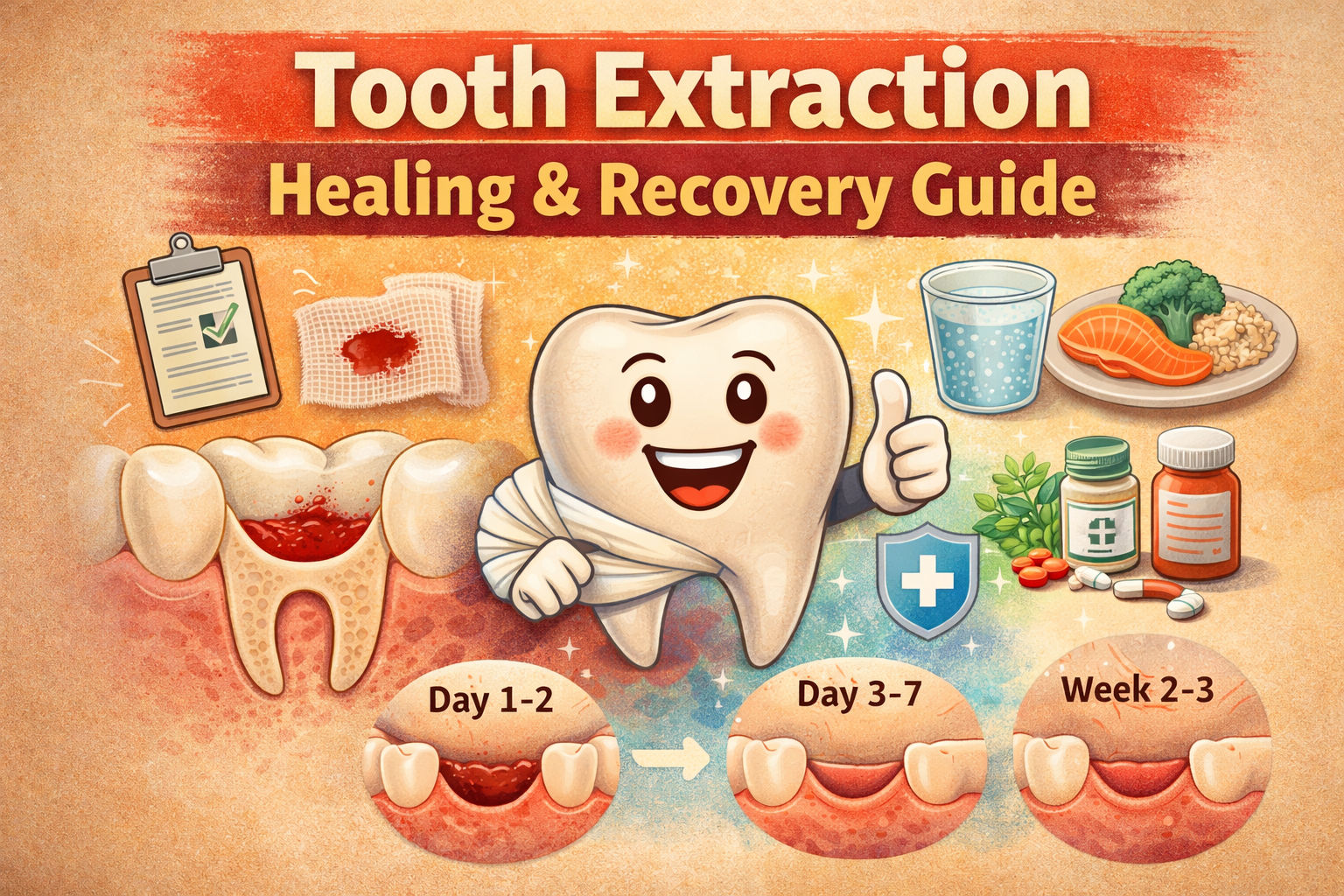
Healing after a tooth extraction is a gradual process, and understanding what happens each day can help reduce anxiety and ensure proper recovery. Immediately after the procedure (Day 1), a blood clot forms in the socket. This clot is essential—it protects the underlying bone and nerves while starting the healing process. Mild bleeding and swelling are normal during this stage.
By Days 2–3, swelling may peak, and discomfort can increase slightly. This is part of your body’s natural inflammatory response. You may also notice slight stiffness in the jaw. At this stage, it’s important to avoid disturbing the clot by not rinsing aggressively or using straws.
From Days 4–7, healing becomes more noticeable. Pain should begin to decrease, and soft tissue starts forming over the socket. You might still feel mild sensitivity, but overall discomfort should be improving. If pain suddenly worsens during this period, it could be a sign of Dry socket.
After 1–2 weeks, the gum tissue continues to close, and most visible healing occurs. You should feel significantly better, with only minor sensitivity remaining. However, deeper bone healing continues for several weeks or even months beneath the surface.
Tooth Extraction Pain Worse at Night
Many patients report that pain feels stronger at night, even if it was manageable during the day. This experience is very common and can be explained by several factors.
First, when you lie down, blood flow to your head increases. This added pressure in the extraction area can make the site feel more swollen and cause a throbbing sensation. Keeping your head slightly elevated with pillows can help reduce this effect.
Second, nighttime brings fewer distractions. During the day, your brain is occupied with activities, conversations, and movement. At night, when everything is quiet, your focus shifts to physical sensations—making pain feel more intense than it actually is.
Another factor is your body’s natural rhythm, known as the circadian rhythm. At night, your body may become more sensitive to pain, and inflammation can feel more noticeable. This is why discomfort often peaks when you are trying to rest.
Additionally, pain medications such as Ibuprofen or Paracetamol may wear off by bedtime. If medication timing is not managed properly, pain can return suddenly during the night.
To manage nighttime pain, take medication as directed before sleeping, keep your head elevated, and avoid eating hard or irritating foods in the evening. Applying a cold compress before bed can also help reduce swelling and discomfort.
Tooth Extraction Aftercare Guide
Proper aftercare is the most important factor in ensuring fast healing and avoiding complications. Small mistakes during recovery can lead to issues like infection or dry socket, so following instructions carefully is essential.
Immediately after extraction, bite gently on gauze for at least 30–60 minutes to help stop bleeding and allow the clot to form. Avoid touching the area with your tongue or fingers, as this can disrupt healing.
For the first 24 hours, avoid rinsing your mouth, spitting forcefully, or using a straw. These actions can dislodge the blood clot and delay healing. Smoking and alcohol should also be avoided, as they significantly increase the risk of complications.
Diet plays a key role in recovery. Stick to soft foods such as soup, yogurt, mashed potatoes, and smoothies (without a straw). Avoid hot, spicy, or crunchy foods that can irritate the extraction site.
Oral hygiene should continue, but with care. You can brush your teeth as usual, but avoid the extraction area during the first few days. After 24 hours, gentle saltwater rinses can help keep the area clean and reduce bacteria.
Rest is equally important. Avoid strenuous activities for at least 24–48 hours, as physical exertion can increase bleeding and swelling. Keeping your head elevated while resting or sleeping can also improve comfort.
Pain management is usually handled with over-the-counter medications like ibuprofen or paracetamol, as recommended by your dentist. Always follow the prescribed dosage and avoid self-medicating beyond recommended limits.
Finally, pay attention to warning signs. If you experience severe pain, persistent bleeding, swelling that worsens after a few days, or signs of infection such as fever or pus, contact your dentist immediately. Early intervention can prevent more serious complications.
Tooth extraction recovery doesn’t have to be difficult if you understand what to expect and how to care for yourself properly. Healing happens in stages, and while some discomfort is normal—especially at night—it should gradually improve over time. By following proper aftercare, staying aware of warning signs, and seeking help when needed, you can ensure a smooth and comfortable recovery.
Can tooth extraction cause infection? Mild inflammation is normal, but increasing swelling, fever, or severe pain may indicate infection. Learn more about post-extraction infection warning signs in this detailed guide.
Book a consultation with our Cebu dental specialists for proper evaluation and care.
Ready to get expert guidance?
If you’re experiencing severe pain or delayed healing, book a consultation with our Cebu dental specialists to get proper evaluation and care.
Consultation or contact page .
Book a Consultation
For severe discomfort or delayed healing, book a consultation with our Cebu dental specialists today.
Looking for a dentist? Browse our Cebu dental directory to find trusted clinics near you.
Medical Review and Clinical Basis
This article is based on clinical dental guidelines and real patient recovery patterns observed after tooth extraction procedures. The information reflects common post-extraction healing stages, including normal clot formation, gum tissue repair, and signs of possible complications such as dry socket or infection.
While mild discomfort is expected after a dental extraction, worsening pain after Day 3, bad odor, exposed bone, or spreading pain may require professional evaluation. These symptoms are consistent with known post-extraction complications described in standard dental practice.
About Cebu Dental Implants
Cebu Dental Implants provides comprehensive tooth extraction, surgical procedures, and dental implant services in the Philippines. Our team evaluates post-extraction healing, manages complications such as dry socket, and advises patients on proper aftercare to prevent infection and delayed healing.
If you experience severe pain or unusual symptoms after extraction, early professional assessment is recommended to prevent further complications.
Important Medical Disclaimer
This content is for educational purposes only and does not replace professional dental diagnosis. Every patient heals differently. If symptoms worsen or do not improve within a few days, consult a licensed dentist for proper evaluation and treatment.
Author
This article was prepared by the Cebu Dental Implants content team in consultation with licensed dental professionals experienced in tooth extraction and implant procedures.
Related Clinical Cases
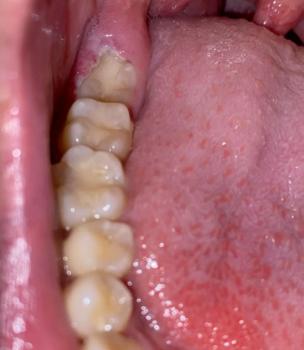
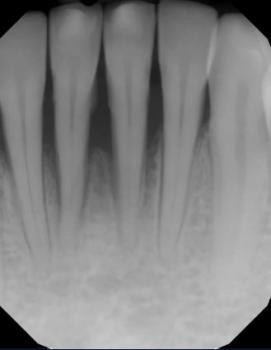
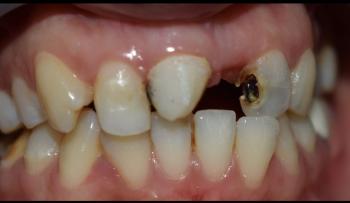
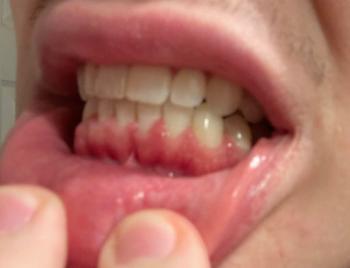
Patients with lower front gum inflammation may also experience tartar buildup, periodontal disease, gum abscesses, or tooth decay. Explore these related clinical case studies.