Modern Dentistry, Timeless Smiles.

Dry Socket or Normal Healing? What to Expect After Tooth Extraction - Signs, Stages & When to See a Dentist
Image:
Severity:
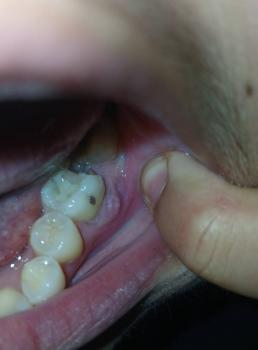
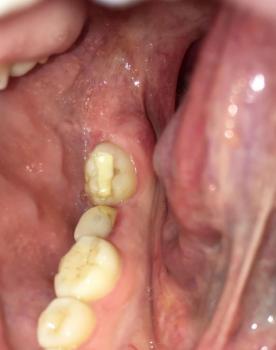
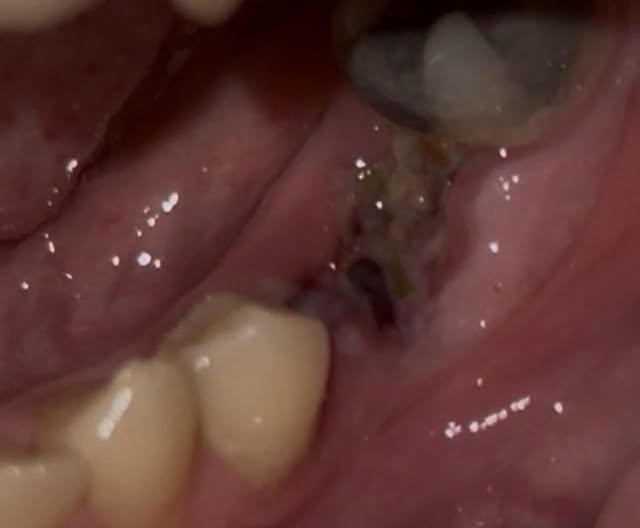
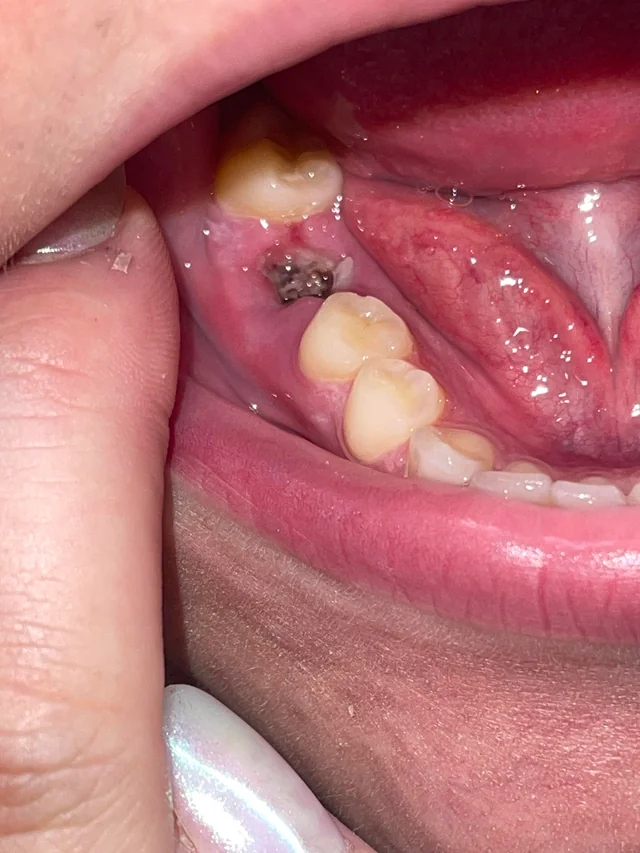
Thanks — I looked closely at the photo. I can’t give a definitive medical diagnosis from a single photo, but I’ll walk you through what I can see, the differences between normal healing / dry socket / infection, what to watch for, typical timelines, what the dentist will do, how things can get worse if left, and immediate self-care + next steps.
Quick visual impression (from the photo)
-
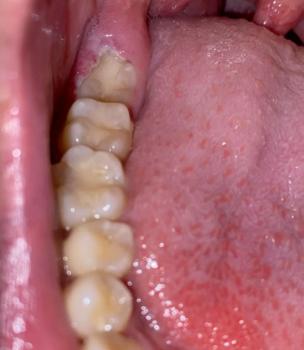
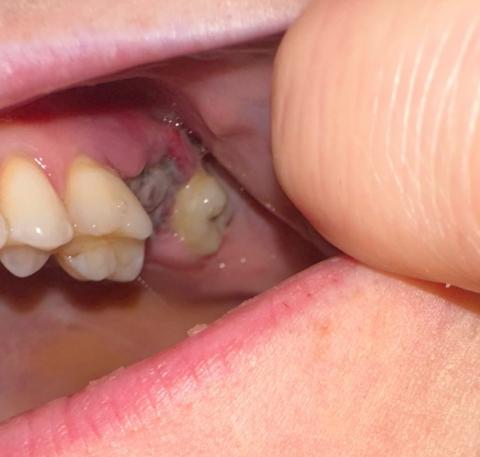
The socket shows a dark area in the extraction site — that can be a blood clot or residual blood/debris.
-
I don’t clearly see obvious pus or gross swelling in this photograph, but the image is limited (lighting, angle, saliva and soft-tissue can hide signs).
-
Because the extraction was just yesterday, it is very early to tell: normal early healing often looks like a dark/blackish clot in the first 24–48 hours.
Complete Guide : Alveolar Osteitis: The Complete Guide to Dry Socket Pain, Causes and Healing
Other Topics:
Implant vs Bridge which once is best for fast recovery
bone-graft-vs-no-bone-graft-which-is-safer-dental-implant
dry-socket-symptoms-severe-pain-bad-smell-exposed-bone
Dry Socket After Tooth Extraction: Expert Answers About Pain, Healing, and Treatment
Why Can Tooth Extraction Pain Get Worse Instead of Better?
From a clinical perspective, one of the most important warning signs after tooth extraction is pain that begins to improve but then becomes significantly worse. This pattern may indicate dry socket, medically known as alveolar osteitis.
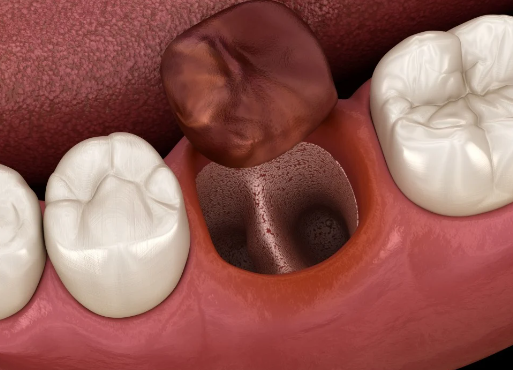
Under normal circumstances, a blood clot forms inside the extraction socket shortly after the tooth is removed. This clot protects the underlying bone and nerve endings while the body begins repairing the surrounding tissues.
Dry socket develops when the clot fails to form properly or breaks down prematurely. The exposed socket becomes painful because the underlying bone and surrounding tissues lose their normal protection.
Symptoms often develop within the first few days after extraction, commonly around days 2–5. Dry socket is particularly associated with the removal of lower wisdom teeth and other molars.
Importantly, not every painful extraction site is a dry socket. A dentist must distinguish this condition from normal postoperative inflammation, infection, retained tooth fragments, and other complications.
What Does a Dentist Look for When Diagnosing Dry Socket?
A dental examination focuses on the patient's pain pattern, the appearance of the extraction socket, and signs of other complications.
Common findings include:
-
Increasing or severe pain: Pain that intensifies after the first day or two rather than gradually improving.
-
Pain radiating toward the ear or temple: This is particularly common after extraction of lower molars.
-
An apparently empty socket: The normal blood clot may be absent or have broken down, sometimes leaving exposed bone visible.
-
Unpleasant taste or bad breath: These may occur when debris accumulates around the affected socket.
-
Marked socket tenderness: The area may be very sensitive during examination.
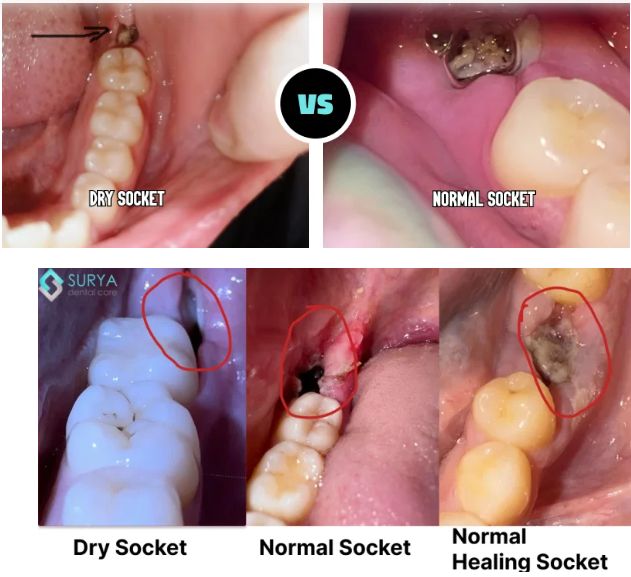
A visible socket or a whitish area alone does not confirm dry socket. White or yellowish material may represent normal healing tissue, and patients should not attempt to scrape it away.
Diagnosis is usually clinical. Dental X-rays may be considered if the dentist suspects a retained root fragment, a bony complication, or another problem that cannot be adequately assessed through examination alone.
Dry Socket vs. Normal Healing: How Can You Tell the Difference?
| Finding | Normal healing | Possible dry socket |
|---|---|---|
| Pain pattern | Usually gradually improves over several days | Often becomes significantly worse after initial improvement |
| Blood clot | Forms initially and is gradually replaced during healing | May be lost or break down prematurely |
| Socket appearance | May contain a dark clot or develop pale healing tissue | May appear empty, with exposed bone |
| Bad taste or breath | Can occur temporarily | May be noticeable alongside worsening pain |
| Pain spreading toward the ear | Less characteristic | Can occur, especially after lower molar extraction |
| Best next step | Follow postoperative instructions | Arrange prompt dental assessment |
These findings are clues, not a self-diagnosis checklist. A dentist should evaluate significant or worsening pain.
How Is Dry Socket Treated by a Dentist?
The main goal of dry socket treatment is to reduce pain and protect the healing site while the body recovers.
1. Examination and gentle socket cleaning
The dentist examines the extraction site and may gently irrigate it with an appropriate solution to remove trapped food particles and debris. Patients should never try to clean the socket with sharp objects, cotton swabs, or household remedies.
2. Pain relief
The dentist may recommend an appropriate pain reliever based on the patient's medical history, current medications, allergies, and other risk factors. Follow the product label or the clinician's instructions.
3. A medicated socket dressing when appropriate
In selected cases, a dentist may place a temporary dressing to relieve pain. Some dressings need to be replaced or removed during follow-up. Patients should not place aspirin, crushed tablets, essential oils, or homemade medication directly into the socket.
4. Follow-up assessment
The dentist may arrange another visit if pain persists or returns after treatment. The need for repeat cleaning or dressing depends on the clinical findings.
Dry socket often improves over several days with appropriate care, although recovery varies. Treatment mainly controls symptoms; it does not instantly regenerate the missing blood clot.
Do Antibiotics Treat Dry Socket?
Antibiotics are not routinely needed for uncomplicated dry socket.
Dry socket is primarily a painful inflammatory condition associated with loss or breakdown of the socket's protective clot. It is not automatically a bacterial infection requiring antibiotics.
Antibiotics may be indicated if the dentist identifies a separate infection, spreading infection, systemic symptoms, or another specific clinical reason.
Taking leftover antibiotics or requesting antibiotics without an examination may delay the correct treatment and expose patients to unnecessary side effects.
What Should You Do at Home if You Suspect Dry Socket?
Until a dentist can assess the extraction site:
-
Contact your dentist promptly, especially if pain is worsening or radiating toward the ear.
-
After the first 24 hours, gently rinse with warm salt water if consistent with your dentist's instructions. Avoid vigorous swishing.
-
Brush your other teeth carefully without disturbing the socket.
-
Avoid smoking, vaping, and tobacco products while the site heals.
-
Avoid drinking through a straw and other actions that may disturb the clot, particularly during the early healing period.
-
Choose soft foods and maintain adequate fluid intake.
-
Take pain medication only as directed and check with a healthcare professional if you have relevant medical conditions or take other medicines.
Do not probe the socket to check whether bone is exposed. Doing so can injure healing tissue and introduce debris.
When Is Tooth Extraction Pain an Emergency?
Dry socket can cause severe pain, but certain symptoms suggest a potentially more serious complication.
Seek urgent dental or medical assessment if you experience fever, pus, increasing facial swelling, or worsening pain accompanied by signs of infection.
Seek emergency medical care immediately for difficulty breathing or swallowing, rapidly spreading swelling of the face or neck, or significant swelling beneath the tongue.
These symptoms should not be assumed to be dry socket because spreading dental infections can become dangerous.
Frequently Asked Questions About Dry Socket
1. How many days after tooth extraction does dry socket usually appear?
Dry socket commonly becomes noticeable within 2–5 days after extraction, although timing varies. Pain that becomes significantly worse after initial improvement warrants a dental examination.
2. Can dry socket heal on its own without treatment?
Yes. Dry socket is often self-limiting, meaning the body eventually heals the site. However, the pain can be substantial, and professional treatment can provide relief. Do not endure severe pain unnecessarily while waiting for it to resolve.
3. Can I see my jawbone if I have dry socket?
Sometimes. An absent clot may leave bone visible in the socket. However, the appearance of the socket alone cannot establish the diagnosis. Pale or whitish healing tissue is not necessarily exposed bone.
4. Does a bad smell always mean dry socket?
No. Bad breath can result from trapped food, poor oral hygiene, normal postoperative changes, or infection. An unpleasant smell or taste combined with worsening pain may raise suspicion for dry socket and should be assessed.
5. Can dry socket occur without severe pain?
Yes, symptoms vary. Severe, worsening pain is characteristic, but the absence of dramatic pain does not independently confirm or exclude the condition. Persistent or unusual symptoms should be assessed by a dentist.
6. Does dry socket mean my extraction was performed incorrectly?
Not necessarily. Dry socket can occur even when the extraction and aftercare are appropriate. Its development does not, by itself, prove that the dentist made an error.
7. Can smoking cause dry socket?
Smoking is an established risk factor. Tobacco use can interfere with the healing environment and may contribute to clot disruption. Avoid smoking and vaping throughout the recovery period, ideally following your dentist's specific instructions.
8. Can I drink coffee after tooth extraction?
Follow your dentist's instructions, particularly during the first 24 hours. Avoid very hot beverages while the area is vulnerable to bleeding and irritation. Once drinking is comfortable and bleeding has stopped, beverages can generally be reintroduced cautiously. Avoid straws during early healing.
9. Is dry socket more common after wisdom tooth extraction?
Dry socket is particularly associated with lower wisdom tooth removal and other lower molar extractions. Surgical difficulty, smoking, and individual factors can influence risk.
10. How long does dry socket take to heal?
Pain may begin to improve within a few days after appropriate treatment, but the socket takes longer to heal completely. Recovery depends on the severity of the condition and the complexity of the extraction. Persistent or worsening symptoms require reassessment.
11. Can I use salt water to cure dry socket?
Gentle warm salt-water rinses after the first 24 hours can help maintain oral cleanliness, but they do not replace professional treatment when dry socket is suspected. Follow the instructions provided by your treating dentist.
12. Should I take antibiotics for dry socket?
Not routinely. Antibiotics are appropriate when a separate bacterial infection or another clinical indication is identified. A dentist should determine whether they are necessary.
13. Can I exercise after tooth extraction if I suspect dry socket?
Avoid strenuous exercise during the early recovery period, particularly if you have bleeding, significant pain, or swelling. If dry socket is suspected, arrange a dental assessment before returning to intense physical activity.
14. What is the most important sign that I should call my dentist?
The key warning sign is pain that becomes substantially worse after initially improving, especially during days 2–5. Contact your dentist promptly rather than trying to diagnose or treat the socket yourself.
Clinical Takeaway
The most useful distinction between normal healing and dry socket is the trajectory of pain. Mild to moderate discomfort that gradually improves is generally reassuring. Pain that intensifies after the first few days, radiates toward the ear, or occurs alongside an apparently empty socket warrants prompt dental assessment.
Dry socket is treatable, and appropriate local care can significantly reduce discomfort. Accurate diagnosis matters because infection and other postoperative complications may require different treatment.
Medical information disclaimer: This article provides general dental education and does not replace an individual examination, diagnosis, or treatment plan from a licensed dental professional.
Key differences (what to expect and what signals dry socket or infection)
-
Normal early healing (first 1–3 days)
-
Pain should gradually decrease after the first 24–48 hours (mild–moderate discomfort controlled by OTC pain meds).
-
-
Dry socket (alveolar osteitis)
-
Usually starts 2–4 days after extraction.
-
Classic signs: severe, throbbing pain that radiates to the eye/ear, an empty-looking socket or exposed bone, bad taste/bad breath, pain increases rather than decreases.
-
Often the clot is lost or fails to form properly.
-
Stories and case dry socket:
- The Ache That Grew: A West Virginia Story of Dry Socket and Dental Regret
- Florida Dental Health Warning: Skipping Checkups Leads to Tooth Loss
- US Kentucky Dental Clinic Locator: Immediate Treatment for Dry Socket (Alveolar Osteitis)
-
Infection (post-extraction infection)
-
-
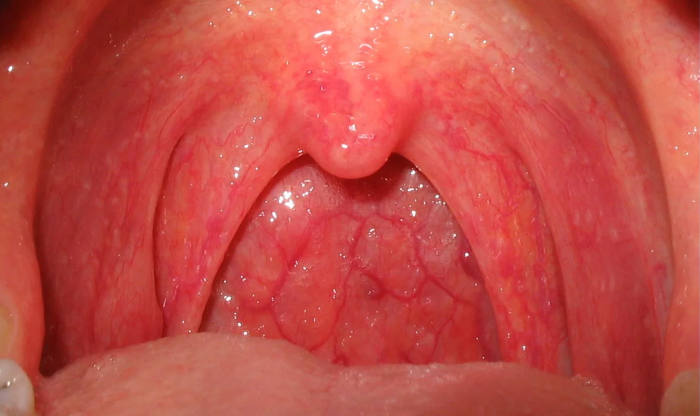
Signs: increasing swelling, redness, pus or yellow/green discharge, fever, swollen lymph nodes, worsening pain after an initial improvement.
-
Infection can start any time but is more likely to show up a few days after extraction.
-
White Patch in Tooth Socket: Dry Socket or Normal Healing?
Many patients notice a white patch in the extraction site and immediately worry about infection.
In most cases, a white patch is granulation tissue — part of normal healing. It forms after the blood clot and protects the exposed bone.
However, if the white area is accompanied by severe throbbing pain or an empty-looking socket, it may indicate dry socket.
Pain level is the most important clue.
Why Your Tooth Socket Looks White Instead of Red
On Day 1, the socket appears dark red due to the blood clot.
By Day 2–4, the surface may turn white or cream-colored. This is a normal extraction wound look during the early healing stage.
The white appearance does not automatically mean pus.
Healing color progression:
• Dark red – blood clot
• White/cream – granulation tissue
• Pink – new gum forming
White Stuff in Wisdom Tooth Hole: Is It Different?
Wisdom tooth extractions leave larger, deeper sockets.
Because of this, white tissue may look more noticeable on Day 2–3. Mild swelling and jaw stiffness are common.
If pain improves daily, healing is normal.
If pain becomes sharp and spreads toward the ear, it may be dry socket.
Dry Socket Timeline: When Symptoms Usually Begin
Dry socket most commonly develops between Day 2 and Day 5 after extraction.
Warning signs include:
• Severe worsening pain
• Empty-looking socket
• Visible bone
• Strong bad breath
Normal healing discomfort improves daily. Dry socket pain intensifies.
Can Food Debris Look Like a White Patch?
Yes. Trapped food can resemble white tissue inside the socket.
Food debris may:
• Move when gently rinsed
• Appear chunky
• Cause mild bad taste
After 24 hours, rinse gently with warm salt water. Do not poke the socket.
Why Workers Who Return to Work Early Have Higher Dry Socket Risk
Returning to work too soon increases clot disturbance.
Workers who:
• Lift heavy objects
• Talk continuously
• Skip hydration
• Smoke during breaks
have a higher chance of dry socket between Day 2–5.
Protecting the clot protects your recovery.
When to See a Dentist Immediately
Seek dental care if you experience:
• Severe increasing pain
• Fever
• Thick yellow discharge
• Swelling after Day 3
• Pain radiating to ear or temple
Early treatment prevents longer healing time.
Given your history (previous dry sockets)
-
A history of previous dry sockets increases your risk. That means you should watch symptoms closely for the next 48–72 hours.
Immediate self-care (what to do now)
-
Do not aggressively rinse, spit, or use a straw for the first 24 hours. After 24 hours, gently rinse with warm salt water (½ teaspoon salt in 240 mL/8 oz warm water) 3–4× daily — gently, don’t force water into the socket.
-
Avoid smoking, vaping, or heavy physical exertion — these dislodge clots.
-
Cold compress for the first 24 hours (10–15 minutes on, 10–15 off) to reduce swelling/pain if present.
-
Pain control: ibuprofen (if you can take it) 400–600 mg every 6–8 hours as needed (follow label / healthcare advice); alternating with acetaminophen is common if needed.
-
Keep oral hygiene: brush other teeth gently; avoid direct brushing of the socket for a few days.
-
Soft diet; avoid hard/chewy foods that irritate the site.
When to see a dentist or go urgently
-
Go to emergency / dental urgent care immediately if you have: spreading facial swelling, fever (≥38°C/100.4°F), difficulty breathing or swallowing, uncontrolled bleeding, or rapidly worsening pain.
What your dentist will likely do
-
Clinical exam and possibly a gentle irrigation to remove debris.
-
If dry socket is suspected: they will usually clean the socket and place a medicated dressing (analgesic packing such as eugenol-soaked dressing) to reduce pain and protect the socket — re-dressings every few days until healing progresses.
-
If there are signs of infection: they may prescribe antibiotics (amoxicillin or similar) and/or drain/clean the socket.
-
Advice for follow-up and pain control.
Typical healing timelines
-
Clot forms/initial hemostasis: immediate–24 hours.
-
Pain peak: often first 24–72 hours; dry socket pain often worse around days 2–4.
-
Granulation tissue forms: ~3–7 days. Pain should significantly decrease by day 3–4 with normal healing or with treatment for dry socket.
-
Complete bone remodeling: months.
If everything goes normally, expect substantial improvement in 3–7 days and soft-tissue closure by 10–14 days. If it’s a dry socket and left untreated, pain may persist for a week or more; with treatment pain typically improves within a few days and socket heals within about 7–10 days.
What can scale up (potential complications if untreated)
-
Persistent severe pain (reduced quality of life, inability to eat/sleep).
-
Spread of infection → cellulitis or abscess (facial swelling, fever, systemic illness) — more serious and requires antibiotics and possibly hospitalization if severe.
-
Delayed healing of the socket; in rare cases osteomyelitis (bone infection) if infection spreads — much less common but serious.
-
Continued loss of nutrition / dehydration if pain prevents eating.
Practical next steps for you right now
-
Continue gentle salt-water rinses starting 24 hours after extraction.
-
Use recommended analgesics and avoid smoking or anything that disturbs the socket.
-
Call your extracting dentist or visit a clinic within 48–72 hours for a check — especially because you’ve had dry sockets before. Early professional treatment prevents prolonged pain.
-
If you want a local clinic, use your directory: https://cebudentalimplants.com/map-dental-clinic — search for the nearest open clinic and request a post-extraction check.
Final summary
-
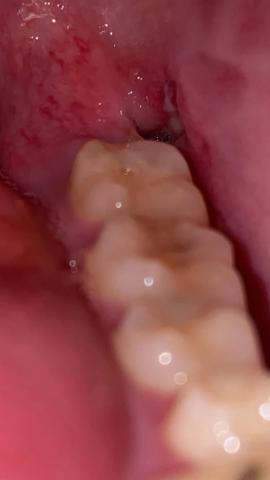
From the photo alone (extraction yesterday) it most likely looks like a normal early clot — too soon to declare dry socket or infection.
-
Because you’ve had dry sockets in the past, be extra cautious and get an in-person check within 48–72 hours or sooner if pain worsens, foul taste develops, or you get fever/swelling.
-
If dry socket does develop (usually 2–4 days after extraction), your dentist can treat it quickly with a medicated dressing and you should feel better in a few days.
If you want, tell me: what tooth was taken out (upper/lower, wisdom or molar?), whether you’re smoking, and what pain level you have now (0–10) and if you have fever — I can tailor the advice a bit more.
What does a dry socket (alveolar osteitis) actually look like inside your mouth? This 10-second ultra-macro 100% zoom dental animation reveals the extraction socket in incredible detail, showing the missing protective blood clot, exposed jawbone, inflamed gum tissue, and the early signs that distinguish dry socket from normal healing. Dry socket is one of the most painful complications after a tooth extraction. It usually develops 1–3 days after surgery when the protective blood clot is lost or dissolves too early, exposing sensitive bone and nerve endings. Common symptoms include severe throbbing pain, pain radiating to the ear or jaw, bad breath, an unpleasant taste, and delayed healing.
Dry Socket After Tooth Extraction: A Denver Patient's Story, Expert Clinical Guide, Warning Signs, Treatment, Recovery, and When It Becomes an Emergency
Tooth extraction is one of the most common oral surgical procedures performed in the United States. While most patients heal without complications, one of the most painful post-operative conditions is dry socket (alveolar osteitis).
Although dry socket is not usually life-threatening, the pain can be severe enough to interfere with sleeping, eating, working, and daily activities. Understanding the early warning signs allows patients to receive prompt treatment and avoid unnecessary suffering.
This clinical review examines a realistic patient case from Colorado, explains the biological mechanisms behind dry socket, compares normal healing with abnormal healing, discusses risk factors, treatment options, and identifies the rare situations when post-extraction complications become a true medical emergency.
Clinical Case Review
David's Story: A Painful Recovery in Denver, Colorado
David, a 29-year-old software engineer living in Denver, Colorado, visited his dentist after a severely decayed lower first molar became impossible to restore. Following a comprehensive examination and digital X-rays, extraction was recommended.
The procedure itself was uncomplicated.
The tooth was removed successfully under local anesthesia, the socket was irrigated thoroughly, and a healthy blood clot formed before David left the dental office.
His dentist provided standard post-operative instructions:
- Bite firmly on gauze
- Avoid smoking
- Do not use drinking straws
- Eat soft foods
- Keep the area clean
- Take pain medication as prescribed
Days One and Two
The first 48 hours appeared completely normal.
David experienced:
- Mild jaw soreness
- Slight facial swelling
- Small amount of blood-tinged saliva
- Controlled discomfort with ibuprofen
Everything suggested uncomplicated healing.
The Unexpected Turn
Late on the evening of Day Three, David noticed something unusual.
Instead of improving, his pain suddenly became dramatically worse.
The pain felt:
- Deep
- Sharp
- Constant
- Throbbing
It radiated from the extraction site toward:
- The right ear
- The temple
- The side of his face
Pain medication that had worked previously no longer provided meaningful relief.
When he examined the extraction site using a flashlight, he noticed something concerning.
Instead of seeing a dark protective blood clot, the socket appeared:
- Empty
- Whitish
- Hollow
The pain continued throughout the night.
Unable to sleep, David contacted his dentist first thing the following morning.
Clinical Diagnosis
After examination, the dentist diagnosed:
Dry Socket (Alveolar Osteitis)
The protective blood clot had been lost prematurely.
Without this clot:
- Jaw bone became exposed.
- Sensitive nerve endings were uncovered.
- Air, saliva, food particles, and bacteria irritated the socket.
This explained why David's pain became dramatically worse despite otherwise normal healing.
Fortunately, no signs of infection were present.
What Is Dry Socket?
Dry socket is a painful inflammatory condition that develops after tooth extraction when the protective blood clot:
- Never forms properly
- Breaks down too early
- Becomes dislodged
The blood clot serves as a biological bandage.
It protects:
- Bone
- Blood vessels
- Healing tissue
- Nerve endings
Without it, the exposed bone produces intense pain until healing progresses.
Why the Blood Clot Is So Important
After every extraction, the body immediately attempts to stop bleeding.
Platelets form a clot that functions as a temporary scaffold.
This clot:
- Protects exposed bone
- Delivers healing cells
- Supports new blood vessel growth
- Encourages gum tissue formation
- Prevents bacterial contamination
If disrupted, healing slows significantly.
Normal Healing Timeline vs. Dry Socket
| Recovery Stage | Normal Healing | Dry Socket |
|---|---|---|
| Days 1–2 | Dark blood clot covers the socket. Mild pain and swelling are expected. | Blood clot is unstable, absent, or becomes dislodged. |
| Days 3–5 | Pain begins decreasing. Healthy granulation tissue forms. | Severe throbbing pain suddenly develops and radiates to the ear or temple. |
| Days 6–14 | Gum tissue gradually closes over the socket. Eating becomes easier. | Socket remains open with exposed bone and persistent severe pain until treated. |
Why Does Dry Socket Hurt So Much?
The jaw bone itself contains numerous microscopic nerve fibers.
Normally, these nerves remain protected beneath the blood clot.
Once exposed:
- Air stimulates nerves.
- Cold drinks trigger pain.
- Food particles irritate tissues.
- Saliva continually bathes exposed bone.
This creates one of the most painful complications in dentistry.
Classic Symptoms of Dry Socket
Patients frequently report:
Severe pain beginning around Days 3–5
Pain becomes dramatically worse instead of improving.
Pain radiating toward the ear
Because the trigeminal nerve supplies multiple facial structures, pain often spreads toward:
- Ear
- Temple
- Eye
- Neck
Empty extraction socket
Instead of a dark clot, patients may notice:
- White bone
- Gray appearance
- Empty hole
Bad breath
Food debris trapped inside the socket may produce:
- Halitosis
- Foul taste
- Unpleasant odor
Pain medication stops working
This is one of the strongest warning signs.
Even prescription medication often provides minimal relief.
Who Is Most Likely to Develop Dry Socket?
Several factors increase risk.
Smoking
Nicotine reduces blood flow.
Smoking also creates suction capable of pulling the clot from the socket.
Using Drinking Straws
Negative pressure inside the mouth can dislodge the clot.
Aggressive Spitting
Forceful rinsing or spitting during early healing increases clot loss.
Difficult Tooth Extractions
Surgical removal of impacted wisdom teeth carries a higher risk.
Previous Dry Socket
Patients with a history of dry socket have an increased likelihood of recurrence.
Poor Oral Hygiene
Food debris and bacteria may delay healing.
Hormonal Factors
Some research suggests higher incidence among women using estrogen-containing oral contraceptives.
How Dentists Diagnose Dry Socket
Diagnosis is usually straightforward.
The dentist evaluates:
- Timing of symptoms
- Pain intensity
- Appearance of the socket
- Presence or absence of infection
- Exposed bone
Routine X-rays are generally unnecessary unless retained root fragments or other complications are suspected.
Professional Treatment
Fortunately, treatment usually produces rapid relief.
Gentle Irrigation
The socket is flushed carefully to remove:
- Food particles
- Bacterial debris
- Dead tissue
Medicated Dressing
A soothing medicated dressing is placed into the socket.
This:
- Covers exposed bone
- Protects nerve endings
- Reduces inflammation
- Provides rapid pain relief
Many patients notice improvement within minutes.
Pain Management
The dentist may recommend:
- Ibuprofen
- Acetaminophen
- Prescription medications when necessary
Follow-Up Visits
Some dressings require replacement every few days until healing improves.
What You Should Do at Home
DO
- Apply a cold compress during the first 24–48 hours.
- Stay hydrated.
- Eat soft foods.
- Brush nearby teeth carefully.
- Follow all post-operative instructions.
DO NOT
- Smoke
- Vape
- Use straws
- Spit forcefully
- Touch the socket
- Pick at the clot
- Drink excessive alcohol
These activities significantly increase the likelihood of dry socket.
When to Call Your Dentist
Contact your dentist promptly if you experience:
- Severe pain beginning Days 3–5
- Empty-looking socket
- Visible exposed bone
- Persistent bad taste
- Bad breath
- Pain medications no longer helping
Prompt treatment can dramatically reduce discomfort.
When It Becomes a Medical Emergency
Dry socket itself is not an infection and is rarely life-threatening.
However, an untreated dental infection can occasionally spread into the surrounding facial tissues.
Seek immediate emergency medical care if you develop:
- Difficulty breathing
- Difficulty swallowing
- Rapidly expanding facial swelling
- Swelling extending toward the eye or neck
- High fever
- Chills
- Confusion
- Severe headache with neck stiffness
- Excessive drooling
- Extreme fatigue
These symptoms may indicate facial cellulitis, deep neck space infection, or another serious complication requiring urgent hospital treatment.
Related Articles You May Find Helpful
Lower Wisdom Tooth Pain: Is It Normal Healing or Dry Socket?
Persistent pain after a lower wisdom tooth extraction can be difficult to interpret. Learn how to distinguish normal healing discomfort from the warning signs of dry socket and when it's time to contact your dentist.
https://cebudentalimplants.com/lower-wisdom-tooth-pain-normal-or-dry-socket
Dry Socket Symptoms: Severe Pain, Bad Breath, and Exposed Bone Explained
Discover the classic symptoms of dry socket, including worsening pain several days after extraction, unpleasant odor, exposed bone, and why prompt treatment provides relief.
https://cebudentalimplants.com/dry-socket-symptoms-severe-pain-bad-smell-exposed-bone
Wisdom Tooth Extraction Day 4: Is It Dry Socket or Normal Recovery?
Day four is often when patients become concerned about increasing pain. This guide explains what to expect, how to recognize dry socket, and when professional dental treatment is necessary.
https://cebudentalimplants.com/content/wisdom-tooth-extraction-day-4-dry-socket-how-tell-treat-and-when-see-dentist
Smoking After Tooth Extraction: Why Even One Cigarillo Can Increase Dry Socket Risk
Smoking can interfere with blood clot formation and delay healing. Learn why even a single cigarillo may significantly increase your chances of developing dry socket after an extraction.
https://cebudentalimplants.com/content/smoking-and-teeth-how-10-peso-cigarillo-and-dry-socket-work-together
Is Your Extraction Healing Normally? A Guide to Lower Back Tooth Recovery
Understand the normal healing stages after a lower molar extraction, including what healthy tissue should look like and which symptoms require immediate dental evaluation.
https://cebudentalimplants.com/post-extraction-healing-check-normal-after-back-lower-tooth-removal
Dry Socket vs. Infection: How to Tell the Difference
Dry socket and post-extraction infections can cause similar symptoms, but they require different treatment approaches. Learn the key differences, warning signs, and when antibiotics may be necessary.
https://cebudentalimplants.com/dry-socket-vs-infection-california-usa
Wrong-Tooth Extraction and Dry Socket: A Real Dental Horror Story from Manila
Read about a real-life case involving an incorrect tooth extraction followed by dry socket, and discover the important lessons every dental patient should know before undergoing treatment.
https://cebudentalimplants.com/wrong-tooth-dry-socket-manila-dental-horror-story
Expert Dental Guidance: Dry Socket vs. Normal Healing
After a tooth extraction, it is normal for the socket to change appearance during healing. A dark blood clot may initially cover the socket, followed by whitish or cream-colored healing tissue as the wound develops. The appearance alone cannot reliably diagnose dry socket or infection. Pain pattern, swelling, fever, discharge, and the overall progression of symptoms are more useful clues.
According to the American Dental Association, dry socket—also called alveolar osteitis—occurs when the protective blood clot is lost or fails to remain in the extraction socket, leaving the underlying area exposed and causing significant pain.
What an Expert Dentist Looks For
A dentist evaluating a painful extraction site will generally consider:
-
Is the pain improving or getting worse?
-
Did significant pain develop or intensify several days after extraction?
-
Does the pain radiate toward the ear, temple, jaw, or nearby teeth?
-
Is there an unpleasant taste or bad breath?
-
Does the socket appear empty or show exposed bone?
-
Is there facial swelling, pus, fever, or other evidence suggesting infection?
-
Was the extraction difficult or surgical?
-
Are there risk factors such as tobacco use or previous dry socket?
A dry socket typically causes substantial pain that does not follow the expected improving pattern of normal post-extraction discomfort. It commonly becomes noticeable during the first several days after extraction.
Expert Voice: American Dental Association
The American Dental Association explains that dry socket can occur when the blood clot protecting the extraction site is displaced. The exposed area can become very painful, and a dentist may clean the socket and place a medicated dressing to relieve symptoms.
Clinical takeaway: If pain is becoming significantly worse rather than gradually improving, contact the dentist who performed the extraction instead of trying to diagnose the socket from a photograph.
Expert Voice: Evidence-Based Pain Management
Current ADA guidance supports non-opioid pain medicines as first-line options for many adults and adolescents following tooth extraction. NSAIDs such as ibuprofen or naproxen, alone or combined with acetaminophen when appropriate, can be effective for acute dental pain. Individual medical conditions, medications, allergies, kidney disease, stomach ulcers, pregnancy, liver disease, and other factors can affect which medication is appropriate.
Patients should follow their dentist's instructions and the medication label rather than automatically using a particular dose.
Dry Socket vs. Infection: Why the Difference Matters
Dry socket and infection can produce unpleasant symptoms, but they are different conditions.
Dry socket tends to feature:
-
Significant or worsening pain
-
Pain that may radiate toward the ear or jaw
-
An extraction socket that may appear empty
-
Possible visible bone
-
Bad taste or bad breath
-
Delayed or uncomfortable healing
Infection may feature:
-
Increasing facial or gum swelling
-
Pus or significant discharge
-
Fever
-
Worsening redness or swelling
-
Increasing pain accompanied by systemic symptoms
-
Difficulty opening the mouth in some cases
These findings can overlap, so a dentist should make the diagnosis rather than relying only on the appearance of the socket.
Antibiotics are not automatically needed for every painful extraction site. They may be considered when a clinician identifies a bacterial infection or another indication for antimicrobial treatment. Unnecessary antibiotic use can cause side effects and contributes to antibiotic resistance.
Is White Tissue in the Extraction Socket Normal?
Often, yes.
A white or cream-colored appearance does not automatically mean pus. Healing tissue can appear pale or whitish during normal wound healing. Food debris can also become trapped around an extraction site.
However, white tissue combined with severe worsening pain, swelling, fever, or discharge should be evaluated by a dentist.
Do not scrape, pick, or aggressively flush the socket yourself because disturbing the healing tissue can cause additional trauma.
What Should You Do After the First 24 Hours?
Follow the specific instructions provided by your dentist because postoperative recommendations can vary depending on the extraction.
In general:
-
Keep the extraction area clean according to your dentist's instructions.
-
After the first 24 hours, gentle warm salt-water rinsing may be recommended.
-
Avoid vigorous swishing or forceful spitting.
-
Do not smoke or use tobacco while the socket is healing.
-
Avoid using straws if your dentist has advised avoiding suction.
-
Choose foods that are comfortable and unlikely to traumatize the socket.
-
Continue normal oral hygiene while avoiding direct trauma to the extraction wound.
-
Take prescribed or recommended pain medication according to instructions.
Smoking and tobacco use are particularly important preventable risk factors because they can interfere with healing and increase the risk of complications.
When Is Extraction Pain an Emergency?
Contact a dentist promptly if pain is severe, worsening, or not responding adequately to recommended pain medication.
Seek urgent medical or emergency care if you develop:
-
Rapidly increasing facial or neck swelling
-
Difficulty breathing
-
Difficulty swallowing
-
Significant uncontrolled bleeding
-
High fever or severe systemic illness
-
Swelling that is spreading toward the eye, neck, or throat
These symptoms can indicate a more serious infection or other complication and should not be treated as ordinary dry socket.
Frequently Asked Questions
1. How can I tell if my extraction is healing normally?
The most useful sign is gradual improvement. Some pain, tenderness, swelling, and difficulty chewing can occur after extraction. The discomfort should generally become easier to manage as healing progresses.
A sudden increase in severe pain after initial improvement is more concerning for a complication such as dry socket.
2. Does a white extraction socket mean infection?
Not necessarily. White or cream-colored tissue can be part of normal healing. The color by itself cannot diagnose infection.
Fever, increasing swelling, pus, and worsening symptoms are more concerning findings.
3. Can dry socket happen if I did everything correctly?
Yes. Good postoperative care reduces risk but cannot completely eliminate it. Dry socket can occur even when a patient carefully follows instructions.
4. Does dry socket mean the dentist did something wrong?
No. Dry socket is a recognized complication of tooth extraction and can occur despite appropriate professional treatment and patient care.
5. Is dry socket the same as an infected extraction socket?
No. Dry socket primarily involves loss or failure of the protective blood clot and significant pain. Infection involves bacterial infection and may produce swelling, pus, fever, or other systemic findings.
A dentist may need to distinguish between the two because their management can differ.
6. Do I need antibiotics for dry socket?
Not automatically. Antibiotics are generally not the routine treatment for uncomplicated dry socket. A dentist may prescribe antibiotics when there is evidence of infection or another specific indication.
7. Can I brush my teeth after extraction?
Usually, yes, but you should follow your dentist's postoperative instructions. Keep the mouth clean while avoiding direct aggressive brushing of the extraction wound during the early healing period.
8. Can I rinse with salt water?
Many dentists recommend gentle warm salt-water rinsing after the first 24 hours. The important point is gentle rinsing rather than vigorous swishing or forceful spitting.
9. Can smoking cause dry socket?
Smoking is an important risk factor and can interfere with healing. Avoiding smoking and other tobacco products during recovery is strongly recommended.
10. Can I exercise after tooth extraction?
Ask your dentist when to resume strenuous activity, particularly after surgical or difficult extraction. Early recovery should prioritize protecting the extraction site and following the specific postoperative instructions provided by the dental team.
11. How long does dry socket take to heal?
With appropriate care, dry socket generally improves as the socket heals. Cleveland Clinic notes that healing commonly occurs within approximately 7–10 days, although the exact recovery time varies between patients.
12. Will the extraction hole completely disappear?
The gum tissue gradually closes over the extraction site, while the underlying bone remodels over a much longer period. The visible opening may become substantially smaller before the underlying bone has completely remodeled.
13. Should I put medicine, aspirin, cotton, or other material inside the socket myself?
Do not place homemade materials or medications into the socket unless specifically instructed by your dental professional. A dentist can examine the area and determine whether irrigation or a professionally placed medicated dressing is appropriate.
14. Can a photograph confirm dry socket?
No. A photograph can provide useful visual information, but it cannot reliably establish the diagnosis. The dentist may need to assess your pain pattern, extraction history, symptoms, and the socket directly.
15. When should I call my dentist?
Call your dentist if:
-
Pain is becoming worse rather than better.
-
Severe pain develops several days after extraction.
-
Pain radiates toward the ear or jaw.
-
You develop persistent bad taste or bad breath.
-
The socket appears empty and you are experiencing significant pain.
-
Swelling or fever develops.
-
You are concerned that healing is not progressing normally.
Normal healing usually trends toward less pain and improving function. Dry socket is more strongly suspected when significant pain worsens or develops several days after extraction, particularly when accompanied by an empty-looking socket, exposed bone, or unpleasant taste or odor.
Because several post-extraction problems can look similar, the safest approach is not to diagnose the socket from appearance alone. If pain is severe, worsening, or accompanied by fever, swelling, pus, difficulty swallowing, or difficulty breathing, seek professional dental or emergency evaluation.
This information is for patient education and does not replace an examination by a dentist or oral and maxillofacial surgeon. Treatment recommendations may differ depending on the patient's medical history, medications, type of extraction, and clinical findings.
Video :
A Simple Story from California, USA
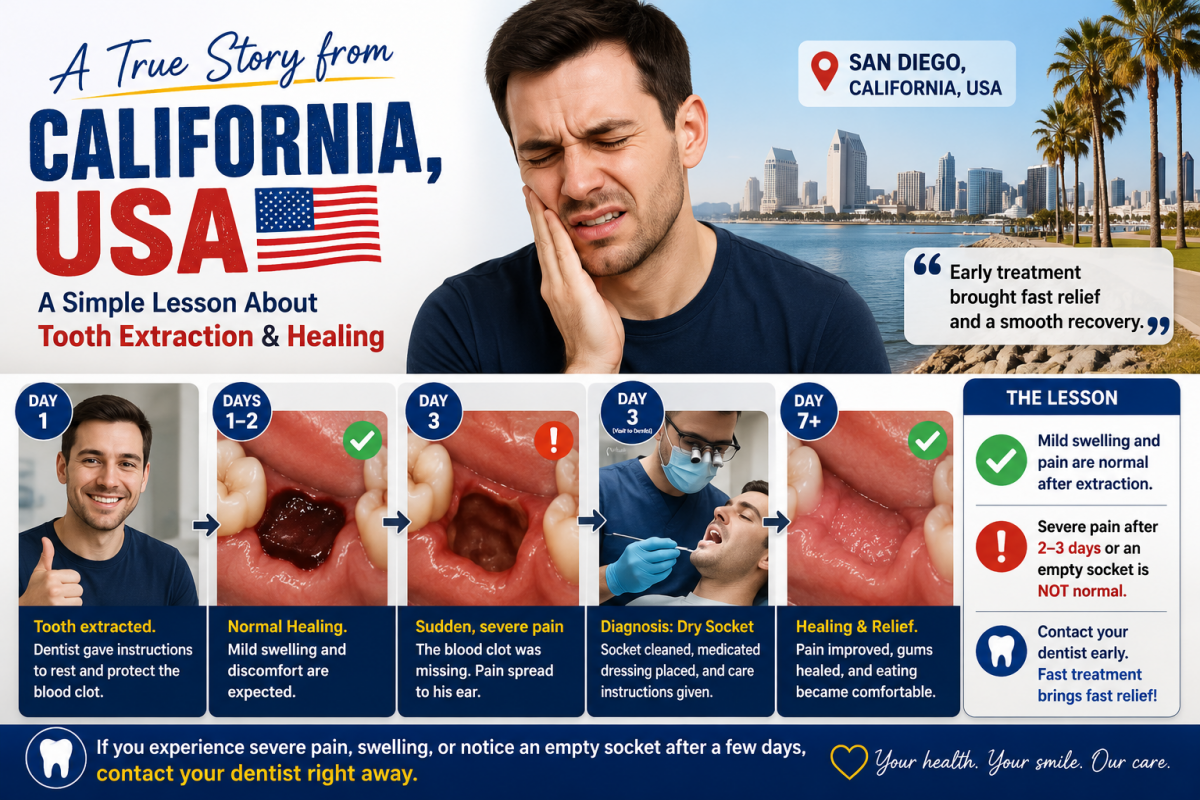
On a warm Saturday morning in San Diego, California, 34-year-old Michael had a tooth removed because it was badly damaged. His dentist told him to rest, avoid smoking, and keep the blood clot in place so the area could heal properly.
For the first two days, everything seemed normal. His cheek was slightly swollen, and he had mild pain that was controlled with pain medicine.
On the third day, Michael felt a sudden, severe throbbing pain. The pain spread from his jaw to his ear, making it difficult to sleep. When he looked in the mirror, he noticed the extraction site looked empty instead of being covered by a dark blood clot.
Concerned, Michael returned to his dentist the same afternoon. The dentist examined the socket and explained that he had developed dry socket, a common complication after tooth extraction when the protective blood clot is lost too early.
The dentist gently cleaned the area, placed a medicated dressing inside the socket, and gave Michael instructions to continue gentle saltwater rinses and avoid activities that could disturb healing.
Within 24 hours, Michael's pain improved significantly. Over the next week, the gum gradually healed, and he was able to eat comfortably again.
Lesson: After a tooth extraction, mild swelling and discomfort are normal. However, if severe pain suddenly starts a few days later or the socket appears empty, contact your dentist as soon as possible. Early treatment can relieve pain quickly and help prevent further complications.
Related Clinical Cases
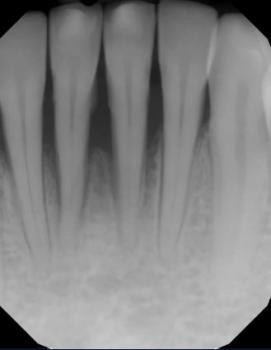
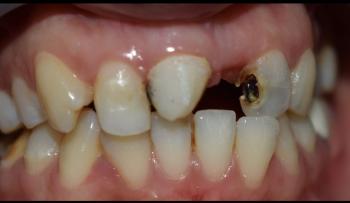
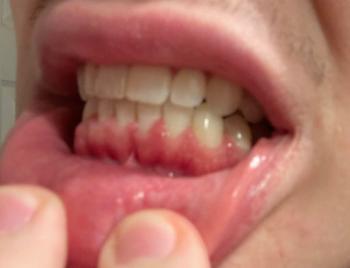
Patients with lower front gum inflammation may also experience tartar buildup, periodontal disease, gum abscesses, or tooth decay. Explore these related clinical case studies.