Transforming Smiles, Restoring Confidence.

How Long After Extraction Can You Get an Implant? New Jersey USA Expert Guid
Language :
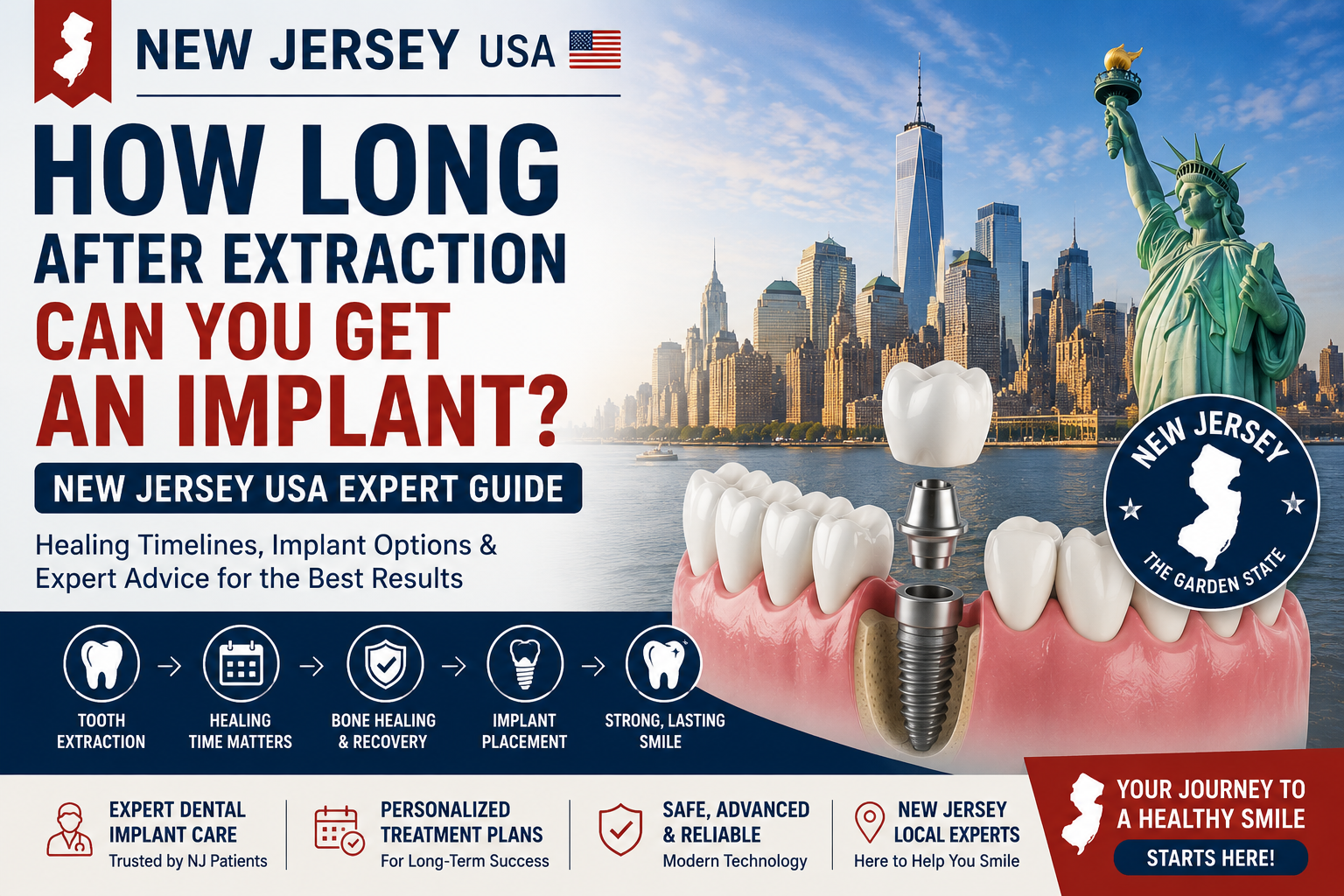
One of the most common questions patients ask after losing a tooth is: “How long after extraction can I get a dental implant?” The answer depends on several important factors, including bone health, gum condition, infection risk, and the location of the missing tooth.
Dental implants have become one of the most reliable and natural-looking ways to replace missing teeth. They are designed to restore not only appearance but also chewing strength and jawbone support. However, successful implant treatment requires careful timing and proper healing after tooth extraction.
In New Jersey, many patients are surprised to learn that implants can sometimes be placed immediately after extraction, while others may need to wait several weeks or even months before treatment begins. Every mouth heals differently, which is why personalised dental assessment is essential.
This complete New Jersey USA expert guide explains how long you may need to wait after extraction before getting a dental implant, what affects healing time, treatment options available, costs, recovery expectations, and practical advice in simple beginner-friendly language.
What Is a Dental Implant?
Before discussing timing, it helps to understand what a dental implant actually is.
A dental implant is an artificial tooth root, usually made from titanium, placed into the jawbone to support a replacement tooth.
The Three Main Parts of an Implant
Implant Post
This titanium screw is inserted into the jawbone.
Abutment
The connector piece linking the implant to the crown.
Dental Crown
The visible artificial tooth designed to look natural.
Dental implants are popular because they closely mimic real teeth in both appearance and function.
Why Timing Matters After Tooth Extraction
Healing Is Important for Implant Success
After a tooth is removed, the surrounding gum tissue and jawbone begin healing immediately.
The dentist must determine:
- Whether enough healthy bone remains
- If infection is present
- Whether the gums are healing properly
- If the implant can achieve good stability
Placing an implant too early or too late without proper planning may increase complications.
The Main Implant Timing Options
There is no single answer for every patient. Dentists generally consider four main timing approaches.
Immediate Dental Implants
What Is an Immediate Implant?
An immediate implant is placed on the same day as tooth extraction.
This means:
- The damaged tooth is removed
- The implant is inserted immediately afterwards
In suitable cases, this can reduce overall treatment time.
Benefits of Immediate Implants
Fewer Surgical Procedures
The patient may avoid an additional surgery later.
Faster Overall Treatment
Treatment completion may happen sooner.
Better Bone Preservation
Immediate placement may help reduce bone shrinkage after extraction.
Improved Cosmetic Results
This is especially important for front teeth.
Who Is Suitable for Immediate Implants?
Not everyone qualifies.
Ideal candidates usually have:
- Healthy gums
- Good bone quality
- No severe infection
- Strong overall oral health
When Immediate Implants May Not Be Recommended
Dentists may delay implants if there is:
- Severe infection
- Significant bone loss
- Gum disease
- Poor implant stability
- Smoking-related risks
Early Implant Placement
What Is Early Implant Placement?
Early placement usually occurs several weeks after extraction.
Typical waiting time:
- Around 6 to 12 weeks
This allows soft tissue healing before implant surgery.
Advantages of Early Placement
Reduced Infection Risk
Healing time may lower bacterial complications.
Better Gum Healing
Soft tissue stabilises before surgery.
Easier Implant Planning
Dentists can better evaluate the site after healing begins.
Delayed Implant Placement
What Is Delayed Implant Placement?
Delayed implants are placed after the extraction area has fully healed.
Typical waiting period:
- Around 3 to 6 months
- Sometimes longer if bone grafting is required
This is one of the most common approaches.
Why Delayed Placement Is Sometimes Necessary
Dentists may recommend waiting if:
- Infection was severe
- Bone loss is significant
- Multiple extractions occurred
- Medical conditions affect healing
Late Implant Placement
Waiting More Than Six Months
Some patients wait a year or longer before replacing missing teeth.
Unfortunately, long delays may lead to:
- Bone shrinkage
- Teeth shifting
- More complex treatment needs
Bone grafting may become necessary later.
What Affects Implant Timing?
Several factors influence how quickly implants can be placed.
Bone Quality and Bone Density
Strong Bone Is Essential
The implant must integrate securely with the jawbone.
Poor bone density may require:
- Healing time
- Bone grafting
- Additional procedures
Dentists use digital scans to evaluate bone quality carefully.
Presence of Infection
Active Infection Can Delay Treatment
Severe dental infections may damage surrounding bone.
In these situations, dentists often prefer:
- Tooth extraction
- Healing period
- Implant placement later
This reduces complications.
Gum Health
Healthy gums are critical for implant success.
Untreated gum disease increases the risk of:
- Implant failure
- Bone loss
- Infection
Periodontal treatment may be needed first.
Smoking and Healing
Smoking Slows Recovery
Smoking affects blood supply and healing capacity.
Smokers face higher risks of:
- Delayed healing
- Implant complications
- Implant failure
Reducing or stopping smoking significantly improves success rates.
Medical Conditions
Certain health conditions may influence healing speed.
Examples include:
- Diabetes
- Autoimmune disorders
- Osteoporosis
- Immune suppression
Well-controlled medical conditions often allow successful implant treatment.
Bone Grafting and Implant Timing
What Is Bone Grafting?
Bone grafting rebuilds jawbone volume when insufficient bone remains.
This may be needed after:
- Long-term tooth loss
- Severe infection
- Trauma
- Advanced gum disease
How Bone Grafting Affects Timing
Healing after grafting may take:
- 3 to 6 months
- Occasionally longer
The dentist monitors healing before implant placement.
Immediate Implants vs Delayed Implants
Comparison Table
| Feature | Immediate Implant | Delayed Implant |
|---|---|---|
| Timing | Same day as extraction | Months later |
| Number of Surgeries | Often fewer | Usually more |
| Healing Complexity | Higher planning required | More healing time |
| Bone Preservation | Often better | Bone shrinkage possible |
| Infection Risk | Higher in infected sites | Lower after healing |
| Treatment Duration | Shorter overall | Longer overall |
Single Tooth Implant vs Multiple Implants
| Treatment Type | Purpose | Complexity |
|---|---|---|
| Single Implant | One missing tooth | Simpler |
| Multiple Implants | Several missing teeth | Moderate |
| Full Arch Implants | Full mouth restoration | More advanced |
How Long Does Implant Healing Take?
Osseointegration Explained
After placement, the implant bonds with the jawbone through a process called osseointegration.
This healing stage often takes:
- 3 to 6 months
The implant becomes stable enough to support the final crown.
Can You Get Teeth Immediately After Implant Surgery?
Temporary Teeth May Be Possible
Some patients receive temporary restorations while healing occurs.
This depends on:
- Implant stability
- Bite pressure
- Implant location
Front teeth sometimes qualify for immediate temporary crowns.
Signs Healing Is Going Well
Normal healing signs may include:
- Mild swelling
- Slight tenderness
- Gradual gum improvement
Most patients recover comfortably within several days after surgery.
Warning Signs After Extraction or Implant Surgery
Seek dental advice if you experience:
- Severe pain
- Persistent bleeding
- Fever
- Swelling worsening after several days
- Bad taste or pus
- Implant movement
Prompt evaluation helps prevent complications.
Risks of Waiting Too Long for an Implant
Bone Loss Increases Over Time
One of the biggest risks is jawbone shrinkage.
Without tooth roots, the bone gradually weakens.
Teeth May Shift
Neighbouring teeth often drift into empty spaces.
This may complicate future implant placement.
Bite Problems Can Develop
Missing teeth may alter chewing patterns and jaw alignment.
Cost of Dental Implants in New Jersey USA
Costs vary depending on:
- Implant complexity
- Bone grafting needs
- Number of implants
- Specialist experience
- Location within New Jersey
Average Price Estimates
| Treatment | Estimated Cost |
|---|---|
| Single Implant | $3,000–$6,000 |
| Bone Grafting | Additional fee |
| Implant Crown | Sometimes separate |
| Full Mouth Implants | Significantly higher |
Insurance coverage varies widely.
Are Dental Implants Worth It?
Many patients consider implants worthwhile because they provide:
- Natural appearance
- Strong chewing ability
- Bone preservation
- Long-term durability
- Improved confidence
Compared with removable dentures, implants usually feel more stable and comfortable.
Practical Advice After Tooth Extraction
Follow Aftercare Instructions Carefully
After extraction:
- Avoid smoking
- Avoid vigorous rinsing initially
- Maintain gentle oral hygiene
- Eat softer foods temporarily
Good healing supports future implant success.
Don’t Delay Your Consultation
Even if you cannot begin implant treatment immediately, early assessment helps preserve options.
Dentists can monitor:
- Bone levels
- Healing progress
- Future treatment planning
Ask About Bone Preservation
Socket preservation procedures may help reduce bone shrinkage immediately after extraction.
This may improve future implant placement.
Maintain Excellent Oral Hygiene
Healthy gums and clean teeth support successful treatment.
Important habits include:
- Brushing twice daily
- Daily flossing
- Regular dental visits
- Professional cleanings
Frequently Asked Questions
Can you get a dental implant immediately after extraction?
Yes, some patients qualify for immediate implant placement on the same day as extraction.
How long do most people wait for implants after extraction?
Many patients wait between 3 and 6 months depending on healing and bone condition.
Is immediate implant placement better?
It can reduce treatment time and preserve bone, but it is not suitable for every patient.
Can infection delay implant placement?
Yes. Severe infection often requires healing time before implants are placed safely.
Do implants hurt?
Most patients report only mild discomfort managed with routine pain relief.
What happens if you wait too long?
Bone loss and tooth shifting may complicate future treatment.
Is bone grafting always necessary?
No. Some patients have enough healthy bone naturally.
Can older adults receive implants?
Yes. Age alone does not prevent implant treatment if overall health is suitable.
Expert Advice From a UK-Style Dental Perspective
From a professional standpoint, the best implant timing is the one that balances healing, bone preservation, and long-term success. Every patient heals differently, which is why a personalised approach is essential.
Some patients in New Jersey benefit greatly from immediate implant placement, especially when the extraction site is healthy and stable. Others achieve better outcomes by allowing the gums and bone additional time to heal before surgery.
The key message is simple: early planning matters. Even if treatment cannot begin immediately, consulting a dentist shortly after extraction often protects future implant options and reduces the risk of severe bone loss.
Modern implant dentistry is highly advanced, and with proper planning, most patients can achieve excellent long-term results.
How long after extraction can you get an implant? The answer depends on your oral health, bone condition, infection status, and healing response. Some patients qualify for immediate implants on the same day as extraction, while others may need several months of healing before treatment begins safely.
Dental implants remain one of the most effective modern solutions for replacing missing teeth because they restore appearance, chewing ability, and jawbone support. However, successful treatment relies heavily on proper planning and timing.
In New Jersey, patients who seek early professional guidance after tooth extraction often preserve more treatment options and avoid more complicated procedures later.
Whether you need immediate placement, delayed implants, or bone grafting first, understanding the process helps you make informed decisions about your long-term oral health and smile confidence.
Can tooth extraction cause infection? Mild inflammation is normal, but increasing swelling, fever, or severe pain may indicate infection. Learn more about post-extraction infection warning signs in this detailed guide.
Book a consultation with our Cebu dental specialists for proper evaluation and care.
Ready to get expert guidance?
If you’re experiencing severe pain or delayed healing, book a consultation with our Cebu dental specialists to get proper evaluation and care.
Consultation or contact page .
Book a Consultation
For severe discomfort or delayed healing, book a consultation with our Cebu dental specialists today.
Looking for a dentist? Browse our Cebu dental directory to find trusted clinics near you.
Medical Review and Clinical Basis
This article is based on clinical dental guidelines and real patient recovery patterns observed after tooth extraction procedures. The information reflects common post-extraction healing stages, including normal clot formation, gum tissue repair, and signs of possible complications such as dry socket or infection.
While mild discomfort is expected after a dental extraction, worsening pain after Day 3, bad odor, exposed bone, or spreading pain may require professional evaluation. These symptoms are consistent with known post-extraction complications described in standard dental practice.
About Cebu Dental Implants
Cebu Dental Implants provides comprehensive tooth extraction, surgical procedures, and dental implant services in the Philippines. Our team evaluates post-extraction healing, manages complications such as dry socket, and advises patients on proper aftercare to prevent infection and delayed healing.
If you experience severe pain or unusual symptoms after extraction, early professional assessment is recommended to prevent further complications.
Important Medical Disclaimer
This content is for educational purposes only and does not replace professional dental diagnosis. Every patient heals differently. If symptoms worsen or do not improve within a few days, consult a licensed dentist for proper evaluation and treatment.
Author
This article was prepared by the Cebu Dental Implants content team in consultation with licensed dental professionals experienced in tooth extraction and implant procedures.
Related Clinical Cases
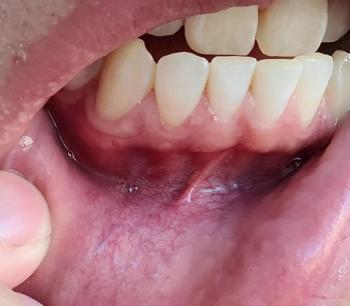
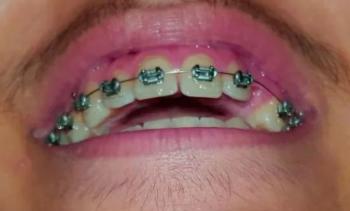
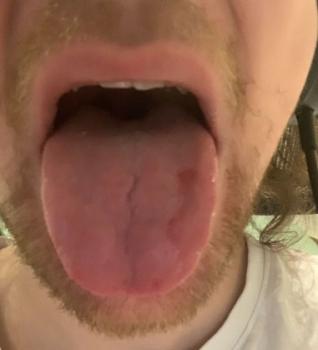
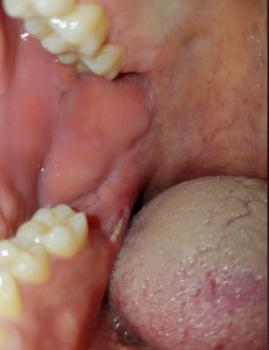
Patients with lower front gum inflammation may also experience tartar buildup, periodontal disease, gum abscesses, or tooth decay. Explore these related clinical case studies.


Other topics:
Other Dental Clinic