Missing Teeth? Find Your Smile Again.

The Silent Epidemic: Why Tooth Loss Is Stealing More Than Just Smiles
Language :
Topics:
You probably don't think about losing a tooth until it happens. Then suddenly, everything changes. Chewing becomes awkward. You avoid smiling in photos. You notice the gap every time you look in the mirror. And then comes the shock when you find out how much it costs to fix.
Tooth loss is not a rare problem for the elderly. It affects millions of American adults, many in their 30s and 40s. In fact, by age 50, the average American has lost 12 teeth, including wisdom teeth. By age 74, nearly one in five adults has lost all of their natural teeth.
This is not just a cosmetic issue. Missing teeth affect how you eat, how you speak, and even how your brain ages. And like so many health problems in the United States, tooth loss is made worse by a broken healthcare system that treats your mouth as an optional luxury.
This blog will explain why adults lose teeth, what you can do to prevent it, and why the American system makes it so hard to keep your smile.
The Main Causes of Tooth Loss in Adults
Tooth loss rarely happens overnight. It is almost always the final stage of a long, preventable process. Here are the most common reasons adults lose teeth.
Gum Disease (Periodontal Disease)
Gum disease is the number one cause of tooth loss in adults. Not cavities, not accidents. Gum diseasa.
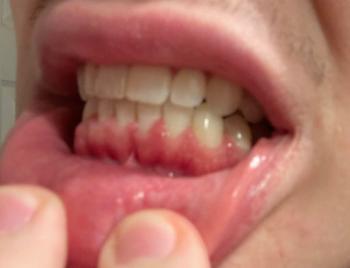
Here is how it works in plain English. Your gums are supposed to hug your teeth tightly, like a turtleneck sweater. But when bacteria build up along the gumline, your gums become inflamed, a condition called gingivitis. If you ignore it, the inflammation spreads deeper. The gums pull away from the teeth, creating pockets. Bacteria fill these pockets and begin destroying the bone that holds your teeth in place.
Once the bone is gone, it does not grow back. Your teeth become loose. Eventually, they fall out or have to be pulled.
The frightening part is that gum disease is often painless until it is advanced. You might have bleeding gums when you brush, bad breath, or teeth that feel slightly mobile. Many people ignore these signs until it is too late.
Untreated Tooth Decay
Cavities are the second leading cause of tooth loss. A small cavity can be fixed with a filling. But if you leave it alone, the decay eats deeper into the tooth, reaching the pulp where the nerve and blood vessels live. At this point, you might feel severe pain, or the tooth might die silently.
The only way to save a deeply decayed tooth is a root canal and crown. But root canals can cost $1,500 to $2,500, and crowns add another $1,000 to $2,000. Many Americans cannot afford that. So they opt for an extraction instead. Pulling the tooth might cost only $200. It seems like a bargain until you realize that missing one tooth starts a chain reaction.
Cracked or Broken Teeth
Teeth can crack from chewing hard foods, grinding (bruxism), or old fillings that weaken the tooth structure. A crack that reaches below the gumline often cannot be saved. Extraction becomes the only option.
Medical Conditions That Cause Tooth Loss
-
Diabetes: High blood sugar weakens the body's ability to fight gum infections. Diabetics are three times more likely to lose teeth.
-
Osteoporosis: Weakening bones also weaken the jawbone that holds teeth.
-
High blood pressure: Some medications cause dry mouth, which leads to decay and gum disease.
-
Rheumatoid arthritis: This autoimmune disease is linked to more severe gum disease.
Why One Missing Tooth Leads to More Missing Teeth
Here is something most people do not realizee. Losing one tooth is rarely the end of the story. It is often the beginning.
The Domino Effect
Every tooth in your mouth supports its neighbors. When you lose a tooth, the adjacent teeth begin to tilt into the empty space. The tooth above or below starts to drift, too. This changes your bite, making chewing uneven. The tilted teeth become harder to clean, so they develop cavities and gum disease. Within a few years, the teeth next to the gap may also need to be pulled.
Bone Loss Accelerates
Your jawbone needs stimulation from chewing to maintain its density. When a tooth is missing, the bone underneath that spot receives no stimulation. It begins to shrink, a process called resorption. Over time, the bone can become so thin that even a dental implant, the gold standard for replacement, is impossible without expensive bone grafting.
Shifting Bite and Jaw Problems
Missing teeth can cause your remaining teeth to shift into bad positions. This can lead to temporomandibular joint (TMJ) disorders, causing jaw pain, headaches, and clicking sounds when you open your mouth.
How Tooth Loss Affects Your Life Beyond Your Smile
Missing teeth are not just about appearance. They affect your overall health in surprising ways.
Nutrition Suffers
People with missing teeth often avoide hard, crunchy, or chewy foods like apples, carrots, nuts, and meats. Instead, they eat softer, more processed foods that are higher in sugar and lower in nutrients. This can lead to weight gain, diabetes, and heart disease.
Brain Health Declines
Research shows that people with fewer than ten teeth have a significantly higher risk of developing dementia. Chewing increases blood flow to the brain. Without enough teeth to chew properly, brain activity decreases. One study found that for each missing tooth, the risk of cognitive decline increases by about 1.4%.
Mental Health and Social Isolation
Tooth loss is embarrassing. Many adults hide their smiles, avoid social situations, and even skip job interviews because they are ashamed of their teeth. Depression and anxiety are common among people with significant tooth loss.
Speech Problems
Teeth help you pronounce certain sounds, like th, f, v, and s. Missing front teeth can cause a lisp or make you sound different, which adds to social anxiety.
The Financial Nightmare: Why Treating Tooth Loss in America Is So Expensive
Now we reach the heart of the problem. Tooth loss is largely preventable with regular dental care. But in the United States, millions of people cannot afford that care. And once teeth are lost, replacing them costs a fortune.
The Uninsured and Underinsured
As mentioned in our previous blog, about 72 million American adults have no dental insurance. For those who do have insurance, the average annual maximum is around $1,500. That sounds like a lot until you look at real costes.
Real Costs of Treating Tooth Loss
-
Single dental implant: $3,000 to $6,000 (plus crown: $1,000 to $3,000)
-
Implant-supported bridge for three missing teeth: $6,000 to $15,000
-
Full arch of implants (All-on-4): $15,000 to $30,000 per arch
-
Traditional removable dentures: $1,500 to $4,000 per arch
-
High-quality dentures with implants to hold them: $8,000 to $20,000
If you lose all your teeth and want implant-supported dentures, you could easily spend $50,000 or more. That is a down payment on a house.
Why Dental Insurance Won't Save You
Most dental insurance plans do not cover implants at all. They consider them cosmetic. For dentures, most plans pay 50% up to their annual maximum. If your plan has a $1,500 maximum and dentures cost $3,000, you pay $1,500 out of pocket. But if you also need extractions and bone grafting in the same year, you will exceed your maximum quickly.
The Medicare Gap
Medicare, the federal health insurance for Americans 65 and older, does not cover routine dental care. No cleanings, no fillings, no dentures. If a senior on Medicare needs a tooth pulled, they pay 100% out of pocket. This is why nearly 70% of seniors have no dental coverage at all.
Medicaid: A State-by-State Lottery
Medicaid covers dental care for children, but adult coverage varies wildly. Some states offer comprehensive benefits. Others offer emergency-only coverage, meaning they will pull an infected tooth but will not pay to replace it. And some states offer nothing at all.
Why the American Healthcare System Has a Big Issue with Teeth
Let us step back and look at the bigger picture. Why is tooth loss such a crisis in the richest country on earth?
The Mouth-Body Divide
The single biggest problem is that American healthcare treats the mouth as separate from the body. You have medical insurance for your heart, lungs, and brain. But your teeth are in a different silo, with separate insurance, separate providers, and separate payment systems.
This separation makes no medical sense. Gum disease is linked to heart disease, stroke, diabetes, and preterm birth. An infected tooth can lead to sepsis, a life-threatening condition that lands people in hospital emergency rooms. Yet Medicare will pay for the emergency room visit but not for the root canal that would have prevented it.
For-Profit Dentistry
Most dental practices in America are small businesses. They need to make a profit. That is not inherently bad, but it creates perverse incentives. Dentists make more money doing crowns and implants than they do teaching prevention. Insurance companies make more money capping annual benefits than covering comprehensive care.
Lack of Public Health Investment
Other wealthy countries, like the United Kingdom, Germany, and Japan, include dental care in their national health systems. Citizens pay little or nothing for checkups, fillings, and even dentures. In the US, dental care is treated as a luxury good.
Workforce Shortages
There are over 4,000 areas in the United States designated as dental health professional shortage areas. Millions of Americans live more than an hour from the nearest dentist. Rural areas, Native American reservations, and low-income urban neighborhoods are particularly underserved.
The Result: Unnecessary Tooth Loss
People lose teeth every day in America not because the tooth cannot be saved, but because the patient cannot afford to save it. Dentists report that patients frequently choose extraction over root canals because extraction costs $200 while a root canal and crown costs $3,000. That is not a medical decision. That is a financial tragedy.
Frequently Asked Questions (FAQ) About Tooth Loss
Can a missing tooth affect my other teeth?
Yes, absolutely. Adjacent teeth will drift into the empty space. Opposite teeth will super-erupt, meaning they grow longer because nothing is biting against them. This changes your bite and makes cleaning harder, leading to more cavities and gum disease.
Is it really necessary to replace a missing back tooth?
Many people think missing a molar is no big deal because no one sees it. But back teeth do most of your chewing. Losing one shifts the workload to your remaining teeth, wearing them down faster. You also risk bone loss and shifting. Most dentists recommend replacing every missing tooth except possibly wisdom teeth.
What is the best way to replace a missing tooth?
Dental implants are the gold standard. They look, feel, and function like natural teeth. They also preserve jawbone. However, implants are expensive and require surgery. A fixed bridge is the next best option, but it requires grinding down healthy adjacent teeth. Removable partial dentures are the least expensive but also the least comfortable and stable.
How long do dental implants last?
With good care, implants can last 20 years to a lifetime. The crown on top may need replacement after 10 to 15 years due to normal wear. Implants have a success rate of about 95% over 10 years.
Are dentures inevitable with age?
No. Tooth loss is not a normal pert of aging. Many people keep all their natural teeth their entire lives. With good oral hygiene, regular dental visits, and managing health conditions like diabetes, you can keep your teeth.
How can I prevent tooth loss?
Brush twice daily with fluoride toothpaste. Floss once daily. See a dentist every six to 12 months. If you smoke, quit. Smoking is a major risk factor for gum disease. If you have dry mouth, talk to your dentist about saliva substitutes or prescription fluoride. If your gums bleed when you brush, do not ignore it. See a dentist promptly.
What should I do if a tooth feels loose?
Do not wait. See a dentist immediately. A loose tooth can sometimes be splinted to neighboring teeth, giving the bone a chance to heal. The sooner you act, the better the chance of saving the tooth.
Can I get dental implants if I have bone loss?
Often, yes, but you may need a bone graft first. Bone grafting adds synthetic or donated bone to your jaw to build up enough density to support an implant. This adds several months and thousands of dollars to the process, but it is usually successful.
Why does the US not have universal dental care?
Unlike most other wealthy nations, the US has never included dental care in its public health programs. The political will has not existed. Powerful dental insurance and provider lobbies have resisted changes. Additionally, dental care has historically been viewed as less medically necessary than other forms of care, a view that is now changing but slowly.
What can I do if I cannot afford dental care?
Look for dental schools in your area. They offer reduced-cost care performed by students under expert supervision. Community health centers often have sliding fee scales based on your income. Some states have dental charity events where dentists volunteer free care. Finally, talk to your dentist about payment plans or CareCredit, a medical credit card.
Final Thoughts: You Can Keep Your Teeth
The American dental system is deeply flawed. It is expensive, fragmented, and leaves millions behind. That is the bad news.
The good news is that tooth loss is almost entirely preventable. You do not need expensive treatments to keep your natural teeth. You need consistent, basic care. Brush. Floss. See a dentist regularly, even if only once a year. Manage your sugar intake. Do not smoke.
If you have already lost teeth, do not lose hope. Modern dentistry offers excellent replacements, from dentures to implants. Yes, they cost money. But there are affordable options like dental schools and community clinics.
Your smile is worth protecting. Not because of how it looks in photos, but because your teeth are essential to your health, your nutrition, and your happiness. Do not let a broken healthcare system steal them from you.
Can tooth extraction cause infection? Mild inflammation is normal, but increasing swelling, fever, or severe pain may indicate infection. Learn more about post-extraction infection warning signs in this detailed guide.
Book a consultation with our Cebu dental specialists for proper evaluation and care.
Ready to get expert guidance?
If you’re experiencing severe pain or delayed healing, book a consultation with our Cebu dental specialists to get proper evaluation and care.
Consultation or contact page .
Book a Consultation
For severe discomfort or delayed healing, book a consultation with our Cebu dental specialists today.
Looking for a dentist? Browse our Cebu dental directory to find trusted clinics near you.
Medical Review and Clinical Basis
This article is based on clinical dental guidelines and real patient recovery patterns observed after tooth extraction procedures. The information reflects common post-extraction healing stages, including normal clot formation, gum tissue repair, and signs of possible complications such as dry socket or infection.
While mild discomfort is expected after a dental extraction, worsening pain after Day 3, bad odor, exposed bone, or spreading pain may require professional evaluation. These symptoms are consistent with known post-extraction complications described in standard dental practice.
About Cebu Dental Implants
Cebu Dental Implants provides comprehensive tooth extraction, surgical procedures, and dental implant services in the Philippines. Our team evaluates post-extraction healing, manages complications such as dry socket, and advises patients on proper aftercare to prevent infection and delayed healing.
If you experience severe pain or unusual symptoms after extraction, early professional assessment is recommended to prevent further complications.
Important Medical Disclaimer
This content is for educational purposes only and does not replace professional dental diagnosis. Every patient heals differently. If symptoms worsen or do not improve within a few days, consult a licensed dentist for proper evaluation and treatment.
Author
This article was prepared by the Cebu Dental Implants content team in consultation with licensed dental professionals experienced in tooth extraction and implant procedures.
Related Clinical Cases
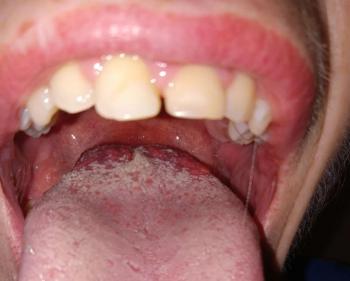
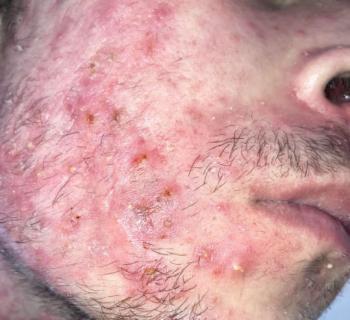
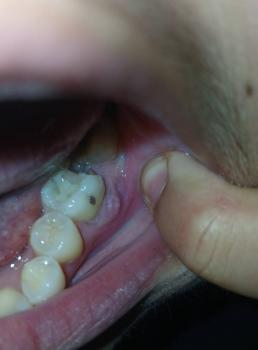
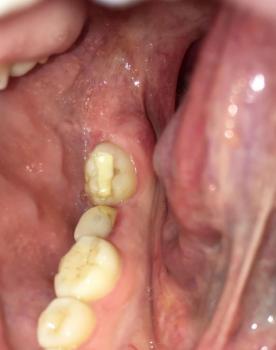
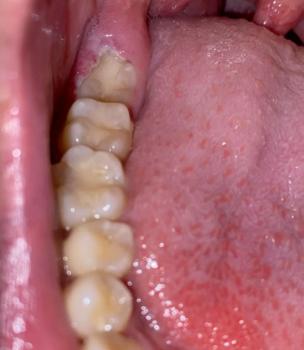
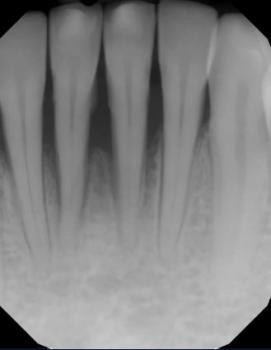
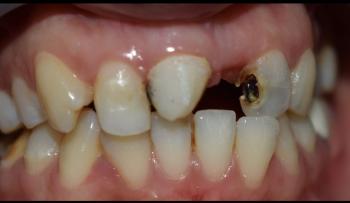
Patients with lower front gum inflammation may also experience tartar buildup, periodontal disease, gum abscesses, or tooth decay. Explore these related clinical case studies.
Other topics:
Other Dental Clinic