Transforming Smiles, Restoring Confidence.

The Morning Light Fix: A Night Worker's Guide to Better Sleep and Mood
Language :

Topics:
Morning Sunlight: The Missing Key to Mental Health for Night Workers
If you work night shifts, you know the toll it takes. The constant fatigue, the struggle to sleep during the day, and that creeping sense of being out-of-sync with the world. But what if one of the biggest challenges isn't just the odd hours—but the simple, profound lack of morning sunlight? Emerging science reveals that missing the day's first light isn't just a cosmetic issue; it's a direct hit to your brain's wiring, mood, and mental well-being.
Your Brain’s Master Clock Runs on Sunlight
Every one of us has an internal timekeeper called the suprachiasmatic nucleus (SCN)—your brain's master clock. This clock doesn’t run on batteries or willpower; it runs on light, specifically natural morning sunlight.
Here’s what happens when your eyes absorb those first rays:
-
It Triggers a Vital "Cortisol Pulse": Morning sunlight signals your body to release cortisol—not the bad, stress-induced kind, but a healthy, energizing pulse. This is your body’s natural alarm clock. It wakes up your nervous system, sharpens your focus, and sets your internal "sleep timer" for roughly 16 hours later, priming you for better sleep when you finally rest.
-
It Regulates Mood & Melatonin: The light exposure suppresses the sleep hormone melatonin (telling your brain the day has begun) and boosts production of serotonin, a key neurotransmitter for mood stability and feelings of well-being.
-
It Anchors Your Circadian Rhythm: Without this strong morning signal, your entire circadian rhythm—the 24-hour cycle governing sleep, hunger, hormone release, and body temperature—becomes weak and desynchronized. For night workers, this rhythm is already challenged; missing morning light makes it nearly impossible to stabilize.
Why Artificial Light Doesn't Cut It
Your office lights, phone screen, or even a bright therapy lamp are poor substitutes for the real thing. Natural sunlight is far brighter (even on a cloudy day) and contains a full spectrum of light that artificial sources can't perfectly replicate. This spectrum is what your brain's master clock evolved to recognize.
The Night Worker's Sunlight Prescription
The good news is that you can "hack" your biology with a simple, non-negotiable habit. Think of it as the most important part of your shift-work survival kit.
The 10–20 Minute Rule:
-
Step 1: As soon as you wake up (whether that's at 3 PM or 6 PM after a night shift), go outside within the first hour.
-
Step 2: Spend 10 minutes in direct, natural light. On a cloudy or overcast day, extend this to 20 minutes.
-
Step 3: Do this without sunglasses. Your eyes need to absorb the light to send the proper signal to your brain. (Never look directly at the sun).
Why This Works for Night Workers:
This practice gives your master clock the strongest possible signal of "day," even if your workday happens in the dark. It helps consolidate your sleep window, improve sleep quality, and provide a critical mood boost before a long night ahead.
Building a Brighter Routine
-
Make It Easy: Have your coffee or tea on a balcony, porch, or by an open window. Take a short walk around the block.
-
Be Consistent: This habit's power comes from daily repetition, which helps train your drifting circadian rhythm.
-
Combine with Other Sleep Hygiene: Pair morning light with blackout curtains, a cool, dark sleep environment, and a consistent wind-down routine before bed.
A Ray of Hope
For night workers, prioritizing mental health isn't just about managing stress—it's about managing light. By intentionally welcoming the morning sun, you’re not just getting fresh air; you’re giving your brain the fundamental cue it needs to regulate sleep, stabilize mood, and maintain resilience.
Your job may keep you in the dark, but your daily routine doesn't have to. That first light of the day isn't just for the early birds; it's the most powerful, free tool you have to reclaim your rhythm and protect your mental health.
Looking for dentist : Visit directory list
Related Clinical Cases
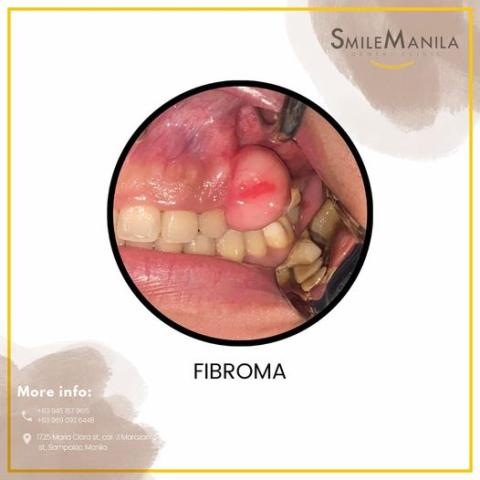
Patients with lower front gum inflammation may also experience tartar buildup, periodontal disease, gum abscesses, or tooth decay. Explore these related clinical case studies.