Your Smile, Perfected with Precision.

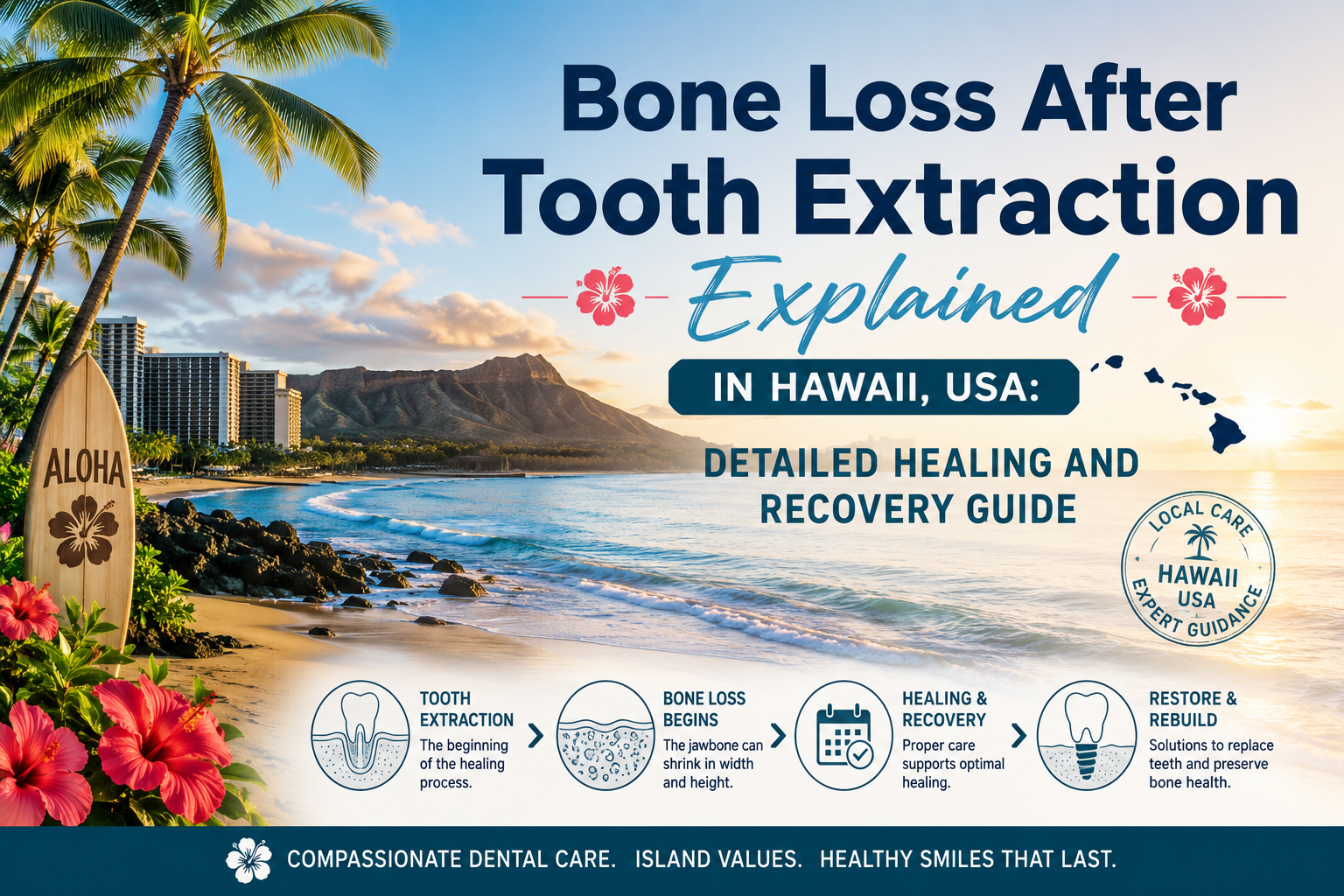
Bone Loss After Tooth Extraction Explained in Hawaii, USA: Detailed Healing and Recovery Guide
Language :
Topics:
Expert Guide From a USA Dental Bone Graft Specialist With 25 Years of Experience
Tooth extraction may solve pain, infection, or severe dental damage, but many patients in Hawaii are surprised to learn that removing a tooth can also trigger jawbone loss. This process often begins immediately after extraction and may continue for years if the missing tooth is not properly treated.
As a dental bone graft and implant specialist with over 25 years of clinical experience in the United States, I have helped thousands of patients understand how bone healing works after extraction. The biggest mistake many people make is assuming the mouth simply “closes up” and heals naturally without long-term consequences. In reality, the jawbone needs stimulation from tooth roots to remain healthy and strong.
Without treatment such as socket preservation, bone grafting, or dental implants, the jawbone can shrink significantly. This may affect facial appearance, chewing strength, speech, denture stability, and future implant success.
This comprehensive Hawaii dental guide explains the healing process after tooth extraction, why bone loss happens, recovery stages, treatment options, insurance coverage, cost comparisons between the USA and Philippines, financing programs, and practical advice for long-term oral health.
Understanding Bone Loss After Tooth Extraction
The jawbone is living tissue that constantly remodels itself. Natural teeth stimulate the bone every time you bite or chew. Once a tooth is removed, the bone no longer receives this stimulation.
The body interprets the unused bone as unnecessary and gradually begins reabsorbing it. This process is called bone resorption.
Why Bone Loss Matters
Bone loss is not only cosmetic. It can also create functional problems.
Common Effects of Jawbone Loss
- Sunken facial appearance
- Premature aging around the mouth
- Difficulty chewing
- Loose dentures
- Bite alignment problems
- Increased implant difficulty
- Gum collapse around neighboring teeth
Many patients notice changes within the first year after extraction.
The Detailed Healing Process After Tooth Extraction
Healing after extraction occurs in several stages. Understanding these phases helps patients know what to expect and how to protect the area properly.
Stage 1: Blood Clot Formation (First 24 Hours)
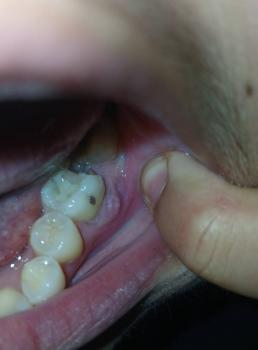
Immediately after extraction, the body forms a blood clot inside the empty socket.
This clot is extremely important because it:
- Protects exposed bone and nerves
- Stops bleeding
- Creates the foundation for healing
- Prevents dry socket complications
Important Patient Instructions
During this stage, avoid:
- Smoking
- Drinking through straws
- Aggressive rinsing
- Spitting forcefully
- Hard chewing
Disrupting the clot may delay healing significantly.
Stage 2: Early Soft Tissue Healing (Days 2–7)
The gums begin closing around the extraction site.
Patients commonly experience:
- Mild swelling
- Tenderness
- Minor bleeding
- Jaw stiffness
What Happens Internally
White blood cells remove bacteria and damaged tissue while collagen fibers begin forming new tissue.
Helpful Recovery Tips
- Eat soft foods
- Use saltwater rinses gently
- Stay hydrated
- Take prescribed medications properly
- Rest adequately
Most swelling peaks around 48–72 hours before improving.
Stage 3: Granulation Tissue Development (Weeks 1–2)
The extraction socket fills with granulation tissue, a soft healing material rich in blood vessels and collagen.
This stage is crucial because it prepares the area for future bone regeneration.
Patients Often Notice
- Reduced pain
- Pink healing gums
- Improved comfort eating soft foods
- Less swelling
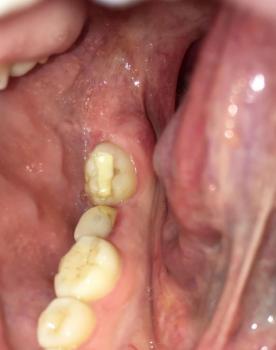
The socket may still appear slightly hollow during this stage.
Stage 4: Bone Formation Begins (Weeks 3–8)
The body begins producing new immature bone cells inside the extraction site.
Important Bone Changes
The jawbone gradually:
- Hardens internally
- Fills the empty socket
- Strengthens the surrounding area
However, bone shrinkage also begins during this phase if no preservation procedure was performed.
Stage 5: Bone Remodeling and Maturation (2–6 Months)
The newly formed bone becomes denser and stronger.
This phase is especially important for patients planning:
- Dental implants
- Implant-supported dentures
- Cosmetic restorations
Bone Healing Timeline
| Healing Phase | Approximate Timeline |
|---|---|
| Blood Clot Formation | 24 Hours |
| Soft Tissue Healing | 1–2 Weeks |
| Early Bone Formation | 3–8 Weeks |
| Bone Maturation | 2–6 Months |
| Full Bone Remodeling | Up to 12 Months |
Every patient heals differently depending on age, health, smoking habits, and oral hygiene.
Why Bone Shrinkage Happens So Quickly
Many Hawaii patients are surprised to learn how rapidly jawbone changes occur.
Studies show:
- Up to 25% bone width loss may happen within 6 months
- Nearly 50% bone reduction can occur within the first year
The front teeth area often experiences the most visible shrinkage because the bone is naturally thinner there.
Socket Preservation: Protecting Bone Immediately
Socket preservation is one of the best preventive treatments after extraction.
This procedure involves placing bone graft material into the empty socket immediately after tooth removal.
Benefits of Socket Preservation
- Helps maintain jawbone shape
- Reduces collapse of surrounding gums
- Improves future implant success
- Minimizes facial changes
- Reduces need for larger grafts later
Patients considering implants should discuss socket preservation before extraction whenever possible.
Bone Grafting Explained
Bone grafting rebuilds or strengthens weakened jawbone areas.
Common Types of Bone Grafts
Autograft
Bone taken from the patient’s own body.
Allograft
Processed human donor bone.
Xenograft
Animal-derived bone material.
Synthetic Graft
Laboratory-created bone substitute.
Modern graft materials are highly safe and widely used across the United States.
Dental Implants and Bone Preservation
Dental implants are unique because they function like artificial tooth roots.
Unlike removable dentures, implants stimulate the jawbone during chewing.
Benefits of Implants
- Preserve bone density
- Maintain facial appearance
- Improve chewing power
- Increase long-term oral stability
- Prevent neighboring teeth from shifting
For many Hawaii patients, implants are the best long-term solution after extraction.
Recovery Timeline After Bone Grafting
Healing after grafting varies depending on complexity.
General Bone Graft Recovery Timeline
| Recovery Stage | Healing Time |
|---|---|
| Initial Swelling | 2–5 Days |
| Gum Tissue Closure | 2–3 Weeks |
| Early Bone Integration | 2–3 Months |
| Strong Bone Development | 4–6 Months |
| Implant Readiness | 4–9 Months |
Some advanced cases may require additional healing time.
Warning Signs During Healing
Patients should contact their dentist if they experience:
- Severe pain after several days
- Persistent swelling
- Fever
- Bad taste or odor
- Heavy bleeding
- Loose graft particles
- Difficulty swallowing
Early treatment can prevent serious complications.
Bone Graft Success Story From Hawaii
Lisa, a 52-year-old patient living in Hawaii, lost a lower molar due to severe fracture and infection. She delayed treatment for nearly four years because she feared surgery.
Over time, she developed noticeable facial sagging and difficulty chewing tougher foods.
A 3D scan showed moderate bone loss around the missing tooth area. After undergoing socket reconstruction and bone grafting, Lisa healed successfully over several months.
Her implant restoration restored both function and confidence.
She later shared:
“I finally smile again without feeling embarrassed. The treatment was much easier than I expected.”
Stories like Lisa’s demonstrate how early intervention can dramatically improve long-term oral health.
Cost Comparison: Hawaii USA vs Philippines
Many patients compare international dental pricing before treatment.
While the Philippines may offer lower upfront fees, patients should also consider:
- Follow-up care
- Warranty policies
- Sterilization standards
- Travel expenses
- Implant material quality
- Long-term maintenance access
Estimated Cost Comparison
| Procedure | Hawaii USA | Philippines |
|---|---|---|
| Simple Bone Graft | $700–$2,000 | $150–$500 |
| Socket Preservation | $900–$2,500 | $250–$700 |
| Sinus Lift | $2,500–$6,000 | $800–$2,500 |
| Dental Implant | $3,500–$7,000 | $900–$2,800 |
Actual pricing varies depending on complexity and clinic expertise.
Insurance Coverage for Bone Grafting
Dental insurance policies vary widely in the United States.
Insurance May Help Cover
Infection-Related Extraction Cases
Some plans partially cover grafting.
Trauma Cases
Medical insurance may assist after accidents.
Periodontal Treatment
Coverage sometimes applies if bone loss is linked to gum disease.
Implant Preparation
Certain premium plans offer partial implant benefits.
Patients should always request a detailed preauthorization estimate before treatment begins.
Common Dental Insurance Providers
Many patients use insurance plans from:
Coverage limitations and waiting periods differ significantly between plans.
Recommended Financing Organizations
Advanced dental treatment can be expensive, especially for implants and grafting procedures.
Private Financing Programs
CareCredit
One of the most widely accepted dental financing systems.
Sunbit
Offers flexible payment plans with quick approval options.
LendingClub Patient Solutions
Helps patients finance larger treatment plans.
Public Assistance Programs
Some patients may qualify for:
- Hawaii Medicaid dental assistance
- Community health clinic programs
- Nonprofit dental aid services
- Dental school reduced-cost treatment
Eligibility depends on income and treatment type.
Best Clinic Types to Visit for Bone Loss Treatment
Patients seeking advanced care should consider clinics specializing in:
- Oral surgery
- Periodontics
- Implant dentistry
- Prosthodontics
Recommended Clinic Features
3D CBCT Imaging
Improves treatment precision.
Experienced Bone Graft Specialists
Training matters greatly in complex cases.
Modern Sterilization Standards
Essential for surgical safety.
Implant Planning Technology
Digital planning improves outcomes.
Best Clinic to Visit in Delaware for Advanced Implant and Bone Grafting Evaluation
Patients researching trusted implant and bone graft specialists in Delaware often look for:
- Board-certified oral surgeons
- Periodontal implant specialists
- Full-service implant centers
- Clinics with extensive grafting experience
The best clinics usually provide:
- Comprehensive 3D diagnostics
- Sedation options
- Customized treatment plans
- Long-term implant maintenance
Patients should compare experience, technology, reviews, and financing support before choosing treatment.
Foods That Support Bone Healing
Nutrition significantly affects recovery quality.
Recommended Healing Foods
High Protein Foods
- Eggs
- Fish
- Greek yogurt
- Chicken
Calcium Sources
- Milk
- Cheese
- Spinach
Vitamin C Foods
- Citrus fruits
- Strawberries
- Bell peppers
Soft Recovery Foods
- Oatmeal
- Mashed potatoes
- Soup
- Smoothies
Hydration is equally important during healing.
Smoking and Bone Graft Failure Risk
Smoking remains one of the biggest reasons grafts fail.
Nicotine reduces blood flow and oxygen delivery to healing tissues.
Smoking Increases Risks Of
- Infection
- Delayed healing
- Implant failure
- Bone graft rejection
- Gum complications
Patients are strongly encouraged to stop smoking before surgery.
5 Frequently Asked Questions
FAQ 1: How long does bone healing take after extraction?
Initial healing occurs within weeks, but complete bone remodeling may continue for 6–12 months.
FAQ 2: Is bone grafting painful?
Most patients experience manageable soreness rather than severe pain. Modern sedation and medications improve comfort greatly.
FAQ 3: Can bone loss affect facial appearance?
Yes. Severe jawbone shrinkage can cause sunken cheeks and premature facial aging.
FAQ 4: Can I get implants years after extraction?
Often yes, but significant bone loss may require grafting before implant placement.
FAQ 5: Is treatment in the Philippines safe?
Many clinics in the Philippines provide quality care, but patients should carefully evaluate credentials, sterilization standards, follow-up care, and implant systems used.
3 Related Topics Patients Often Research
1. Dental Implants After Bone Grafting
Understanding implant timing and healing requirements.
2. Dentures vs Implants
Comparing stability, comfort, and long-term bone preservation.
3. Sinus Lift Surgery
Advanced upper jaw bone augmentation for implants.
Bone Loss After Tooth Extraction
Bone loss after tooth extraction is extremely common, but modern dentistry now offers highly effective ways to prevent and rebuild lost bone. The most important factor is early intervention.
Patients who delay treatment often experience more complex procedures later due to progressive jaw shrinkage. Fortunately, treatments such as socket preservation, bone grafting, and dental implants can restore both appearance and function successfully.
If you recently had a tooth removed or are planning an extraction in Hawaii, speak with an experienced implant or bone graft specialist as early as possible. Protecting your jawbone now may save significant time, expense, and complications in the future.
With proper planning, good oral hygiene, and expert care, patients can enjoy healthy smiles and strong jaw support for many years ahead.
Can tooth extraction cause infection? Mild inflammation is normal, but increasing swelling, fever, or severe pain may indicate infection. Learn more about post-extraction infection warning signs in this detailed guide.
Book a consultation with our Cebu dental specialists for proper evaluation and care.
Ready to get expert guidance?
If you’re experiencing severe pain or delayed healing, book a consultation with our Cebu dental specialists to get proper evaluation and care.
Consultation or contact page .
Book a Consultation
For severe discomfort or delayed healing, book a consultation with our Cebu dental specialists today.
Looking for a dentist? Browse our Cebu dental directory to find trusted clinics near you.
Medical Review and Clinical Basis
This article is based on clinical dental guidelines and real patient recovery patterns observed after tooth extraction procedures. The information reflects common post-extraction healing stages, including normal clot formation, gum tissue repair, and signs of possible complications such as dry socket or infection.
While mild discomfort is expected after a dental extraction, worsening pain after Day 3, bad odor, exposed bone, or spreading pain may require professional evaluation. These symptoms are consistent with known post-extraction complications described in standard dental practice.
About Cebu Dental Implants
Cebu Dental Implants provides comprehensive tooth extraction, surgical procedures, and dental implant services in the Philippines. Our team evaluates post-extraction healing, manages complications such as dry socket, and advises patients on proper aftercare to prevent infection and delayed healing.
If you experience severe pain or unusual symptoms after extraction, early professional assessment is recommended to prevent further complications.
Important Medical Disclaimer
This content is for educational purposes only and does not replace professional dental diagnosis. Every patient heals differently. If symptoms worsen or do not improve within a few days, consult a licensed dentist for proper evaluation and treatment.
Author
This article was prepared by the Cebu Dental Implants content team in consultation with licensed dental professionals experienced in tooth extraction and implant procedures.
Related Clinical Cases
Patients with lower front gum inflammation may also experience tartar buildup, periodontal disease, gum abscesses, or tooth decay. Explore these related clinical case studies.