Building Confidence One Smile at a Time.

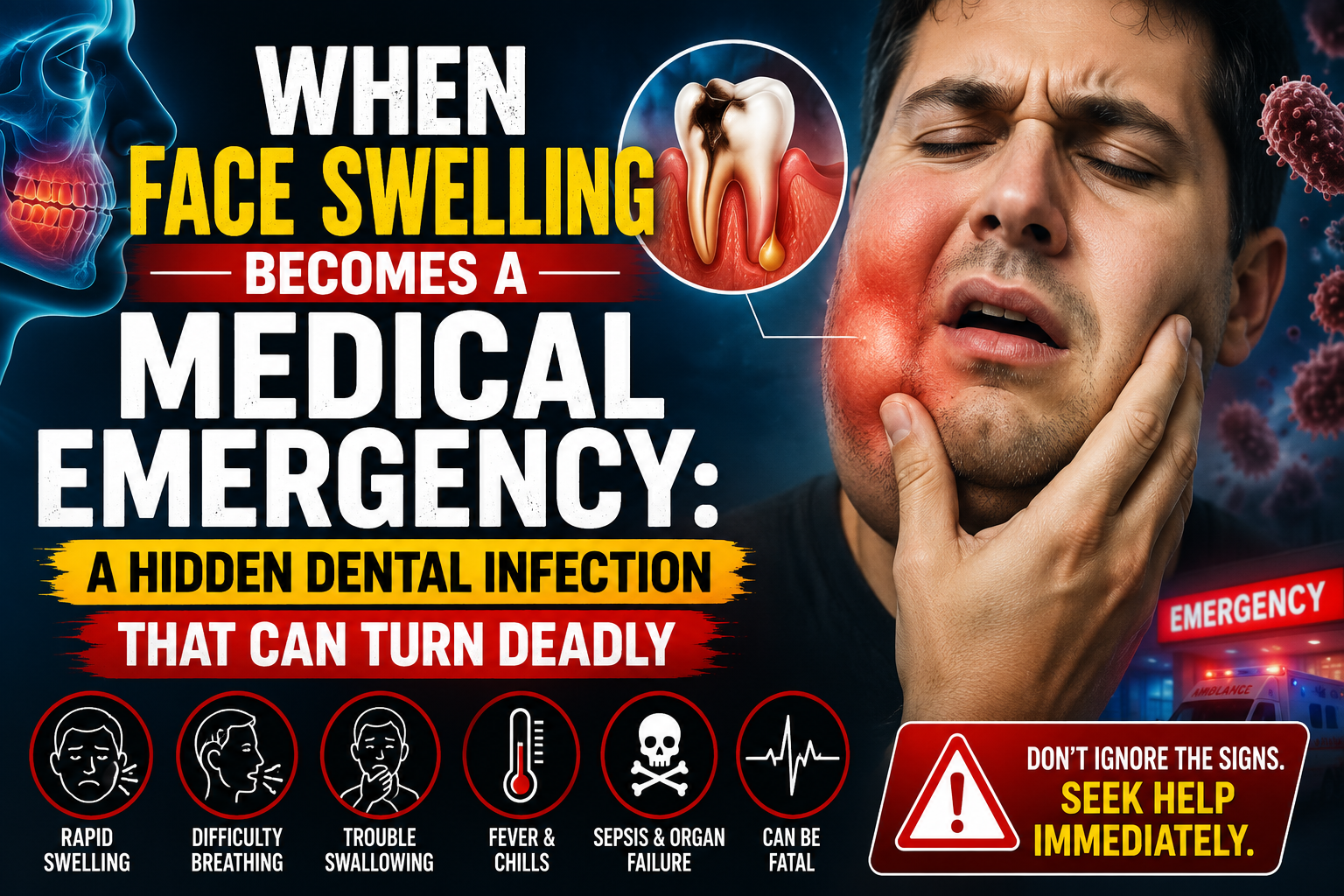
When Face Swelling Becomes a Medical Emergency: A Hidden Dental Infection That Can Turn Deadly
Language :
Topics:
A swollen face is often dismissed as a simple toothache, gum infection, or allergy. However, in some cases, facial swelling is a life-threatening medical emergency that requires immediate treatment. Every year, people around the world develop severe infections that spread rapidly from the teeth into the face, neck, and even the chest. Without prompt treatment, these infections can lead to breathing difficulties, sepsis, organ failure, and death.
Although modern antibiotics and emergency dental care have greatly reduced fatalities, severe untreated dental infections still cause preventable deaths.
What Causes Severe Face Swelling?
One of the most common causes is an untreated dental infection.
The infection may begin as:
- A deep cavity
- A cracked tooth
- A failed root canal
- Advanced gum disease
- A wisdom tooth infection
- An untreated dental abscess
Once bacteria escape the tooth, they can spread through the surrounding tissues.
Instead of remaining inside the tooth, the infection may enter:
- Facial muscles
- Cheeks
- Jaw
- Neck
- Sinuses
- Bloodstream
This is when the situation becomes dangerous.
Why Can It Become Life-Threatening?
The mouth contains millions of bacteria. When these bacteria enter the deeper tissues, they multiply quickly.
A severe dental infection may cause:
- Rapid facial swelling
- Severe pain
- Difficulty opening the mouth
- Trouble swallowing
- Fever and chills
- Difficulty breathing
If the swelling reaches the neck, it can compress the airway.
This is a true medical emergency.
Without immediate treatment, oxygen cannot reach the lungs properly.
The Danger of Infection Spreading
One of the biggest risks is that the infection spreads beyond the mouth.
Possible complications include:
Neck Space Infection
The infection can spread into the deep spaces of the neck, making swallowing and breathing difficult.
Brain Infection
In rare cases, bacteria may spread toward the brain, causing brain abscesses or meningitis.
Bloodstream Infection (Sepsis)
Once bacteria enter the bloodstream, they can travel throughout the body.
Sepsis is a life-threatening condition in which the body's response to infection damages its own organs.
Without rapid treatment, it can lead to:
- Kidney failure
- Heart problems
- Organ failure
- Septic shock
- Death
Warning Signs You Should Never Ignore
Seek emergency medical care immediately if facial swelling is accompanied by:
- Rapidly increasing swelling
- Difficulty breathing
- Difficulty swallowing saliva
- High fever
- Swelling under the jaw
- Swelling around the eye
- Severe tooth pain with facial swelling
- Confusion or extreme weakness
- Inability to fully open the mouth
- Pus draining into the mouth
These symptoms should never be ignored.
Who Is at Higher Risk?
Serious dental infections are more likely in:
- People with diabetes
- Older adults
- Smokers
- Individuals with weakened immune systems
- Cancer patients
- Organ transplant recipients
- People taking immune-suppressing medications
- Individuals who delay dental treatment
Emergency Treatment
Hospital treatment may include:
- Intravenous (IV) antibiotics
- Emergency drainage of the abscess
- Tooth extraction or root canal treatment
- CT scan to determine the spread of infection
- Airway monitoring
- Hospital admission
- Surgery if the infection has spread deeply
In severe cases, intensive care may be required.
Can Antibiotics Alone Cure It?
Not always.
Many dental abscesses require removal of the source of infection.
This may include:
- Root canal treatment
- Tooth extraction
- Surgical drainage
Antibiotics alone often provide only temporary relief if the infected tooth remains untreated.
Prevention Is Always Better
Most life-threatening dental infections begin with problems that could have been treated much earlier.
Protect yourself by:
- Brushing twice daily with fluoride toothpaste
- Flossing every day
- Visiting your dentist regularly
- Treating cavities early
- Repairing broken teeth promptly
- Never ignoring persistent tooth pain
- Completing prescribed antibiotic courses exactly as directed
The Bottom Line
Most facial swelling caused by minor dental problems improves with prompt treatment. However, rapidly increasing facial swelling—especially when combined with fever, difficulty swallowing, or trouble breathing—can signal a serious infection that requires immediate emergency care. Delaying treatment can allow the infection to spread into the deep tissues of the face, neck, or bloodstream, where it may become life-threatening.
If you or someone you know develops severe facial swelling along with difficulty breathing, difficulty swallowing, high fever, or increasing pain, seek emergency medical attention immediately. Early treatment can prevent serious complications and may save a life.
Medical Disclaimer: This article is for educational purposes only and should not replace professional medical advice. If you experience severe facial swelling, breathing difficulty, trouble swallowing, or signs of a spreading infection, contact your local emergency services or go to the nearest emergency department immediately.
Can tooth extraction cause infection? Mild inflammation is normal, but increasing swelling, fever, or severe pain may indicate infection. Learn more about post-extraction infection warning signs in this detailed guide.
Book a consultation with our Cebu dental specialists for proper evaluation and care.
Ready to get expert guidance?
If you’re experiencing severe pain or delayed healing, book a consultation with our Cebu dental specialists to get proper evaluation and care.
Consultation or contact page .
Book a Consultation
For severe discomfort or delayed healing, book a consultation with our Cebu dental specialists today.
Looking for a dentist? Browse our Cebu dental directory to find trusted clinics near you.
Medical Review and Clinical Basis
This article is based on clinical dental guidelines and real patient recovery patterns observed after tooth extraction procedures. The information reflects common post-extraction healing stages, including normal clot formation, gum tissue repair, and signs of possible complications such as dry socket or infection.
While mild discomfort is expected after a dental extraction, worsening pain after Day 3, bad odor, exposed bone, or spreading pain may require professional evaluation. These symptoms are consistent with known post-extraction complications described in standard dental practice.
About Cebu Dental Implants
Cebu Dental Implants provides comprehensive tooth extraction, surgical procedures, and dental implant services in the Philippines. Our team evaluates post-extraction healing, manages complications such as dry socket, and advises patients on proper aftercare to prevent infection and delayed healing.
If you experience severe pain or unusual symptoms after extraction, early professional assessment is recommended to prevent further complications.
Important Medical Disclaimer
This content is for educational purposes only and does not replace professional dental diagnosis. Every patient heals differently. If symptoms worsen or do not improve within a few days, consult a licensed dentist for proper evaluation and treatment.
Author
This article was prepared by the Cebu Dental Implants content team in consultation with licensed dental professionals experienced in tooth extraction and implant procedures.
Related Clinical Cases
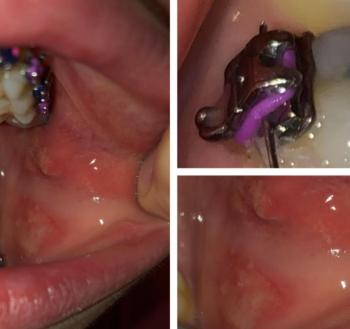
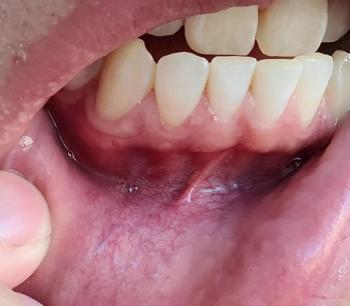
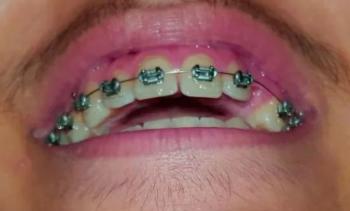
Patients with lower front gum inflammation may also experience tartar buildup, periodontal disease, gum abscesses, or tooth decay. Explore these related clinical case studies.


Other topics:
Other Dental Clinic