Healthy Teeth, Happy Life.

The Bitter Truth: How Soda's "Dark Secret" Sustains a Sick System
Language :
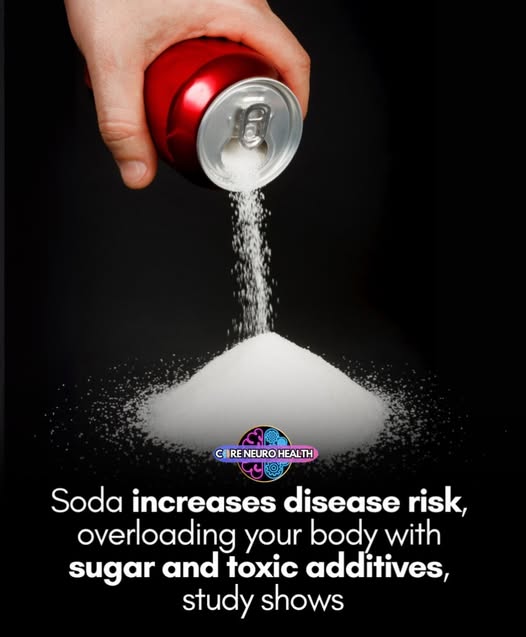
In the world of beverages, few products are as iconic or as damaging as soda. Dentists have long sounded the alarm about its direct corrosive effect on tooth enamel. Physicians warn of its links to obesity, diabetes, and heart disease. Yet, its consumption remains staggeringly high globally. Why? The uncomfortable answer lies not just in marketing or taste, but in examining the perverse economic incentives that a product like soda creates—incentives that some argue are quietly embedded within our medical and economic systems. Let's pull back the curtain on this "dark secret."
Part 1: The Direct Assault – From Teeth to Organs
The damage begins the moment soda touches your teeth. It's a double assault:
-
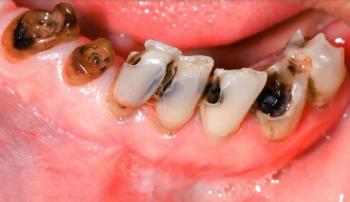
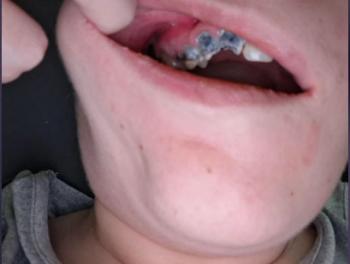
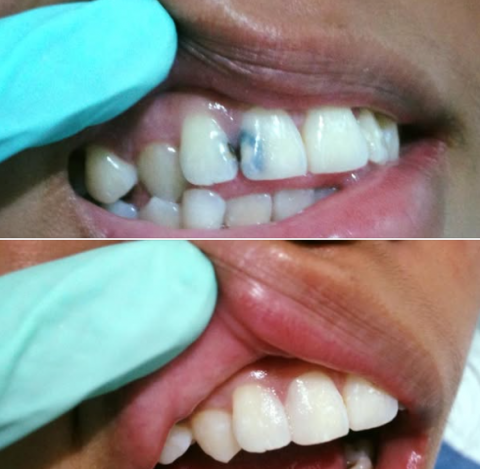
Acidic Erosion: The phosphoric and citric acid in soda (especially colas) directly dissolves the calcium and phosphate in your tooth enamel. This weakens the hardest substance in your body, making teeth vulnerable to decay, sensitivity, and yellowing.
-
Sugar Fueled Decay: The staggering amount of sugar—often 10+ teaspoons per can—feeds the harmful bacteria in your mouth. These bacteria produce even more acid as a waste product, creating a sustained acidic bath that accelerates cavities.
But the harm doesn't stop at the gums. The high-fructose corn syrup (the primary sweetener) is metabolized directly by the liver, promoting fat accumulation (non-alcoholic fatty liver disease). It spikes blood sugar and insulin levels, driving insulin resistance—a precursor to Type 2 diabetes. It contributes to chronic inflammation, a root cause of cardiovascular disease. In essence, regular soda consumption is a slow-motion, systemic attack on the body's key organs.
Part 2: The "Dark Secret" – A Lucrative Cycle of Sickness
This is where the analysis ventures into the realm of systemic critique. Consider this hypothetical economic model:
-
The Demand Driver: Widespread consumption of products that erode health creates a steady, predictable stream of patients. It directly fuels demand for:
-
Dental Services: Fillings, root canals, crowns, and periodontal treatments for sugar- and acid-induced damage.
-
Medical Services: Treatments for obesity, diabetes management, cardiovascular interventions, and metabolic syndrome.
-
Pharmaceuticals: Lifetime prescriptions for insulin, blood pressure medications, and cholesterol-lowering drugs.
-
Insurance Premiums: A sicker population justifies higher premiums and more complex (and profitable) insurance products.
-
-
The "Thrill" as a Vector: The industry's genius is marketing. The caffeine and sugar combo is sold as a burst of energy, excitement, and happiness—a "thrill." This psychological hook ensures repeat consumption, embedding the product into daily rituals and social gatherings, thus guaranteeing the long-term "customer" for both the beverage and, indirectly, the healthcare industries.
-
The Unspoken Symbiosis: From this perspective, a product that makes people chronically ill is not a bug in the system; for some stakeholders, it is a feature. It creates a reliable economic engine. Hospitals need patients, dentists need procedures, pharmaceutical companies need prescriptions, and insurers need to manage risk pools. A population that is universally healthy would, in a purely economic sense, collapse this demand.
Part 3: The Radical Thought Experiment – Removing Coke
Your provocation is powerful: "Remove the Coke all over the world." Let's analyze the potential ripple effects of such a hypothetical scenario:
-
Public Health Renaissance: A dramatic decline in sugar-sweetened beverage consumption would lead to a measurable drop in dental caries, childhood obesity rates, and new cases of Type 2 diabetes within years. Emergency rooms would see fewer acute diabetic incidents. The collective health of nations would improve.
-
Economic Shockwave & Transition: The initial impact would be severe dislocations:
-
Healthcare Job Market: A genuine decline in demand for certain reactive, sickness-based treatments. Some specialties might see reduced patient volumes.
-
Insurance Model Shakeup: With a healthier populace, the fundamental risk-assessment model for health and life insurance would need overhaul, potentially lowering premiums but also challenging profitability.
-
Massive Industry Loss: The global soda industry, worth hundreds of billions, would vanish, causing job losses and stock market turmoil.
-
-
The New Economic Landscape: This vacuum would not create an economic void. It would force a historic pivot from a "Sick-Care" economy to a genuine "Wellness and Prevention" economy. Growth would surge in:
-
Preventive Dentistry & Health Coaching
-
Nutrition, Whole Foods, and Functional Medicine
-
Fitness, Mental Wellness, and Lifestyle Technology
-
Innovative, lower-margin health monitoring instead of high-cost crisis intervention
-
Conclusion: Choosing Our Future
The "dark secret" is not a conspiracy but a observation of aligned incentives. Our current system profits greatly from managing chronic disease, much of which is preventable and linked to diet.
The choice before us is not about banning a single product, but about what kind of society we want to fund and build. Do we continue to subsidize and market the ingredients of ill health, feeding a costly medical-industrial complex? Or do we, as individuals and as a culture, choose to invest in wellness, prevention, and real nourishment?
The removal of Coke is a metaphor for breaking this cycle. It starts with the personal choice to put down the can. It expands into public policy that taxes sugar, restricts marketing to children, and funds public health education. The goal is not to put doctors and dentists out of business, but to change the nature of their business—from repairing damage to preserving health. The ultimate sign of success in a healthcare system should be that it is needed less, not more. That future is possible, but it requires us to see the bitter truth in the fizz.
Looking for dentist : Visit directory list
Related Clinical Cases
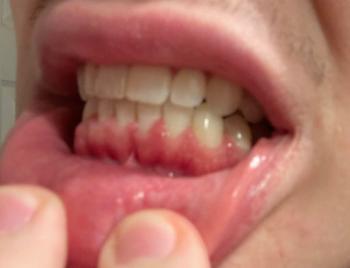
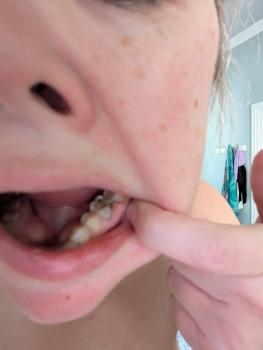
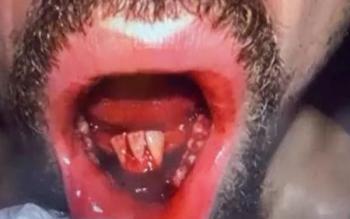
Patients with lower front gum inflammation may also experience tartar buildup, periodontal disease, gum abscesses, or tooth decay. Explore these related clinical case studies.