Because Every Tooth Deserves Care.

What Happens If the Blood Clot Falls Out After Tooth Extraction?
Language :
Topics:
A Practical, Experience-Based Guide from an Idaho Dental Bone Graft Expert (25+ Years)
If you’ve recently had a tooth removed, you’ve probably heard this warning:
“Don’t lose the blood clot.”
Patients often ask me what that really means—and what happens if it does fall out.
After more than 25 years placing implants and performing bone grafts across Idaho, I can tell you this clearly:
The blood clot is the foundation of your healing.
If it’s lost too early, your recovery can change significantly.
This guide explains what the clot does, what happens if it dislodges, how to recognize the signs, and what to do next.
Why the Blood Clot Is So Important
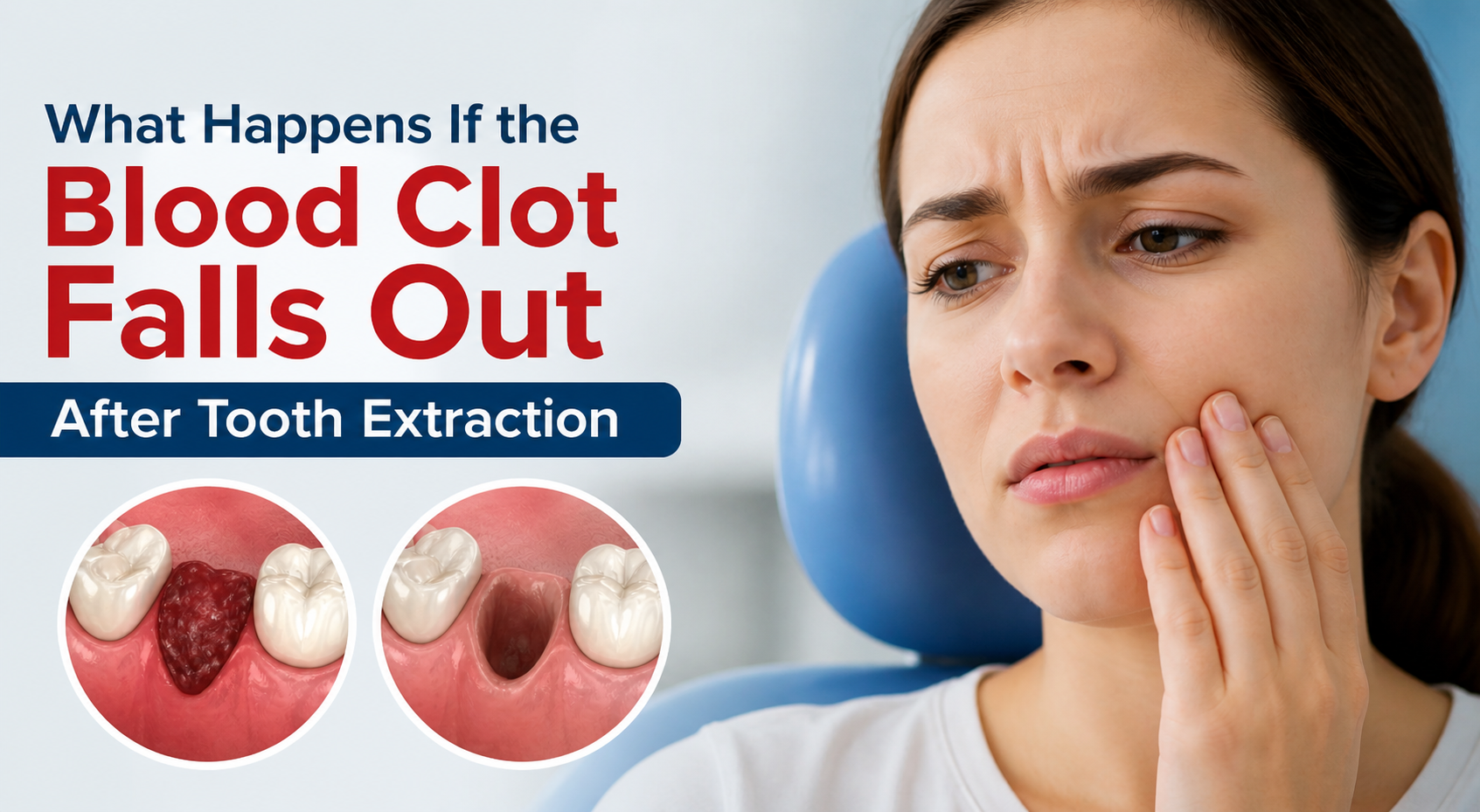
After a tooth extraction, your body immediately forms a blood clot in the empty socket.
That clot acts as:
- A protective barrier over bone and nerves
- A scaffold for new tissue growth
- The starting point for bone regeneration
Without it, healing becomes slower, more painful, and less predictable.
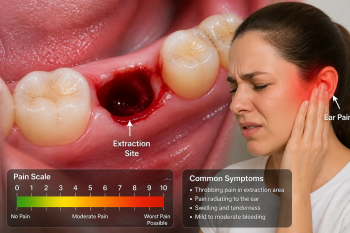
What Happens If the Blood Clot Falls Out?
When the clot is lost too early, the most common outcome is:
Dry socket (alveolar osteitis)
Step-by-Step: What Actually Happens
Step 1: The Socket Is Exposed
Without the clot:
- Bone and nerve endings are exposed
- The socket is vulnerable
Step 2: Pain Increases
Instead of improving, pain becomes:
- Sharp
- Throbbing
- Radiating to the ear or jaw
Step 3: Healing Slows Down
Normal healing is interrupted:
- Tissue regeneration is delayed
- Bone healing is affected
Step 4: Risk of Infection Increases
Without protection, bacteria can enter the socket more easily.
When Does Clot Loss Usually Happen?
Most cases occur within:
Day 1 to Day 3 after extraction
This is the critical period when the clot is fragile.
Common Causes of Clot Loss
After decades of clinical experience, these are the most frequent causes:
1. Using a Straw
Creates suction that pulls the clot out.
2. Smoking or Vaping
- Reduces blood flow
- Physically disrupts the clot
3. Spitting or Rinsing Forcefully
Dislodges the clot through pressure.
4. Eating Hard or Crunchy Foods
Can disturb the healing site.
5. Touching the Area
Tongue or fingers can disrupt the clot.
Signs That Your Blood Clot Is Gone
1. Severe Pain (Day 2–4)
Pain increases instead of improving.
2. Visible Bone
The socket looks empty or white instead of dark.
3. Bad Taste or Odor
Indicates exposed tissue and bacteria.
4. Pain Radiating to Ear or Jaw
Classic sign of dry socket.
Real Case from My Idaho Practice
Patient: Daniel, 50 years old
Situation:
- Molar extraction
- Initially normal recovery
Day 2:
- Used a straw
- Felt sudden discomfort
Day 3:
- Severe pain
- Radiating to ear
Diagnosis:
Dry socket due to clot loss
Treatment:
- Socket cleaning
- Medicated dressing
Outcome:
- Pain relief within 24 hours
- Full recovery in 10 days
Expert Insight
Daniel’s complication was avoidable with proper precautions.
What You Should Do If the Clot Falls Out
Step 1: Do NOT Panic
Dry socket is painful—but manageable.
Step 2: Contact Your Dentist Immediately
Early treatment reduces pain quickly.
Step 3: Avoid Further Irritation
- No smoking
- No straws
- Soft diet only
Step 4: Follow Professional Treatment
Do not attempt home remedies.
How Dentists Treat Clot Loss
Treatment focuses on:
1. Cleaning the Socket
Removing debris and bacteria.
2. Medicated Dressing
Provides pain relief and protection.
3. Pain Management
Medication to control discomfort.
4. Monitoring Healing
Follow-up visits ensure proper recovery.
How Long Does It Take to Heal After Clot Loss?
Pain Relief:
- 24–72 hours after treatment
Tissue Healing:
- 1–2 weeks
Bone Healing:
- Several months
Can the Clot Reform?
Not in the same way.
Instead:
- The body forms new tissue gradually
- Healing continues, but slower
Impact on Dental Implants
If you’re planning implants, clot loss matters.
It can:
- Delay implant placement
- Affect bone quality
- Increase need for bone grafting
Expert Advice
Healthy initial healing creates the best implant foundation.
How to Prevent Clot Loss
1. Protect the Area (First 3 Days)
- No suction
- No pressure
2. Avoid Smoking
At least 5–7 days.
3. Eat Soft Foods
Prevent mechanical disruption.
4. Maintain Gentle Hygiene
Keep the area clean without disturbing it.
5. Follow Instructions Exactly
Your dentist’s guidance is critical.
Common Myths About Clot Loss
Myth 1: It Will Fix Itself Quickly
Reality: Healing continues—but with more pain and delay.
Myth 2: Pain Is Normal
Reality: Severe worsening pain is not normal.
Myth 3: Home Remedies Are Enough
Reality: Professional care is often required.
When to Seek Immediate Help
Contact your dentist if you experience:
- Severe pain after Day 2
- Empty-looking socket
- Bad taste or smell
- Pain spreading to ear or jaw
FAQ: What Happens If Blood Clot Falls Out?
1. Is it dangerous if the clot falls out?
Not life-threatening, but very painful and delays healing.
2. Will I always get dry socket?
Most cases of clot loss lead to dry socket.
3. How fast does pain start?
Usually 1–3 days after extraction.
4. Can I treat it at home?
No—professional care is recommended.
5. Will it affect my implant?
It may delay or complicate implant planning.
6. How can I prevent it?
Avoid suction, smoking, and follow instructions carefully.
Related Topics
1. How to Prevent Dry Socket
Learn the most effective prevention strategies.
2. Dry Socket vs Normal Healing
Understand key differences and warning signs.
3. Tooth Extraction Healing Stages Day-by-Day
Follow the full recovery timeline.
Final Thoughts from an Idaho Bone Graft Expert
After 25 years in practice, I’ve seen one consistent pattern:
When the blood clot is protected, healing is smooth.
When it’s lost, recovery becomes harder.
The good news is that this complication is largely preventable.
If you remember just three things:
- Protect the clot
- Avoid suction and smoking
- Follow instructions carefully
You dramatically reduce your risk.
Healing after extraction is not complicated—but it is delicate.
Respect the process, and your body will do the rest.
Can tooth extraction cause infection? Mild inflammation is normal, but increasing swelling, fever, or severe pain may indicate infection. Learn more about post-extraction infection warning signs in this detailed guide.
Book a consultation with our Cebu dental specialists for proper evaluation and care.
Ready to get expert guidance?
If you’re experiencing severe pain or delayed healing, book a consultation with our Cebu dental specialists to get proper evaluation and care.
Consultation or contact page .
Book a Consultation
For severe discomfort or delayed healing, book a consultation with our Cebu dental specialists today.
Looking for a dentist? Browse our Cebu dental directory to find trusted clinics near you.
Medical Review and Clinical Basis
This article is based on clinical dental guidelines and real patient recovery patterns observed after tooth extraction procedures. The information reflects common post-extraction healing stages, including normal clot formation, gum tissue repair, and signs of possible complications such as dry socket or infection.
While mild discomfort is expected after a dental extraction, worsening pain after Day 3, bad odor, exposed bone, or spreading pain may require professional evaluation. These symptoms are consistent with known post-extraction complications described in standard dental practice.
About Cebu Dental Implants
Cebu Dental Implants provides comprehensive tooth extraction, surgical procedures, and dental implant services in the Philippines. Our team evaluates post-extraction healing, manages complications such as dry socket, and advises patients on proper aftercare to prevent infection and delayed healing.
If you experience severe pain or unusual symptoms after extraction, early professional assessment is recommended to prevent further complications.
Important Medical Disclaimer
This content is for educational purposes only and does not replace professional dental diagnosis. Every patient heals differently. If symptoms worsen or do not improve within a few days, consult a licensed dentist for proper evaluation and treatment.
Author
This article was prepared by the Cebu Dental Implants content team in consultation with licensed dental professionals experienced in tooth extraction and implant procedures.
Related Clinical Cases
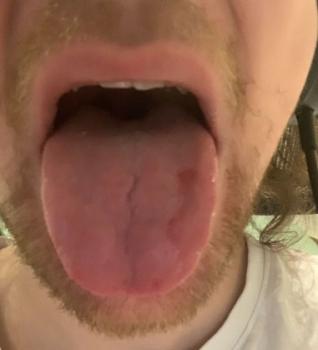
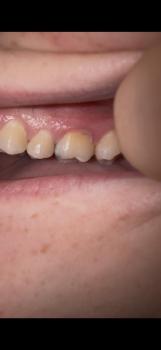
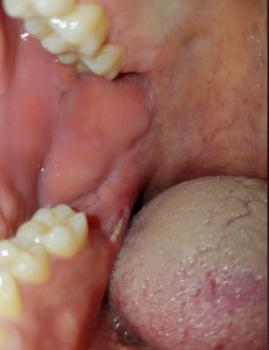
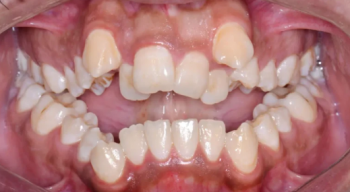
Patients with lower front gum inflammation may also experience tartar buildup, periodontal disease, gum abscesses, or tooth decay. Explore these related clinical case studies.

Other topics:
Other Dental Clinic