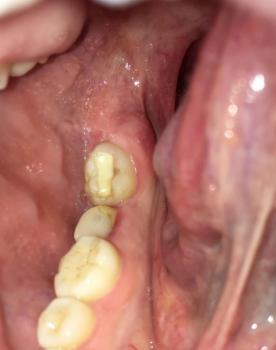
Missing Molar

I Thought It Was Okay Not to Replace My Missing Tooth - Now I Regret It Every Day
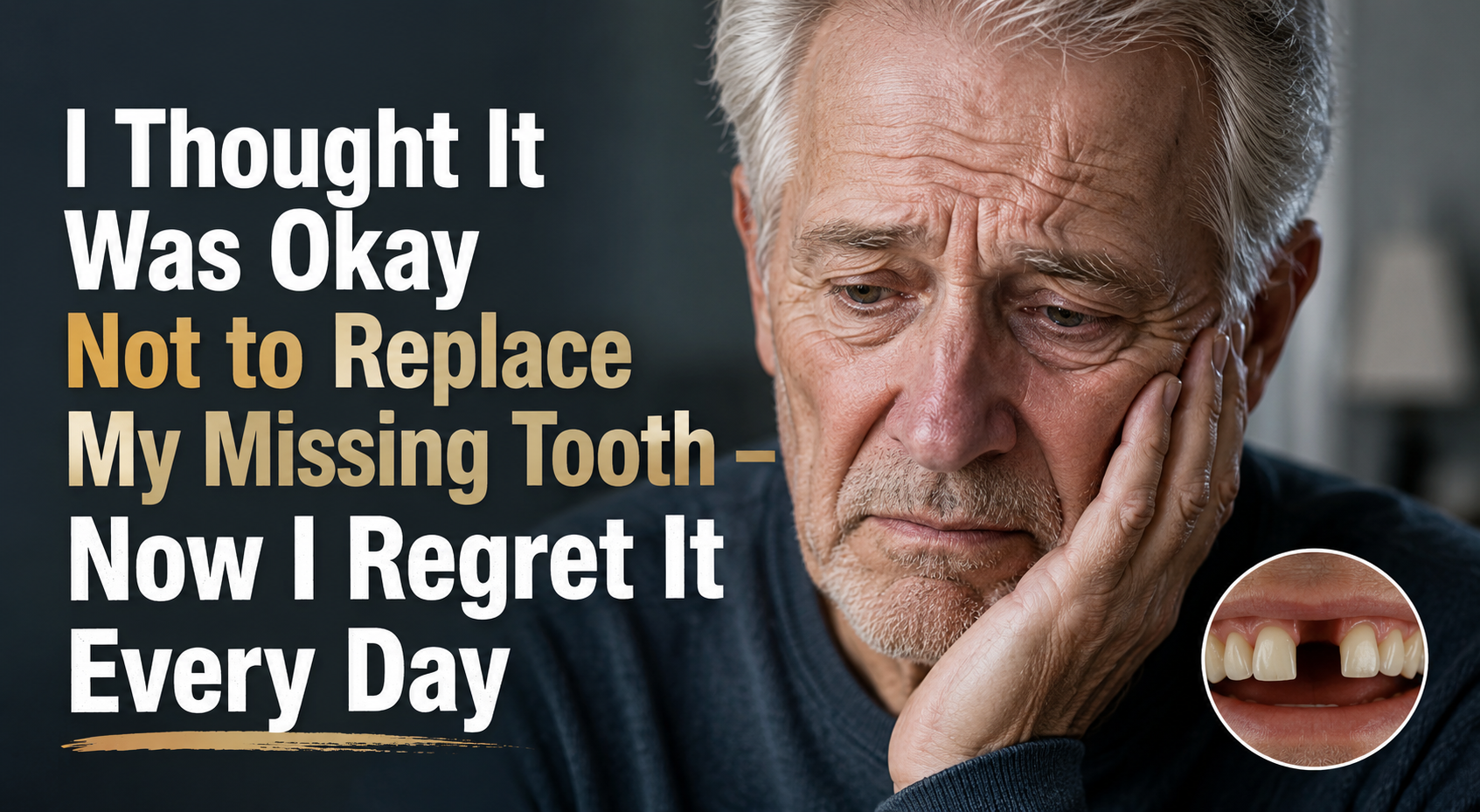
How Saving Money Today Cost Me More Than I Ever Expected

"The dentist told me I should replace the tooth as soon as possible. I nodded, smiled politely, and left the clinic thinking, 'I'll do it later when I have more money.'

Years passed.

Now I wish I had listened."

If you're reading this because you've recently lost a tooth—or you're living with a missing tooth you've ignored for months or even years—my story may sound familiar.
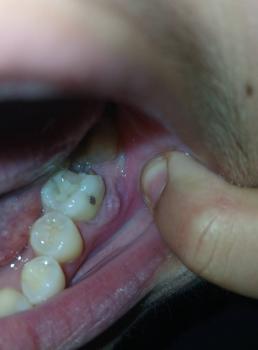
Multiple Decayed Lower Molars With Abscess Risk

Severity: 

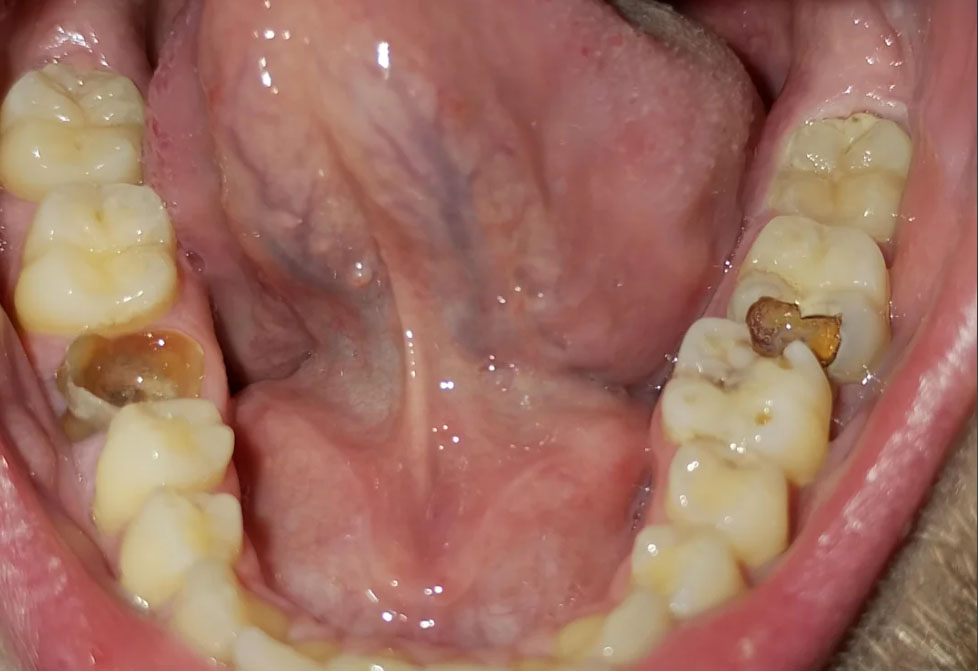
Multiple Decayed Lower Molars: Dental Abscess Risks, Warning Signs, and Treatment

Quick Answer

Multiple decayed lower molars can increase the risk of deep tooth infection, dental abscesses, gum swelling, and tooth loss. When decay reaches the dental pulp, bacteria can spread through the root into surrounding tissues. Prompt dental examination, appropriate X-rays, and definitive treatment can help control infection and preserve teeth when possible.

Gum Abscess Between Back Teeth Case Analysis

Severity: 
Teeth Problems: 

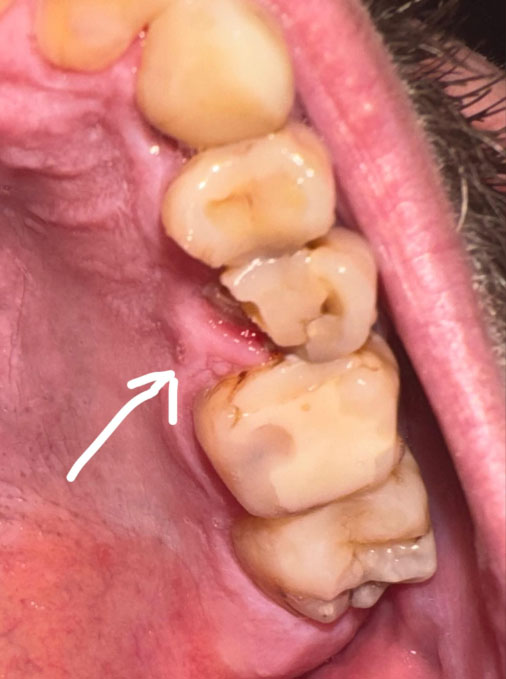
Gum Abscess Between Back Teeth and the Warning Signs of Gum Recession

Why an Abscess Between Molars Needs Professional Attention

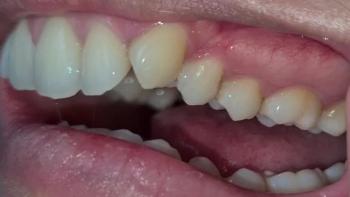
A gum abscess between the back teeth is a localized collection of pus caused by infection. It may develop when bacteria accumulate in a periodontal pocket, food debris becomes trapped between molars, or an existing gum or tooth problem allows infection to develop.

Missing Lower Molar With Braces Case Analysis

Severity: 

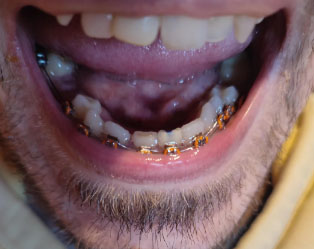
Missing Lower Molar With Braces: Expert Guidance on Space Closure, Dental Implants, and Long-Term Bite Health

Expert Dentist Commentary: Why a Missing Lower Molar Needs Careful Orthodontic Planning

A missing lower molar can affect more than the appearance of a smile. Molars play an important role in chewing and maintaining a stable bite. When one is missing during orthodontic treatment, the orthodontist must consider how the surrounding teeth, opposing teeth, gums, and jawbone may respond over time.

Pages