Building Confidence One Smile at a Time.

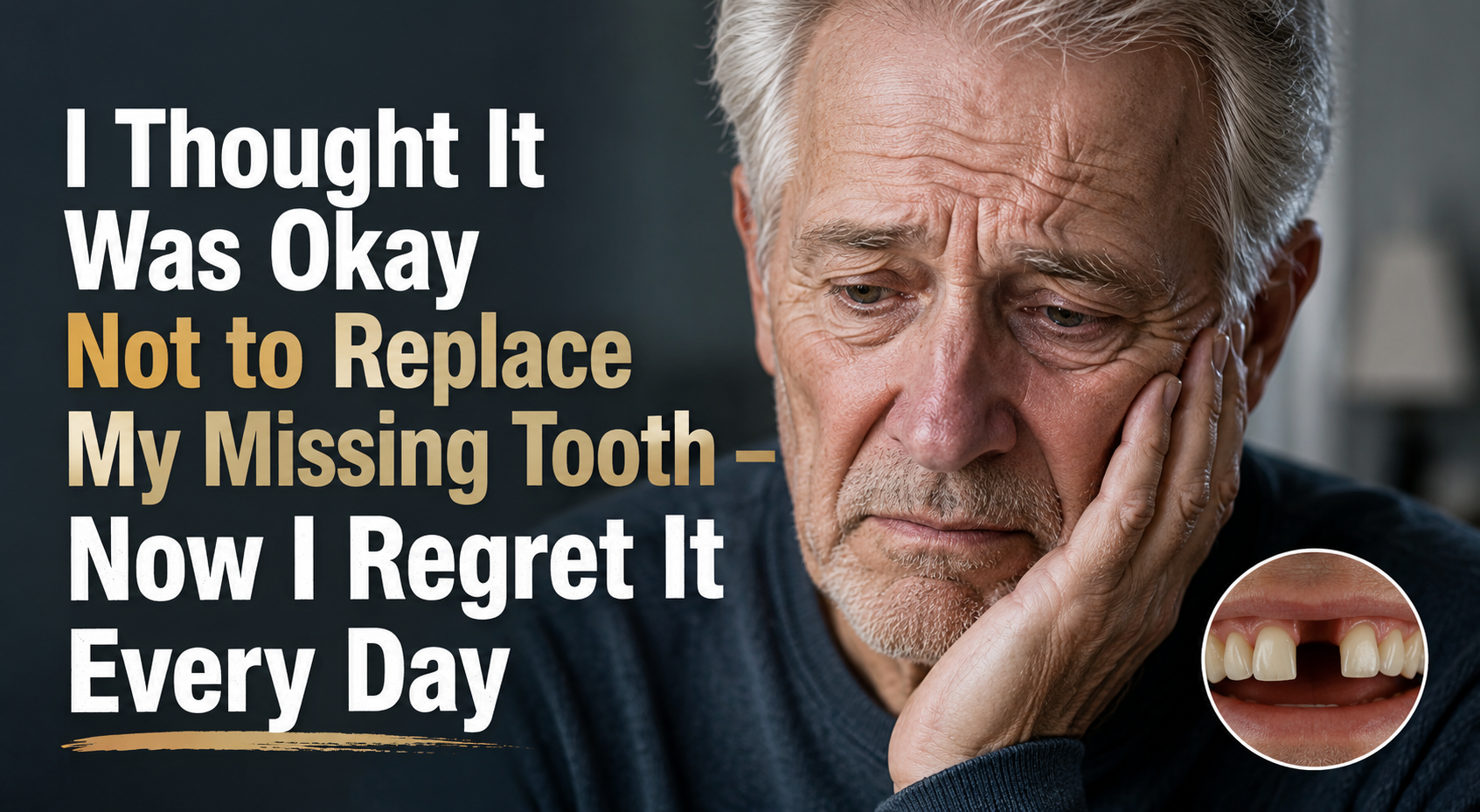
I Thought It Was Okay Not to Replace My Missing Tooth - Now I Regret It Every Day
Language :
Topics:
How Saving Money Today Cost Me More Than I Ever Expected
"The dentist told me I should replace the tooth as soon as possible. I nodded, smiled politely, and left the clinic thinking, 'I'll do it later when I have more money.'
Years passed.
Now I wish I had listened."
If you're reading this because you've recently lost a tooth—or you're living with a missing tooth you've ignored for months or even years—my story may sound familiar.
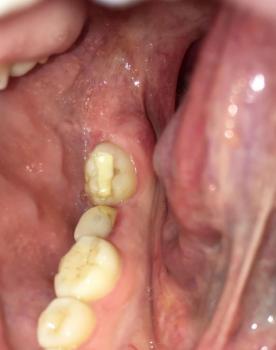
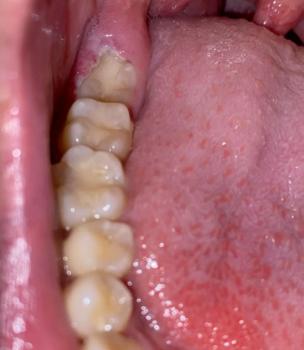
When I lost my molar, I honestly thought it wasn't a big deal. After all, it was only one tooth. It wasn't visible when I smiled. I could still eat. The extraction site healed nicely, and the pain disappeared.
Life moved on.
What I didn't realize was that the consequences were quietly developing beneath the surface.
Little by little.
Year after year.
And by the time I noticed something was wrong, the problem had become much larger—and much more expensive—than replacing the tooth in the first place.
This is the story of what happened, what my dentist later explained to me, and why replacing a missing tooth is often one of the most important investments you can make for your long-term oral health.
The Day I Lost My Tooth
Like many people, I didn't lose my tooth in an accident.
Years of dental problems had finally caught up with me.
The tooth had a large filling. Then it cracked. Then it became infected.
My dentist tried to save it, but eventually the damage was too severe.
Extraction was the only option.
I remember feeling relieved after the procedure.
The toothache was gone.
The infection was gone.
The swelling disappeared.
Within a few weeks, everything seemed normal again.
The extraction site healed.
I could chew reasonably well.
I told myself:
"I'm fine."
"I don't need an implant."
"I'll save the money."
That decision would eventually cost me much more.
Why Many People Delay Replacing a Missing Tooth
If you've postponed treatment, you're not alone.
Many patients delay replacement because:
- Dental implants can seem expensive.
- The missing tooth isn't visible.
- There is no pain.
- Life gets busy.
- Other financial priorities come first.
- They assume one missing tooth won't matter.
These reasons are understandable.
The problem is that teeth are not independent structures.
Every tooth supports the others.
Think of them like books standing upright on a shelf.
Remove one book.
The neighboring books begin to lean.
Remove support long enough, and the entire arrangement changes.
That's exactly what happened in my mouth.
Year One: Everything Seemed Fine
The first year after extraction was uneventful.
No pain.
No major issues.
No visible changes.
This is where many patients develop a false sense of security.
Because the healing process feels complete, it is easy to assume the problem is solved.
In reality, healing from an extraction and restoring a missing tooth are two different things.
The extraction site may heal perfectly.
But the absence of the tooth remains.
My dentist later explained that changes often begin long before patients can see or feel them.
Year Two: Small Changes Begin
Around the second year, I noticed food getting trapped more frequently.
I found myself chewing more on one side.
Sometimes my bite felt slightly different.
Not painful.
Just different.
I ignored it.
Many patients do.
Because the changes happen slowly, they are easy to dismiss.
The human brain adapts remarkably well.
You become accustomed to changes occurring little by little.
Until one day you realize things are no longer normal.
Year Three: My Teeth Started Moving
This was the first major warning sign.
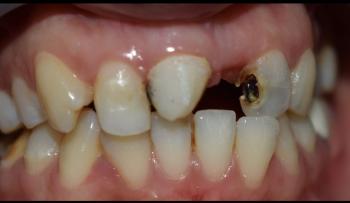
I began noticing tiny gaps where there had never been gaps before.
One of my neighboring teeth appeared slightly tilted.
I thought I was imagining it.
During a routine dental visit, my dentist compared new x-rays with older records.
The difference was obvious.
The teeth surrounding the missing space had started drifting.
His explanation surprised me.
Teeth naturally seek contact with neighboring teeth.
When a tooth disappears, the surrounding teeth often begin shifting toward the empty space.
It doesn't happen overnight.
But it happens.
And once movement begins, alignment can gradually worsen.
The Hidden Problem Happening Below the Gumline
One of the biggest surprises was learning that changes were occurring where I couldn't see them.
The jawbone that once supported the missing tooth no longer received the same stimulation.
Natural tooth roots help maintain bone structure.
Without that stimulation, the body may gradually begin remodeling the area.
Most people never notice these changes until years later when treatment becomes more complicated.
My dentist explained:
"The earlier a missing tooth is replaced, the easier it often is to preserve the original anatomy."
That conversation was the first moment I began regretting my decision.
Chewing Became More Difficult
As time passed, chewing became less balanced.
I subconsciously favored one side of my mouth.
Many patients do this without realizing it.
The problem is that uneven chewing can create additional stress elsewhere.
Some people notice:
- Jaw fatigue
- Muscle tension
- Bite changes
- Difficulty chewing certain foods
- Increased wear on remaining teeth
I found myself avoiding harder foods.
Not because I couldn't eat them.
Because eating them felt awkward.
The difference was subtle at first.
Then it became routine.
The Tooth Above Started Moving Too
One thing I never expected was that the opposing tooth would also be affected.
When upper and lower teeth meet during chewing, they help maintain each other's position.
Without a corresponding tooth below, the tooth above may gradually move.
My dentist showed me x-rays and pointed out changes occurring in the opposing tooth.
Again, this wasn't dramatic.
It was gradual.
But the longer the missing tooth remained unreplaced, the greater the potential for these changes to continue.
Why the Absence of Pain Can Be Misleading
One of the biggest mistakes patients make is assuming:
"No pain means no problem."
I made that mistake.
Many dental conditions progress silently.
Alignment changes don't always hurt.
Bone changes don't always hurt.
Bite problems often develop slowly.
By the time symptoms become obvious, significant changes may already have occurred.
This is why dentists emphasize preventive care.
Preventing a problem is almost always easier than correcting one later.
The Emotional Side Nobody Talks About
Most articles focus on clinical consequences.
But there is also an emotional side.
I began feeling frustrated with myself.
Every dental visit reminded me of the recommendation I had ignored.
Every discussion about treatment became more complicated.
I found myself thinking:
"If only I had done it earlier."
That feeling is common among patients who delay treatment.
The regret isn't just about money.
It's about knowing that a simpler solution was available years ago.
What My Dentist Told Me
During one appointment, I finally asked:
"Was it really that important to replace the tooth?"
His answer was simple.
He said the goal wasn't just replacing a tooth.
The goal was preserving:
- Function
- Alignment
- Bone support
- Bite stability
- Long-term oral health
A missing tooth affects more than appearance.
It affects how the entire system works together.
That explanation changed my perspective completely.
The Cost of Waiting
Ironically, the reason I delayed treatment was to save money.
But waiting often creates additional challenges.
As conditions change over time, treatment can become more complex.
Additional procedures may become necessary.
More appointments may be required.
Planning may become more involved.
Every patient is different, but one lesson became clear:
Delaying treatment doesn't always reduce costs.
Sometimes it increases them.
Common Patient Mistakes After Losing a Tooth
After speaking with dentists and other patients, I realized many people make similar mistakes.
Mistake #1: Assuming It Isn't Important Because It Can't Be Seen
Back teeth are often out of sight.
But they still play a critical role in chewing and maintaining bite stability.
Mistake #2: Waiting Until Something Hurts
By the time discomfort develops, changes may already be significant.
Mistake #3: Thinking One Tooth Doesn't Matter
Every tooth contributes to the overall system.
Removing one affects the balance of the others.
Mistake #4: Avoiding Follow-Up Visits
Professional monitoring helps identify problems before they become severe.
Mistake #5: Choosing Short-Term Savings Over Long-Term Planning
Many patients later discover that delaying treatment was not the financial advantage they expected.
Why Professional Assessment Matters
No two patients are alike.
The consequences of a missing tooth vary depending on:
- Location of the tooth
- Age of the patient
- Overall oral health
- Bite relationship
- Existing dental conditions
- Bone levels
This is why professional assessment is essential.
Only a licensed dentist can evaluate your specific situation and recommend the most appropriate treatment plan.
Modern Tooth Replacement Options
Today, patients have several options for replacing missing teeth.
These may include:
Dental Implants
Dental implants are designed to replace both the tooth root and crown, helping restore function and appearance.
Dental Bridges
A bridge can replace a missing tooth by using neighboring teeth for support.
Partial Dentures
Removable options may be appropriate for some patients depending on their circumstances.
Each solution has advantages and limitations.
Your dentist can help determine which option best fits your needs.
The Lesson I Learned
Looking back, I understand why my dentist recommended replacement immediately after healing.
It wasn't a sales pitch.
It wasn't pressure.
It was preventive care.
Dentists see the long-term consequences every day.
They see the patients who acted early.
And they see the patients who waited.
I became one of the patients who waited.
If I could go back in time, I would make a different decision.
What I Would Tell Anyone Missing a Tooth Today
If you've recently had a tooth extracted and you're wondering whether replacement can wait, consider scheduling a consultation and asking questions now.
You don't necessarily need treatment tomorrow.
But you should understand your options.
You should know the potential consequences.
And you should have a plan.
Because what feels like a small gap today may become a much larger problem years from now.
Final Thoughts
Losing a tooth is not just the end of a dental problem.
It's the beginning of an important decision.
Many patients assume that once the extraction site heals, the story is over.
In reality, that's often when the next chapter begins.
Maintaining your natural dentition, preserving function, and protecting long-term oral health require proactive care and professional guidance.
If you are living with a missing tooth, don't rely on guesswork.
Schedule an evaluation with a qualified dentist.
Discuss your options.
Ask questions.
Understand the long-term implications.
The consultation you have today may help you avoid years of complications, frustration, and regret in the future.
And if you're anything like me, you'll wish you had listened sooner.
Can tooth extraction cause infection? Mild inflammation is normal, but increasing swelling, fever, or severe pain may indicate infection. Learn more about post-extraction infection warning signs in this detailed guide.
Book a consultation with our Cebu dental specialists for proper evaluation and care.
Ready to get expert guidance?
If you’re experiencing severe pain or delayed healing, book a consultation with our Cebu dental specialists to get proper evaluation and care.
Consultation or contact page .
Book a Consultation
For severe discomfort or delayed healing, book a consultation with our Cebu dental specialists today.
Looking for a dentist? Browse our Cebu dental directory to find trusted clinics near you.
Medical Review and Clinical Basis
This article is based on clinical dental guidelines and real patient recovery patterns observed after tooth extraction procedures. The information reflects common post-extraction healing stages, including normal clot formation, gum tissue repair, and signs of possible complications such as dry socket or infection.
While mild discomfort is expected after a dental extraction, worsening pain after Day 3, bad odor, exposed bone, or spreading pain may require professional evaluation. These symptoms are consistent with known post-extraction complications described in standard dental practice.
About Cebu Dental Implants
Cebu Dental Implants provides comprehensive tooth extraction, surgical procedures, and dental implant services in the Philippines. Our team evaluates post-extraction healing, manages complications such as dry socket, and advises patients on proper aftercare to prevent infection and delayed healing.
If you experience severe pain or unusual symptoms after extraction, early professional assessment is recommended to prevent further complications.
Important Medical Disclaimer
This content is for educational purposes only and does not replace professional dental diagnosis. Every patient heals differently. If symptoms worsen or do not improve within a few days, consult a licensed dentist for proper evaluation and treatment.
Author
This article was prepared by the Cebu Dental Implants content team in consultation with licensed dental professionals experienced in tooth extraction and implant procedures.
Related Clinical Cases
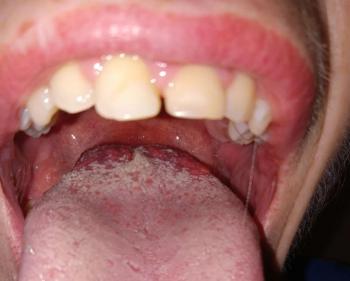
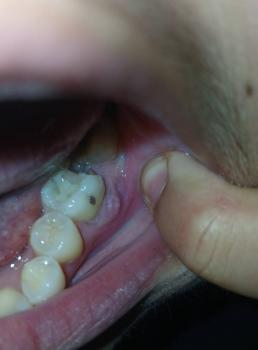
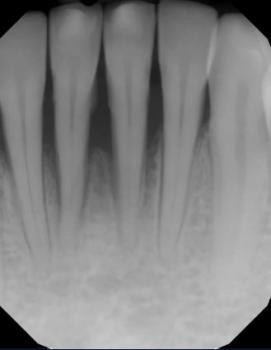
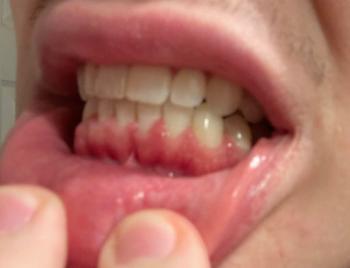
Patients with lower front gum inflammation may also experience tartar buildup, periodontal disease, gum abscesses, or tooth decay. Explore these related clinical case studies.

Other topics:
Other Dental Clinic