Where Bright Smiles Begin.

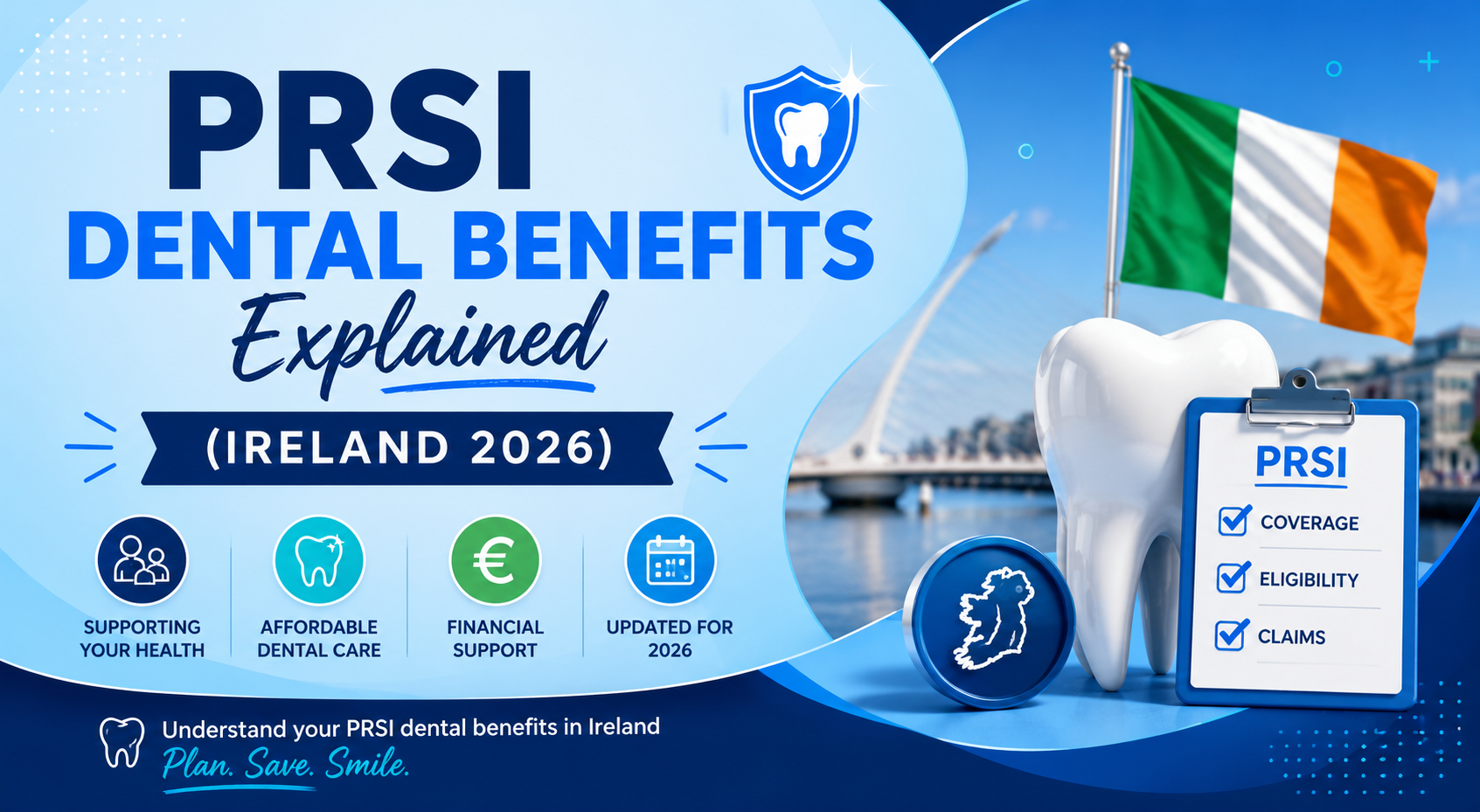
PRSI Dental Benefits Explained (Ireland 2026)
Language :
nderstanding PRSI Dental Coverage in Ireland
Many people in Ireland hear about PRSI dental benefits but remain confused about what is actually covered, who qualifies, and how much financial help is available. Patients often assume PRSI will fully pay for major dental treatment, only to discover that coverage is far more limited than expected.
As a dental expert familiar with both Irish and international dental insurance systems, I can say that PRSI dental benefits can absolutely help reduce basic dental costs — especially preventive care — but they are not designed to fully cover expensive restorative procedures like implants, cosmetic dentistry, or full-mouth rehabilitation.
In 2026, rising dental costs continue pushing Irish patients to ask important questions such as:
- What exactly does PRSI cover?
- How often can I claim benefits?
- Are cleanings included?
- Does PRSI pay for crowns or implants?
- Can PRSI help with emergency dental care?
- Why do I still pay out-of-pocket?
This guide explains how PRSI dental benefits work in Ireland, who qualifies, what procedures are covered, common misunderstandings, and how patients can maximize their benefits.
What Is PRSI?
PRSI stands for Pay Related Social Insurance.
In Ireland, workers who make qualifying PRSI contributions may receive access to certain social welfare benefits, including limited dental treatment support through the Treatment Benefit Scheme.
The dental portion of this program helps eligible individuals reduce costs for basic preventive care.
What Is the Treatment Benefit Scheme?
The Treatment Benefit Scheme is managed by Ireland’s Department of Social Protection.
It provides partial financial support for certain dental, optical, and hearing services.
For dental care, the scheme primarily focuses on:
- Oral examinations
- Scale and polish cleaning
Historically, benefits have changed over time depending on government funding and healthcare policy updates.
Who Qualifies for PRSI Dental Benefits?
Eligibility depends mainly on:
- PRSI contribution history
- Employment status
- Age
- Social insurance class
Most employed workers making sufficient PRSI contributions may qualify.
Certain self-employed individuals may also become eligible depending on contribution levels.
How Dentists Verify PRSI Eligibility
Participating dentists can usually check eligibility electronically using:
- PPS number
- Date of birth
Patients should always confirm eligibility before treatment because coverage status may change.
What Dental Services Are Covered in 2026?
As of 2026, PRSI dental benefits generally focus on preventive care rather than complex restorative treatment.
Common Covered Services
| Service | Typical Coverage |
|---|---|
| Oral examination | Covered periodically |
| Scale and polish cleaning | Partial or full support |
| Periodontal cleaning contribution | Possible partial benefit |
Coverage frequency rules apply.
How Often Can Patients Claim a Dental Exam?
PRSI typically covers one dental examination within a set period.
The exact timing may vary depending on government policy updates.
Patients should confirm eligibility directly with participating dental clinics.
Is Teeth Cleaning Covered?
Yes, scale and polish cleaning is one of the most commonly used PRSI dental benefits.
However:
- Frequency limitations apply
- Additional gum treatment may involve extra charges
- Deep periodontal cleaning may not be fully covered
Does PRSI Cover Dental Implants?
This is one of the most common misconceptions.
Short Answer
No — PRSI generally does not cover dental implants.
Implants are considered advanced restorative procedures and remain largely private-pay treatment in Ireland.
Patients requiring implants usually pay out-of-pocket or use:
- Private dental insurance
- Payment plans
- Financing options
- Overseas dental tourism
Are Crowns Covered by PRSI?
Generally, standard PRSI dental benefits do not fully cover crowns.
Some medically necessary situations may involve separate healthcare pathways, but routine crown treatment is usually private-pay.
Patients are often surprised by this because crowns are considered essential restorative treatment.
What About Dentures?
Traditional dentures may receive limited support through certain public healthcare pathways, but PRSI itself does not fully fund full denture treatment for most working adults.
Coverage depends on:
- Eligibility category
- Medical card status
- Government programs
- Individual circumstances
Does PRSI Cover Root Canal Treatment?
In most routine situations, root canal treatment is not fully covered under standard PRSI dental benefits.
Patients generally pay privately for:
- Endodontic treatment
- Specialist root canals
- Molar root canals
Cosmetic Dentistry and PRSI
Cosmetic procedures are not covered.
Examples include:
- Teeth whitening
- Veneers
- Smile makeovers
- Cosmetic bonding
These treatments remain entirely private-pay.
Why PRSI Dental Benefits Are Limited
The PRSI Treatment Benefit Scheme was designed primarily to support preventive care rather than full dental rehabilitation.
The goal is to encourage:
- Regular checkups
- Early disease detection
- Preventive hygiene
- Better oral health maintenance
rather than funding high-cost complex procedures.
Why Preventive Care Matters
Regular preventive visits help reduce long-term dental costs.
Early detection may prevent:
- Tooth decay progression
- Gum disease
- Tooth loss
- Expensive emergency treatment
This is why many public dental systems prioritize preventive services first.
What Is Not Covered Under PRSI?
Patients are often surprised by the number of exclusions.
Common Exclusions
- Dental implants
- Veneers
- Orthodontics
- Crowns
- Bridges
- Most root canal treatment
- Cosmetic dentistry
- Full-mouth rehabilitation
Major restorative dentistry usually requires private payment.
Why Irish Dental Costs Continue Rising
Even with PRSI support, Irish dental treatment can still be expensive.
Several factors contribute:
- Staff wages
- Laboratory costz
- Technology investment
- Infection-control standards
- Professional insurance
- Rising operating costs
Modern dentistry involves significant overhead expenses.
Why More Irish Patients Explore Treatment Abroad
Because PRSI benefits remain limited for advanced procedures, some Irish patients compare overseas treatment options for:
- Dental implants
- Full-mouth rehabilitation
- Cosmetic dentistry
- All-on-4 treatment
Countries commonly considered include:
- Hungary
- Turkey
- Spain
- Thailand
- Philippines
However, treatment abroad requires careful research.
Can PRSI Be Used Outside Ireland?
Generally, PRSI dental benefits apply only through approved participating providers within Ireland.
Patients typically cannot use PRSI directly in overseas dental clinics.
This is different from some private dental insurance plans that may reimburse international treatment.
The Difference Between PRSI and Private Dental Insurance
Many patients confuse PRSI with private dental insurance.
PRSI
- Government-supported
- Preventive-focused
- Limited coverage
- Basic benefits
Private Dental Insurance
- Separate private policies
- Broader treatment options
- Implant support possible
- Annual maximums apply
Some patients combine both systems.
Medical Cards vs PRSI Dental Benefits
Medical card holders may access additional dental support through public healthcare services.
This is separate from PRSI.
Eligibility for medical cards depends on:
- Income
- Age
- Health conditions
- Financial circumstances
Coverage may still involve waiting lists and limitations.
How to Maximize PRSI Dental Benefits
Patients can maximize value by:
- Attending regular exams
- Using preventive cleanings
- Catching problems early
- Maintaining excellent oral hygiene
- Avoiding delayed treatment
Preventive dentistry remains the most cost-effective approach.
Why Delaying Dental Care Becomes Expensive
Many patients avoid dental visits because of financial concerns.
Unfortunately, untreated problems often become larger and more expensive later.
A small cavity may eventually require:
- Root canal treatment
- Crown
- Extraction
- Implant replacement
Early treatment almost always costs less.
Emergency Dental Treatment and PRSI
PRSI may help support preventive assessment, but emergency treatment itself often still involves private fees.
Examples include:
- Severe pain
- Broken teeth
- Infections
- Dental trauma
Emergency care pricing depends on complexity and clinic fees.
Why Implant Dentistry Is Rarely Publicly Covered
Dental implants are considered advanced elective restorative treatment in many healthcare systems worldwide.
Although implants improve:
- Quality of life
- Function
- Jawbone preservation
they remain expensive because of:
- Surgical complexity
- Implant materials
- Laboratory costs
- Advanced technology
This is why public systems usually prioritize basic care first.
The Importance of Choosing a Good Dentist
Regardless of insurance coverage, quality dentistry matters greatly.
Patients should look for:
- Experience
- Modern technology
- Clear communication
- Preventive focus
- Transparent pricing
Cheaper treatment is not always better treatment.
Questions Patients Should Ask Their Dentist
Before treatment, patients should ask:
- What does PRSI cover for me?
- Are there additional costs?
- Is private treatment required?
- Are payment plans available?
- How often can I claim benefits?
Clear communication prevents misunderstandings later.
Common Misunderstandings About PRSI Dental Benefits
“PRSI covers all dental work.”
False.
Coverage is limited mainly to preventive caree.
“Implants are included.”
False.
Implants are generally private-pay.
“Cleanings are unlimited.”
False.
Frequency restrictions apply.
“PRSI works like full dental insurance.”
False.
PRSI is much more limited than comprehensive private insurance.
The Future of Dental Coverage in Ireland
As dental costs continue rising, discussions about expanding public dental benefits continue in Ireland.
However, major restorative procedures remain financially challenging for most public systems worldwide.
Preventive care will likely remain the main focus of PRSI support.
Final Thoughts on PRSI Dental Benefits in Ireland
PRSI dental benefits provide valuable support for preventive dental care in Ireland, especially for regular examinations and hygiene maintenance.
However, patients should understand that PRSI is not comprehensive dental insurance.
Advanced treatment such as:
- Dental implants
- Crowns
- Veneers
- Orthodontics
- Full-mouth reconstruction
usually remains privately funded.
The best long-term strategy involves:
- Using preventive benefits regularly
- Maintaining strong oral hygiene
- Treating problems early
- Understanding financial responsibilities before treatment begins
Good preventive care remains one of the smartest ways to avoid expensive dental problems later in life.
FAQ – PRSI Dental Benefits Explained (Ireland 2026)
What does PRSI cover for dental treatment?
PRSI mainly supports preventive care such as dental exams and scale-and-polish cleanings.
Does PRSI cover dental implants?
No. Dental implants are generally not covered under PRSI dental benefits.
Can I use PRSI outside Ireland?
No. PRSI benefits are normally limited to approved participating providers within Ireland.
Is teeth cleaning included?
Yes. Scale and polish cleaning is commonly included, although frequency limits apply.
Is PRSI the same as private dental insurance?
No. PRSI is a government-supported preventive scheme, while private dental insurance may offer broader restorative coverage.
Related Topics
1. Dental Implants Cost Ireland vs Philippines
Many Irish patients compare overseas implant pricing because PRSI does not cover advanced implant treatment.
2. Private Dental Insurance Options in Ireland
Private insurance plans may provide partial reimbursement for crowns, implants, and specialist treatment.
3. Preventive Dentistry and Long-Term Oral Health
Regular cleanings, early diagnosis, and preventive maintenance remain the best strategies for reducing future dental costs.
Can tooth extraction cause infection? Mild inflammation is normal, but increasing swelling, fever, or severe pain may indicate infection. Learn more about post-extraction infection warning signs in this detailed guide.
Book a consultation with our Cebu dental specialists for proper evaluation and care.
Ready to get expert guidance?
If you’re experiencing severe pain or delayed healing, book a consultation with our Cebu dental specialists to get proper evaluation and care.
Consultation or contact page .
Book a Consultation
For severe discomfort or delayed healing, book a consultation with our Cebu dental specialists today.
Looking for a dentist? Browse our Cebu dental directory to find trusted clinics near you.
Medical Review and Clinical Basis
This article is based on clinical dental guidelines and real patient recovery patterns observed after tooth extraction procedures. The information reflects common post-extraction healing stages, including normal clot formation, gum tissue repair, and signs of possible complications such as dry socket or infection.
While mild discomfort is expected after a dental extraction, worsening pain after Day 3, bad odor, exposed bone, or spreading pain may require professional evaluation. These symptoms are consistent with known post-extraction complications described in standard dental practice.
About Cebu Dental Implants
Cebu Dental Implants provides comprehensive tooth extraction, surgical procedures, and dental implant services in the Philippines. Our team evaluates post-extraction healing, manages complications such as dry socket, and advises patients on proper aftercare to prevent infection and delayed healing.
If you experience severe pain or unusual symptoms after extraction, early professional assessment is recommended to prevent further complications.
Important Medical Disclaimer
This content is for educational purposes only and does not replace professional dental diagnosis. Every patient heals differently. If symptoms worsen or do not improve within a few days, consult a licensed dentist for proper evaluation and treatment.
Author
This article was prepared by the Cebu Dental Implants content team in consultation with licensed dental professionals experienced in tooth extraction and implant procedures.
Related Clinical Cases
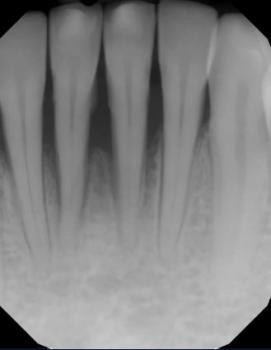
Patients with lower front gum inflammation may also experience tartar buildup, periodontal disease, gum abscesses, or tooth decay. Explore these related clinical case studies.