Missing Teeth? Find Your Smile Again.

What Is a Bone Graft? (And Why You Might Not Qualify)
Language :
Topics:
If you’ve recently lost a tooth or are considering dental implants, you’ve likely heard the term "bone graft." But what exactly does it mean?
Simply put, a bone graft is a procedure where a dentist or oral surgeon places bone material (either synthetic, donated, or taken from your own body) into a missing tooth socket or a weak spot in your jaw. The goal is to regenerate and restore lost bone structure, creating a solid foundation for future teeth.
However, here is the critical truth: Not all clients are qualified for a bone graft right away. Your body’s ability to heal and accept that new bone material depends heavily on your overall health.
Why Some Patients Are Not Candidates
Dental professionals look for specific risk factors before proceeding. The biggest red flag? Smoking.
-
The Smoking & Strength Connection: Nicotine is a vasoconstrictor, meaning it shrinks your blood vessels. This drastically reduces blood flow to your gums and jawbone. Without blood flow, the graft cannot get the oxygen or nutrients it needs to fuse with your existing bone. In short, smoking turns a strong jawbone into a weak, brittle one and dramatically increases the failure rate of grafts.
Other reasons a patient might be turned away include uncontrolled diabetes, active gum disease, or a history of radiation therapy to the neck/head.
Why Dentists Use Bone Grafts (The "Big 3")
When you are a good candidate, bone grafts are a miracle worker. Here is why a dentist will recommend one:
1. To Strengthen a Weak Jawbone (Combatting the Damage of Smoking & Disease)
Over time, missing teeth or long-term infection cause the jawbone to melt away (resorption). A graft literally rebuilds that density. For smokers who quit temporarily before surgery, a graft is essential to repair the fragile, damaged bone left behind.
2. To Preserve Bone After an Extraction
When a tooth is pulled, the empty socket naturally caves in and loses up to 30% of its width within the first year. Placing a graft immediately after the extraction stops that collapse, keeping your jaw wide and tall for the future.
3. To Prepare for Dental Implants
Implants are titanium screws that need thick, sturdy bone to hold onto. If you don't have enough bone, the implant will wobble or fail. A bone graft builds that "dirt" back into the garden so the implant has something to grab.
The Bottom Line: A bone graft buys you the real estate needed for a permanent smile. But if you smoke, talk to your dentist about quitting first—your bone strength depends on it.
Disclaimer: This content is for informational purposes only and does not constitute medical advice. Always consult with a licensed dental professional for your specific health situation.
Can tooth extraction cause infection? Mild inflammation is normal, but increasing swelling, fever, or severe pain may indicate infection. Learn more about post-extraction infection warning signs in this detailed guide.
Book a consultation with our Cebu dental specialists for proper evaluation and care.
Ready to get expert guidance?
If you’re experiencing severe pain or delayed healing, book a consultation with our Cebu dental specialists to get proper evaluation and care.
Consultation or contact page .
Book a Consultation
For severe discomfort or delayed healing, book a consultation with our Cebu dental specialists today.
Looking for a dentist? Browse our Cebu dental directory to find trusted clinics near you.
Medical Review and Clinical Basis
This article is based on clinical dental guidelines and real patient recovery patterns observed after tooth extraction procedures. The information reflects common post-extraction healing stages, including normal clot formation, gum tissue repair, and signs of possible complications such as dry socket or infection.
While mild discomfort is expected after a dental extraction, worsening pain after Day 3, bad odor, exposed bone, or spreading pain may require professional evaluation. These symptoms are consistent with known post-extraction complications described in standard dental practice.
About Cebu Dental Implants
Cebu Dental Implants provides comprehensive tooth extraction, surgical procedures, and dental implant services in the Philippines. Our team evaluates post-extraction healing, manages complications such as dry socket, and advises patients on proper aftercare to prevent infection and delayed healing.
If you experience severe pain or unusual symptoms after extraction, early professional assessment is recommended to prevent further complications.
Important Medical Disclaimer
This content is for educational purposes only and does not replace professional dental diagnosis. Every patient heals differently. If symptoms worsen or do not improve within a few days, consult a licensed dentist for proper evaluation and treatment.
Author
This article was prepared by the Cebu Dental Implants content team in consultation with licensed dental professionals experienced in tooth extraction and implant procedures.
Related Clinical Cases
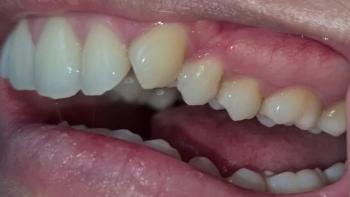
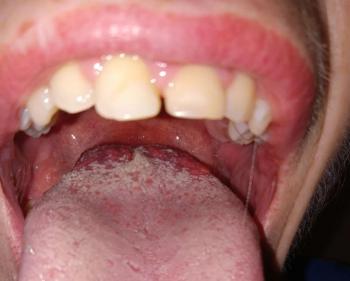
Patients with lower front gum inflammation may also experience tartar buildup, periodontal disease, gum abscesses, or tooth decay. Explore these related clinical case studies.



Other topics:
Other Dental Clinic