Because Every Tooth Deserves Care.

More Than Just Late Teeth: Diet, Poverty, and Delayed Smiles in the Philippines
Language :
Topics:
The Silent Smile: Understanding Delayed Tooth Eruption in the Philippines
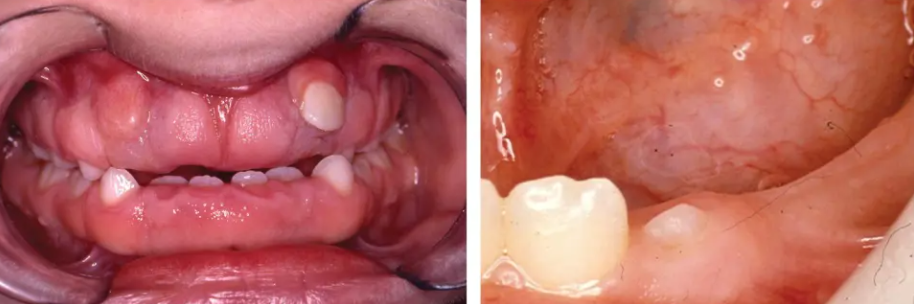
As parents, we eagerly await our child’s milestones—their first step, their first word, and that gummy smile giving way to a first tiny tooth. But what happens when those teeth are late to arrive? While a slight variation is normal, significant delays can be a cause for concern, and in the Philippine context, this issue often points to a deeper, more systemic challenge.
This post delves into the often-overlooked topic of delayed tooth eruption, analyzing its causes and connecting it to the realities faced by many Filipino families.
The Medical Reasons: It's More Than Just Teeth
According to experts in pediatric dentistry, delayed tooth eruption isn't a disease in itself but a symptom of an underlying condition. The causes are broadly categorized, and understanding them is the first step to a solution.
-
Developmental Disorders: Conditions like hypopituitarism and hypothyroidism, which affect the body's endocrine system and growth hormones, can significantly slow down a child's overall development, including the eruption of their teeth. The timeline for teeth is intricately linked to the body's general maturation process.
-
Nutritional Deficiencies: This is the point where the medical textbook meets harsh reality. A lack of essential vitamins and minerals, particularly Vitamin D, Calcium, and Vitamin A, can directly cause a delay in eruption. Furthermore, these deficiencies don't just delay the teeth; they can lead to brittle teeth that are more susceptible to cavities from the moment they appear.
Analysis: The Philippine Case – A Cycle of Poverty and Nutrition
You mentioned that many cases in the Philippines happen due to a lack of food vitamins and an unbalanced diet, especially in low-income areas. This is a critical and accurate observation. Let's analyze why this is a pervasive issue:
-
The Economic Barrier: For families living below the poverty line, the primary goal is quantity of food to stave off hunger, not quality for optimal nutrition. A diet heavy on rice and inexpensive carbohydrates fills small stomachs but lacks the building blocks for healthy development.
-
"Hidden Hunger": This term refers to a deficiency in micronutrients—vitamins and minerals—even when caloric intake is sufficient. A child might look well-fed but is silently suffering from a lack of Vitamin D (crucial for calcium absorption) and other nutrients essential for tooth and bone formation.
-
Access and Education: In geographically isolated and disadvantaged areas (GIDAs), access to affordable, nutrient-rich foods like dairy, eggs, and a variety of fruits and vegetables is limited. Coupled with potentially lower levels of parental education on nutritional science, a cycle is created where poor dietary habits are passed down through generations.
A Story from the Community: Ana and her Son, Luis
Ana, a mother of three from a coastal village in Visayas, noticed her youngest, Luis, wasn't getting his teeth like his older siblings did. By 15 months, he only had two tiny, discolored teeth. The local health center simply said he was "late bloomer." But Ana was worried.
Luis was fed primarily on lugaw (rice porridge) with a little salt, as fish and meat were expensive. Fruits were a rare treat. Ana’s husband was a fisherman with an inconsistent catch, and their income was unpredictable. Luis’s delayed teeth were a visible sign of an invisible problem—malnutrition. It wasn't until a medical mission visited their barangay that a volunteer dentist connected Luis's dental delay to a likely Vitamin D and calcium deficiency. The solution wasn't just about the teeth; it was about overhauling the family's diet with the limited resources they had.
Practical Advice: Bridging the Gap for Healthier Smiles
Knowing the cause is half the battle. Here are actionable steps for parents, caregivers, and community advocates:
For Parents & Families:
-
Maximize Nutrient-Dense Local Foods: You don't need expensive imports.
-
Calcium & Vitamin D: While dairy is excellent, small, affordable fish like dilis (anchovies) and sardines (including the soft bones) are packed with calcium and can be added to lugaw. Egg yolk is another good source.
-
Sunshine Vitamin: Encourage safe, early morning sun exposure (10-15 minutes) for natural Vitamin D synthesis.
-
Vitamin A & C: Utilize local, often more affordable vegetables like malunggay (moringa), kamote (sweet potato) tops, and squash. These are powerhouses of vitamins.
-
-
Advocate at Health Centers: Don’t be afraid to ask your local barangay health worker or midwife about nutritional supplements. The government often provides free Vitamin A supplementation and other micronutrient powders.
-
Seek Professional Help: If you observe a significant delay, consult a doctor or a dentist. They can rule out systemic conditions like hypothyroidism and provide tailored advice.
For the Community:
-
Promote Home Gardening: Initiatives that teach and support families in growing malunggay, kangkong, and talbos in small spaces can revolutionize a family's access to nutrition.
-
Community Education: Barangay leaders and health workers can host simple seminars focusing on the link between diet and child development, using tooth eruption as a tangible, easy-to-understand example.
The Bottom Line
Delayed tooth eruption is more than a dental curiosity; it can be a canary in the coal mine for a child's overall nutritional status and health. In the Philippines, addressing this requires us to look beyond the mouth and into the complex web of poverty, food security, and education. By understanding the root causes and taking collective, practical action, we can work towards a future where every Filipino child has not just a timely smile, but a healthy and strong one.
Looking for dentist : Visit directory list
Related Clinical Cases
Patients with lower front gum inflammation may also experience tartar buildup, periodontal disease, gum abscesses, or tooth decay. Explore these related clinical case studies.



Other topics:
Other Dental Clinic