Healthy Teeth, Happy Life.

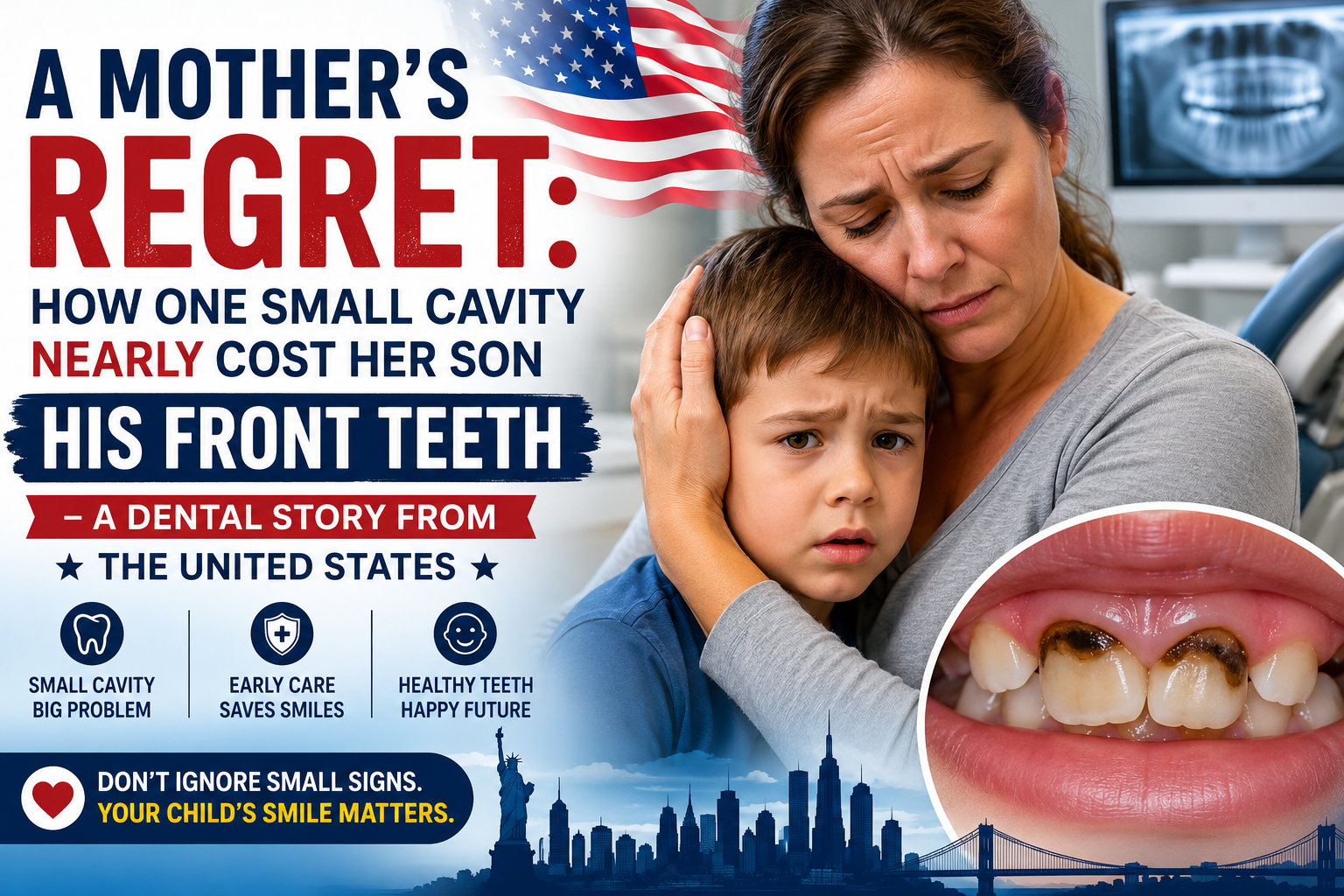
A Mother's Regret: How One Small Cavity Nearly Cost Her Son His Front Teeth – A Dental Story from the United States
Language :
Topics:
Sarah Thompson, a 34-year-old mother from Columbus, Ohio, thought her six-year-old son Ethan's baby teeth would eventually fall out on their own. Like many parents, she believed that small cavities in baby teeth were nothing to worry about.
At first, Ethan complained only occasionally when drinking cold milk or eating ice cream. Sarah assumed his teeth were simply sensitive.
Everything changed one Saturday morning.
While brushing his teeth, Sarah noticed that Ethan's upper front teeth had turned brown near the gumline. One tooth even appeared chipped. When she asked if it hurt, Ethan quietly admitted that he had been avoiding biting into apples and sandwiches because chewing had become painful.
Concerned, Sarah immediately scheduled an appointment with a pediatric dentist.
The Dental Examination
After taking digital X-rays, the dentist delivered unexpected news.
Both upper front baby teeth had extensive decay. The cavities had progressed deep into the teeth, reaching the soft pulp where the nerves and blood vessels are located.
The dentist explained that although these were baby teeth, they still played an essential role in:
- Guiding permanent teeth into proper position
- Supporting normal speech development
- Allowing children to bite and chew comfortably
- Maintaining a healthy smile and self-confidence
If left untreated, the infection could spread to the developing permanent teeth underneath.
How It Happened
Sarah admitted that Ethan enjoyed fruit juice several times each day and often fell asleep after drinking milk without brushing his teeth.
Although he brushed every morning before school, nighttime brushing was sometimes skipped because he was already asleep after long days of activities.
The dentist explained that bacteria feed on sugars left on the teeth overnight. During sleep, saliva production decreases, making it easier for acids to attack tooth enamel for several hours.
Over time, the enamel weakened until cavities spread rapidly into the inside of the teeth.
The Treatment Plan
Fortunately, the dentist believed the teeth could still be saved.
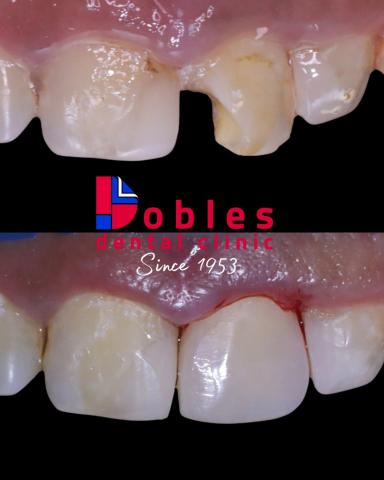
After carefully removing the decayed areas, the infected tissue was treated, and protective pediatric crowns were placed over the front teeth to restore their appearance and function.
The procedure was completed comfortably using local anesthesia, and Ethan returned home the same day with a brand-new smile.
Within a week, he was smiling confidently again and happily biting into his favorite apples.
What Sarah Learned
Sarah later shared her experience with other parents in her community.
"I honestly thought baby teeth didn't matter because they eventually fall out. I wish I had known how quickly cavities could spread. We were lucky our dentist saved his front teeth."
She now makes sure her family follows a simple routine:
- Brush twice every day using fluoride toothpaste.
- Limit sugary drinks and frequent snacking.
- Drink water after meals whenever possible.
- Schedule routine dental checkups every six months.
- Never skip brushing before bedtime.
Why Early Treatment Matters
Tooth decay in children can progress much faster than many parents realize. Because baby teeth have thinner enamel than adult teeth, cavities can quickly reach the inner pulp, leading to pain, infection, swelling, and premature tooth loss.
Early dental examinations allow problems to be detected before they become serious, often making treatment simpler, less invasive, and more comfortable for the child.
Healthy baby teeth help children eat, speak, smile confidently, and provide the proper space for healthy permanent teeth to develop.
Disclaimer: This story is a fictional educational case inspired by common pediatric dental conditions and is intended for patient education. It does not describe a specific real individual. For diagnosis and treatment, consult a licensed dental professional.
Can tooth extraction cause infection? Mild inflammation is normal, but increasing swelling, fever, or severe pain may indicate infection. Learn more about post-extraction infection warning signs in this detailed guide.
Book a consultation with our Cebu dental specialists for proper evaluation and care.
Ready to get expert guidance?
If you’re experiencing severe pain or delayed healing, book a consultation with our Cebu dental specialists to get proper evaluation and care.
Consultation or contact page .
Book a Consultation
For severe discomfort or delayed healing, book a consultation with our Cebu dental specialists today.
Looking for a dentist? Browse our Cebu dental directory to find trusted clinics near you.
Medical Review and Clinical Basis
This article is based on clinical dental guidelines and real patient recovery patterns observed after tooth extraction procedures. The information reflects common post-extraction healing stages, including normal clot formation, gum tissue repair, and signs of possible complications such as dry socket or infection.
While mild discomfort is expected after a dental extraction, worsening pain after Day 3, bad odor, exposed bone, or spreading pain may require professional evaluation. These symptoms are consistent with known post-extraction complications described in standard dental practice.
About Cebu Dental Implants
Cebu Dental Implants provides comprehensive tooth extraction, surgical procedures, and dental implant services in the Philippines. Our team evaluates post-extraction healing, manages complications such as dry socket, and advises patients on proper aftercare to prevent infection and delayed healing.
If you experience severe pain or unusual symptoms after extraction, early professional assessment is recommended to prevent further complications.
Important Medical Disclaimer
This content is for educational purposes only and does not replace professional dental diagnosis. Every patient heals differently. If symptoms worsen or do not improve within a few days, consult a licensed dentist for proper evaluation and treatment.
Author
This article was prepared by the Cebu Dental Implants content team in consultation with licensed dental professionals experienced in tooth extraction and implant procedures.
Video:
Related Clinical Cases
Patients with lower front gum inflammation may also experience tartar buildup, periodontal disease, gum abscesses, or tooth decay. Explore these related clinical case studies.



Other topics:
Other Dental Clinic
 |
 |
 |
 |