Building Confidence One Smile at a Time.

Loose Tooth in Los Angeles, California: Why Many Smokers Lose Teeth in Middle Age and What a USA Dentist Recommends
Language :
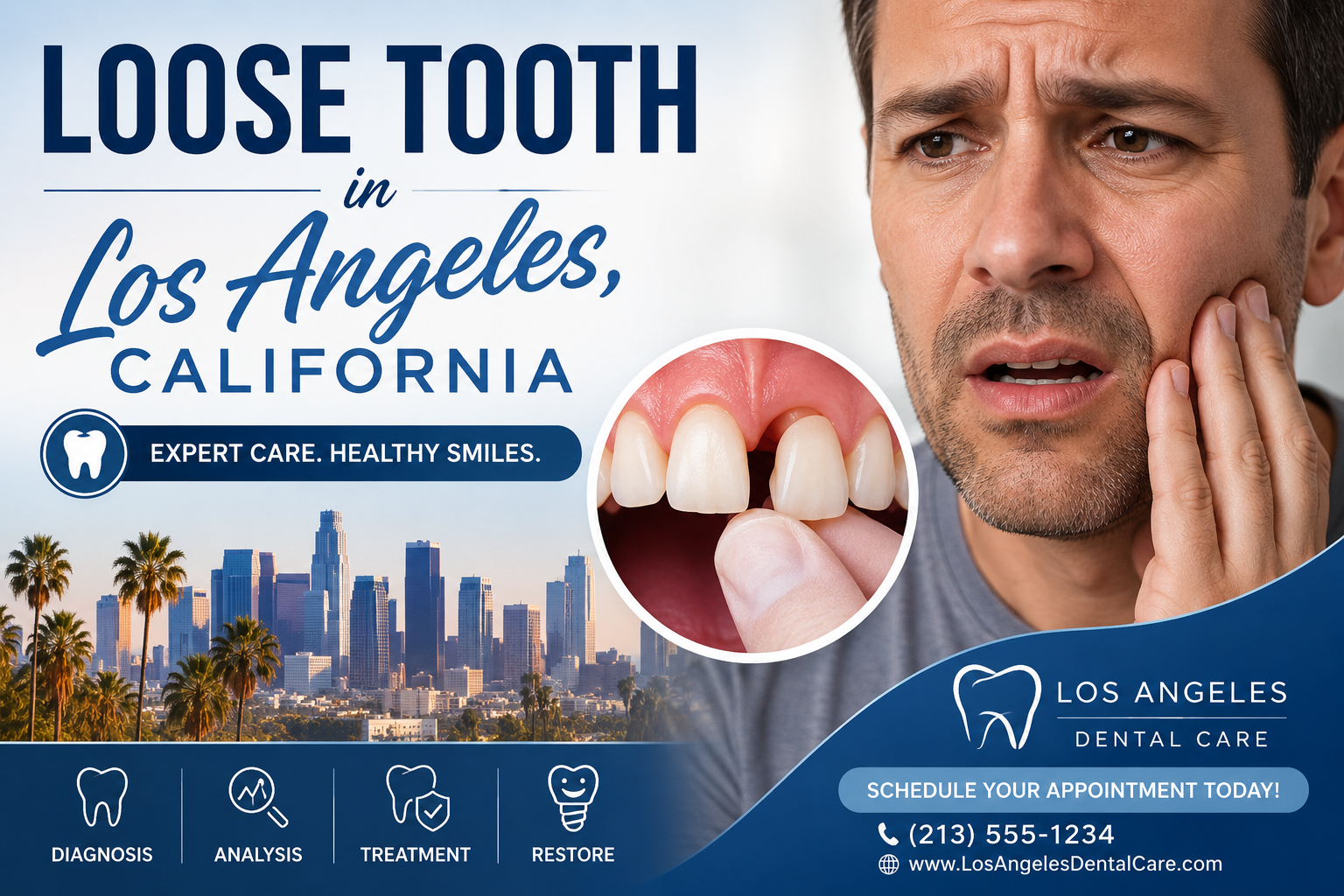
A loose tooth can be one of the most alarming dental problems an adult experiences. Unlike children, who naturally lose baby teeth, adults should never expect their permanent teeth to become loose. When a tooth begins to move, shift, wiggle, or feel unstable, it is often a warning sign that serious damage is occurring beneath the gums and around the supporting bone.
In Los Angeles, California, many adults in their 40s, 50s, and 60s seek emergency dental care because they suddenly notice a loose front tooth, loose molar, or multiple teeth becoming unstable. One of the most common risk factors among these patients is long-term smoking.
As a dentist with years of experience treating periodontal disease, tooth infections, and complex restorative cases, I frequently see smokers who ignored minor symptoms for years until they developed severe bone loss and loose teeth. The good news is that early diagnosis can often save a tooth. The bad news is that delaying treatment can result in irreversible damage and eventual tooth loss.
This comprehensive guide explains why teeth become loose, how dentists diagnose the problem, what smokers should know, the worst-case scenarios that can develop, and the treatment options available in Los Angeles, California.
What Is a Loose Tooth?
A loose tooth occurs when the structures supporting the tooth become weakened.
Healthy teeth are anchored by:
- Jawbone
- Periodontal ligament
- Gum tissue
- Cementum surrounding the root
These supporting structures work together to keep teeth firmly in place during chewing and speaking.
When infection, trauma, or bone loss damages these structures, the tooth can begin moving.
Common symptoms include:
- Tooth movement when touched
- Pain when chewing
- Gum swelling
- Gum bleeding
- Shifting teeth
- Changes in bite alignment
- Increased spaces between teeth
- Persistent bad breath
- Tooth sensitivity
A loose tooth is never normal in adults and should always be evaluated promptly.
Why Do Adults Develop Loose Teeth?
Several conditions can cause a tooth to become mobile.
Periodontal Disease
The most common cause is periodontal disease.
This chronic infection affects:
- Gums
- Bone
- Ligaments supporting teeth
Bacteria accumulate beneath the gums and gradually destroy supporting bone.
As bone disappears, teeth lose stability.
Smoking-Related Bone Loss
Smoking significantly increases the risk of loose teeth.
Tobacco use:
- Restricts blood flow
- Weakens immune response
- Slows healing
- Accelerates bone destruction
- Increases bacterial growth
Many smokers are unaware of disease progression because smoking often reduces gum bleeding, masking early warning signs.
Dental Trauma
A tooth may become loose after:
- Car accidents
- Sports injuries
- Falls
- Facial trauma
The supporting ligament may stretch or tear.
Prompt treatment may save the tooth.
Teeth Grinding
Chronic grinding places excessive pressure on teeth.
Over time this can cause:
- Tooth mobility
- Cracks
- Bone loss
- Gum recession
Many patients grind their teeth while sleeping without realizing it.
Dental Infection
A severe infection near the root tip can destroy surrounding bone.
As bone dissolves, the tooth becomes increasingly unstable.
Osteoporosis
Reduced bone density may contribute to tooth mobility.
Older adults with osteoporosis may experience accelerated periodontal deterioration.
Uncontrolled Diabetes
Poorly controlled diabetes increases the risk of:
- Gum disease
- Bone loss
- Delayed healing
- Tooth loss
Many patients discover diabetes after developing severe periodontal disease.
Why Smokers Frequently Lose Teeth During Middle Age
One of the most common patterns I observe is significant tooth loss among smokers between ages 40 and 60.
Many smokers feel healthy and assume their teeth are stable because they experience little pain.
However, smoking creates the perfect environment for silent destruction.
Reduced Blood Supply
Nicotine constricts blood vessels.
Less blood flow means:
- Less oxygen delivery
- Poor immune response
- Reduced healing
The gums may appear deceptively healthy while disease progresses underneath.
Increased Plaque Accumulation
Smoking encourages bacterial growth.
These bacteria produce toxins that attack:
- Gum tissue
- Periodontal ligament
- Supporting bone
Accelerated Bone Destruction
Studies consistently show smokers lose bone faster than non-smokers.
This bone loss often remains unnoticed until teeth become loose.
Delayed Warning Signs
Many non-smokers notice:
- Bleeding gums
- Swelling
- Tenderness
Smokers often experience fewer early symptoms.
By the time mobility develops, advanced disease may already be present.
Signs Your Loose Tooth May Be Serious
Seek immediate dental evaluation if you notice:
- Increasing tooth movement
- Gum recession
- Pus around gums
- Persistent bad breath
- Facial swelling
- Pain when chewing
- Tooth migration
- Gaps developing between teeth
- Bite changes
- Difficulty eating
These symptoms often indicate significant underlying damage.
How Dentists Diagnose a Loose Tooth
A thorough diagnosis is essential.
Clinical Examination
Your dentist evaluates:
- Tooth mobility
- Gum condition
- Bite alignment
- Infection signs
- Bone support
Tooth mobility is graded from mild to severe.
Digital X-Rays
X-rays reveal:
- Bone levels
- Hidden infections
- Root fractures
- Periodontal destruction
Radiographs often show the true extent of damage.
Periodontal Measurements
Special instruments measure gum pocket depth.
Deep pockets frequently indicate advanced gum disease.
CBCT Scan
Three-dimensional imaging may be recommended.
CBCT scans help identify:
- Bone defects
- Root fractures
- Hidden infections
- Surgical planning needs
Case Example: Los Angeles Smoker With a Loose Front Tooth
A 52-year-old Los Angeles resident visited our office after noticing his front tooth moving during meals.
History revealed:
- Smoking one pack daily for 30 years
- Infrequent dental visits
- Bleeding gums ignored for years
Examination showed:
- Severe periodontal disease
- Significant bone loss
- Deep periodontal pockets
The patient feared extraction.
After intensive periodontal therapy, smoking reduction, and maintenance treatment, the tooth stabilized enough to remain functional.
This case demonstrates how early intervention can sometimes save teeth that appear hopeless.
What Happens If You Ignore a Loose Tooth?
Ignoring tooth mobility can have serious consequences.
Continued Bone Loss
Periodontal disease rarely stops without treatment.
Bone destruction continues.
Eventually the tooth loses most of its support.
Tooth Migration
Loose teeth may drift.
This creates:
- Bite problems
- Cosmetic concerns
- Difficulty chewing
Infection Spread
Untreated infections may spread into:
- Gum tissues
- Jawbone
- Facial spaces
Severe cases can become medical emergencies.
Multiple Tooth Loss
One loose tooth often indicates generalized periodontal disease.
Without treatment, neighboring teeth may also become loose.
Worst-Case Scenarios
Many patients underestimate the seriousness of a loose tooth.
Here are some of the most severe outcomes.
Complete Tooth Loss
The tooth eventually falls out or requires extraction.
Advanced Periodontal Disease
Large sections of supporting bone disappear.
Multiple teeth become unstable.
Dental Abscess
A severe infection develops.
Symptoms include:
- Swelling
- Pain
- Fever
- Pus drainage
Immediate treatment is necessary.
Jawbone Destruction
Chronic infection can severely damage jawbone.
Future implant placement becomes more difficult.
Facial Cellulitis
Infection may spread into facial tissues.
This can cause:
- Severe swelling
- Difficulty opening the mouth
- Fever
Hospital treatment may be required.
Difficulty Breathing
Although uncommon, severe dental infections can spread into deeper facial spaces.
When swelling affects the airway, the situation becomes life-threatening.
Emergency medical treatment is required.
Extensive Tooth Loss
Some smokers lose most of their teeth by middle age due to untreated periodontal disease.
This significantly affects:
- Appearance
- Nutrition
- Speech
- Overall quality of life
Treatment Options for a Loose Tooth
Treatment depends on the underlying cause.
Professional Deep Cleaning
Scaling and root planing remove bacteria below the gums.
This is often the first step for periodontal disease.
Antibiotic Therapy
Antibiotics may help control infection.
They are commonly used alongside periodontal treatment.
Bite Adjustment
Excessive biting forces can worsen mobility.
Adjusting the bite may reduce stress on affected teeth.
Splinting
Loose teeth may be temporarily connected to neighboring teeth.
This provides stabilization during healing.
Root Canal Treatment
If infection originates inside the tooth, root canal therapy may save it.
The infected tissue is removed while preserving the tooth structure.
Periodontal Surgery
Advanced disease may require surgery.
Procedures include:
- Pocket reduction
- Bone grafting
- Regenerative therapy
Bone Grafting
Bone grafts help rebuild areas destroyed by disease.
This may improve long-term stability.
Tooth Extraction
Some teeth become too damaged to save.
Extraction may be the safest option.
Replacement options include:
- Dental implants
- Bridges
- Partial dentures
Can a Loose Tooth Tighten Again?
In some situations, yes.
Success depends on:
- Cause of mobility
- Amount of remaining bone
- Infection severity
- Smoking status
- Patient compliance
Mild mobility often improves after treatment.
Severe mobility associated with extensive bone loss has a poorer prognosis.
Why Quitting Smoking Improves Outcomes
Smoking cessation dramatically improves periodontal health.
Benefits include:
- Better circulation
- Reduced inflammation
- Improved healing
- Greater treatment success
- Lower risk of future tooth loss
Patients who quit smoking often experience significantly better long-term outcomes.
Preventing Tooth Loss in Los Angeles Adults
Preventive care remains the best strategy.
Recommendations include:
Brush Twice Daily
Use fluoride toothpaste and proper technique.
Floss Every Day
Remove plaque between teeth.
Schedule Regular Dental Visits
Routine examinations identify problems early.
Receive Professional Cleanings
Professional cleanings reduce bacterial buildup.
Stop Smoking
Smoking remains one of the biggest risk factors for tooth loss.
Control Medical Conditions
Manage:
- Diabetes
- Osteoporosis
- Other systemic diseases
Wear a Night Guard
Patients who grind their teeth benefit from protective appliances.
When Should You See a Dentist Immediately?
Contact a dentist immediately if you experience:
- Sudden tooth mobility
- Facial swelling
- Pus drainage
- Severe pain
- Fever
- Difficulty chewing
- Gum bleeding
- Bite changes
Early treatment offers the greatest opportunity to save the tooth.
Final Thoughts From a USA Dentist
A loose tooth is not simply a dental inconvenience. It is often a warning sign that infection, bone loss, trauma, or periodontal disease is threatening the long-term health of your mouth.
In Los Angeles, California, many middle-aged smokers discover the consequences of years of tobacco use when a tooth suddenly becomes loose. Unfortunately, by the time mobility appears, significant damage may already have occurred beneath the gums.
The encouraging news is that modern dentistry offers many effective treatments. Deep cleanings, periodontal therapy, bone grafting, root canal treatment, splinting, and dental implants can often restore oral health and function.
If you notice even slight tooth movement, do not wait. Early diagnosis and treatment provide the best chance of saving your natural tooth and preventing more extensive tooth loss in the future.
Can tooth extraction cause infection? Mild inflammation is normal, but increasing swelling, fever, or severe pain may indicate infection. Learn more about post-extraction infection warning signs in this detailed guide.
Book a consultation with our Cebu dental specialists for proper evaluation and care.
Ready to get expert guidance?
If you’re experiencing severe pain or delayed healing, book a consultation with our Cebu dental specialists to get proper evaluation and care.
Consultation or contact page .
Book a Consultation
For severe discomfort or delayed healing, book a consultation with our Cebu dental specialists today.
Looking for a dentist? Browse our Cebu dental directory to find trusted clinics near you.
Medical Review and Clinical Basis
This article is based on clinical dental guidelines and real patient recovery patterns observed after tooth extraction procedures. The information reflects common post-extraction healing stages, including normal clot formation, gum tissue repair, and signs of possible complications such as dry socket or infection.
While mild discomfort is expected after a dental extraction, worsening pain after Day 3, bad odor, exposed bone, or spreading pain may require professional evaluation. These symptoms are consistent with known post-extraction complications described in standard dental practice.
About Cebu Dental Implants
Cebu Dental Implants provides comprehensive tooth extraction, surgical procedures, and dental implant services in the Philippines. Our team evaluates post-extraction healing, manages complications such as dry socket, and advises patients on proper aftercare to prevent infection and delayed healing.
If you experience severe pain or unusual symptoms after extraction, early professional assessment is recommended to prevent further complications.
Important Medical Disclaimer
This content is for educational purposes only and does not replace professional dental diagnosis. Every patient heals differently. If symptoms worsen or do not improve within a few days, consult a licensed dentist for proper evaluation and treatment.
Author
This article was prepared by the Cebu Dental Implants content team in consultation with licensed dental professionals experienced in tooth extraction and implant procedures.
Related Clinical Cases
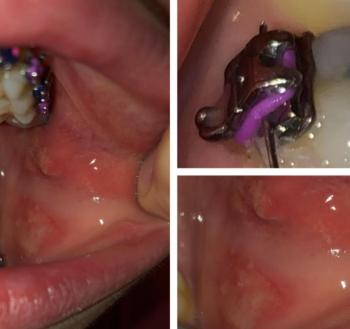
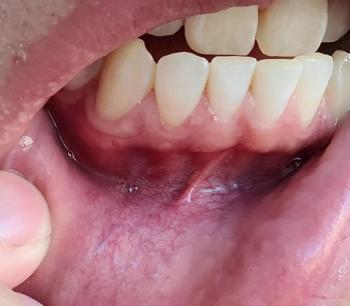
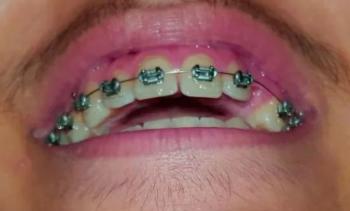
Patients with lower front gum inflammation may also experience tartar buildup, periodontal disease, gum abscesses, or tooth decay. Explore these related clinical case studies.


Other topics:
Other Dental Clinic