Other topics:

How Gum Infection Could Be Linked to Alzheimer’s: The Hidden Cost of Neglecting Oral Health

Topics: 

The Mouth–Brain Connection: What Science Is Now Revealing

For many years, Alzheimer’s disease was believed to be purely a brain disorder. But new research has uncovered something surprising — the problem might begin in the mouth.
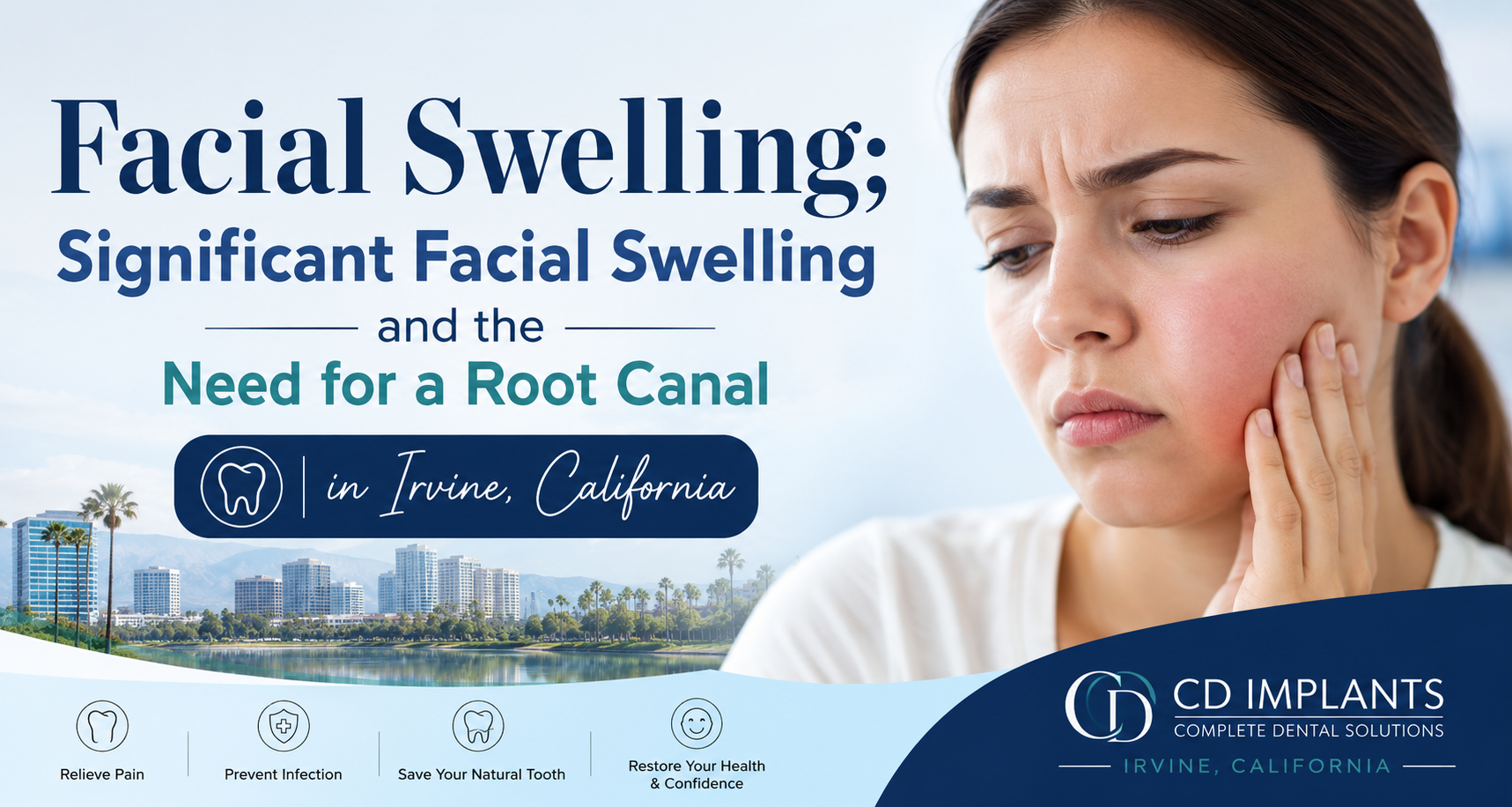
Significant Facial Swelling and the Need for a Root Canal in Irvine, California, USA: An Expert Dentist Explains Diagnosis, Worst-Case Scenarios, Treatment Options, and How to Protect Your Health

One of the most alarming dental emergencies a patient can experience is waking up with significant facial swelling accompanied by severe tooth pain. Many patients in Irvine, California, contact a dentist only after noticing that one side of their face has become noticeably enlarged, tender, and painful. In many cases, the underlying cause is an infected tooth that requires immediate root canal treatment.

Severe Pain 3 Days After Tooth Extraction – Is This Normal?

Severe Pain 3 Days After Tooth Extraction – Is This Normal?

Many patients search on Google:

“Why do I have severe pain 3 days after tooth extraction?”
“Is it normal to have pain 3 days after pulling a tooth?”

The answer:
 Mild discomfort is normal.
 Severe, throbbing, worsening pain is NOT normal.

If the pain becomes stronger on Day 3 instead of improving, it may be a sign of dry socket or infection.

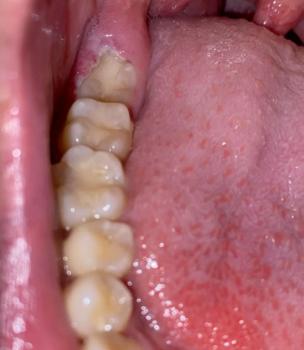
White Tissue in Tooth Socket: Healing or Infection?

After a tooth extraction, many patients notice a white or yellowish tissue forming in the socket. This often causes worry—some think it’s infection, others fear something went wrong. It’s completely normal to feel uneasy. Dental issues can affect not only your physical comfort but also your confidence, sleep, and peace of mind.

The good news is: in most cases, white tissue is part of normal healing.

Supra naa Sakit. My Painful Lesson: Don’t Wait! for the worse

My Painful Lesson: Don’t Wait!

“Huwag mong hintayin na lumala pa!”

Naaalala ko pa talaga 'yung araw na 'yon.

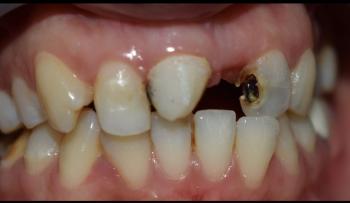
It started with a simple toothache.
Parang konting kirot lang when I eat sweet food or drink cold water.
Sabi ko sa sarili ko, “Ah, baka napuyat lang ako.”
So I ignored it.

A week passed.
Medyo sumasakit na talaga.
Pero I told myself, “Kaya pa ‘to. Busy pa ako. Next time na lang ako magpacheck-up.”

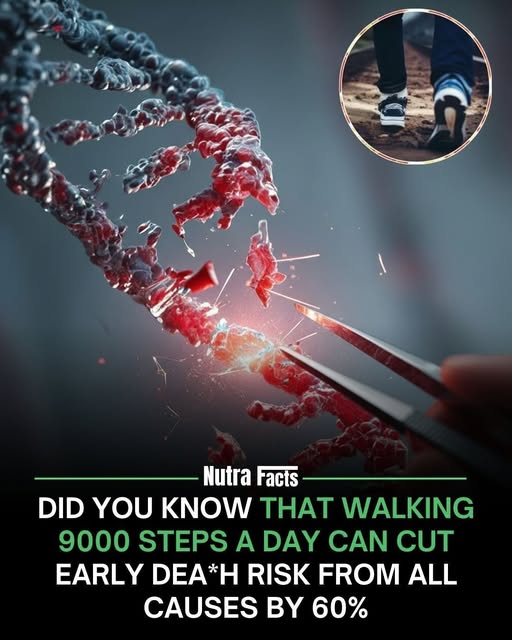
Mag-Lakad Para sa Buhay: Bakit 9,000 Hakbang Kada Araw ang Susi sa Kalusugan ng mga Nakatira sa Lungsod

Topics: 

Iskandalong Katamaran: Ang 9,000 Hakbang na Solusyon sa Pangmatagalang Kalusugan ng mga Urbanong Pilipino

Kamusta, mga kapwa Pilipino sa lungsod? Sa mabilis na ritmo ng buhay sa Maynila, Cebu, Davao, o saan mang siyudad, ang pagkilos ay madalas na nauuwi sa pag-upo—sa commute, sa trabaho, sa pagkain, at sa pag-uwi. Ang "katamaran" na ito, na dulot ng urbanisasyon at modernong kaginhawaan, ay isang tahimik na panganib sa ating kalusugan. Ngunit may isang simpleng solusyon na nasa ilalim lamang ng ating mga paa: ang paglalakad.

The Risks of Using a Hard Toothbrush: Gum Recession & Enamel Loss Explained

Topics: 

Using a hard-bristled toothbrush or brushing your teeth too aggressively can damage your gums, enamel, and teeth over time. Here’s how:

How a Hard Brush Damages Teeth & Gums:

  1. Gum Recession

    • Hard bristles can wear away gum tissue, exposing tooth roots (receding gums).

    • This leads to sensitivity, pain, and increased risk of decay on exposed roots.

  2. Enamel Erosion

How Long Should You Wait to Brush Your Teeth After Eating? (The 30-Minute Rule)

Mario's Mistake: The Healthy Habit That Was Hurting His Teeth

Mario leaned back in his chair, stomach full and satisfied after a delicious lunch featuring his nonna’s famous lemon chicken and a tall glass of tomato juice. As he stood up, he felt that familiar, virtuous urge. Time to brush. Keeping his teeth healthy was all about consistency, right? Brushing after every meal was the gold standard for fighting decay.

Or so he thought.

When Can I Eat Solid Food After Tooth Extraction?

Topics: 

A Practical Recovery Timeline from a Maryland Dental Bone Graft Expert

One of the first questions patients ask after a tooth extraction is:

“When can I eat solid food again?”

It’s a fair question—and an important one. In my Maryland practice, I’ve seen smooth recoveries derailed simply because patients returned to solid foods too soon.

Here’s the key idea:

You can eat solid food again—but only when your healing stage allows it.

Pages