Building Confidence One Smile at a Time.

Emergency Tooth Extraction Cost in the U.S.
An emergency tooth extraction can become an unexpected financial burden, especially for patients without dental insurance. In the United States, the cost depends on the type of extraction, the location of the tooth, the severity of infection or trauma, imaging requirements, anesthesia, and where treatment is provided.
A simple extraction at an emergency dental clinic may cost considerably less than treatment involving a surgical extraction, impacted wisdom tooth, sedation, or hospital emergency care.
Emergency Tooth Extraction Cost Breakdown
| Procedure | Typical Uninsured / Cash Cost |
|---|---|
| Emergency dental examination & X-ray | $75–$250 |
| Simple tooth extraction | $75–$400 |
| Surgical tooth extraction | $180–$650 |
| Impacted wisdom tooth extraction | $400–$1,100+ |
| IV sedation / general anesthesia | $273–$675 |
| Hospital emergency department visit | $749–$2,400+ |
Important: These are general price ranges rather than guaranteed prices. Actual fees vary significantly by state, dentist, facility, tooth position, complexity, and insurance plan.
What Determines the Cost of an Emergency Extraction?
Several factors can change the final bill.
1. Simple vs. Surgical Extraction
A fully erupted tooth that can be removed with conventional instruments is usually less expensive.
A surgical extraction may be necessary when the tooth is broken below the gumline, has complicated roots, is severely decayed, or must be divided into sections before removal.
2. Tooth Location
Front teeth are often easier to remove than molars. Wisdom teeth can be considerably more complicated, particularly when they are impacted or positioned close to important anatomical structures.
3. Infection and Swelling
A dental infection may require additional examination, X-rays, drainage, medications, or other treatment before or alongside extraction.
If swelling extends into the face, neck, or floor of the mouth, the situation can become a medical emergency.
4. Anesthesia and Sedation
Local anesthesia is commonly used for tooth extraction and may be included in the procedure fee.
More extensive sedation can add hundreds of dollars to the overall treatment cost.
Example: Emergency Surgical Extraction
Consider a patient with severe pain and swelling involving a badly fractured lower molar.
The dentist performs an examination and X-rays and determines that the tooth cannot be predictably restored. Because the crown is fractured and the roots are difficult to remove as one piece, a surgical extraction is performed.
A hypothetical cash-pay bill could look like this:
- Emergency examination and digital X-ray: $150
- Surgical extraction: $450
- Local anesthesia: Included
- Medication: $30
- Estimated total: $630
This is an illustrative example, not a standard national price.
Emergency Dentist vs. Hospital ER
One of the most important decisions is choosing the appropriate location for treatment.
Emergency Dental Clinic
An emergency dentist may be able to provide definitive dental treatment, such as:
- Tooth extraction
- Dental drainage
- Emergency fillings
- Temporary restorations
- Treatment of dental trauma
- Evaluation of severe tooth pain
For a straightforward dental emergency, this can be more appropriate than going directly to a hospital emergency department.
Hospital Emergency Department
A hospital ER is appropriate when a dental infection has developed into a potentially serious medical problem.
Seek emergency medical attention for symptoms such as:
- Difficulty breathing
- Difficulty swallowing
- Rapidly increasing facial or neck swelling
- Swelling of the floor of the mouth
- High fever or significant systemic illness
- Confusion, weakness, or other signs of severe infection
- Serious facial trauma
The ER's primary role is medical stabilization. Depending on the hospital and the severity of the condition, physicians may provide antibiotics, pain control, imaging, drainage, consultation with oral and maxillofacial surgery, or other emergency treatment. Definitive removal of the source tooth may occur later or may be performed when medically indicated.
Why an ER Visit Can Become Expensive
A hospital emergency visit can generate several separate charges, including:
- Emergency department facility fees
- Physician fees
- Laboratory testing
- Imaging
- IV medications
- Antibiotics
- Specialist consultations
- Follow-up treatment
Consequently, a patient with a dental problem may receive medically necessary emergency treatment but still need a dentist for definitive treatment of the affected tooth.
Dental Insurance and Emergency Extractions
Dental insurance can reduce the amount a patient pays, but coverage varies considerably.
Many dental plans have:
- Deductibles
- Annual maximums
- Waiting periods
- Procedure-specific limitations
- Different reimbursement levels for basic and major procedures
For patients who have already used much of their annual dental benefit, an emergency extraction later in the year may result in a larger out-of-pocket payment.
Before treatment, ask the dental office for a written estimate and confirm whether the procedure, X-rays, anesthesia, and medications are billed separately.
How to Reduce Emergency Dental Costs
If you need an emergency extraction, consider these steps:
1. Call an emergency dentist first
Ask for the price of the examination, X-rays, extraction, and anesthesia.
2. Ask whether the tooth can be saved
Extraction isn't always the only option. Depending on the condition of the tooth, root canal treatment and restoration may be possible.
3. Request a cash-pay price
Some dental offices offer reduced fees for patients paying without insurance.
4. Ask about community dental clinics
Community clinics and Federally Qualified Health Centers may offer reduced-cost dental services for eligible patients.
5. Don't delay serious infections
Trying to save money by postponing treatment can allow a dental infection to become substantially more complicated.
Emergency Tooth Extraction Cost: U.S. vs. Philippines
For patients considering dental treatment abroad, the price difference between the United States and the Philippines can be significant. However, price should not be the only consideration.
Patients should compare:
- Dentist qualifications
- Clinic accreditation
- Sterilization standards
- Diagnostic equipment
- Implant and restorative options
- Follow-up care
- Travel expenses
- Treatment complications
- Overall treatment plan
A lower procedure price does not necessarily mean a lower total treatment cost.
Frequently Asked Questions
How much does an emergency tooth extraction cost in the U.S.?
A simple extraction may cost approximately $75–$400, while a surgical extraction may cost around $180–$650 or more. Complex wisdom-tooth procedures can exceed $1,000.
Is an emergency tooth extraction covered by insurance?
It depends on the dental insurance plan. Extractions are commonly covered at a percentage of the allowed fee after applicable deductibles, but annual maximums and other limitations can affect the patient's final cost.
Is it cheaper to go to an emergency dentist or the ER?
For a dental problem that does not require medical stabilization, an emergency dental clinic is generally more appropriate because it can provide definitive dental treatment. Hospital ER costs can be substantially higher.
Can an ER remove a tooth?
An emergency department is primarily designed to stabilize medical emergencies. Some hospitals have oral and maxillofacial surgery services and may perform emergency dental procedures when medically necessary, but many ERs do not provide routine tooth extraction.
When is a tooth infection an emergency?
A tooth infection becomes particularly concerning when there is rapidly spreading swelling, difficulty breathing or swallowing, swelling around the neck or floor of the mouth, high fever, or signs of systemic illness. These symptoms require urgent medical evaluation.
Bottom Line
Emergency tooth extraction costs in the United States can range from under $100 for a straightforward extraction to more than $1,000 for complex or impacted teeth. Hospital emergency treatment can be considerably more expensive and may initially focus on controlling a serious infection or trauma rather than removing the tooth.
The best approach is to obtain an urgent dental evaluation as soon as possible and determine whether the tooth can be saved or requires extraction.
Disclaimer: The prices above are illustrative U.S. ranges and can vary substantially by location, provider, insurance, and clinical complexity. They should not be considered a formal quote or substitute for an examination by a qualified dental professional.
Related Clinical Cases
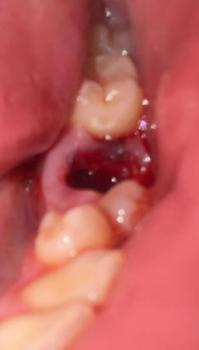
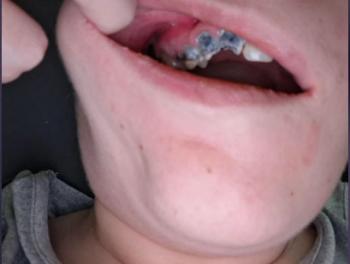
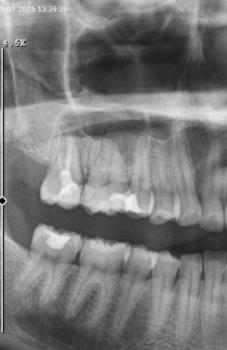
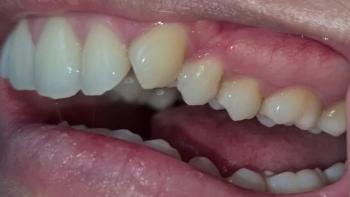
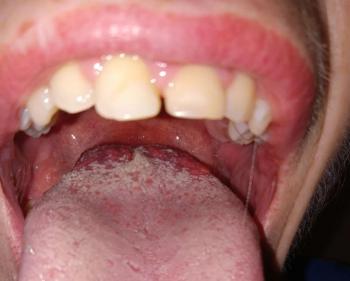
Patients with lower front gum inflammation may also experience tartar buildup, periodontal disease, gum abscesses, or tooth decay. Explore these related clinical case studies.



Other topics:
Other Dental Clinic