Healthy Teeth, Happy Life.

Is Dental Treatment in the Philippines Safe?
Language :
A Practical Guide from a Travel Advisor in the Philippines
If you’re considering dental treatment abroad, one of the first questions you’ll ask is simple—but critical:
“Is it safe?”
The Philippines has become a rising destination for dental tourism, especially for procedures like implants, crowns, and veneers. Patients from the U.S., Canada, Australia, and the UK are traveling here not just for lower costs—but also for quality care.
As a travel advisor based in the Philippines, I’ll give you a clear, honest perspective: what’s safe, what to watch out for, and how to plan your trip the right way.
The Short Answer: Yes—But It Depends on Your Choices
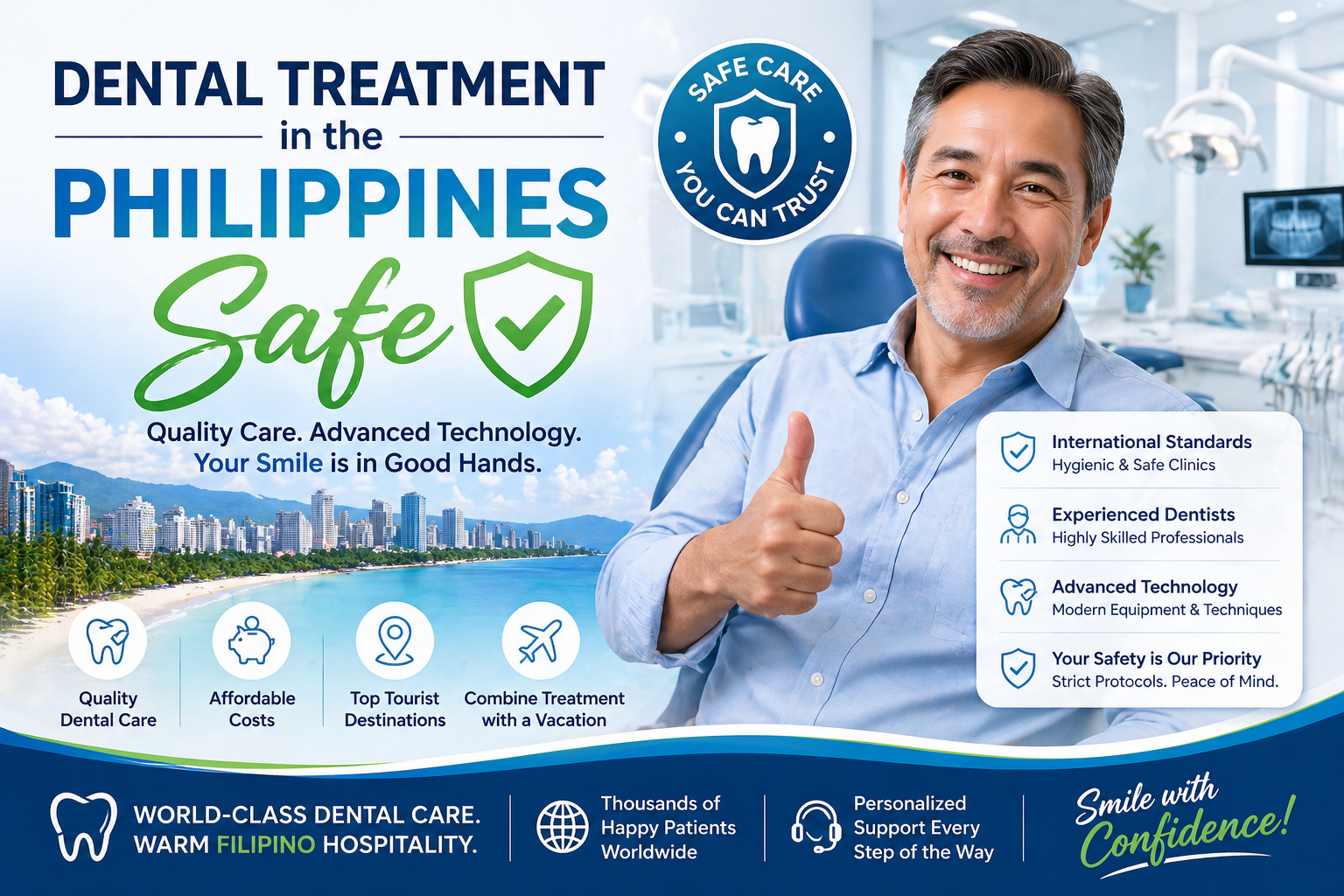
Dental treatment in the Philippines can be very safe—but only if you choose the right clinic and plan properly.
There are world-class dental facilities here. There are also average ones.
The difference comes down to:
- Clinic standards
- Dentist qualifications
- Your preparation
Why Many International Patients Feel Safe Here
1. English-Speaking Healthcare Environment
Communication is one of the biggest concerns when traveling abroad.
In the Philippines:
- Dentists speak fluent English
- Staff communicate clearly
- Treatment plans are easy to understand
This reduces misunderstandings and increases patient confidence.
2. Internationally Trained Dentists
Many Filipino dentists:
- Train in the U.S., Europe, or Australia
- Attend global dental conferences
- Follow international treatment protocols
This level of training helps maintain high standards of care.
3. Modern Dental Clinics
Top clinics—especially in major cities—offer:
- Digital X-rays and 3D imaging
- Sterilized treatment environments
- Advanced implant systems
Popular locations include:
- Manila
- Cebu
- Davao
These cities have clinics that cater specifically to international patients.
4. Strong Focus on Patient Care
Many patients report:
- More personalized attention
- Longer consultation times
- Friendly and supportive staff
This creates a more comfortable experience compared to rushed environments elsewhere.
What Are the Real Risks?
Let’s be realistic—no medical procedure is risk-free, whether in the U.S. or abroad.
1. Variation in Clinic Quality
Not all clinics meet the same standards.
Risk:
Choosing a clinic based only on price.
Solution:
Always verify credentials and reviews.
2. Follow-Up Care Challenges
Procedures like implants require monitoring.
Risk:
You may need to return for adjustments.
Solution:
Plan for at least two visits if necessary.
3. Travel and Recovery Timing
Flying too soon after treatment can cause discomfort.
Solution:
Allow recovery days before traveling.
4. Limited Legal Recourse
Handling disputes internationally can be more complex.
Solution:
Choose reputable clinics with strong track records.
How to Choose a Safe Dental Clinic
As a travel advisor, this is the most important part.
1. Check Dentist Credentials
Look for:
- International training
- Certifications
- Years of experience
2. Read Verified Reviews
Search for:
- Patient testimonials
- Before-and-after cases
- Independent review platforms
3. Ask About Technology
A good clinic should offer:
- 3D imaging (CBCT)
- Digital diagnostics
- Modern sterilization systems
4. Request a Detailed Treatment Plan
This should include:
- Total cost
- Timeline
- Materials used
Transparency is a strong indicator of professionalism.
Short Story: A Safe and Successful Experience
Meet Laura, a 49-year-old traveler from California.
Laura needed dental implants but was overwhelmed by U.S. costs.
Her Concerns:
- Safety
- Quality
- Communication
What She Did:
- Researched clinics in Cebu
- Chose a clinic with international certifications
- Scheduled a 10-day visit
Her Experience:
- Clear communication from day one
- Modern clinic environment
- Smooth procedure
Outcome:
- Successful implant placement
- Comfortable recovery
- Planned second visit for final restoration
Travel Advisor Perspective:
Laura’s success came from preparation—not luck.
Safety Tips for Dental Tourists
Before You Travel
- Research at least 2–3 clinics
- Confirm dentist credentials
- Request treatment plan and pricing
During Your Stay
- Follow post-treatment instructions carefully
- Avoid strenuous activities after surgery
- Stay hydrated and well-rested
After Returning Home
- Schedule follow-up with a local dentist if needed
- Maintain proper oral hygiene
- Keep communication open with your overseas clinic
Is It Safer Than Other Countries?
The Philippines is often compared to other dental tourism destinations.
Strengths:
- English-speaking environment
- Strong patient communication
- Competitive pricing
Compared to Others:
- Similar quality to Thailand and Mexico (top clinics)
- Better communication than many non-English-speaking countries
FAQ: Is Dental Treatment in the Philippines Safe?
1. Are dentists in the Philippines qualified?
Yes—many are internationally trained and licensed.
2. Are clinics modern and hygienic?
Top clinics meet international standards, but quality varies.
3. Is it safe for major procedures like implants?
Yes—when performed by experienced professionals.
4. What is the biggest risk?
Choosing the wrong clinic.
5. Do patients need multiple visits?
Often yes, especially for implants.
6. Is communication a problem?
No—English is widely spoken.
Related Topics
1. Dental Tourism Philippines Cost Guide
Understand total expenses and budgeting.
2. Why Americans Travel to Philippines for Dental Implants
Explore motivations and benefits.
3. Risks of Dental Tourism Explained
Learn how to avoid common mistakes.
Final Thoughts from a Travel Advisor in the Philippines
Dental treatment in the Philippines is not just safe—it can be exceptionally rewarding when approached correctly.
The key is not where you go—but how you prepare.
If you:
- Choose a reputable clinic
- Plan your travel and recovery
- Stay informed throughout the process
You can achieve high-quality dental results while enjoying a unique international experience.
The real takeaway is simple:
Safety isn’t about the country—it’s about your decisions.
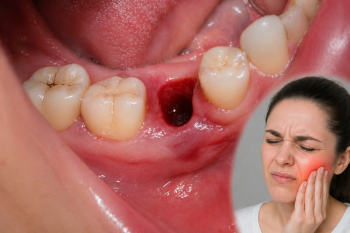
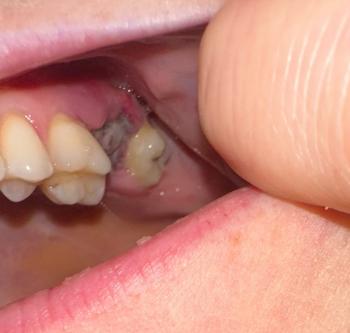
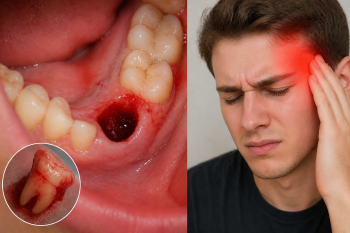
Can tooth extraction cause infection? Mild inflammation is normal, but increasing swelling, fever, or severe pain may indicate infection. Learn more about post-extraction infection warning signs in this detailed guide.
Book a consultation with our Cebu dental specialists for proper evaluation and care.
Ready to get expert guidance?
If you’re experiencing severe pain or delayed healing, book a consultation with our Cebu dental specialists to get proper evaluation and care.
Consultation or contact page .
Book a Consultation
For severe discomfort or delayed healing, book a consultation with our Cebu dental specialists today.
Looking for a dentist? Browse our Cebu dental directory to find trusted clinics near you.
Medical Review and Clinical Basis
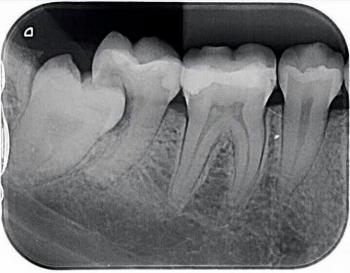
This article is based on clinical dental guidelines and real patient recovery patterns observed after tooth extraction procedures. The information reflects common post-extraction healing stages, including normal clot formation, gum tissue repair, and signs of possible complications such as dry socket or infection.
While mild discomfort is expected after a dental extraction, worsening pain after Day 3, bad odor, exposed bone, or spreading pain may require professional evaluation. These symptoms are consistent with known post-extraction complications described in standard dental practice.
About Cebu Dental Implants
Cebu Dental Implants provides comprehensive tooth extraction, surgical procedures, and dental implant services in the Philippines. Our team evaluates post-extraction healing, manages complications such as dry socket, and advises patients on proper aftercare to prevent infection and delayed healing.
If you experience severe pain or unusual symptoms after extraction, early professional assessment is recommended to prevent further complications.
Important Medical Disclaimer
This content is for educational purposes only and does not replace professional dental diagnosis. Every patient heals differently. If symptoms worsen or do not improve within a few days, consult a licensed dentist for proper evaluation and treatment.
Author
This article was prepared by the Cebu Dental Implants content team in consultation with licensed dental professionals experienced in tooth extraction and implant procedures.
Teeth Case
 |
 |
 |
 |
 |
 |