From Pain to Perfect — We Care for Your Smile.

Dental Tourism from Ireland – Is It Worth It?
Language :
A Dental Expert’s Perspective After 20 Years Treating Irish Patients
Over the past 20 years working with Irish dental patients and international implant cases, I have seen one major change transform modern dentistry: dental tourism.
Twenty years ago, very few Irish patients considered flying abroad for dental treatment. Today, it has become common for patients to compare clinics in:
- Hungary
- Turkey
- Spain
- Thailand
- Philippines
- Poland
- Portugal
before committing to major dental procedures in Ireland.
The reason is simple: cost.
Dental treatment in Ireland has become increasingly expensive, especially for:
- Dental implants
- Full-mouth rehabilitation
- Cosmetic dentistry
- Crowns and bridges
- All-on-4 procedures
Many patients are shocked when they receive treatment estimates ranging from €15,000 to €40,000 for complex restorative work.
As a result, thousands of Irish patients now explore overseas dental clinics hoping to save money while still receiving quality care.
But after two decades in dentistry, I can say this honestly:
Dental tourism can be excellent for some patients — and a disaster for others.
The difference depends entirely on:
- Clinic quality
- Treatment planning
- Patient expectations
- Follow-up care
- Communication
- Implant systems used
- Long-term maintenance
This guide explains the real advantages and disadvantages of dental tourism from Ireland, what foreign patients should expect regarding pricing, and whether treatment abroad is truly worth the risk and investment in 2026.
Why Irish Patients Look Abroad for Dental Treatment
The biggest reason is financial pressure.
Average Irish Dental Costs
In Ireland, typical prices may include:
| Treatment | Average Irish Price |
|---|---|
| Single dental implant | €2,500 to €4,500 |
| Implant crown | €900 to €1,500 |
| Bone graft | €500 to €2,000 |
| Root canal + crown | €1,200 to €2,500 |
| All-on-4 full arch | €14,000 to €25,000 |
| Full-mouth implants | €20,000 to €40,000 |
For many middle-income families, these prices are difficult to afford.
Why Dental Treatment Is Expensive in Ireland
Irish dental clinics face major operating costs:
- Staff wages
- Laboratory fees
- Insurance
- Sterilization requirements
- Advanced equipment
- Regulatory compliance
- Property expenses
High-quality dentistry requires expensive infrastructure.
Most patients do not realize how much technology and safety systems modern dentistry involves.
What Countries Are Most Popular for Irish Dental Tourism?
Irish patients commonly travel to:
Hungary
Known for long-established dental tourism clinics.
Turkey
Popular because of aggressive pricing and marketing.
Spain and Portugal
Convenient travel and European standards attract some patients.
Thailand
Known for hospitality and cosmetic dentistry.
Philippines
Growing in popularity for implants and English-speaking care.
Why the Philippines Is Becoming More Popular
The Philippines is increasingly attracting Irish patients because of:
- Lower treatment costs
- English-speaking dentists
- International implant systems
- Modern private clinics
- Tropical recovery environment
Many patients appreciate easier communication compared to some non-English-speaking countries.
How Much Can Irish Patients Actually Save?
Savings can be substantial.
Example: Single Implant
| Country | Estimated Cost |
|---|---|
| Ireland | €3,000 to €4,500 |
| Philippines | €900 to €1,500 |
Example: Full-Mouth Rehabilitation
| Country | Estimated Cost |
|---|---|
| Ireland | €25,000 to €40,000 |
| Philippines | €10,000 to €18,000 |
Even after flights and accommodation, patients may still save thousands.
If You Are a Foreigner, What Should You Expect to Pay?
Foreign patients should understand that pricing abroad varies greatly depending on:
- Clinic reputation
- Implant brand
- Complexity
- Bone condition
- Materials used
- Location of clinic
Typical Foreign Patient Costs in the Philippines
Single Implant Case
| Procedure | Estimated Price |
|---|---|
| Consultation + X-rays | €50 to €150 |
| Implant placement | €700 to €1,200 |
| Abutment | €150 to €300 |
| Crown | €300 to €700 |
Estimated total:
€1,200 to €2,000
Full-Mouth Cases for Foreigners
All-on-4 or All-on-6
| Treatment | Estimated Price |
|---|---|
| One arch | €6,000 to €12,000 |
| Full mouth | €10,000 to €18,000 |
Prices vary depending on:
- Implant system
- Temporary teeth quality
- Final zirconia restoration
- Additional surgeries
Additional Costs Foreign Patients Often Forget
Patients sometimes focus only on surgery pricing.
However, the full budget may also include:
| Expense | Estimated Cost |
|---|---|
| Flights | €700 to €1,500 |
| Hotels | €500 to €2,500 |
| Food | Variable |
| Transportation | Variable |
| Additional scans | Extra |
| Bone grafting | Extra |
| Follow-up visits | Possible |
Proper budgeting is essential.
Why Cheap Prices Alone Are Dangerous
One of the biggest mistakes patients make is choosing clinics based only on price.
Extremely low-cost treatment may involve:
- Cheap implant systems
- Poor sterilization
- Weak laboratory support
- Limited surgical planning
- Inexperienced providers
An implant failure can ultimately cost more to repair than doing the treatment correctly the first time.
Implant Brand Matters More Than Most Patients Realize
Not all implants are equal.
Reputable clinics often use systems such as:
- Straumann
- Nobel Biocare
- Osstem
- MegaGen
- Dentium
These brands have strong clinical research and global support.
Unknown low-cost implants may create future complications if replacement parts become unavailable later.
Communication Is Extremely Important
Good communication is critical in implant dentistry.
Patients must clearly understand:
- Risks
- Healing times
- Follow-up expectations
- Warranty policies
- Treatment limitations
One reason some Irish patients prefer the Philippines is the widespread use of English.
The Reality of Follow-Up Care
This is one of the most overlooked issues in dental tourism.
Dental implants are not “one-time purchases.”
Patients may eventually require:
- Bite adjustments
- Crown repairs
- Gum maintenance
- Implant cleaning
- Emergency support
Returning to another country for follow-up treatment may become difficult.
Can Irish Dentists Refuse to Treat Overseas Implant Problems?
Sometimes yes.
Some Irish dentists may hesitate to manage overseas implant complications because:
- They did not place the implants
- Different systems were used
- Warranty liability becomes unclear
Patients should discuss follow-up plans before traveling.
Bone Grafting and Complex Cases
Many implant patients require additional surgery such as:
- Bone grafting
- Sinus lifts
- Tissue regeneration
These procedures greatly affect treatment complexity and success.
Patients with advanced bone loss should be especially cautious when choosing overseas clinics.
Why Some Dental Tourism Results Look Amazing Online
Social media marketing has changed dentistry dramatically.
Many overseas clinics advertise:
- Hollywood smile makeovers
- Same-day implants
- Instant transformations
Some clinics genuinely perform excellent work.
Others heavily edit photographs and focus more on marketing than long-term function.
Patients should not rely only on Instagram-style advertising.
The Importance of Sterilization Standards
A professional clinic should follow strict infection-control protocols.
Patients should ask about:
- Surgical sterilization
- Disposable instruments
- Cross-contamination prevention
- Emergency procedures
Safety matters far more than luxury waiting rooms.
Immediate Implants vs Traditional Healing
Some overseas clinics heavily promote same-day implants.
These treatments may include:
- Tooth extraction
- Implant placement
- Temporary teeth
all within one visit.
However, not every patient qualifies.
Good treatment planning matters more than fast treatment.
Is Dental Tourism Safe?
Yes — when done correctly.
Many overseas clinics operate at very high international standards.
However, safety depends on:
- The individual clinic
- Dentist experience
- Technology
- Implant systems
- Surgical planning
not simply the country itself.
Why Full-Mouth Cases Are the Biggest Driver of Dental Tourism
Patients requiring:
- All-on-4
- All-on-6
- Multiple implants
- Full smile rehabilitation
often experience the largest financial savings abroad.
This is why complex implant cases dominate dental tourism markets.
The Emotional Impact of Tooth Loss
After 20 years in dentistry, I can say tooth loss affects far more than appearance.
Patients often experience:
- Reduced confidence
- Embarrassment
- Difficulty eating
- Social withdrawal
- Anxiety
When overseas treatment makes implants financially possible, many patients feel they finally regain hope.
Questions Every Irish Patient Should Ask Before Traveling
Important Questions
- Which implant brand do you use?
- How many implant cases have you completed?
- Is bone grafting included?
- What warranties apply?
- What happens if complications occur?
- How long must I stay?
- How many visits are required?
- What follow-up support exists after I return home?
When Dental Tourism May Not Be Worth It
Some patients are better treated locally.
Examples include:
- Severe medical conditions
- High surgical complexity
- Limited travel ability
- Advanced bone loss
- High anxiety requiring continuous support
Local long-term supervision may sometimes be safer.
Why Experience Matters More Than Price
The most successful implant cases usually come from:
- Proper diagnosis
- Careful planning
- Surgical precision
- Long-term maintenance
not simply low pricing.
The cheapest treatment often becomes the most expensive if complications occur later.
Final Thoughts – Is Dental Tourism Worth It for Irish Patients?
After 20 years of treating dental patients, my honest professional view is this:
Dental tourism can absolutely be worth it — if patients approach it carefully and realistically.
For many Irish patients, overseas treatment provides access to implant dentistry that would otherwise remain financially impossible.
The potential advantages include:
- Major cost savings
- Modern technology
- Excellent international clinics
- Faster scheduling
- High-quality implant systems
However, successful outcomes depend heavily on:
- Choosing a reputable clinic
- Understanding long-term responsibilities
- Planning for follow-up care
- Avoiding unrealistic marketing promises
Dental implants are not luxury purchases. They are long-term medical restorations that affect health, function, and quality of life.
Patients who focus only on price often regret it later.
Patients who focus on quality, communication, and proper planning usually have far better experiences.
FAQ – Dental Tourism from Ireland
Why do Irish patients travel abroad for dental treatment?
The main reason is lower cost, especially for implants, cosmetic dentistry, and full-mouth rehabilitation.
How much can patients save abroad?
Savings may range from 40% to 70% depending on the treatment and destination.
Is dental tourism safe?
Many overseas clinics provide excellent treatment, but patients must carefully research clinic quality and dentist experience.
Can Irish insurance cover overseas dental treatment?
Some private insurance plans may reimburse portions of treatment abroad, but coverage varies greatly between providers.
What is the biggest risk of dental tourism?
Limited long-term follow-up care after returning to Ireland remains one of the biggest challenges.
Related Topics
1. Dental Implants Cost Ireland vs Philippines
Irish patients increasingly compare overseas implant pricing to reduce treatment costs while maintaining quality care.
2. All-on-4 Dental Implants Abroad
Full-mouth implant procedures remain one of the most common reasons patients pursue dental tourism internationally.
3. How to Choose a Safe Overseas Dental Clinic
Patients should understand implant systems, sterilization standards, warranties, and dentist qualifications before committing to treatment abroad.
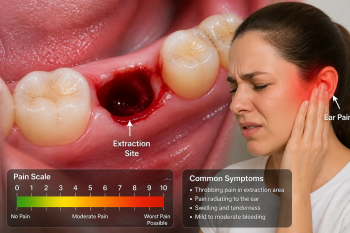
Can tooth extraction cause infection? Mild inflammation is normal, but increasing swelling, fever, or severe pain may indicate infection. Learn more about post-extraction infection warning signs in this detailed guide.
Book a consultation with our Cebu dental specialists for proper evaluation and care.
Ready to get expert guidance?
If you’re experiencing severe pain or delayed healing, book a consultation with our Cebu dental specialists to get proper evaluation and care.
Consultation or contact page .
Book a Consultation
For severe discomfort or delayed healing, book a consultation with our Cebu dental specialists today.
Looking for a dentist? Browse our Cebu dental directory to find trusted clinics near you.
Medical Review and Clinical Basis
This article is based on clinical dental guidelines and real patient recovery patterns observed after tooth extraction procedures. The information reflects common post-extraction healing stages, including normal clot formation, gum tissue repair, and signs of possible complications such as dry socket or infection.
While mild discomfort is expected after a dental extraction, worsening pain after Day 3, bad odor, exposed bone, or spreading pain may require professional evaluation. These symptoms are consistent with known post-extraction complications described in standard dental practice.
About Cebu Dental Implants
Cebu Dental Implants provides comprehensive tooth extraction, surgical procedures, and dental implant services in the Philippines. Our team evaluates post-extraction healing, manages complications such as dry socket, and advises patients on proper aftercare to prevent infection and delayed healing.
If you experience severe pain or unusual symptoms after extraction, early professional assessment is recommended to prevent further complications.
Important Medical Disclaimer
This content is for educational purposes only and does not replace professional dental diagnosis. Every patient heals differently. If symptoms worsen or do not improve within a few days, consult a licensed dentist for proper evaluation and treatment.
Author
This article was prepared by the Cebu Dental Implants content team in consultation with licensed dental professionals experienced in tooth extraction and implant procedures.
Related Clinical Cases
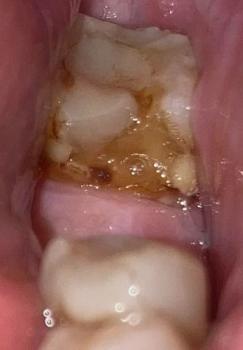
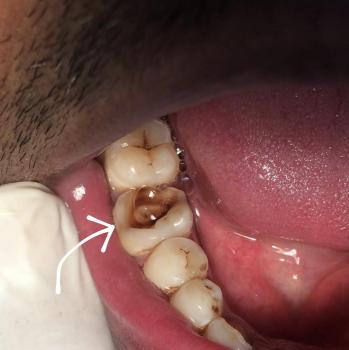
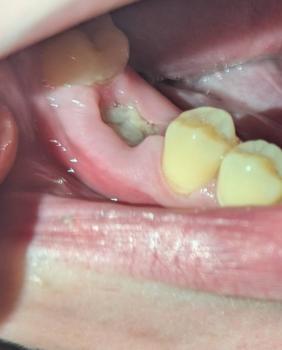
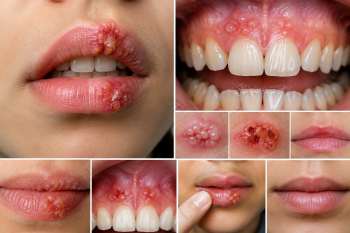
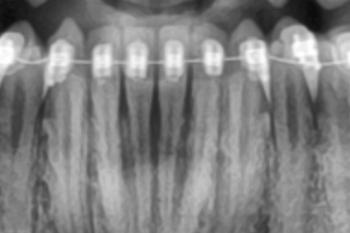
Patients with lower front gum inflammation may also experience tartar buildup, periodontal disease, gum abscesses, or tooth decay. Explore these related clinical case studies.
Other topics:
Other Dental Clinic