Dental Case: Problems

Why Are My Teeth Crumbling? A Severe Dental Decay Case Analysis
Severity: 
Teeth Problems: 

Additional Clinical Guide: Why Severely Decayed Teeth Become Brittle, Break, and Crumble

What Causes Teeth to Crumble From the Inside Out?

When a tooth begins to crumble, the damage often extends beyond what can be seen on its surface. Dental caries, commonly called tooth decay, develops when acids produced by plaque bacteria dissolve minerals from the enamel and dentin.
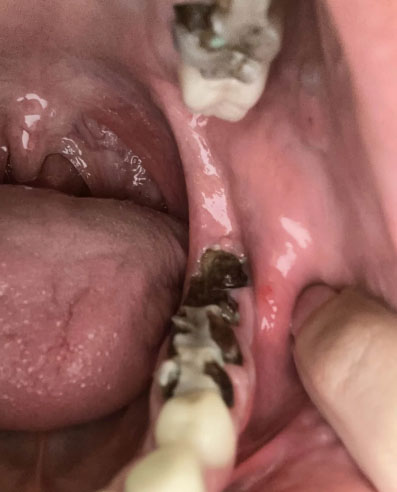
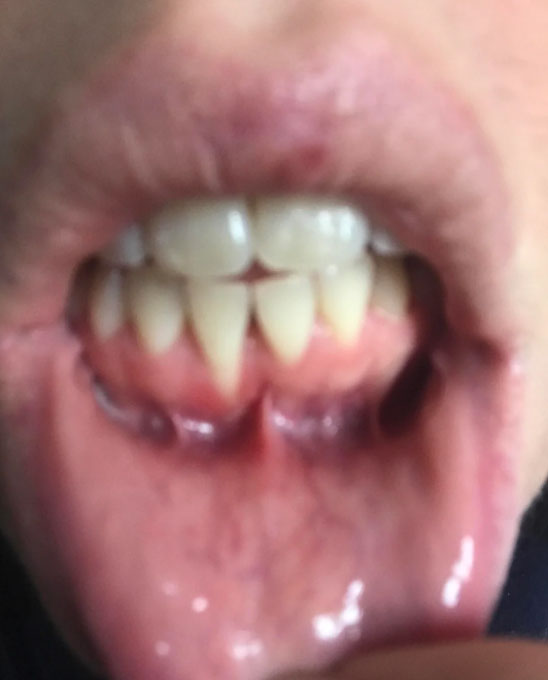
Severe Rooted Tooth Decay and Infection Treatment

Severity: 

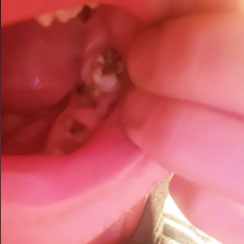
This case shows severe tooth decay affecting the back teeth, with decay extending close to or into the tooth roots. Dark, broken tooth structure is visible, which indicates long-standing dental caries. The surrounding gum tissue appears irritated, increasing the risk of infection.

Rooted tooth decay usually develops when cavities are left untreated for a long time. Bacteria spread deeper into the tooth and reach the root area, making the tooth weak, painful, and difficult to save.

Lower Front Gum Infection and Inflammation Case Analysis

Severity: 

Lower Gum Inflammation, Orthodontic Braces, and Lower Molar Problems

How Lower Gum Inflammation Can Be Connected to Orthodontic Treatment and Lower Molar Health

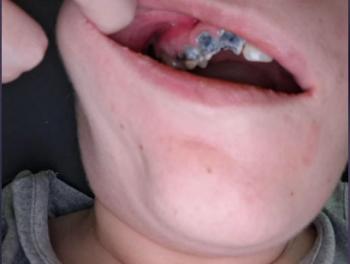
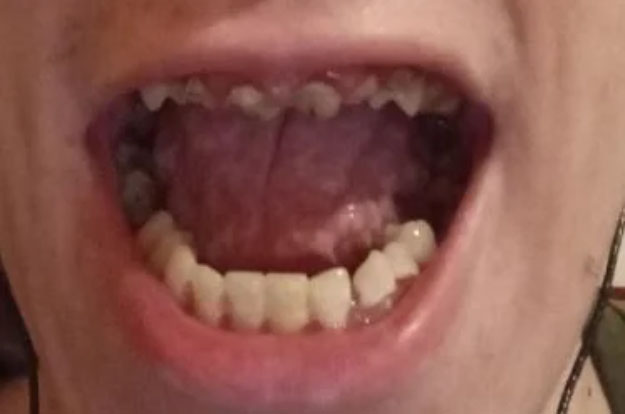
Redness, swelling, and bleeding around the lower front teeth may indicate gingivitis, an early form of gum disease commonly associated with plaque buildup. However, when a patient also has orthodontic braces, crowded teeth, or pain around the lower molars, the dental examination should assess the entire mouth rather than focusing on the visible gum inflammation alone.

Pus Coming Out of Gum or Palate: Causes, Treatment, and When to See a Dentist

Severity: 
Teeth Problems: 

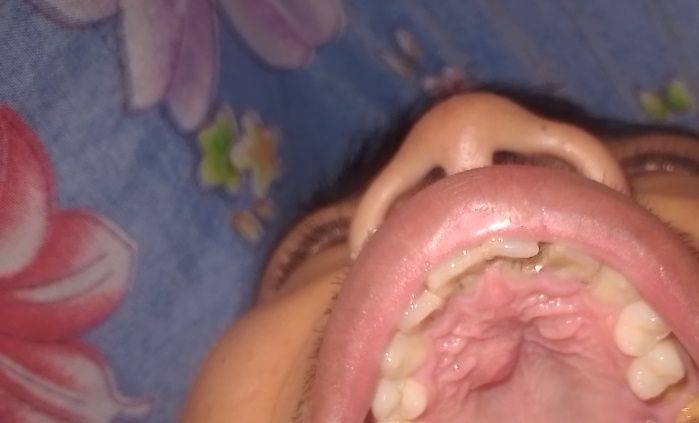
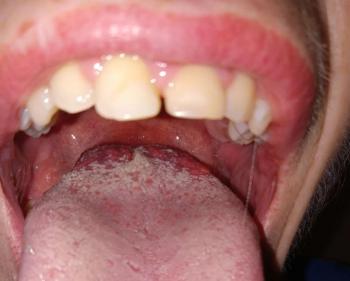
Case Analysis: Persistent Pus and Swelling on the Palate (Roof of Mouth) Near Front Teeth

Client’s Complaint

“May bilog sa ngalangala (palate) na lumalabas ang mabahong nana sa harap ng gilagid, sa parte kung saan dati akong pinastahan. Matagal na, at hindi na nawawala kahit anong linis. Tuwing pinipisil ko, may lumalabas na nana.”

Gum Recession on Lower Front Teeth | Causes, Treatment, and Prevention

Severity: 

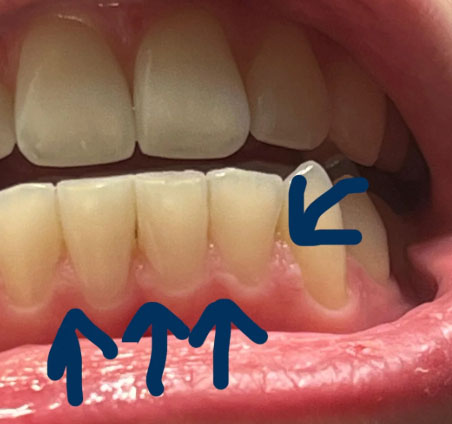
Gum Recession and Cervical Tooth Wear on Lower Front Teeth – Full Dental Case Analysis (100% Zoom)

Medical Disclaimer

This analysis is image-based and for educational purposes only. A definitive diagnosis requires an in-person dental examination, periodontal probing, and dental X-rays. The findings below are based on visible clinical signs and standard dental guidelines.

Severe Front Teeth Cavities Caused by Advanced Dental Caries

Severity: 

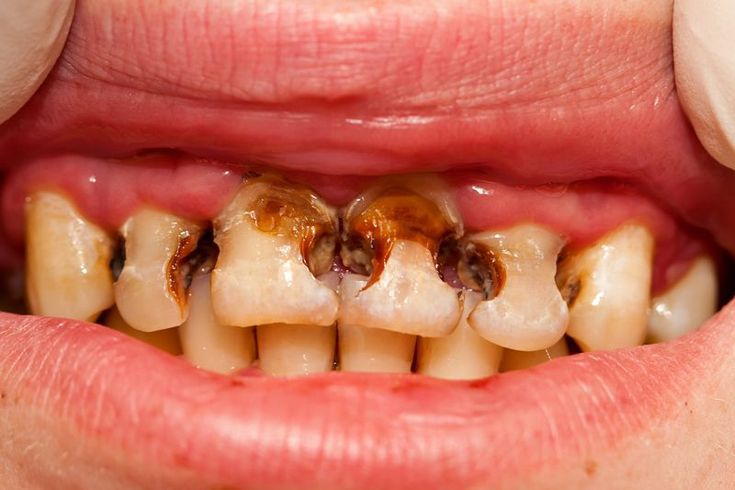
Severe Rampant Dental Caries & Enamel Breakdown – Advanced Decay Case


Teeth Case (Zoom 100% – Visual-Based Assessment)

Image findings:
The image shows multiple anterior teeth with extensive brown–black cavitations, fractured enamel, exposed dentin, and visible plaque retention zones along the gumline. The decay appears active and progressive, not arrested.

Black Spot on Back Tooth With Gum Abscess Case Analysis

Severity: 

What Is Seen in This Case

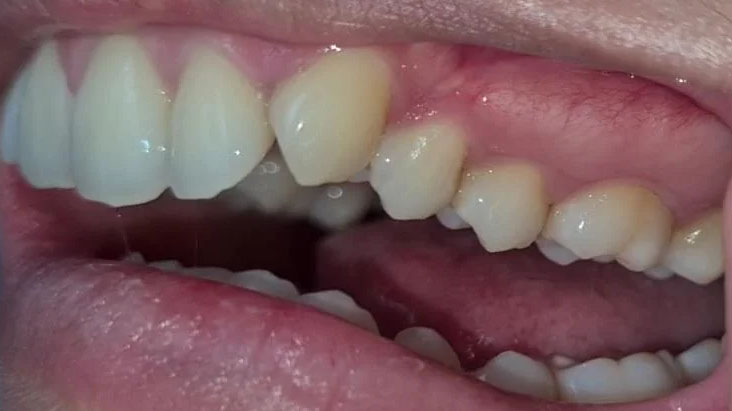
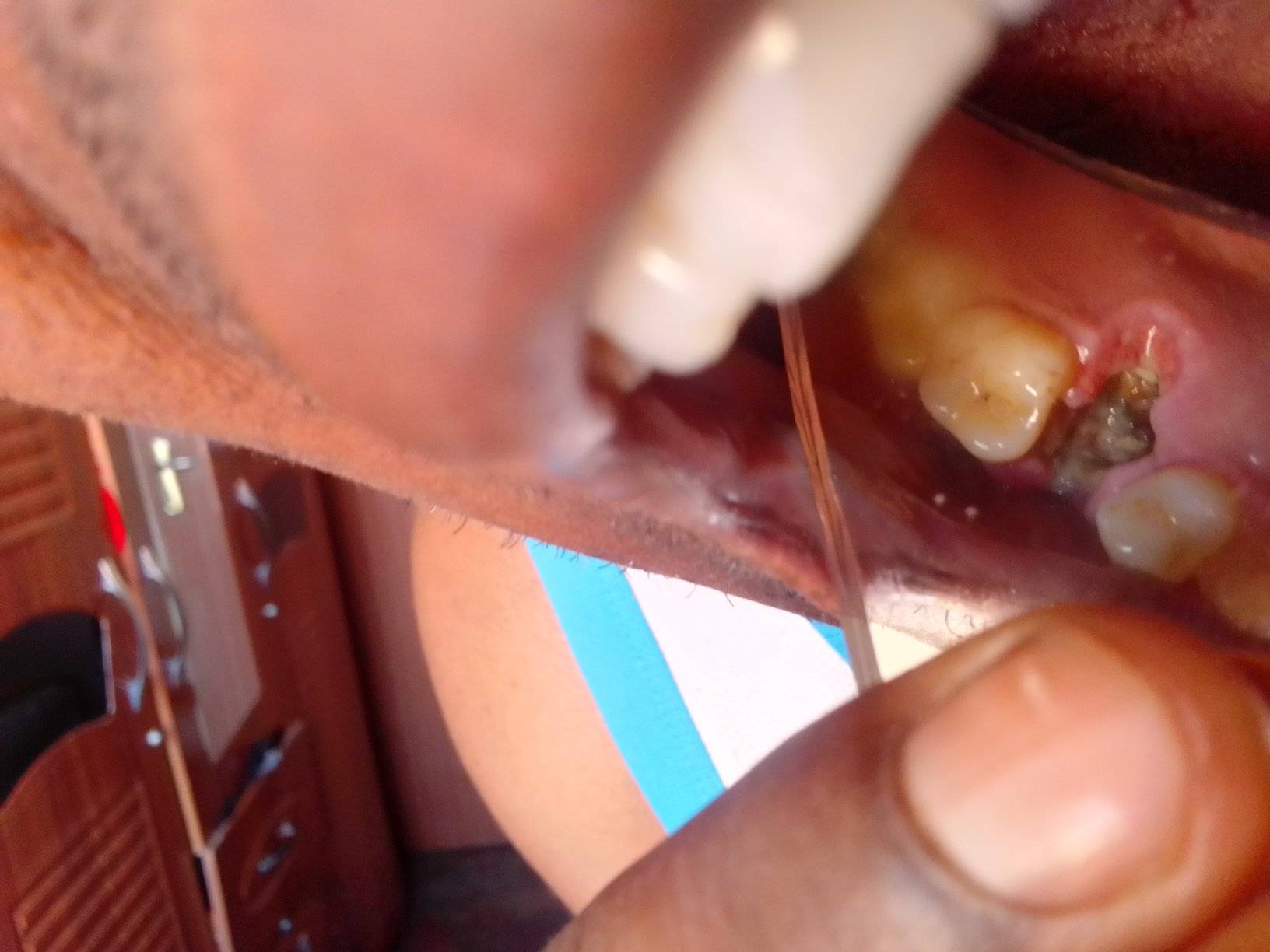
The image shows a blackened area on a back tooth, with swelling of the surrounding gum tissue. The dark spot on the tooth suggests advanced tooth decay, while the raised and irritated gum indicates a localized gum abscess or infection. This combination often causes bad taste or foul odor due to bacterial activity.

This condition usually develops when decay reaches deeper parts of the tooth and spreads toward the gum.

Teeth Misalignment and Gum Irritation: How Scaling Helps Protect Your Gums

Severity: 

Understanding Crowded Teeth, Plaque Buildup, and Professional Dental Cleaning

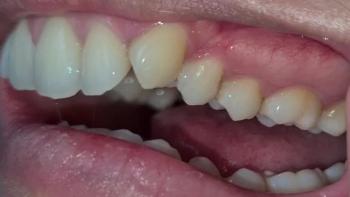
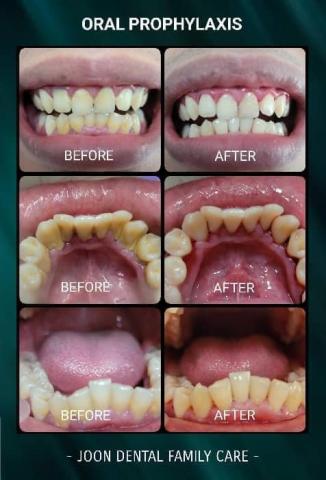
Teeth misalignment, also called malocclusion, occurs when teeth are crowded, rotated, overlapping, or do not meet properly when biting. Although crooked teeth do not automatically cause gum disease, crowded tooth surfaces can make brushing and flossing more difficult. Plaque may accumulate in these hard-to-clean areas, increasing the risk of gingivitis and tooth decay.

Severe Broken and Infected Teeth — Symptoms, Treatment Options, and When to Seek Emergency Care

Severity: 

Severe Broken Teeth and Dental Infection: An IT Manager’s Story, Warning Signs, and Treatment Options

Understanding Severe Tooth Decay and Infection

Severely broken teeth are more than a cosmetic concern. When extensive tooth decay reaches the dental pulp—the soft tissue containing nerves and blood vessels—bacteria can cause inflammation, pulp death, and infection around the root. In some cases, a dental abscess develops, causing pain, swelling, and possible spread of infection into surrounding tissues.

Severe Tooth Infection and Gum Abscess: Symptoms, Treatment, and 14-Day Healing Guide | Cebu Dental Implants

Severity: 
Teeth Problems: 

Case Analysis: Suspected Tooth Infection and Gum Inflammation

Observation

The image shows a lower molar area with visible gum irritation, tissue swelling, and darkened debris around one tooth. The surrounding gingiva appears inflamed and possibly infected. There are also signs of decay or necrotic tissue that may indicate an advanced tooth infection or abscess formation.

Pages