Where Bright Smiles Begin.

Tooth Wear: How Your Teeth Show the Signs of Time
Language :
Topics:
Your teeth work hard every day. They chew food, help you speak, and flash your smile. But just like the tread on your car tires or the soles of your favorite shoes, your teeth can show signs of wear over time. This is called tooth wear, and it happens to almost everyone as they age. The good news is that you can spot it early and slow it down.
What Does Tooth Wear Look Like?
Tooth wear is not the same as a cavity or a broken tooth. It is a slow, gradual process. You might notice:
-
Your front teeth look slightly shorter or have a flat, straight edgee.
-
The tips of your canine teeth appear worn down or rounded.
-
Small cracks or chips appear along the biting edges.
-
Your teeth look more yellow because the outer enamel has thinned, revealing the darker dentin inside.
-
Increased sensitivity to cold or sweet foods.
Two Main Causes of Tooth Wear
Enamel Erosion from Acids
Enamel is the hard, white outer layer of your teeth. It can be softened and slowly washed away by acids. These acids do not always come from bacteria. Often, they come from what you eat and drink. Soda, sports drinks, fruit juices, sour candies, and even wine are highly acidic. Some medical conditions, like acid reflux or frequent vomiting, also bring stomach acid into your mouth. Over time, this acid erosion makes teeth thinner, weaker, and more sensitive.
Bruxism: Grinding and Clenchinge
Bruxism is the medical term for grinding your teeth or clenching your jaw. Many Americans do this without realizing it, especially during sleep or while stressed. Over time, bruxism can wear down the biting surfaces, flatten teeth, and even cause jaw pain or headaches. If you wake up with a sore jaw or your partner hears grinding noises at night, bruxism might be the culprit.
Why Tooth Wear Matters for Americanz
Ignoring tooth wear can lead to costly dental problems. Worn teeth are more likely to crack, decay, or need crowns. In the USA, dental insurance often covers treatments for bruxism (like night guards) and erosion (like bonding or fillings), but prevention is always cheaper and less painful.
Simple Advice to Protect Your Teethe
-
Use a soft-bristled toothbrush and non-abrasive fluoride toothpaste.
-
Wait 30 minutes after eating acidic foods before brushing, or you will brush away softened enamel.
-
Drink acidic beverages through a straw and rinse your mouth with water afterward.
-
Ask your dentist about a custom night guard if you grind your teeth.
-
Manage stress through exercise or relaxation techniques to reduce clenching.
Frequently Asked Questions (FAQ) About Tooth Wear
Is tooth wear a normal part of aging?
Yes, some wear is normal. But excessive wear that causes pain, sensitivity, or changes in your bite is not normal. If your teeth look noticeably shorter or feel rough, see a dentist.
Can tooth wear be reversed?
No, once enamel is gone, it does not grow back. However, dentists can repair worn areas with bonding, veneers, or crowns. The goal is to stop further wear first.
How do I know if I grind my teeth at nighto?
Common signs include waking up with a dull headache, sore jaw muscles, or sensitive teeth. Your partner might hear grinding sounds. Your dentist can also see flat, worn spots on your teeth during a checkup.
Does insurance cover treatment for bruxism?
Many dental insurance plans in the USA cover night guards, especially if you have a diagnosis of bruxism. Coverage varies, so check your plan. Some medical insurance may also cover jaw pain treatment.
Can acidic drinks really damage my teeth that much?
Yes. Even diet soda and flavored sparkling water are acidic enough to soften enamel over time. It is not just the sugar; it is the acid itself. Limit these drinks and rinse with water afterward.
What is the difference between tooth wear and a cavity?
Tooth wear is a slow, physical loss of tooth structure from grinding or acid. A cavity is a hole caused by bacteria and sugar. Wear usually affects multiple teeth evenly; cavities happen in one spot.
Should I see a dentist for mild tooth wear?
Yes, at your regular checkup. Your dentist can measure the wear and recommend simple steps to prevent it from getting worse. Early action saves money and pain later.
Final Thoughts
Your teeth are built to last a lifetime, but they need your help. By understanding the two main types of tooth wear, acid erosion and bruxism, you can make small changes in your daily habits. Drink wator after soda, wear a night guard if you grind, and visit your dentist regularly. A little awareness today can keep your smile strong and healthy for decades to come.
Have a question about your own teeth? Ask your dentist or drop a comment below.
Can tooth extraction cause infection? Mild inflammation is normal, but increasing swelling, fever, or severe pain may indicate infection. Learn more about post-extraction infection warning signs in this detailed guide.
Book a consultation with our Cebu dental specialists for proper evaluation and care.
Ready to get expert guidance?
If you’re experiencing severe pain or delayed healing, book a consultation with our Cebu dental specialists to get proper evaluation and care.
Consultation or contact page .
Book a Consultation
For severe discomfort or delayed healing, book a consultation with our Cebu dental specialists today.
Looking for a dentist? Browse our Cebu dental directory to find trusted clinics near you.
Medical Review and Clinical Basis
This article is based on clinical dental guidelines and real patient recovery patterns observed after tooth extraction procedures. The information reflects common post-extraction healing stages, including normal clot formation, gum tissue repair, and signs of possible complications such as dry socket or infection.
While mild discomfort is expected after a dental extraction, worsening pain after Day 3, bad odor, exposed bone, or spreading pain may require professional evaluation. These symptoms are consistent with known post-extraction complications described in standard dental practice.
About Cebu Dental Implants
Cebu Dental Implants provides comprehensive tooth extraction, surgical procedures, and dental implant services in the Philippines. Our team evaluates post-extraction healing, manages complications such as dry socket, and advises patients on proper aftercare to prevent infection and delayed healing.
If you experience severe pain or unusual symptoms after extraction, early professional assessment is recommended to prevent further complications.
Important Medical Disclaimer
This content is for educational purposes only and does not replace professional dental diagnosis. Every patient heals differently. If symptoms worsen or do not improve within a few days, consult a licensed dentist for proper evaluation and treatment.
Author
This article was prepared by the Cebu Dental Implants content team in consultation with licensed dental professionals experienced in tooth extraction and implant procedures.
Related Clinical Cases
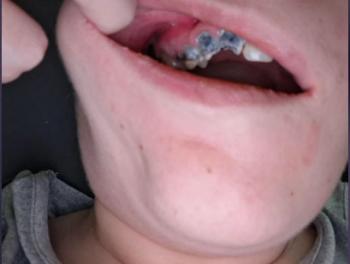
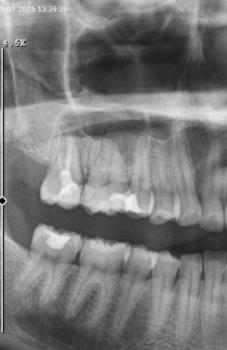
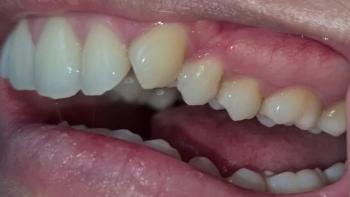
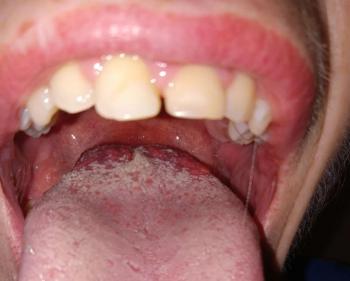
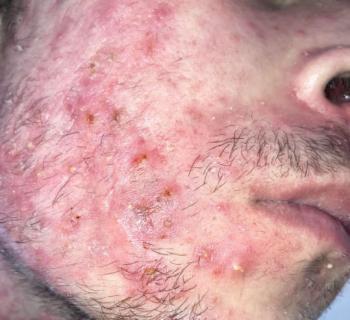
Patients with lower front gum inflammation may also experience tartar buildup, periodontal disease, gum abscesses, or tooth decay. Explore these related clinical case studies.



Other topics:
Other Dental Clinic