Healthy Teeth, Happy Life.

Sydney Socioeconomic Dental Crisis: The Painful Price of Neglect
Image:
Severity:
Teeth Problems:
The Painful Price of Neglect: Dry Socket's Devastating Cycle in Sydney's Low-Income Community
For many people in Sydney, a tooth extraction is a stressful but manageable event. However, for those struggling on a low income, what should be a routine procedure can spiral into a prolonged, debilitating, and financially devastating medical crisis. The villain in this story is a painful complication called dry socket (alveolar osteitis), a condition that is both intensely painful and, with proper knowledge, often preventable.
This blog explores how the symptoms of dry socket, when ignored due to fear of cost, trap low-income residents of Sydney in a vicious cycle of worsening health and deepening debt.
What is a Dry Socket?
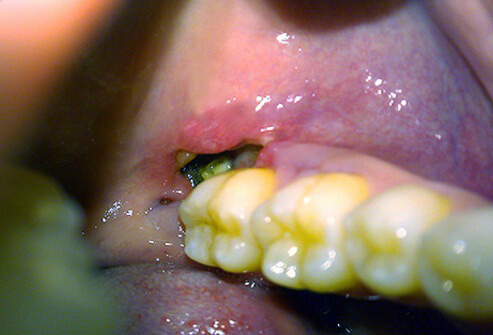
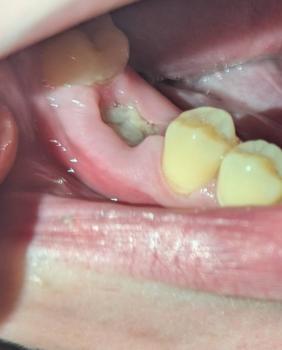
After a tooth is pulled, a protective blood clot forms in the empty socket. This clot is a biological bandage, shielding the underlying bone and nerve endings and providing a framework for new tissue to grow. A dry socket occurs when this crucial clot dislodges or dissolves too early, leaving the sensitive bone and nerves painfully exposed.
This is not just minor discomfort. Patients describe it as a severe, throbbing pain that can radiate from the jaw to the ear, temple, or neck on the same side of the face. Other tell-tale signs include an empty-looking socket, visible bone, and a persistent bad taste or foul breath. The pain typically begins a few days after the extraction and will not resolve on its own.
Why Low-Income Sydneysiders Are at Higher Risk
While anyone can develop a dry socket, the risk is significantly higher for certain groups. Key risk factors that disproportionately affect low-income communities include smoking, poor oral hygiene, difficult extractions, and an inability to follow aftercare instructions, such as getting proper rest.
The Sydney-Specific Crisis: A System That Punishes Delay
The true tragedy unfolds because of Australia's two-tiered dental system. Dental care sits largely outside Medicare, meaning patients bear a much higher share of the cost than for other medical services. For low-income individuals without private health insurance, this creates an impossible choice: pay a large upfront fee or endure the pain.
Here’s the devastating cycle:
-
Fear of Initial Cost: A person delays seeing a dentist for tooth pain.
-
Emergency Extraction: The problem worsens, forcing a more expensive and complex emergency extraction.
-
Development of Dry Socket: Due to risk factors or inability to rest, a dry socket develops.
-
Avoiding Further Treatment: Terrified of another bill, the person tries to "wait out" the excruciating dry socket pain.
-
Escalation to Hospital: The unmanaged pain or a resulting infection becomes unbearable, leading to a visit to a public hospital emergency department.
This final step is the costliest for everyone. While hospital emergency care is free, it is an incredibly expensive way to treat a preventable dental condition, and it only addresses the immediate crisis, not ongoing oral health.
Real-World Consequences: More Than Just a Toothache
Neglecting a dry socket has serious implications:
-
Prolonged Suffering: The pain can be so severe it disrupts sleep, work, and daily life for days or longer without treatment.
-
Risk of Infection: The exposed bone is vulnerable to infection, which can spread.
-
Financial Ruin: The cost snowballs. What starts as a few hundred dollars for an extraction can become thousands in lost wages, emergency dental clinic fees, and associated costs.
A Path Forward: Breaking the Cycle
If you or someone you know is facing a tooth extraction in Sydney, especially under financial strain, these steps are crucial:
-
Know the Symptoms: Severe pain starting a few days after an extraction, an empty socket, and bad breath are red flags. Do not ignore them.
-
**Seek Affordable Care Proactively: Look for community health centres, dental schools, or clinics that offer sliding-scale fees. Some eligibility exists for public dental services.
-
Prioritise Prevention (It's Cheaper): Follow aftercare instructions meticulously: avoid straws and smoking, eat soft foods, and rinse gently with warm salt water after a day. Preventing a dry socket is far cheaper than treating one.
-
Act Immediately if Pain Strikes: If you suspect a dry socket, contact the dentist who performed the extraction or an emergency dental service immediately. Prompt treatment—which involves cleaning the socket and applying a medicated dressing—provides rapid pain relief and prevents worse complications.
Ignoring dental pain is a false economy. In Sydney's expensive landscape, investing in timely, preventive care is not just a health decision—it's the most sound financial decision a person on a low income can make for their long-term wellbeing.
Related Clinical Cases
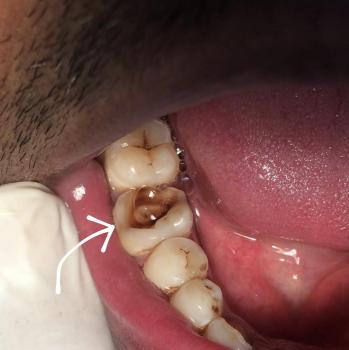
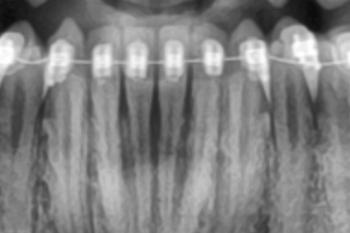
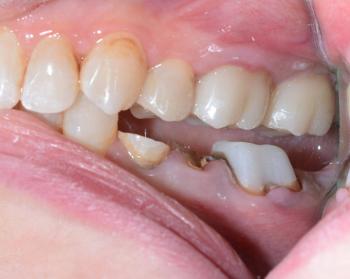
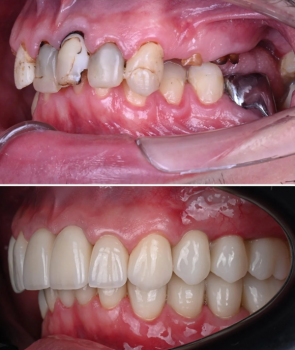
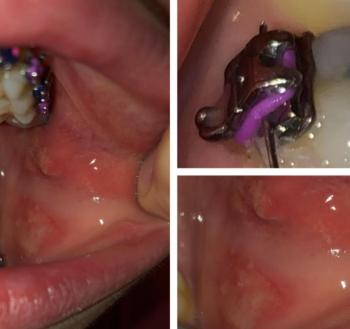
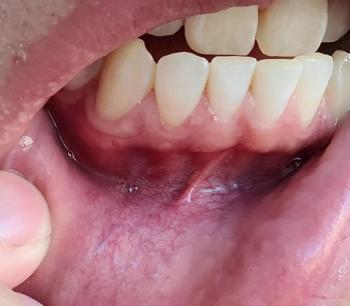
Patients with lower front gum inflammation may also experience tartar buildup, periodontal disease, gum abscesses, or tooth decay. Explore these related clinical case studies.

Other topics:
Other Dental Clinic