Building Confidence One Smile at a Time.

Dry Socket Symptoms: 7 Warning Signs You Should Not Ignore
Language :
Topics:
Losing a tooth is already stressful—and when pain suddenly gets worse instead of better, it can feel alarming. If you’re dealing with increasing discomfort a few days after an extraction, you’re not alone. Many patients worry something went wrong. One common cause is Dry socket, a condition that needs attention but can be treated effectively when caught early.
What Is Dry Socket?
After a tooth is removed, a protective blood clot should form in the socket. This clot acts like a natural bandage, helping the area heal.
Dry socket happens when that clot:
- Doesn’t form properly
- Gets dislodged too early
- Breaks down before healing begins
When this happens, the bone and nerves underneath are exposed—leading to significant pain.
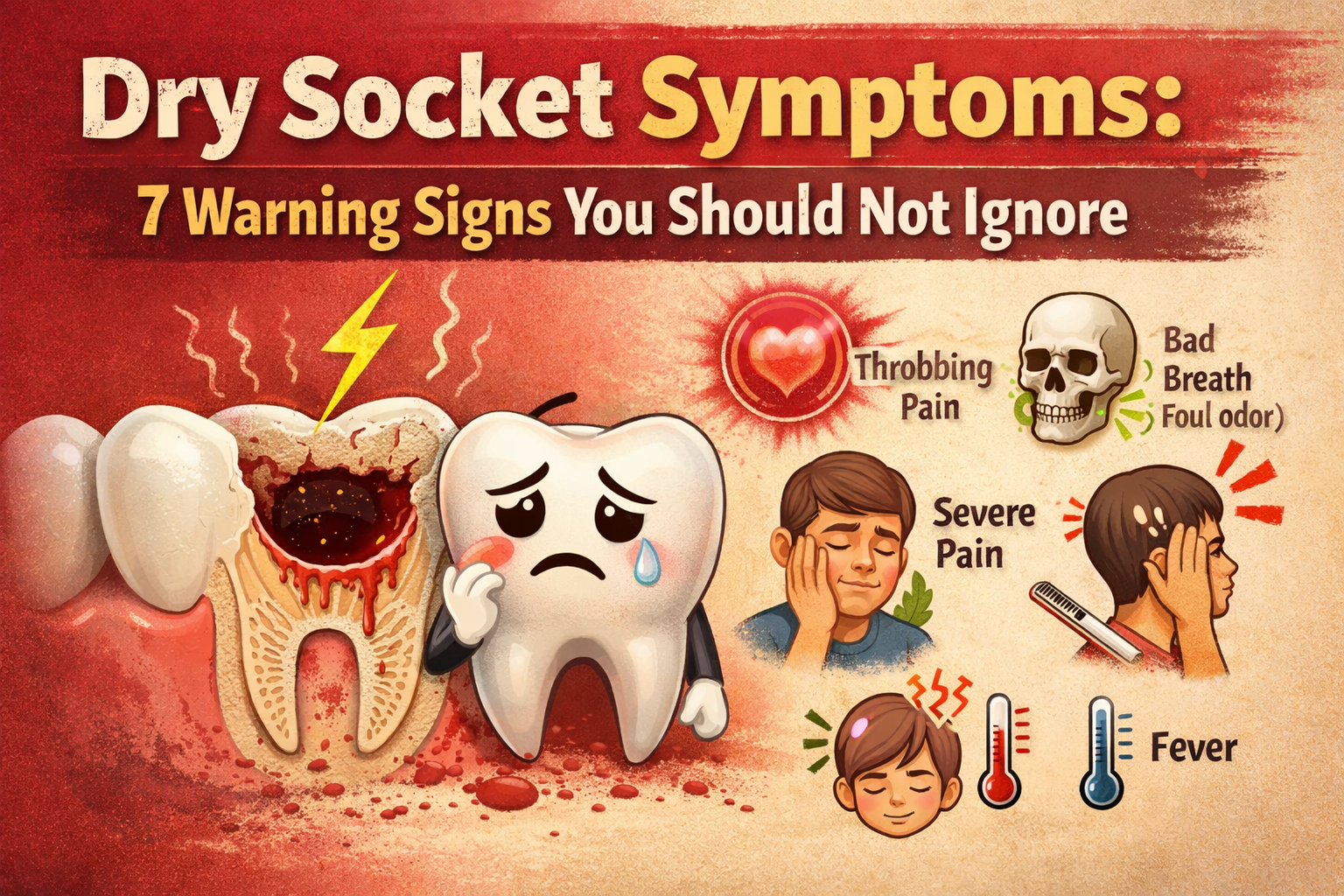
7 Warning Signs You Should Not Ignore
1. Severe Pain 2–4 Days After Extraction
Instead of improving, the pain suddenly becomes intense. This is one of the earliest red flags.
2. Pain Radiating to Ear, Jaw, or Head
The discomfort doesn’t stay in one place—it spreads, making it harder to ignore.
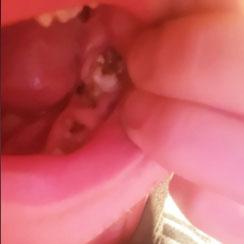
3. Empty or Visible Socket
You may notice that the socket looks empty or whitish instead of having a dark blood clot.
4. Bad Taste in the Mouth
A persistent unpleasant taste that doesn’t go away—even after brushing.
5. Foul Odor (Bad Breath)
This is caused by trapped debris and exposed tissue.
6. Increased Sensitivity
Hot, cold, or even air exposure can trigger sharp pain.
7. Pain That Doesn’t Improve with Medication
Even common pain relievers like Ibuprofen or Paracetamol may not provide enough relief.
When It Becomes Serious (Self-Check Guide)
It’s important to listen to your body. Ask yourself:
- Is the pain getting worse instead of better?
- Does it feel deep, sharp, or throbbing constantly?
- Is there a bad smell or taste that won’t go away?
If you answered yes to 2 or more, there’s a strong chance you may have dry socket.
If you also have swelling, fever, or pus, this could indicate infection, and you should seek dental care immediately.
What You Should Do Right Now
If you suspect dry socket:
- Do not ignore the pain
- Avoid home remedies that disturb the socket
- Contact your dentist as soon as possible
Treatment is simple and usually includes:
- Cleaning the socket
- Placing a medicated dressing
- Pain management
Relief often begins quickly after proper treatment.
Gentle Recovery Tips
While waiting to see your dentist:
- Keep your head elevated
- Avoid smoking or using straws
- Eat soft, cool foods
- Maintain gentle oral hygiene
These steps can help prevent the condition from worsening.
Final Thoughts
Experiencing pain after a tooth extraction can be worrying—but you’re not alone, and it’s manageable. Dry socket may feel intense, but with timely care, healing can get back on track quickly. Trust what your body is telling you, and don’t hesitate to seek help if something feels off.
FAQ
Is dry socket dangerous?
It’s not life-threatening, but it can be very painful and delay healing if untreated.
How long does dry socket pain last?
With treatment, pain usually improves within 24–48 hours.
Can dry socket heal on its own?
It may eventually heal, but professional treatment speeds recovery and reduces pain significantly.
How do I know if my blood clot is gone?
You may see an empty socket or feel increased pain and sensitivity.
Related Topics
- Tooth Extraction Healing Stages Day by Day
- Tooth Extraction Pain Worse at Night
- Tooth Extraction Aftercare Guide
Can tooth extraction cause infection? Mild inflammation is normal, but increasing swelling, fever, or severe pain may indicate infection. Learn more about post-extraction infection warning signs in this detailed guide.
Book a consultation with our Cebu dental specialists for proper evaluation and care.
Ready to get expert guidance?
If you’re experiencing severe pain or delayed healing, book a consultation with our Cebu dental specialists to get proper evaluation and care.
Consultation or contact page .
Book a Consultation
For severe discomfort or delayed healing, book a consultation with our Cebu dental specialists today.
Looking for a dentist? Browse our Cebu dental directory to find trusted clinics near you.
Medical Review and Clinical Basis
This article is based on clinical dental guidelines and real patient recovery patterns observed after tooth extraction procedures. The information reflects common post-extraction healing stages, including normal clot formation, gum tissue repair, and signs of possible complications such as dry socket or infection.
While mild discomfort is expected after a dental extraction, worsening pain after Day 3, bad odor, exposed bone, or spreading pain may require professional evaluation. These symptoms are consistent with known post-extraction complications described in standard dental practice.
About Cebu Dental Implants
Cebu Dental Implants provides comprehensive tooth extraction, surgical procedures, and dental implant services in the Philippines. Our team evaluates post-extraction healing, manages complications such as dry socket, and advises patients on proper aftercare to prevent infection and delayed healing.
If you experience severe pain or unusual symptoms after extraction, early professional assessment is recommended to prevent further complications.
Important Medical Disclaimer
This content is for educational purposes only and does not replace professional dental diagnosis. Every patient heals differently. If symptoms worsen or do not improve within a few days, consult a licensed dentist for proper evaluation and treatment.
Author
This article was prepared by the Cebu Dental Implants content team in consultation with licensed dental professionals experienced in tooth extraction and implant procedures.
Teeth Case
 |
 |
 |
 |
 |
 |