Where Bright Smiles Begin.

The Bitter Truth: Why Tooth Decay is a National Crisis in the Philippines
Language :
Topics:
The Unseen Pain in Every Smile
Walk through any barangay in the Philippines, and you'll see the same story in the smiles of our kababayans: missing teeth, visible decay, and the quiet pain of neglected oral health. This isn't by choice. For millions of Filipinos, dental care has become a luxury they simply cannot afford.
With the cost of living skyrocketing, every peso is allocated to food, transport, and shelter. A dental check-up, which can cost a day's or even a week's wage, is often the first thing to be sacrificed. This reality, fueled by broader systemic failures, has created a silent epidemic of tooth decay that disproportionately punishes low-income families, trapping them in a cycle of pain and financial strain.
The Root of the Problem: What Really Causes Tooth Decay?
While we often blame pasaway habits, the truth is more complex. Many are forced to neglect their oral health until the damage is severe and visible. But to fight the problem, we must understand it.
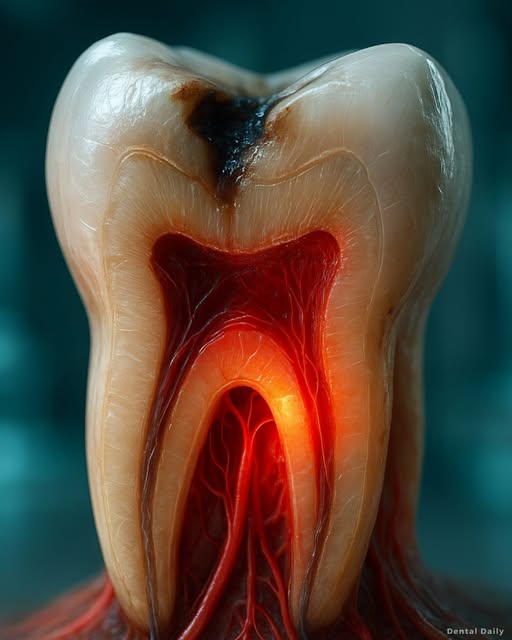
Tooth decay (or caries or butas ng ngipin) is a preventable disease. It's the result of a battle happening right in your mouth.
Here’s a clear breakdown of how it happens:
-
Plaaque Attack: A sticky, invisible film of bacteria called plaque constantly forms on your teeth.
-
The Sugar Feast: When you eat or drink anything with sugar (including kanin, tinapay, and soft drinks), these bacteria throw a party. They consume the sugars and produce a powerful acid as waste.
-
The Acid Assault: This acid starts to dissolve and weaken the hard, protective outer layer of your tooth, the enamel. This is the beginning of a cavity.
-
The Breakdown: If this acid attack happens over and over again, the enamel breaks down, forming a hole or cavity. Left untreated, it burrows deeper into the tooth, causing pain, infection, and eventually, tooth loss.
How to Spot Tooth Decay Early (Before It Hurts Your Wallet)
Waiting for a toothache is the most expensive way to find a cavity. A toothache means the decay has already reached the nerve. Watch for these early warning signs:
-
White Spots: Chalky white areas on the tooth surface can be the first sign of enamel demineralization. At this stage, the damage can often be reversed!
-
Tooth Sensitivity: A twinge of pain with hot, cold, or sweet foods/drinks.
-
Visible Holes or Pits: You might see or feel a tiny hole in your tooth with your tongue.
-
Brown or Black Staining: This can range from a small spot to a visible dark area.
-
Persistent Bad Breath: Decaying food particles and bacteria are a leading cause of halitosis.
Fighting Back: Affordable Prevention in a Time of Crisis
You cannot control the economy, but you can take powerful, low-cost steps to protect your family's teeth. Prevention is not just better than cure; it's infinitely cheaper.
-
Master the Basics (It's Free):
-
Brush Properly: Brush for two minutes, twice a day. Use a soft-bristled brush and fluoride toothpaste. The "isang piraso" (a pea-sized amount) is all you need to make a tube last.
-
Don't Rinse After Brushing: After brushing, just spit out the excess toothpaste. Do not rinse with water. This allows the protective fluoride to stay on your teeth longer.
-
-
Make Smart, Affordable Swaps:
-
Choose Water: Replace sugary drinks like soda and juice with water. It's free and the best drink for your teeth.
-
Limit Sweet Snacks: Instead of chichirya and kendi, opt for healthier local options like a piece of fruit.
-
-
Leverage Community Resources:
-
Barangay Health Centers: Ask if they offer any basic dental services or oral health education. Sometimes they have free check-ups or fluoride varnish programs.
-
Public Hospitals & Dental Schools: Dental schools (like at the University of the Philippines or other state universities) often provide low-cost treatments by supervised students. It's a high-quality, affordable option.
-
A Final Word of Hope
The state of dental health in the Philippines is a heavy burden, but it is not your fault. It is a failure of the system. However, by understanding the science of decay and committing to consistent, low-cost preventive care, you can shield your family from the worst of it.
Your smile is your asset. Let’s fight to protect it, one toothbrush at a time.
Looking for dentist : Visit directory list
Related Clinical Cases
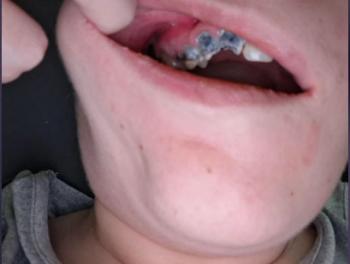
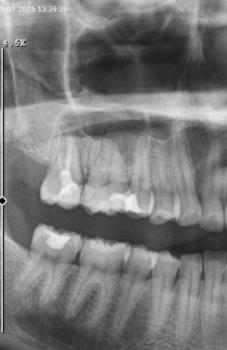
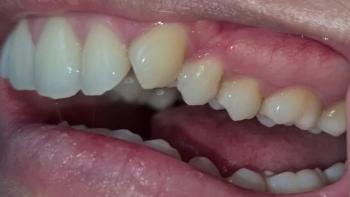
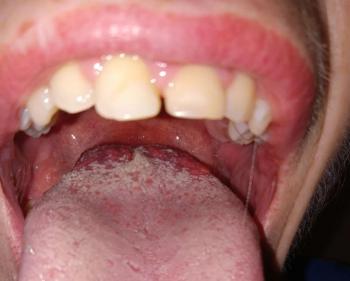
Patients with lower front gum inflammation may also experience tartar buildup, periodontal disease, gum abscesses, or tooth decay. Explore these related clinical case studies.



Other topics:
Other Dental Clinic