Because Every Tooth Deserves Care.

Cheap Dental Implants Abroad: What Canadians Need to Know
Language :
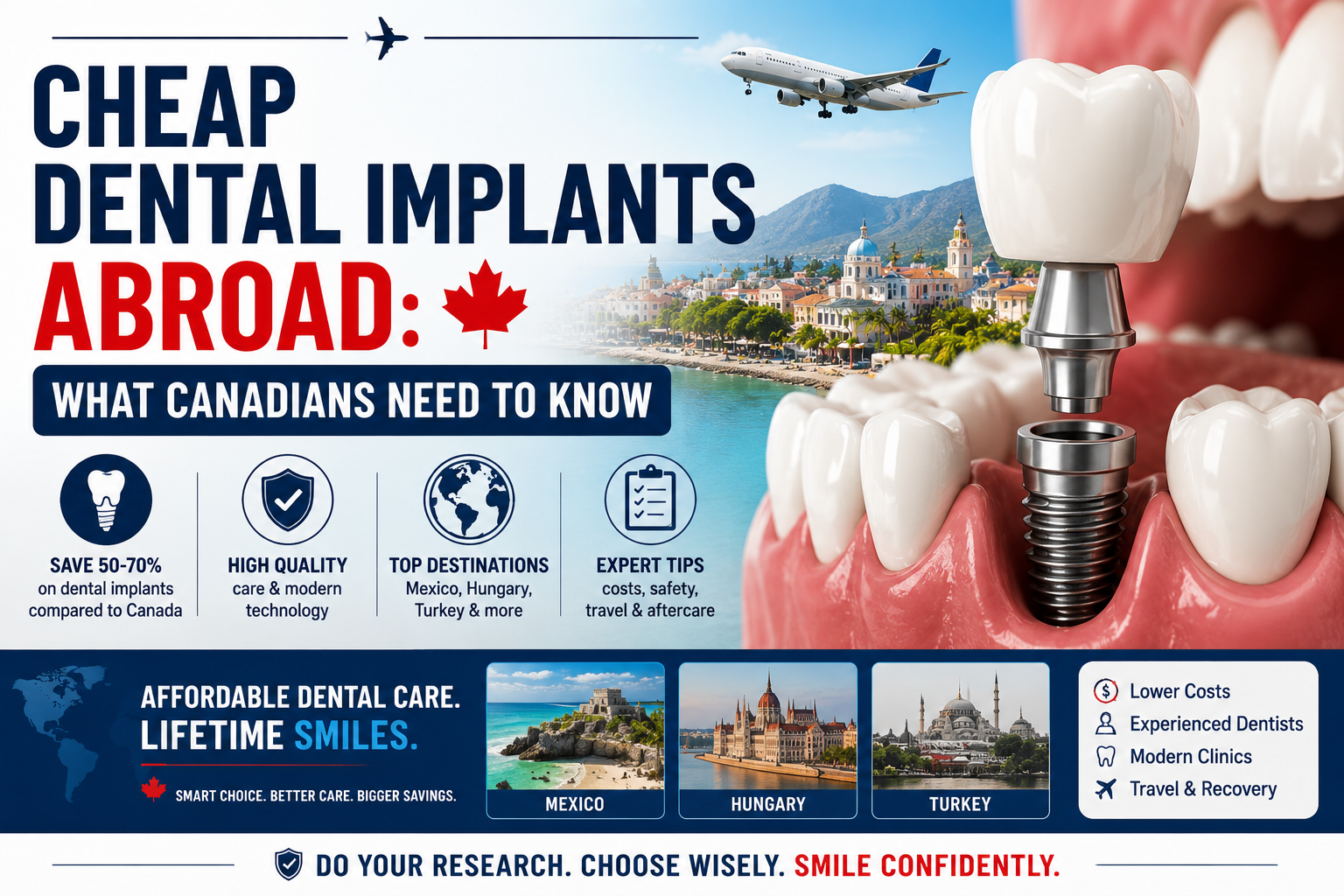
A Toronto Dentist’s 15-Year Expert Guide to Dental Tourism
Dental treatment costs are one of the biggest reasons Canadians consider traveling abroad for dental care. Over the past 15 years working with patients in Toronto and consulting on restorative and implant dentistry cases, I have seen increasing numbers of Canadians asking the same question:
“Is it worth leaving Canada to save money on dental treatment?”
For some patients, dental tourism can provide real financial savings. For others, it may lead to unexpected complications, emergency repairs, and higher long-term expenses.
The truth is more complex than many advertisements suggest.
This guide explains:
- Why Canadians travel for dental work
- Popular dental tourism destinations
- Potential savings
- Risks and complications
- Dental implant concerns
- Safety considerations
- Realistic expectations
- Practical advice from a Canadian dental perspective
This article is written in beginner-friendly language while providing detailed insights for patients researching dental tourism in 2026.
What Is Dental Tourism?
Dental tourism refers to traveling to another country for dental treatment, usually because treatment costs are lower than in the patient’s home country.
Many Canadians travel abroad for:
- Dental implants
- Crowns
- Veneers
- Dentures
- Full-mouth reconstruction
- Cosmetic dentistry
Patients often combine treatment with vacation travel.
Why Canadians Consider Dental Work Abroad
Rising Dental Costs in Canada
Dental care in Canada is primarily private, meaning many procedures are paid out-of-pocket unless patients have insurance or government assistance.
Complex procedures such as implants or full-mouth rehabilitation can become expensive.
Common Reasons Patients Travel Abroad
Lower Treatment Costs
This is the biggest motivation.
Patients may see advertisements claiming:
- “70% cheaper implants”
- “Full smile makeover packages”
- “All-inclusive dental vacations”
Limited Insurance Coverage
Many insurance plans provide only partial coverage for:
- Implants
- Cosmetic procedures
- Orthodontics
Faster Scheduling
Some international clinics advertise:
- Immediate appointments
- Short treatment timelines
- Same-week smile transformations
Vacation Opportunity
Patients sometimes combine:
- Beach vacations
- Tourism
- Dental treatment
A Short Canadian Dental Tourism Story
Michael’s Experience From Toronto
Michael, a 54-year-old patient from Toronto, postponed replacing several missing teeth because implant treatment estimates in Canada exceeded his budget.
After researching online, he traveled abroad for lower-cost implants advertised as “luxury dental tourism.”
Initially, everything seemed successful:
- Modern clinic
- Friendly staff
- Lower prices
- Fast treatment
However, six months later, one implant became loose after he returned to Canada.
When he visited a Toronto dentist for evaluation, several problems were discovered:
- Incomplete healing
- Bite imbalance
- Poor implant positioning
Corrective treatment eventually cost far more than expected.
Not every dental tourism story ends badly, but this situation highlights the importance of careful research and realistic expectations.
Most Popular Countries for Canadian Dental Tourism
Mexico
Mexico remains one of the most popular destinations for North American dental tourism.
Common Reasons
- Lower costs
- Proximity to Canada and USA
- Large dental tourism industry
Common Treatments
- Implants
- Veneers
- Crowns
- Dentures
Costa Rica
Costa Rica is known for:
- Modern clinics
- English-speaking providers
- Dental vacation packages
Many patients seek cosmetic dentistry here.
Turkey
Turkey has become globally popular for:
- Veneers
- Smile makeovers
- Full-mouth restorations
Aggressive online marketing has increased demand.
Thailand
Thailand offers:
- Advanced cosmetic dentistry
- Luxury medical tourism
- International clinics
Hungary
Hungary is a major European dental tourism hub, especially for:
- Implants
- Crowns
- Complex restorative work
How Much Can Canadians Save?
Savings vary greatly depending on:
- Procedure type
- Country
- Clinic quality
- Travel expenses
Comparison Table: Approximate Costs
| Procedure | Canada | Abroad (Estimated) |
|---|---|
| Dental Implant | CAD $4,000–$7,000 | CAD $1,500–$3,500 |
| Crown | CAD $1,200–$2,000 | CAD $400–$900 |
| Veneers | CAD $1,000–$2,500 | CAD $300–$800 |
| Full Dentures | CAD $2,000–$5,000 | CAD $800–$2,500 |
Lower prices can be attractive, especially for large treatment plans.
Why Are Some Countries Cheaper?
Lower Operating Costs
Many countries have:
- Lower labor costs
- Lower clinic rent
- Lower insurance expenses
Currency Exchange Advantages
Canadian dollars may stretch further in some countries.
Competitive Dental Tourism Markets
Certain destinations aggressively compete for international patients.
Important Question: Is Cheaper Always Better?
Not necessarily.
Low pricing alone should never determine dental decisions.
Quality, safety, training, sterilization, materials, and long-term follow-up matter tremendously.
Potential Benefits of Dental Tourism
1. Lower Immediate Costs
Patients may save thousands on major restorative treatment.
2. Access to Cosmetic Dentistry
Smile makeover procedures may become financially accessible.
3. Faster Treatment Timelines
Some clinics complete:
- Crowns
- Veneers
- Implant restorations
within shorter timeframes.
4. Vacation Experience
Some patients enjoy combining:
- Recovery
- Relaxation
- Travel
Major Risks of Dental Tourism
1. Limited Follow-Up Care
One of the biggest concerns is long-term maintenance.
Dental work often requires:
- Adjustments
- Repairs
- Monitoring
This becomes difficult when treatment occurs overseas.
2. Complications After Returning to Canada
Canadian dentists may not always want to repair work completed elsewhere, especially if:
- Records are incomplete
- Materials are unknown
- Treatment quality is questionable
3. Different Standards and Regulations
Dental regulations vary significantly worldwide.
Not all countries follow the same:
- Sterilization protocols
- Licensing standards
- Infection control procedures
4. Unrealistic Treatment Timelines
Some clinics advertise:
- “Teeth in one day”
- “Full smile in a week”
While possible in selected cases, rushed dentistry may increase risks.
Healing biology cannot always be accelerated safely.
5. Communication Barriers
Language differences may affect:
- Consent
- Treatment understanding
- Emergency instructions
Clear communication is critical in dentistry.
Dental Implants Abroad: Special Considerations
Implants are among the most common reasons Canadians seek dental tourism.
However, implants are also one of the most technically demanding procedures.
Implant Success Depends on Many Factors
Bone Quality
Patients may require:
- Bone grafts
- Sinus lifts
- Healing time
Bite Alignment
Improper bite forces can damage implants.
Long-Term Maintenance
Implants require:
- Regular monitoring
- Hygiene care
- Professional maintenance
Cheap Implant Packages Can Be Risky
Some low-cost clinics reduce expenses by:
- Using lower-cost implant systems
- Rushing surgery
- Skipping diagnostics
Not every low-cost clinic does this, but patients should investigate carefully.
Veneers and Smile Makeovers Abroad
Cosmetic dentistry is heavily marketed internationally.
Potential Problems Include:
- Excessive tooth shaving
- Overly white unnatural veneers
- Gum irritation
- Bite problems
Cosmetic work should preserve as much healthy tooth structure as possible.
How Canadian Dentists View Dental Tourism
Most Canadian dentists understand why patients explore lower-cost options.
Dental care can be expensive, especially for:
- Uninsured adults
- Retirees
- Large implant cases
However, experienced dentists also see complications from rushed or poorly planned overseas treatment.
Warning Signs When Researching Overseas Clinics
Extremely Low Prices
If pricing seems unrealistically cheap, patients should ask why.
Guaranteed Results
No ethical dentist can guarantee perfect outcomes.
Biology varies between patients.
Aggressive Social Media Marketing
Before-and-after photos do not always reveal:
- Long-term success
- Underlying complications
- Functional issues
No Detailed Consultation
Patients deserve:
- X-ray review
- Full diagnosis
- Treatment alternatives
- Risk explanations
How to Research a Dental Clinic Abroad
Verify Dentist Credentials
Research:
- Licensing
- Education
- Professional memberships
Read Independent Reviews Carefully
Look beyond star ratings.
Pay attention to:
- Long-term patient experiences
- Complication handling
- Communication quality
Request Treatment Details
Ask:
- What implant system is used?
- What materials are used?
- What happens if complications occur?
Confirm Sterilization Standards
Infection control is critical for patient safety.
Ask About Follow-Up Policies
Patients should know:
- Warranty terms
- Repair policies
- Emergency support options
Travel Costs May Reduce Savings
Patients sometimes overlook:
- Flights
- Hotels
- Transportation
- Lost work time
- Follow-up trips
These expenses can reduce actual savings.
Comparison: Dental Work Abroad vs Canada
| Factor | Canada | Abroad |
|---|---|---|
| Regulation Consistency | High | Varies |
| Follow-Up Access | Easier | Harder |
| Treatment Cost | Higher | Often Lower |
| Emergency Repairs | Accessible | Limited |
| Travel Expenses | None | Additional |
| Communication | Easier | May Vary |
When Dental Tourism May Make More Sense
Some patients may benefit when:
- Large treatment plans are needed
- Financial limitations are significant
- The overseas clinic is well-researched
- Adequate follow-up planning exists
When Staying in Canada May Be Safer
Patients with:
- Complex medical conditions
- Severe bone loss
- Advanced gum disease
- High complication risk
may benefit from local long-term care continuity.
Beginner-Friendly Questions Patients Should Ask
Before traveling abroad, ask:
- What exactly is included in the quote?
- How many visits are required?
- What complications are possible?
- What if something fails later?
- Will my Canadian dentist maintain this work?
Practical Advice From a Toronto Dentist With 15 Years of Experience
Never Choose Dentistry Based Only on Price
Cheap dentistry that fails may become extremely expensive later.
Prioritize Diagnosis Over Marketing
A proper examination matters more than online advertisements.
Keep Copies of All Records
Request:
- X-rays
- Implant details
- Material information
- Surgical notes
This helps future dentists if complications occur.
Understand Healing Takes Time
Good dentistry respects biology.
Rushing treatment may increase failure risk.
Preventive Dentistry Is Still the Best Investment
Many expensive procedures become necessary only after years of delayed care.
Routine maintenance remains the smartest financial strategy.
The Emotional Side of Dental Tourism
Patients often feel:
- Hopeful about savings
- Nervous about travel
- Excited for cosmetic improvements
Unfortunately, some also experience:
- Anxiety after complications
- Difficulty finding local follow-up care
- Unexpected additional expenses
Patients should make decisions calmly and carefully.
Frequently Asked Questions (FAQs)
Is dental work abroad safe for Canadians?
Some international clinics provide excellent care, but standards vary greatly. Research is essential.
Which country is best for dental tourism?
Popular destinations include Mexico, Costa Rica, Turkey, Thailand, and Hungary.
Can Canadians really save money overseas?
Yes, especially on implants and cosmetic dentistry, but travel and repair costs must be considered.
Are overseas dental implants reliable?
Some are excellent, while others fail due to poor planning, rushed healing, or low-quality materials.
Will Canadian dentists fix overseas dental work?
Some may help, but others may hesitate if records or materials are unclear.
Is dental tourism worth it for veneers?
Possibly, but patients should be cautious about aggressive tooth reduction and unrealistic cosmetic promises.
Why are Canadian dental prices higher?
Higher operating expenses, regulatory standards, staffing costs, and technology contribute to pricing.
Should seniors travel abroad for dental treatment?
Some seniors do successfully, but medical history and follow-up needs should be carefully considered.
Final Thoughts: Should Canadians Travel Abroad for Dental Work?
Dental tourism is neither automatically good nor automatically bad.
Some Canadians receive high-quality treatment abroad and save substantial money. Others face complications that become difficult and expensive to correct after returning home.
After 15 years working with Toronto dental patients, the most important lesson is this:
Successful dentistry depends on careful diagnosis, long-term planning, quality materials, and proper follow-up — not simply the lowest price.
Patients considering dental tourism should:
- Research clinics thoroughly
- Understand risks honestly
- Plan for follow-up care
- Avoid rushed decisions
- Prioritize long-term oral health
Whether treatment happens in Canada or abroad, informed decision-making remains the key to achieving safe, functional, and lasting dental results.
Can tooth extraction cause infection? Mild inflammation is normal, but increasing swelling, fever, or severe pain may indicate infection. Learn more about post-extraction infection warning signs in this detailed guide.
Book a consultation with our Cebu dental specialists for proper evaluation and care.
Ready to get expert guidance?
If you’re experiencing severe pain or delayed healing, book a consultation with our Cebu dental specialists to get proper evaluation and care.
Consultation or contact page .
Book a Consultation
For severe discomfort or delayed healing, book a consultation with our Cebu dental specialists today.
Looking for a dentist? Browse our Cebu dental directory to find trusted clinics near you.
Medical Review and Clinical Basis
This article is based on clinical dental guidelines and real patient recovery patterns observed after tooth extraction procedures. The information reflects common post-extraction healing stages, including normal clot formation, gum tissue repair, and signs of possible complications such as dry socket or infection.
While mild discomfort is expected after a dental extraction, worsening pain after Day 3, bad odor, exposed bone, or spreading pain may require professional evaluation. These symptoms are consistent with known post-extraction complications described in standard dental practice.
About Cebu Dental Implants
Cebu Dental Implants provides comprehensive tooth extraction, surgical procedures, and dental implant services in the Philippines. Our team evaluates post-extraction healing, manages complications such as dry socket, and advises patients on proper aftercare to prevent infection and delayed healing.
If you experience severe pain or unusual symptoms after extraction, early professional assessment is recommended to prevent further complications.
Important Medical Disclaimer
This content is for educational purposes only and does not replace professional dental diagnosis. Every patient heals differently. If symptoms worsen or do not improve within a few days, consult a licensed dentist for proper evaluation and treatment.
Author
This article was prepared by the Cebu Dental Implants content team in consultation with licensed dental professionals experienced in tooth extraction and implant procedures.
Related Clinical Cases
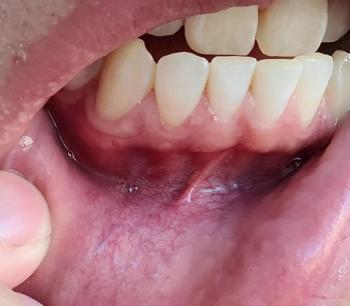
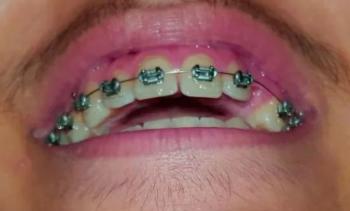
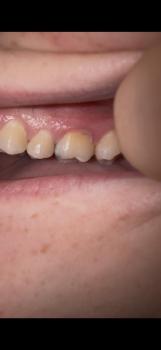
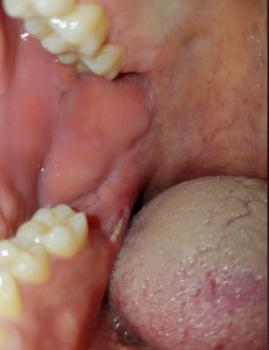
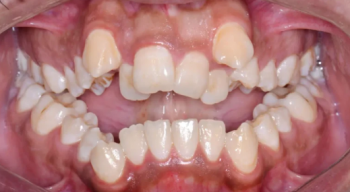
Patients with lower front gum inflammation may also experience tartar buildup, periodontal disease, gum abscesses, or tooth decay. Explore these related clinical case studies.


Other topics:
Other Dental Clinic