Where Bright Smiles Begin.

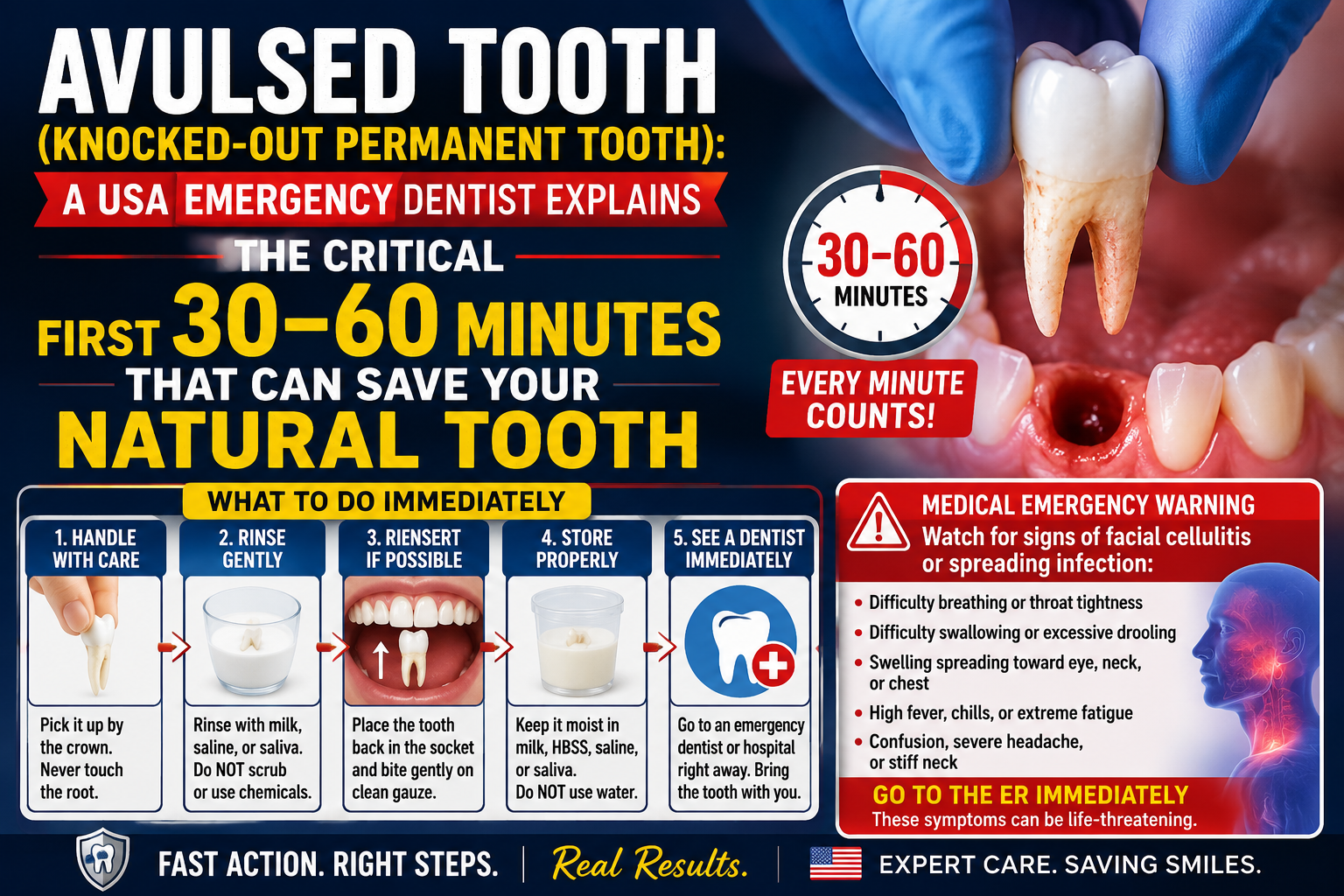
Avulsed Tooth (Knocked-Out Permanent Tooth): A USA Emergency Dentist Explains the Critical First 30–60 Minutes That Can Save Your Natural Tooth
Language :
Topics:
Avulsed Tooth (Knocked-Out Permanent Tooth): An Experienced USA Emergency Dentist Explains the Critical First 30 Minutes That Can Save Your Natural Tooth
Every Second Counts: Why a Knocked-Out Tooth Is a True Dental Emergency
Imagine playing basketball, riding a bicycle, participating in a football game, or being involved in a car accident. Within seconds, a permanent tooth is completely knocked out of the mouth.
Many people panic.
Some throw the tooth away.
Others wrap it in tissue.
Unfortunately, these common mistakes can permanently destroy the tiny living cells that are essential for saving the tooth.
As an emergency dentist with decades of experience treating traumatic dental injuries, I cannot emphasize this enough:
A completely knocked-out permanent tooth (called an avulsed tooth) is one of the few dental emergencies where what you do during the first 30 to 60 minutes can determine whether the tooth survives or is lost forever.
Fortunately, immediate and proper first aid dramatically increases the likelihood that your dentist can successfully replant the tooth.
This guide explains exactly what to do—and what never to do—if a permanent tooth is knocked out.
What Is an Avulsed Tooth?
A dental avulsion occurs when a tooth is completely displaced from its socket.
Unlike a chipped or broken tooth, an avulsed tooth has been entirely removed from the jawbone.
The injury damages:
- Blood vessels
- Nerves
- Periodontal ligament fibers
- Supporting bone
- Surrounding gum tissue
The tiny periodontal ligament cells attached to the root are incredibly delicate.
These living cells are the key to successful healing.
Once they dry out, they begin dying rapidly.
That is why time matters so much.
Why the First 30–60 Minutes Are Critical
Emergency dentists often refer to the first hour after avulsion as the Golden Hour.
Within this period:
- Root ligament cells remain alive.
- The tooth has the highest chance of successful reattachment.
- Long-term complications are significantly reduced.
After prolonged drying:
- Root cells die.
- The body may reject the tooth.
- Root resorption becomes much more likely.
- Ankylosis (fusion to bone) may occur.
- Future tooth loss becomes increasingly likely.
The sooner treatment begins, the better the outcome.
Step 1: Stay Calm and Find the Tooth
If possible:
- Locate the tooth immediately.
- Handle it carefully.
- Keep children calm.
- Control any bleeding from the mouth.
Avoid unnecessary delay.
Do not spend valuable minutes searching if emergency medical care is needed for serious injuries.
Step 2: Hold the Tooth Correctly
This is perhaps the most important instruction.
Always pick up the tooth by the crown.
The crown is the white chewing surface that is normally visible in the mouth.
Never touch:
- The root
- Root surface
- Attached fibers
Why?
Because the root contains microscopic living cells responsible for reattachment.
Touching or rubbing them damages these cells.
Step 3: If Dirty, Rinse It Gently
If dirt or debris is present:
Use:
- Cold fresh milk
- Sterile saline
- Patient's saliva
Gently rinse for only a few seconds.
Never:
- Scrub
- Brush
- Use toothpaste
- Use soap
- Use alcohol
- Use disinfectants
- Scrape the root
- Dry the tooth
Even gentle rubbing can destroy living ligament cells.
Step 4: Attempt Immediate Reinsertion
If the patient:
- Is awake
- Is cooperative
- Has no severe facial fractures
- Can safely follow instructions
Try placing the tooth back into the socket immediately.
Insert it gently in the correct orientation.
Do not force it.
Once seated:
Have the patient bite softly on:
- Clean gauze
- Clean cloth
- Folded napkin
This stabilizes the tooth until emergency dental treatment is available.
Immediate replantation generally offers the highest success rate.
Step 5: If Reinsertion Is Not Possible
Sometimes reinsertion cannot be safely attempted.
Examples include:
- Young frightened children
- Unconscious patients
- Significant facial trauma
- Excessive bleeding
- Uncertainty regarding tooth orientation
In these situations, keeping the tooth moist becomes the priority.
Best Storage Solutions
The ideal storage medium keeps periodontal ligament cells alive.
Recommended options include:
Fresh Cold Milk
Milk is widely available.
It maintains cell viability remarkably well.
Whole or low-fat milk are both acceptable.
Hank's Balanced Salt Solution (HBSS)
HBSS is considered the gold standard for storing avulsed teeth.
Many sports facilities and schools keep emergency tooth preservation kits containing HBSS.
Sterile Saline
Normal saline is another excellent choice.
Hospitals and emergency responders frequently use it.
Patient's Saliva
If no other option exists:
Have the patient spit into a clean container.
Submerge the tooth completely.
Do not store the tooth loosely in the mouth if the patient is unconscious or could accidentally swallow it.
Why Tap Water Is Harmful
Many people instinctively place the tooth in water.
Unfortunately, plain tap water is actually harmful.
Water causes periodontal ligament cells to swell and burst due to osmotic damage.
Only use water if absolutely nothing else is available.
Even then, seek emergency treatment immediately.
Get to an Emergency Dentist Immediately
Do not wait.
Do not schedule an appointment for tomorrow.
Drive directly to:
- Emergency dentist
- Dental trauma center
- Hospital emergency department if no dentist is immediately available
Bring:
- The tooth
- Any broken fragments
- Medical information
- List of medications
- Information about allergies
The dentist will determine whether replantation is appropriate.
What Will the Dentist Do?
Treatment often includes:
- Clinical examination
- Dental X-rays
- Cleaning the socket
- Gentle replantation
- Flexible splint placement
- Bite adjustment
- Antibiotics
- Tetanus evaluation
- Follow-up care
- Possible root canal therapy
The exact treatment depends upon:
- Extraoral dry time
- Root development
- Patient age
- Injury severity
- Socket condition
What If the Tooth Cannot Be Saved?
Despite everyone's best efforts, some teeth cannot be successfully replanted.
Reasons include:
- Extended dry time
- Severe root damage
- Extensive fractures
- Bone destruction
- Infection
Modern dentistry offers excellent replacement options, including:
- Dental implants
- Bridges
- Partial dentures
However, preserving the natural tooth remains the preferred goal whenever possible.
Knocked-Out Baby Teeth Require Different Treatment
Parents often assume every knocked-out tooth should be placed back into the mouth.
This is not true for primary (baby) teeth.
Never attempt to reinsert a baby tooth.
Doing so can damage the developing permanent tooth underneath.
Instead:
- Apply gentle pressure with clean gauze.
- Control bleeding.
- Contact a pediatric dentist promptly.
- Monitor the child for additional injuries.
Although losing a baby tooth may look alarming, protecting the permanent successor is the priority.
Emergency Medical Warning: Watch for Facial Cellulitis
While dealing with any serious dental injury, it is equally important to recognize the warning signs of dental-origin facial cellulitis, a rapidly spreading bacterial infection that can become life-threatening if it reaches the airway, neck, or bloodstream.
Go to the nearest emergency department or call emergency services immediately if you develop any of the following:
- Difficulty breathing or a feeling of throat tightness.
- Difficulty swallowing or inability to manage saliva, resulting in excessive drooling.
- Swelling that spreads quickly toward the eye, cheek, neck, or chest.
- High fever, chills, or profound fatigue.
- Confusion, disorientation, severe headache, or a stiff neck.
These symptoms require urgent medical evaluation and should never be managed at home.
Can tooth extraction cause infection? Mild inflammation is normal, but increasing swelling, fever, or severe pain may indicate infection. Learn more about post-extraction infection warning signs in this detailed guide.
Book a consultation with our Cebu dental specialists for proper evaluation and care.
Ready to get expert guidance?
If you’re experiencing severe pain or delayed healing, book a consultation with our Cebu dental specialists to get proper evaluation and care.
Consultation or contact page .
Book a Consultation
For severe discomfort or delayed healing, book a consultation with our Cebu dental specialists today.
Looking for a dentist? Browse our Cebu dental directory to find trusted clinics near you.
Medical Review and Clinical Basis
This article is based on clinical dental guidelines and real patient recovery patterns observed after tooth extraction procedures. The information reflects common post-extraction healing stages, including normal clot formation, gum tissue repair, and signs of possible complications such as dry socket or infection.
While mild discomfort is expected after a dental extraction, worsening pain after Day 3, bad odor, exposed bone, or spreading pain may require professional evaluation. These symptoms are consistent with known post-extraction complications described in standard dental practice.
About Cebu Dental Implants
Cebu Dental Implants provides comprehensive tooth extraction, surgical procedures, and dental implant services in the Philippines. Our team evaluates post-extraction healing, manages complications such as dry socket, and advises patients on proper aftercare to prevent infection and delayed healing.
If you experience severe pain or unusual symptoms after extraction, early professional assessment is recommended to prevent further complications.
Important Medical Disclaimer
This content is for educational purposes only and does not replace professional dental diagnosis. Every patient heals differently. If symptoms worsen or do not improve within a few days, consult a licensed dentist for proper evaluation and treatment.
Author
This article was prepared by the Cebu Dental Implants content team in consultation with licensed dental professionals experienced in tooth extraction and implant procedures.
Related Clinical Cases
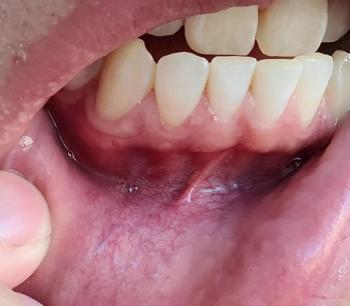
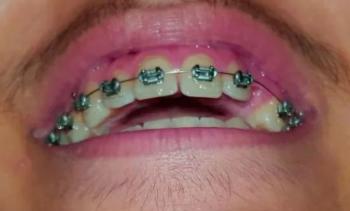
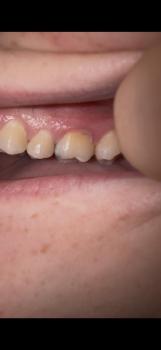
Patients with lower front gum inflammation may also experience tartar buildup, periodontal disease, gum abscesses, or tooth decay. Explore these related clinical case studies.


Other topics:
Other Dental Clinic