From Pain to Perfect — We Care for Your Smile.

What Happens If You Don’t Replace a Missing Tooth? Nebraska USA Expert Guide
Language :
Losing a tooth can happen unexpectedly. Some people lose teeth because of cavities, gum disease, sports injuries, accidents, or aging. Others may need a tooth extraction because the damage is too severe to repair. After the tooth is removed, many patients wonder if replacement is truly necessary.
As a dental professional with more than 20 years of experience helping patients across the United States, I can confidently say that leaving a missing tooth untreated often leads to much bigger oral health problems over time. Even if the missing tooth is located in the back of the mouth and not visible when smiling, the empty space can gradually affect your jawbone, bite alignment, chewing ability, speech, and long-term dental health.
In Nebraska, many adults delay treatment because they hope the problem will not worsen or because they are concerned about costs. Unfortunately, ignoring a missing tooth may eventually lead to more expensive and complicated dental procedures later.
This complete Nebraska USA expert guide explains what happens if you don’t replace a missing tooth, the risks involved, treatment options available, and practical advice to protect your smile and oral health.
Why Replacing a Missing Tooth Matters
Your teeth work together as a complete system. Every tooth helps maintain:
- Proper chewing function
- Jaw alignment
- Bone stimulation
- Facial support
- Speech clarity
When one tooth disappears, nearby teeth and supporting structures begin adapting to the empty space. This process may happen slowly, but it can create serious long-term consequences.
What Happens Immediately After Tooth Loss?
The Healing Process Begins
After tooth extraction or tooth loss, the gum tissue starts healing quickly. However, underneath the gums, the jawbone also begins changing.
The tooth root normally stimulates the jawbone during chewing. Once the root is gone, the body no longer receives signals that the bone is needed.
As a result, bone shrinkage may begin.
Jawbone Loss After Missing Teeth
Why Bone Loss Happens
The jawbone depends on regular pressure from tooth roots to remain healthy and strong.
Without stimulation:
- Bone tissue starts shrinking
- Jaw density decreases
- Facial structure changes over time
This process is called bone resorption.
How Fast Does Bone Loss Occur?
Bone loss can begin within the first few months after tooth extraction.
In many patients:
- Significant bone reduction occurs during the first year
- Bone continues shrinking gradually over time
- Future implant placement becomes more difficult
The longer the tooth remains missing, the more severe the bone loss may become.
Facial Appearance Changes
Many people do not realize that teeth help support facial structure.
Missing teeth may eventually contribute to:
- Sunken cheeks
- Wrinkles around the mouth
- Collapsed facial appearance
- Premature aging
This is especially common when multiple teeth are missing.
Teeth Begin Shifting
Teeth Naturally Move Into Empty Spaces
When a tooth is missing, surrounding teeth often drift toward the gap.
This movement can lead to:
- Crooked teeth
- Bite imbalance
- Crowding
- Difficulty cleaning between teeth
Even small shifts may increase the risk of cavities and gum disease.
Opposing Teeth May Over-Erupt
The tooth opposite the missing gap may continue moving downward or upward because it no longer has contact with another tooth.
This can create:
- Bite problems
- Uneven tooth wear
- Jaw discomfort
- Increased fracture risk
Bite Problems and Jaw Stress
Missing Teeth Affect Your Entire Bite
Your bite depends on balanced contact between upper and lower teeth.
Losing even one tooth may change:
- Chewing pressure
- Jaw movement
- Muscle balance
Over time, these changes may place excessive strain on the jaw joints.
TMJ Disorders
Some patients develop temporomandibular joint problems after tooth loss.
Symptoms may include:
- Jaw pain
- Headaches
- Clicking sounds
- Difficulty opening the mouth
- Facial tension
While missing teeth are not the only cause of TMJ disorders, they can contribute significantly.
Difficulty Chewing Food
Back Teeth Are Especially Important
Molars and premolars handle most chewing forces.
Without them:
- Hard foods become difficult to chew
- Patients may avoid nutritious foods
- Chewing efficiency decreases
Many people start chewing only on one side of the mouth, causing uneven stress.
Digestive Concerns
Poor chewing may affect digestion because food is not broken down properly before swallowing.
This can indirectly impact overall health and nutrition.
Speech Changes From Missing Teeth
Teeth Help Form Certain Sounds
Front teeth are critical for proper pronunciation.
Missing teeth may affect sounds such as:
- S
- F
- TH
Speech changes can create embarrassment in social or professional situations.
Emotional and Psychological Effects
Confidence Often Declines
Many patients feel self-conscious after losing a tooth.
Common emotional effects include:
- Avoiding smiles
- Reduced self-esteem
- Social anxiety
- Embarrassment during conversations
This can affect personal relationships and professional confidence.
Increased Risk of Gum Disease
Empty Spaces Trap Food and Bacteria
Gaps between teeth may collect food particles more easily.
This increases the risk of:
- Plaque buildup
- Gum inflammation
- Tooth decay
- Periodontal disease
Poor oral hygiene around the missing area can accelerate further tooth loss.
What Happens If Multiple Teeth Are Missing?
Problems Multiply Quickly
The loss of several teeth often creates more severe complications, including:
- Significant bone loss
- Facial collapse
- Difficulty eating
- Speech difficulties
- Severe bite instability
Patients missing multiple teeth may eventually require full-mouth rehabilitation.
Is It Ever Okay Not to Replace a Missing Tooth?
Sometimes, But Rarely
Certain situations may not require immediate replacement.
Examples include:
- Missing wisdom teeth
- Certain non-functional teeth
- Serious medical limitations
However, most missing teeth should still be professionally evaluated.
Why Dental Implants Are Often Recommended
Dental Implants Replace the Tooth Root
Unlike bridges or dentures, dental implants replace both:
- The visible tooth
- The missing root
This is important because the implant continues stimulating the jawbone.
What Is a Dental Implant?
A dental implant usually includes:
- Titanium implant post
- Abutment connector
- Custom dental crown
The implant integrates with the jawbone during healing.
Benefits of Dental Implants
Bone Preservation
Implants help reduce bone shrinkage by providing stimulation similar to natural tooth roots.
Natural Appearance
Modern implants are designed to look highly realistic.
Most people cannot distinguish implants from natural teeth.
Strong Chewing Function
Implants restore chewing strength more effectively than removable dentures.
Patients can often enjoy:
- Steak
- Apples
- Nuts
- Crunchy vegetables
with greater comfort.
Long-Term Stability
With proper care, implants may last for decades.
Many patients view implants as a long-term investment.
Comparison: Leaving a Missing Tooth vs Replacing It
| Factor | Leave Tooth Missing | Replace With Implant |
|---|---|---|
| Bone Preservation | Bone loss occurs | Helps preserve bone |
| Chewing Ability | Reduced | Restored |
| Appearance | Gap visible | Natural-looking |
| Bite Stability | Teeth shift | Stable bite |
| Speech | May worsen | Usually improved |
| Long-Term Health | More complications | Better support |
Dental Implant vs Dental Bridge
| Feature | Dental Implant | Dental Bridge |
|---|---|---|
| Bone Preservation | Yes | No |
| Adjacent Teeth Altered | No | Usually yes |
| Longevity | Often longer | May need replacement sooner |
| Stability | Excellent | Good |
| Surgery Required | Yes | No |
Dental Implant vs Partial Denture
| Feature | Implant | Partial Denture |
|---|---|---|
| Removable | No | Yes |
| Stability | Very stable | Can move |
| Comfort | Feels natural | May feel bulky |
| Bone Protection | Yes | No |
| Maintenance | Similar to natural teeth | Additional care required |
How Long Can You Wait Before Replacing a Tooth?
Earlier Treatment Is Better
The sooner replacement occurs, the easier treatment often becomes.
Delays may lead to:
- Greater bone loss
- More tooth movement
- Additional procedures
Some patients eventually require:
- Bone grafting
- Sinus lifts
- Orthodontic treatment
before implants become possible.
Signs You Should Seek Treatment Quickly
Contact a dental professional if you notice:
- Difficulty chewing
- Shifting teeth
- Jaw discomfort
- Gum irritation
- Facial changes
- Speech problems
Early treatment usually prevents worsening complications.
Dental Implant Procedure Explained
Step 1: Consultation
Your dentist evaluates:
- Bone density
- Gum health
- Bite alignment
- Medical history
Digital imaging is commonly used.
Step 2: Implant Placement
The titanium implant is surgically placed into the jawbone.
Local anesthesia is typically used for comfort.
Step 3: Healing and Osseointegration
The implant bonds with the jawbone over several months.
This creates a stable foundation.
Step 4: Crown Placement
A custom crown is attached to complete the restoration.
The final result is designed to:
- Look natural
- Function properly
- Blend with surrounding teeth
Are Dental Implants Painful?
Most Patients Experience Mild Discomfort
Modern implant procedures are generally more comfortable than many patients expect.
Temporary symptoms may include:
- Mild swelling
- Minor soreness
- Tenderness
Most patients recover well with routine medications.
Who Is a Good Candidate for Dental Implants?
Ideal candidates typically have:
- Healthy gums
- Adequate jawbone
- Good oral hygiene
- Stable medical conditions
Even patients with bone loss may qualify after additional treatment.
Medical Conditions That Affect Implant Success
Smoking
Smoking significantly increases implant failure risk.
Quitting smoking improves healing and long-term success.
Diabetes
Controlled diabetes usually allows successful implant treatment.
Poorly controlled diabetes may delay healing.
Gum Disease
Untreated periodontal disease can threaten implant stability.
Healthy gums are essential.
Cost of Dental Implants in Nebraska USA
Costs vary depending on:
- Implant brand
- Number of implants
- Bone grafting needs
- Specialist experience
- Location within Nebraska
General Price Estimates
| Treatment | Estimated Cost |
|---|---|
| Single Dental Implant | $3,000–$6,000 |
| Bone Grafting | Additional cost |
| Implant Crown | Sometimes separate |
| Full Mouth Implants | Higher overall investment |
Insurance coverage varies by policy.
Are Dental Implants Worth the Cost?
Many patients believe implants are worth the investment because they provide:
- Better chewing ability
- Improved confidence
- Long-term stability
- Bone preservation
- Natural appearance
Cheaper solutions may require replacement more frequently.
Practical Advice for Nebraska Patients
Don’t Ignore Small Problems
A single missing tooth can eventually affect the entire mouth.
Early treatment often prevents major complications.
Schedule a Professional Evaluation
Even if you are unsure about implants, an evaluation helps determine:
- Bone condition
- Available options
- Future risks
Maintain Excellent Oral Hygiene
Healthy gums improve treatment success.
Good habits include:
- Brushing twice daily
- Flossing carefully
- Regular cleanings
- Limiting tobacco use
Think Long-Term
The least expensive short-term solution may not always provide the best long-term value.
Consider:
- Comfort
- Durability
- Maintenance
- Future costs
Frequently Asked Questions
What happens if you never replace a missing tooth?
Over time, bone loss, shifting teeth, bite problems, and chewing difficulties often develop.
Can one missing tooth really cause problems?
Yes. Even a single missing tooth can affect alignment, jaw health, and neighboring teeth.
Are dental implants the best replacement option?
For many patients, implants offer the most natural function and bone preservation. However, the best choice depends on individual needs.
How soon should a missing tooth be replaced?
Earlier treatment is usually recommended to reduce bone loss and shifting teeth.
Is bone loss reversible?
Bone grafting procedures may restore some lost bone, but prevention is easier than rebuilding severe bone loss later.
Can seniors get dental implants?
Yes. Many older adults successfully receive implants if their health allows proper healing.
Are implants safe?
Dental implants have high success rates when properly planned and maintained.
What if I cannot afford implants immediately?
Discuss alternatives such as bridges or partial dentures with your dentist. Temporary options may help protect oral health until implant treatment becomes possible.
Expert Advice From 20 Years of Dental Experience
After treating patients for more than two decades, one pattern becomes very clear: delaying replacement of missing teeth often creates more complex and expensive dental problems later.
Many patients initially believe they can “live with the gap,” especially when the missing tooth is not visible. However, oral structures continuously change after tooth loss. Bone shrinkage, shifting teeth, and bite problems rarely improve without treatment.
In Nebraska, patients who seek evaluation early often preserve more treatment options and avoid major complications.
The right solution depends on:
- Your health
- Your budget
- Bone condition
- Cosmetic goals
- Long-term expectations
A personalized dental consultation remains the best way to determine the ideal treatment plan.
What happens if you don’t replace a missing tooth? In many cases, the consequences extend far beyond appearance. Missing teeth can trigger bone loss, shifting teeth, chewing problems, jaw stress, gum disease, and emotional discomfort over time.
Although some people function temporarily without replacing a tooth, the long-term risks usually increase the longer treatment is delayed. Dental implants remain one of the most effective modern solutions because they replace both the visible tooth and the missing root, helping preserve bone and restore natural function.
Bridges and dentures may also provide effective alternatives depending on your needs and budget.
If you are living with a missing tooth in Nebraska, seeking professional advice early may help protect your oral health, preserve future treatment options, and reduce the likelihood of more serious complications later in life.
Can tooth extraction cause infection? Mild inflammation is normal, but increasing swelling, fever, or severe pain may indicate infection. Learn more about post-extraction infection warning signs in this detailed guide.
Book a consultation with our Cebu dental specialists for proper evaluation and care.
Ready to get expert guidance?
If you’re experiencing severe pain or delayed healing, book a consultation with our Cebu dental specialists to get proper evaluation and care.
Consultation or contact page .
Book a Consultation
For severe discomfort or delayed healing, book a consultation with our Cebu dental specialists today.
Looking for a dentist? Browse our Cebu dental directory to find trusted clinics near you.
Medical Review and Clinical Basis
This article is based on clinical dental guidelines and real patient recovery patterns observed after tooth extraction procedures. The information reflects common post-extraction healing stages, including normal clot formation, gum tissue repair, and signs of possible complications such as dry socket or infection.
While mild discomfort is expected after a dental extraction, worsening pain after Day 3, bad odor, exposed bone, or spreading pain may require professional evaluation. These symptoms are consistent with known post-extraction complications described in standard dental practice.
About Cebu Dental Implants
Cebu Dental Implants provides comprehensive tooth extraction, surgical procedures, and dental implant services in the Philippines. Our team evaluates post-extraction healing, manages complications such as dry socket, and advises patients on proper aftercare to prevent infection and delayed healing.
If you experience severe pain or unusual symptoms after extraction, early professional assessment is recommended to prevent further complications.
Important Medical Disclaimer
This content is for educational purposes only and does not replace professional dental diagnosis. Every patient heals differently. If symptoms worsen or do not improve within a few days, consult a licensed dentist for proper evaluation and treatment.
Author
This article was prepared by the Cebu Dental Implants content team in consultation with licensed dental professionals experienced in tooth extraction and implant procedures.
Related Clinical Cases
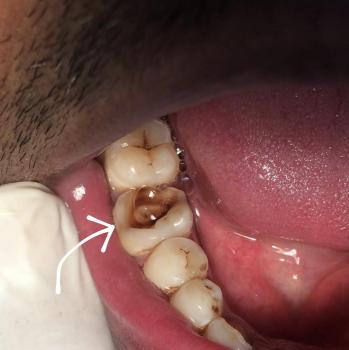
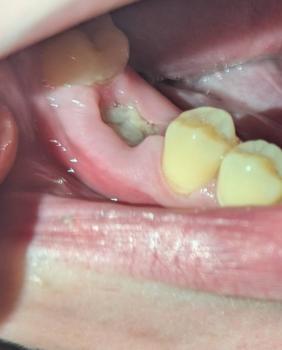
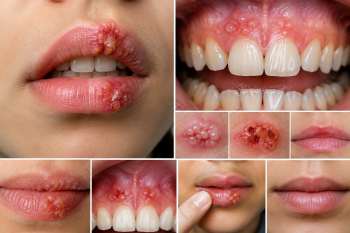
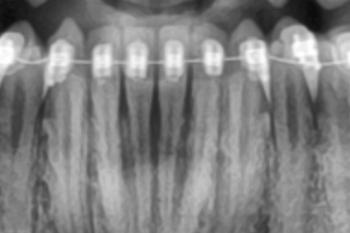
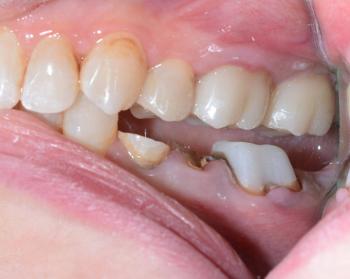
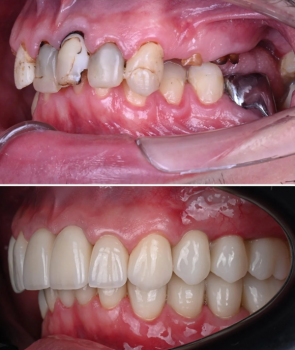
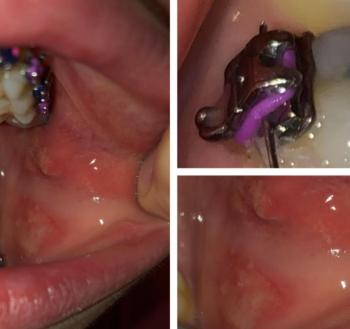
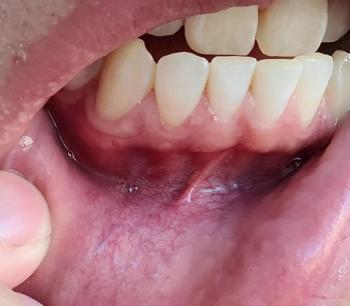
Patients with lower front gum inflammation may also experience tartar buildup, periodontal disease, gum abscesses, or tooth decay. Explore these related clinical case studies.
Other topics:
Other Dental Clinic