Dentures That Feel Natural, Look Beautiful.

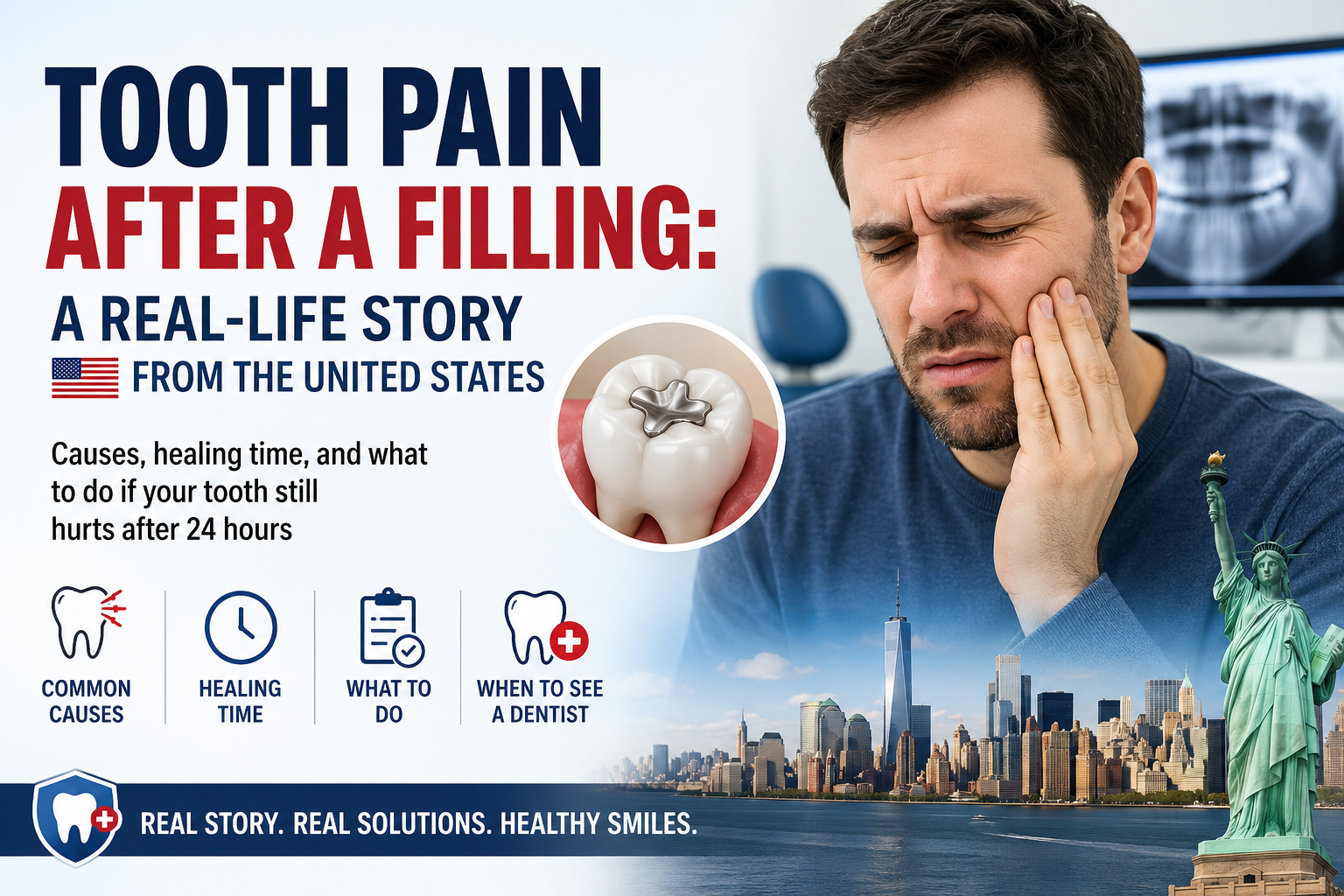
Tooth Pain After a Filling: A Real-Life Story from the United States
Language :
Topics:
"I Thought the Filling Would End My Toothache"
In the spring of 2025, 36-year-old Michael R., an accountant from Denver, Colorado, scheduled a dental appointment after experiencing occasional sensitivity when drinking iced coffee. His dentist diagnosed a small cavity on his upper right first molar. The decay had not reached the nerve, so a simple composite filling was recommended.
The procedure lasted less than an hour. Michael was relieved when the dentist explained that the cavity had been removed successfully and the tooth was restored.
However, later that evening, something unexpected happened.
As the numbness from the local anesthetic wore off, Michael noticed a dull ache around the filled tooth. By bedtime, the discomfort became sharper whenever he bit down on food.
He wondered if something had gone wrong.
The First 24 Hours
The next morning, the tooth was still sore.
Michael could chew on the opposite side, but any pressure on the treated tooth caused a brief, sharp pain. Drinking cold water also triggered sensitivity that lasted several seconds.
Concerned, he called the dental office.
The receptionist reassured him that mild discomfort after a filling is common because the tooth had undergone drilling and the inner dentin was temporarily irritated.
She advised him to:
- Avoid chewing hard foods on that side
- Take an over-the-counter pain reliever if needed
- Eat soft foods for the next day or two
- Monitor whether the pain gradually improved
Day Three: Something Didn't Feel Right
Most of the cold sensitivity had improved, but biting down still hurt.
Michael returned to his dentist for an examination.
After checking the restoration, the dentist discovered the filling was slightly higher than the surrounding teeth.
Although the difference was tiny—less than a millimeter—it caused the tooth to receive excessive force every time he closed his mouth.
The dentist adjusted the filling in only a few minutes.
Immediately afterward, Michael noticed that his bite felt more natural.
One Week Later
Within several days, the biting pain almost completely disappeared.
The dentist explained that the ligament surrounding the tooth had become inflamed because the tooth was hitting first during chewing.
Once the bite was corrected, the inflammation gradually healed.
Michael believed the problem was solved.
Two Weeks Later: A New Problem
About two weeks after the filling, the tooth suddenly became extremely sensitive to hot coffee.
Unlike before, the pain lingered for over a minute after drinking something warm.
A dull throbbing sensation also developed during the evening.
This time, the dentist performed additional tests.
The diagnosis showed that although the cavity had appeared moderate, bacteria had already irritated the dental pulp before treatment. The nerve was now experiencing irreversible inflammation.
The dentist explained that while many teeth recover after a filling, some continue to deteriorate because the pulp was already damaged before the procedure.
Michael eventually required root canal treatment to remove the infected nerve while preserving the tooth.
What Michael Learned
Looking back, Michael realized that not all pain after a filling means the filling failed.
His dentist explained that several conditions can cause discomfort after treatment:
- Normal healing of irritated dentin
- Temporary nerve inflammation
- A filling that is too high
- Bite pressure causing ligament inflammation
- Deep decay close to the nerve
- Small cracks in the tooth
- Rare allergic reactions to dental materials
How Long Should Tooth Pain Last After a Filling?
For most patients:
- First 24 hours: Mild soreness or sensitivity is common.
- 2–7 days: Symptoms should gradually improve.
- Up to two weeks: Mild sensitivity may continue, especially after deep fillings.
- Beyond two weeks: Persistent pain should be evaluated by a dentist.
Pain should become less noticeable over time—not worse.
When to Contact Your Dentist Immediately
Seek dental care if you experience:
- Severe throbbing pain that keeps you awake
- Pain that lasts longer than two weeks
- Swelling of the gums or face
- Fever
- Difficulty biting because the tooth feels too high
- Pain that lingers for more than 30 seconds after hot or cold foods
- A cracked filling or broken tooth
These symptoms may indicate that additional treatment, such as bite adjustment, filling replacement, or root canal therapy, is necessary.
Final Thoughts
Michael's experience is a reminder that mild tooth pain after a filling is often part of the normal healing process. Most cases improve within a few days as the tooth settles and the surrounding tissues recover. However, persistent or worsening pain should never be ignored.
Early follow-up with a dentist can identify problems such as a high filling, pulp inflammation, or hidden tooth cracks before they become more serious. Prompt evaluation often leads to simpler treatment and helps preserve the natural tooth for many years.
Can tooth extraction cause infection? Mild inflammation is normal, but increasing swelling, fever, or severe pain may indicate infection. Learn more about post-extraction infection warning signs in this detailed guide.
Book a consultation with our Cebu dental specialists for proper evaluation and care.
Ready to get expert guidance?
If you’re experiencing severe pain or delayed healing, book a consultation with our Cebu dental specialists to get proper evaluation and care.
Consultation or contact page .
Book a Consultation
For severe discomfort or delayed healing, book a consultation with our Cebu dental specialists today.
Looking for a dentist? Browse our Cebu dental directory to find trusted clinics near you.
Medical Review and Clinical Basis
This article is based on clinical dental guidelines and real patient recovery patterns observed after tooth extraction procedures. The information reflects common post-extraction healing stages, including normal clot formation, gum tissue repair, and signs of possible complications such as dry socket or infection.
While mild discomfort is expected after a dental extraction, worsening pain after Day 3, bad odor, exposed bone, or spreading pain may require professional evaluation. These symptoms are consistent with known post-extraction complications described in standard dental practice.
About Cebu Dental Implants
Cebu Dental Implants provides comprehensive tooth extraction, surgical procedures, and dental implant services in the Philippines. Our team evaluates post-extraction healing, manages complications such as dry socket, and advises patients on proper aftercare to prevent infection and delayed healing.
If you experience severe pain or unusual symptoms after extraction, early professional assessment is recommended to prevent further complications.
Important Medical Disclaimer
This content is for educational purposes only and does not replace professional dental diagnosis. Every patient heals differently. If symptoms worsen or do not improve within a few days, consult a licensed dentist for proper evaluation and treatment.
Author
This article was prepared by the Cebu Dental Implants content team in consultation with licensed dental professionals experienced in tooth extraction and implant procedures.
Related Clinical Cases
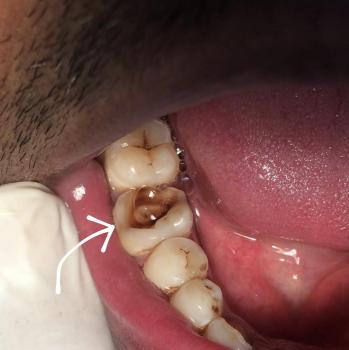
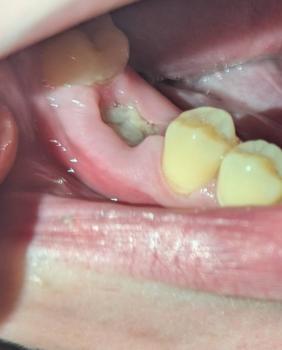
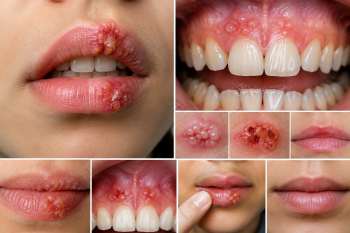
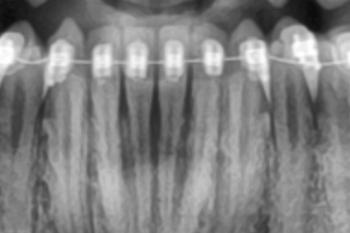
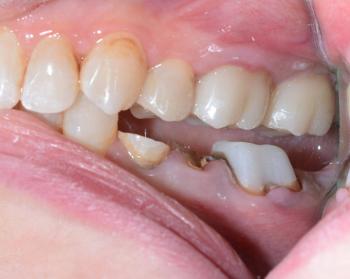
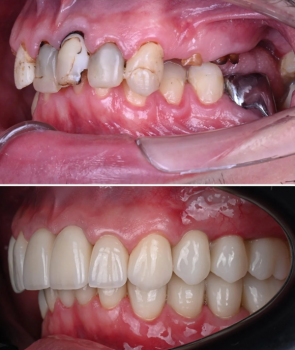
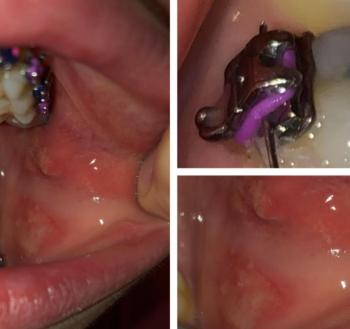
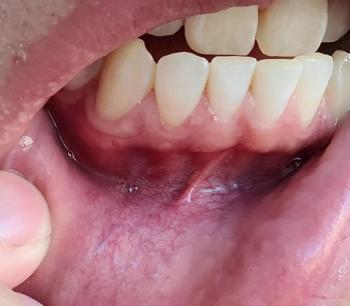
Patients with lower front gum inflammation may also experience tartar buildup, periodontal disease, gum abscesses, or tooth decay. Explore these related clinical case studies.
Other topics:
Other Dental Clinic