Your Smile, Perfected with Precision.

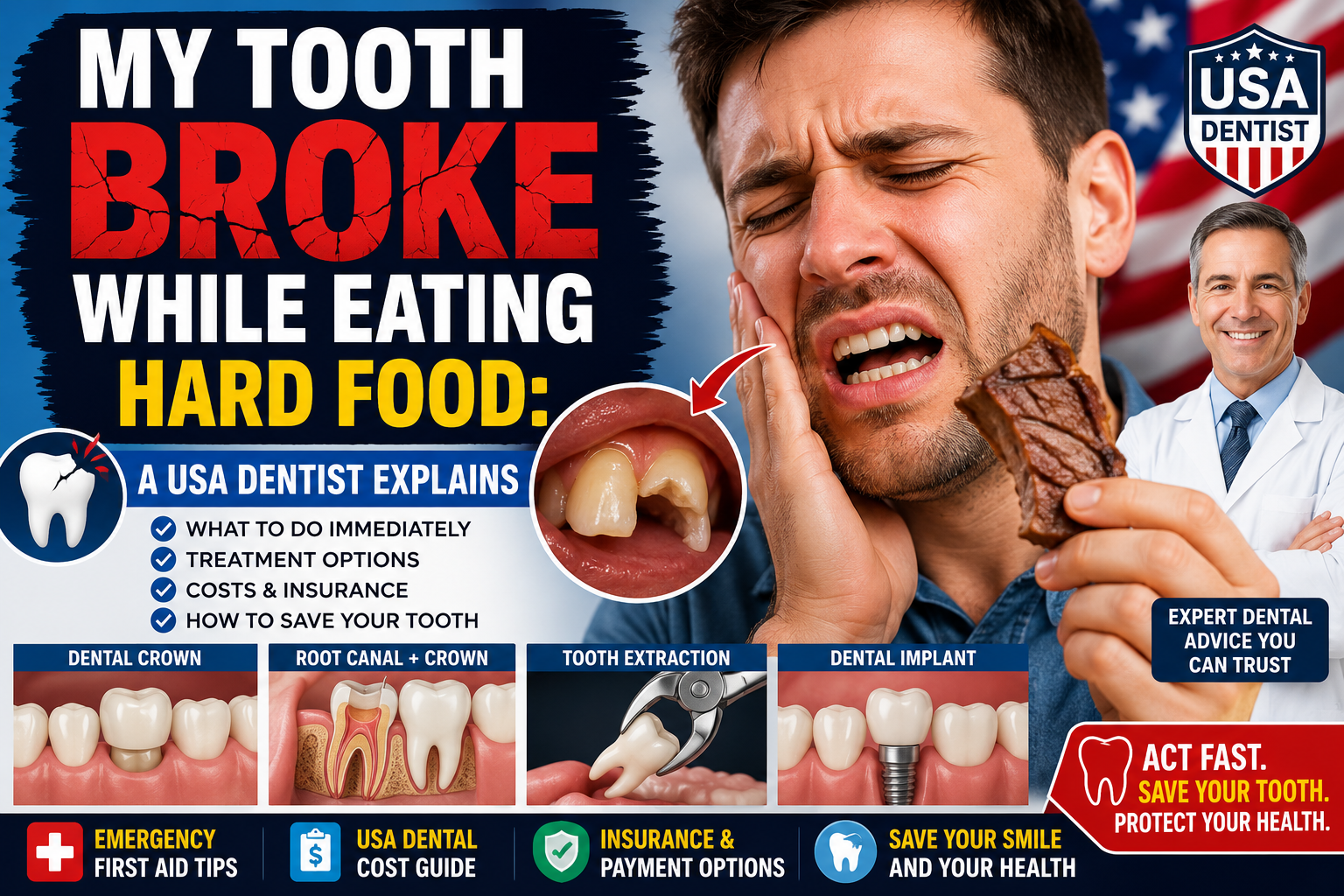
My Tooth Broke While Eating Hard Food: A USA Dentist Explains What to Do, Treatment Options, Costs, and How to Save Your Tooth
Language :
Topics:
There are few moments more alarming than biting into a favorite meal and suddenly hearing a loud crack. One second you're enjoying dinner, and the next you're holding part of your tooth in your hand.
As a dentist, I've seen this situation hundreds of times.
One of the most common stories patients tell me begins like this:
"I was eating a piece of hard beef, roasted pork, ice, nuts, or candy... then I felt something snap. Now my tooth is broken."
That moment creates immediate panic.
Questions start racing through your mind.
- Can the tooth still be saved?
- Will it become infected?
- Why didn't it hurt immediately?
- Do I need an emergency dentist tonight?
- How much will treatment cost?
The good news is that many broken teeth can be successfully restored, especially if you seek treatment quickly. The sooner a dentist evaluates the damage, the greater the chance of preserving your natural tooth.
In this comprehensive guide, I'll explain exactly what happens when a tooth breaks, what you should do immediately, the available treatment options in the United States, expected costs, insurance considerations, and how to prevent another dental emergency in the future.
A Real-Life Story: "I Was Just Eating Dinner..."
One evening, a patient walked into my office looking worried.
He placed a small piece of white enamel on my tray and quietly said,
"Doctor, I was just eating hard beef during dinner. I wasn't chewing ice or candy. Suddenly I heard a crack, and part of my tooth came off."
Fortunately, he wasn't experiencing severe pain.
However, when we examined the tooth, we discovered that nearly half of the chewing surface had fractured.
The tooth already had an old filling placed years earlier.
Over time, everyday chewing had weakened the remaining natural tooth structure.
That bite into a particularly tough piece of meat was simply the final straw.
This story is incredibly common.
Many people assume a tooth breaks because the food was "too hard."
In reality, the food often exposes a problem that has been developing for years.
Why Teeth Break
Natural teeth are remarkably strong.
Your enamel is the hardest substance in the human body.
However, enamel is not indestructible.
Several factors gradually weaken teeth.
Large Old Fillings
Large fillings leave less natural tooth structure.
As the years pass, the remaining tooth becomes more vulnerable to fracture.
Untreated Cavities
Decay creates hollow areas inside the tooth.
Even if the outside appears normal, the internal structure may be weak.
Eventually, normal chewing can cause collapse.
Teeth Grinding (Bruxism)
Many people grind their teeth during sleep.
The repeated pressure slowly creates microscopic cracks.
Eventually, those tiny cracks become larger fractures.
Previous Root Canal Treatment
A tooth that has undergone root canal therapy no longer contains living pulp tissue.
Although the tooth can function normally, it becomes more brittle over time.
That's why dentists usually recommend placing a crown after root canal treatment.
Age
As we age, our teeth experience millions of chewing cycles.
Small invisible cracks accumulate over decades.
Eventually, one bite becomes too much.
Trauma
Sports injuries, falls, car accidents, and facial impacts can create fractures that worsen months or years later.
Common Foods That Can Break Teeth
Although healthy teeth should tolerate normal eating, these foods frequently contribute to fractures in weakened teeth:
- Hard beef with gristle
- Pork crackling
- Ice cubes
- Popcorn kernels
- Hard candy
- Almonds
- Peanuts
- Pistachios
- Crab shells
- Bones
- Frozen chocolate
- Beef jerky
- Hard baguettes
The problem is usually not the food alone.
It's the combination of a weakened tooth and excessive biting force.
Signs Your Tooth Has Broken
Symptoms vary depending on the depth of the fracture.
You may experience:
- Sudden cracking sensation
- Missing portion of tooth
- Sharp edge cutting the tongue
- Pain while chewing
- Sensitivity to cold
- Sensitivity to sweets
- Food getting trapped
- Bleeding around the gum
- Swelling
- Intermittent pain
- Severe throbbing pain
Interestingly, not every broken tooth hurts immediately.
If the nerve remains protected, discomfort may be surprisingly mild.
Immediate At-Home Care Before Seeing a Dentist
If you cannot see a dentist immediately, don't panic.
Follow these steps.
1. Protect Sharp Edges
Broken enamel can easily cut your tongue or cheek.
Cover the sharp area using:
- Temporary dental wax
- Sugar-free chewing gum (temporarily)
Never use household glue.
2. Control Pain
Over-the-counter medications may help.
Common options include:
- Ibuprofen (if medically appropriate)
- Acetaminophen
Always follow package directions or your physician's advice.
3. Reduce Swelling
Apply a cold compress outside your cheek.
Use the following schedule:
- 20 minutes on
- 20 minutes off
Repeat throughout the day if swelling develops.
4. Keep the Area Clean
Rinse gently with warm salt water.
Mix:
- ½ teaspoon salt
- 8 ounces warm water
Rinse after meals.
This helps reduce bacterial accumulation.
5. Eat Soft Foods
Avoid:
- Steak
- Nuts
- Chips
- Ice
- Hard bread
- Crunchy vegetables
Choose:
- Yogurt
- Mashed potatoes
- Scrambled eggs
- Soup
- Rice
- Oatmeal
- Pasta
- Fish
Chew on the opposite side whenever possible.
When Is It a Dental Emergency?
Seek immediate dental care if you experience:
- Severe uncontrolled pain
- Facial swelling
- Fever
- Difficulty swallowing
- Difficulty breathing
- Bleeding that won't stop
- Visible nerve exposure
- Tooth knocked completely out
These symptoms may indicate serious infection requiring urgent treatment.
How Dentists Diagnose a Broken Tooth
A complete examination usually includes:
Visual Examination
The dentist evaluates:
- Missing enamel
- Crack direction
- Gum condition
- Bite relationship
Dental X-rays
Radiographs reveal:
- Root fractures
- Hidden decay
- Bone infection
- Previous restorations
- Pulp involvement
Bite Test
Sometimes patients experience pain only while biting.
Special instruments help identify cracked tooth syndrome.
Cold Testing
Cold sensitivity helps determine whether the dental pulp remains healthy.
Treatment Option 1: Dental Filling
If only a small portion has fractured and enough healthy tooth remains, a bonded composite filling may restore the tooth.
Advantages include:
- Conservative
- Affordable
- Usually completed in one visit
- Natural appearance
However, fillings are not suitable for major structural damage.
Treatment Option 2: Dental Crown
When a significant portion of the tooth has fractured but the root remains healthy, a crown is often the ideal solution.
The dentist reshapes the remaining tooth and places a custom porcelain or ceramic crown over it.
Benefits include:
- Restores chewing strength
- Protects remaining tooth
- Natural appearance
- Long-lasting durability
Modern ceramic crowns closely mimic natural enamel.
Treatment Option 3: Root Canal Therapy and Crown
If the fracture reaches the pulp, bacteria can infect the nerve.
Without treatment, severe pain and infection often develop.
During root canal treatment:
- Infected pulp is removed.
- Canals are disinfected.
- The canals are sealed.
- A crown protects the weakened tooth.
Contrary to popular myths, modern root canal therapy is generally comfortable thanks to effective local anesthesia.
Treatment Option 4: Tooth Extraction
Unfortunately, not every tooth can be saved.
Extraction becomes necessary when:
- Crack extends below the gum
- Vertical root fracture
- Severe infection
- Extensive decay
- Split tooth
Although losing a tooth is disappointing, removing a hopeless tooth often eliminates pain and prevents worsening infection.
Replacing the Missing Tooth
After extraction, replacement is strongly recommended.
Leaving a gap can cause neighboring teeth to drift, bite problems, and bone loss.
The three primary options are:
Dental Implant
Often considered the gold standard.
Advantages include:
- Looks natural
- Feels natural
- Preserves jawbone
- Does not affect neighboring teeth
Dental Bridge
A bridge replaces the missing tooth using adjacent teeth for support.
Benefits include:
- Faster treatment
- Excellent appearance
- Reliable function
Partial Denture
A removable prosthesis offers a more economical solution for some patients.
Understanding US Dental Costs
Dental treatment varies according to location, complexity, specialist involvement, and materials.
Typical uninsured ranges include:
| Procedure | Estimated Cost |
|---|---|
| Composite Filling | $200–$600 |
| Crown | $1,000–$2,500 |
| Root Canal | $800–$1,500 |
| Extraction | $200–$800 |
| Dental Implant | $3,000–$5,000+ |
Large metropolitan areas generally have higher fees than smaller communities.
Will Dental Insurance Cover It?
Many PPO dental insurance plans provide partial coverage.
Typical benefits include:
Basic Services
Often covered at:
- 70%–80%
Examples:
- Root canals
- Simple extractions
Major Services
Often covered around:
- 50%
Examples:
- Crowns
- Bridges
- Implants (some plans exclude implants)
Keep in mind that many plans have annual maximums ranging from approximately $1,000 to $2,500.
What If You Can't Afford Treatment?
Financial limitations should never prevent you from seeking an evaluation.
Several options may help.
Dental Schools
Dental schools often provide high-quality care supervised by licensed faculty at significantly reduced costs.
Community Health Centers
Many nonprofit clinics offer reduced-fee services.
Financing Programs
Many practices accept healthcare financing options that allow monthly payments.
Dental Discount Plans
These membership plans may reduce treatment costs even without traditional insurance.
Can You Wait a Few Weeks?
Many patients ask:
"The tooth doesn't hurt. Can I wait?"
The answer depends on the fracture.
Unfortunately, pain is not always an accurate indicator.
A painless crack can suddenly become:
- Severe infection
- Dental abscess
- Broken root
- Tooth loss
Early treatment is usually less invasive and less expensive.
How to Prevent Future Tooth Fractures
Simple habits greatly reduce your risk.
Wear a Night Guard
Especially if you grind your teeth while sleeping.
Don't Chew Ice
Ice is one of the most common causes of cracked teeth.
Avoid Using Teeth as Tools
Never use your teeth to:
- Open bottles
- Tear plastic
- Crack shells
Replace Old Fillings
Large aging fillings should be monitored regularly.
Attend Routine Dental Exams
Small cracks often become visible long before patients notice symptoms.
Regular examinations allow early intervention.
Frequently Asked Questions
Can a broken tooth heal itself?
No.
Unlike bone, tooth enamel cannot regenerate.
Professional treatment is required.
Is every broken tooth painful?
No.
Some fractures remain painless until bacteria reach the nerve.
Should I save the broken piece?
Yes.
Bring it to your dental appointment.
In rare situations, it may assist with restoration.
Is a crown better than a filling?
For large fractures, crowns generally provide greater long-term strength.
Can antibiotics fix a broken tooth?
No.
Antibiotics cannot repair fractures.
They only help control certain bacterial infections.
Definitive dental treatment remains necessary.
Final Thoughts from a Dentist
Breaking a tooth while eating something as ordinary as hard beef can be frightening, but it doesn't automatically mean you've lost your tooth forever.
The most important step is not to ignore the problem.
Protect the area, control discomfort, avoid chewing on the affected side, and schedule a dental examination as soon as possible. Modern dentistry offers excellent solutions—from conservative fillings and durable porcelain crowns to root canal therapy and dental implants—that can restore both your smile and your ability to eat comfortably again.
Remember, the sooner a damaged tooth is evaluated, the more treatment options are usually available, and the better the chances of preserving your natural tooth for many years to come. Acting quickly today may save you from more complex procedures, greater discomfort, and higher costs in the future.
Your natural teeth are designed to last a lifetime. When one unexpectedly breaks, timely professional care is the best investment you can make in protecting your oral health, your confidence, and your quality of life.
Can tooth extraction cause infection? Mild inflammation is normal, but increasing swelling, fever, or severe pain may indicate infection. Learn more about post-extraction infection warning signs in this detailed guide.
Book a consultation with our Cebu dental specialists for proper evaluation and care.
Ready to get expert guidance?
If you’re experiencing severe pain or delayed healing, book a consultation with our Cebu dental specialists to get proper evaluation and care.
Consultation or contact page .
Book a Consultation
For severe discomfort or delayed healing, book a consultation with our Cebu dental specialists today.
Video:
Related Clinical Cases
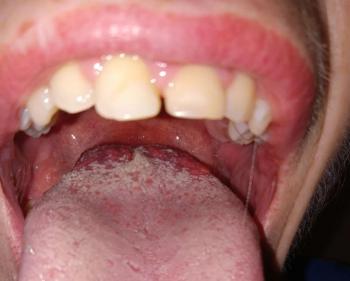
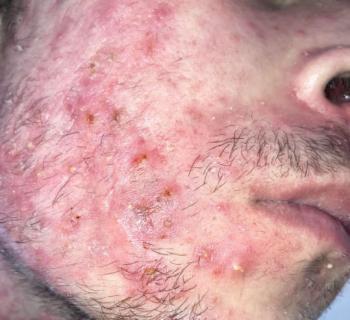
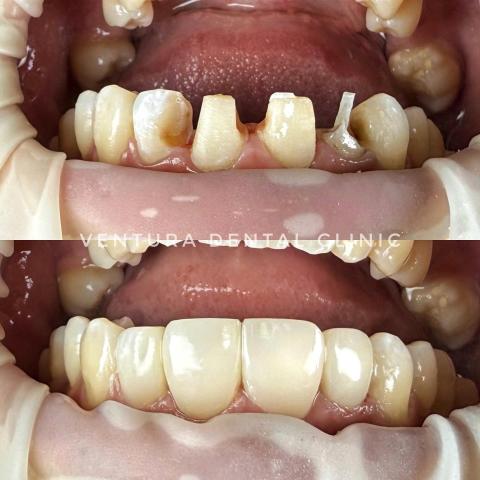
Patients with lower front gum inflammation may also experience tartar buildup, periodontal disease, gum abscesses, or tooth decay. Explore these related clinical case studies.



Other topics:
Other Dental Clinic
 |
 |
 |
 |