Smile Again with Comfort and Confidence.

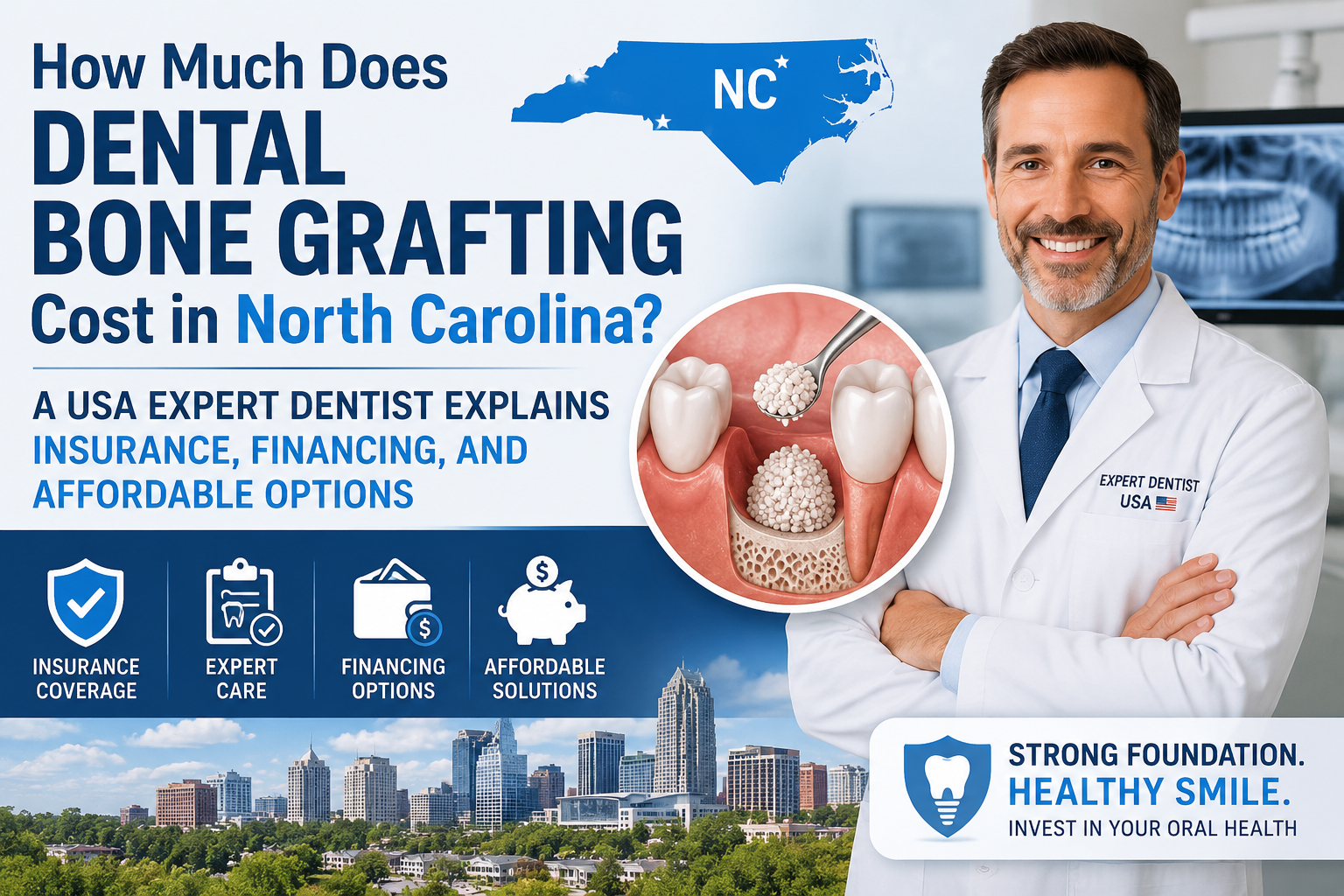
How Much Does Dental Bone Grafting Cost in North Carolina? A USA Expert Dentist Explains Insurance, Financing, and Affordable Options
Language :
Topics:
Most client never know that bone graft must be examine before execute to dental implants if they rush it will cause havoc on the process. If you have been told that you need a dental bone graft before receiving a dental implant, one of your first questions is likely, "How much will it cost?" This is a common concern among patients throughout North Carolina. Whether you live in Charlotte, Raleigh, Greensboro, Durham, Asheville, or a smaller community, understanding the factors that influence bone grafting costs can help you make informed decisions about your oral health.
As a dentist who regularly works with patients preparing for dental implant treatment, I often explain that bone grafting is not a one-size-fits-all procedure. Unlike a routine dental filling or cleaning, bone grafting is a specialized surgical treatment designed to rebuild lost bone in the jaw. Because every patient's condition is unique, costs can vary significantly depending on the complexity of the case, the materials used, and the treatment goals.
The good news is that dental bone grafting has become one of the most predictable procedures in modern dentistry. Advances in grafting materials, surgical techniques, and dental implant planning have made it possible to restore bone that was previously considered insufficient for treatment.
Understanding how costs are determined, what insurance may cover, and what financing options are available can help you move forward confidently with your treatment plan.
What Is Dental Bone Grafting?
Dental bone grafting is a surgical procedure used to rebuild or strengthen jawbone that has been lost due to tooth extraction, gum disease, trauma, infection, or long-term tooth loss.
When a tooth is lost, the surrounding bone begins to shrink. This process is called bone resorption. The jawbone depends on stimulation from natural tooth roots to maintain its volume and density. Without that stimulation, the body gradually removes unused bone tissue.
Over time, this bone loss can create challenges such as:
- Difficulty placing dental implants
- Changes in facial appearance
- Reduced support for dentures
- Increased risk of neighboring tooth movement
- Weakened jaw structure
Bone grafting helps reverse some of these effects by adding new bone material to areas where bone volume has been lost.
What Happens When You Lose Jawbone After Losing Teeth? (Simple Explanation)
When a tooth is missing, the jawbone underneath no longer receives stimulation from chewing. Over time, the bone begins to shrink. This can cause several problems:
1. Dental Implants Become More Difficult
Dental implants need strong, healthy bone to stay secure.
- If there isn't enough bone, the implant may not be stable.
- Additional procedures like bone grafting may be needed before implants can be placed.
2. Your Face Can Look Older
Your jawbone supports your cheeks, lips, and facial muscles.
When bone shrinks:
- Cheeks may appear sunken.
- Wrinkles around the mouth become more noticeable.
- The face can look older than it actually is.
3. Dentures May Become Loose
Dentures sit on top of the gums and jawbone.
As the bone shrinks:
- Dentures may no longer fit properly.
- They can become loose and uncomfortable.
- Frequent adjustments may be needed.
4. Nearby Teeth Can Shift
When a tooth is missing, neighboring teeth often move into the empty space.
This can cause:
- Crooked teeth
- Bite problems
- Difficulty cleaning between teeth
- Increased risk of cavities and gum disease
5. The Jawbone Becomes Weaker
The jawbone stays strong through regular chewing forces.
Without stimulation:
- Bone gradually becomes thinner.
- The jaw loses strength.
- Severe bone loss can increase the risk of jaw fractures.
Bottom Line
Missing teeth don't just leave a gap in your smile. They can lead to bone loss, facial changes, loose dentures, shifting teeth, and a weaker jawbone. Replacing missing teeth early with options such as dental implants can help preserve bone and maintain your facial appearance and oral health.
Why Bone Grafting Is Often Needed Before Dental Implants
Dental implants require adequate bone support to function successfully.
An implant acts as an artificial tooth root. For the implant to integrate properly with the jawbone, there must be sufficient bone height, width, and density.
When patients have experienced significant bone loss, placing an implant without grafting may result in:
- Poor implant stability
- Increased risk of implant failure
- Unfavorable cosmetic results
- Long-term complications
Bone grafting creates a stronger foundation that can support implant placement and improve long-term outcomes.
Many patients are surprised to learn that a bone graft may save them from more complicated procedures in the future. By rebuilding the jawbone today, you can often preserve treatment options for years to come.
Factors That Influence Dental Bone Grafting Cost in North Carolina
One of the biggest misconceptions about bone grafting is that there is a standard price.
In reality, multiple variables influence treatment costs.
Type of Bone Graft Material
The grafting material selected for your procedure can significantly affect the overall cost.
Several types of bone grafts are commonly used:
Autograft
An autograft uses bone harvested from your own body.
Advantages include:
- Excellent compatibility
- Strong healing potential
- Reduced risk of immune reaction
Because an additional surgical site is required, autografts are often more expensive and involve longer treatment times.
Allograft
An allograft uses processed donor bone obtained from a tissue bank.
Benefits include:
- No second surgical site
- Proven clinical success
- Reduced surgical discomfort
Allografts are among the most commonly used materials in implant dentistry.
Xenograft
A xenograft is derived from animal sources, commonly bovine bone.
Advantages include:
- Excellent structural support
- Slow resorption rate
- Effective volume maintenance
These materials have been used successfully in dentistry for decades.
Synthetic Bone Grafts
Synthetic graft materials are manufactured using biocompatible substances that encourage natural bone formation.
Benefits include:
- No donor tissue required
- Consistent quality
- Predictable outcomes
The choice of material depends on your clinical needs and your dentist's treatment recommendations.
Size of the Bone Defect
The amount of missing bone directly impacts treatment cost.
Smaller grafts used immediately after a tooth extraction generally require less material and less surgical time.
Larger defects may require:
- Additional grafting material
- Membranes
- Advanced surgical techniques
- Multiple appointments
As treatment complexity increases, costs generally rise as well.
Location of the Graft
Not all areas of the mouth present the same challenges.
Bone grafts performed in highly visible front teeth areas often require greater precision to achieve optimal cosmetic results.
Posterior areas may involve different anatomical structures, such as nerves or sinus cavities.
These factors can influence treatment planning and overall expenses.
Whether a Sinus Lift Is Required
Patients missing upper back teeth often experience bone loss beneath the maxillary sinus.
In these situations, a sinus lift procedure may be necessary.
A sinus lift involves gently raising the sinus membrane and placing grafting material beneath it to create sufficient bone height for future implants.
Because this procedure requires additional expertise and surgical time, it generally increases overall treatment costs.
Bone Grafting at the Time of Tooth Extraction
One of the most cost-effective approaches to preserving jawbone is immediate grafting after tooth extraction.
This procedure is often called socket preservation.
Benefits include:
- Reduced bone loss
- Improved implant readiness
- Better long-term aesthetics
- Potential reduction in future grafting needs
Many dentists recommend socket preservation because it can help avoid more extensive procedures later.
Although there is an additional cost at the time of extraction, many patients ultimately save money by preventing severe bone loss.
Standalone Bone Grafting Procedures
Some patients seek treatment months or years after losing teeth.
In these situations, significant bone loss may already have occurred.
Standalone grafting procedures are often required to rebuild the jaw before implant placement.
These cases may involve:
- Ridge augmentation
- Block grafting
- Guided bone regeneration
- Sinus augmentation
Because these treatments are more complex, costs are typically higher than preventive socket preservation procedures.
Why Specialist Training Matters
Patients often ask whether they should see a general dentist or a specialist for bone grafting.
While many experienced implant dentists perform bone grafting successfully, more advanced cases may benefit from specialist care.
The specialists most commonly involved include:
- Oral and maxillofacial surgeons
- Periodontists
These professionals receive advanced surgical training focused on hard and soft tissue reconstruction.
Choosing a qualified provider may influence treatment costs, but it can also significantly impact long-term success.
The Long-Term Value of Bone Grafting
While patients naturally focus on the upfront expense, it is important to consider the long-term value.
Successful bone grafting can:
- Preserve facial structure
- Improve implant success rates
- Support better chewing function
- Enhance smile aesthetics
- Reduce future restorative complications
Rather than viewing bone grafting as an isolated expense, many patients find it helpful to think of it as an investment in maintaining oral health for decades to come.
Can tooth extraction cause infection? Mild inflammation is normal, but increasing swelling, fever, or severe pain may indicate infection. Learn more about post-extraction infection warning signs in this detailed guide.
Book a consultation with our Cebu dental specialists for proper evaluation and care.
Ready to get expert guidance?
If you’re experiencing severe pain or delayed healing, book a consultation with our Cebu dental specialists to get proper evaluation and care.
Consultation or contact page .
Book a Consultation
For severe discomfort or delayed healing, book a consultation with our Cebu dental specialists today.
Looking for a dentist? Browse our Cebu dental directory to find trusted clinics near you.
Medical Review and Clinical Basis
This article is based on clinical dental guidelines and real patient recovery patterns observed after tooth extraction procedures. The information reflects common post-extraction healing stages, including normal clot formation, gum tissue repair, and signs of possible complications such as dry socket or infection.
While mild discomfort is expected after a dental extraction, worsening pain after Day 3, bad odor, exposed bone, or spreading pain may require professional evaluation. These symptoms are consistent with known post-extraction complications described in standard dental practice.
About Cebu Dental Implants
Cebu Dental Implants provides comprehensive tooth extraction, surgical procedures, and dental implant services in the Philippines. Our team evaluates post-extraction healing, manages complications such as dry socket, and advises patients on proper aftercare to prevent infection and delayed healing.
If you experience severe pain or unusual symptoms after extraction, early professional assessment is recommended to prevent further complications.
Important Medical Disclaimer
This content is for educational purposes only and does not replace professional dental diagnosis. Every patient heals differently. If symptoms worsen or do not improve within a few days, consult a licensed dentist for proper evaluation and treatment.
Author
This article was prepared by the Cebu Dental Implants content team in consultation with licensed dental professionals experienced in tooth extraction and implant procedures.
Related Clinical Cases
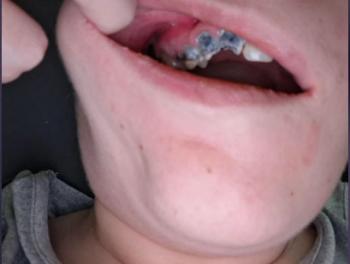
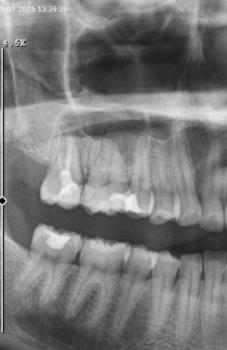
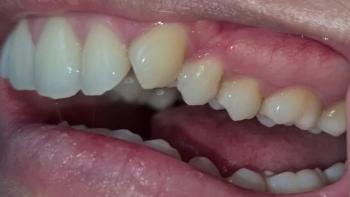
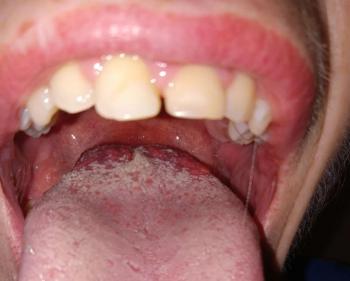
Patients with lower front gum inflammation may also experience tartar buildup, periodontal disease, gum abscesses, or tooth decay. Explore these related clinical case studies.




Other topics:
Other Dental Clinic