Missing Teeth? Find Your Smile Again.

Tooth Extraction Recovery in Albany, NY: Complete Healing Timeline, Aftercare Tips, Warning Signs, and What to Expect
Language :
podcast audio:
Topics:
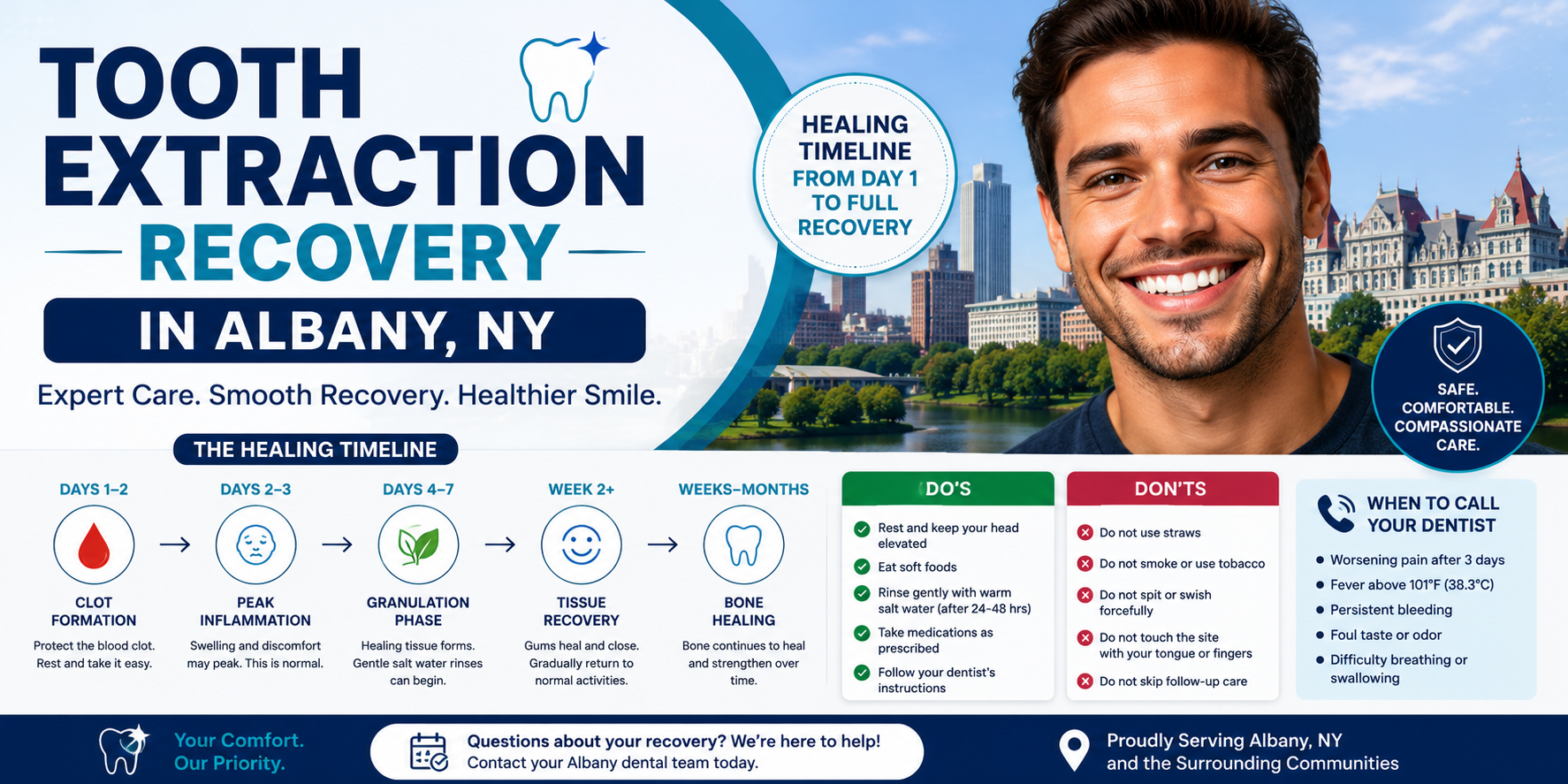
I remember my tooth extraction it was bloody painful I could not chew any food for 2 days only eating light foods. Having a tooth extracted can feel intimidating, especially if it is your first dental surgery. One of the most common questions patients ask after leaving the dental office is, "How long will it take to heal?"
The good news is that tooth extraction recovery follows a predictable biological process. Whether you have a simple extraction, wisdom tooth removal, or a surgical extraction, your body is designed to heal naturally. Understanding what happens during each stage of recovery can help reduce anxiety, improve healing, and prevent complications.
As a dental professional, I often remind patients that successful recovery depends less on the extraction itself and more on how well they protect the healing site afterward. The most important part of the process is preserving the blood clot that forms inside the extraction socket. This clot acts as a natural bandage, protecting the underlying bone and nerves while serving as the foundation for new tissue growth.
This comprehensive guide explains the complete tooth extraction healing timeline, what symptoms are normal, what foods to eat, which activities to avoid, and when you should contact your dentist.
Understanding What Happens After a Tooth Extraction
When a tooth is removed, the body immediately begins a remarkable healing process.
The empty socket left behind is not simply a hole in the gum. It is a surgical wound that must undergo several stages of repair.
The body responds by:
- Stopping the bleeding
- Forming a protective blood clot
- Building new soft tissue
- Generating new blood vessels
- Remodeling bone beneath the gums
Each stage is essential for successful recovery.
Why the Blood Clot Is So Important
The blood clot is the single most important factor during early healing.
Think of it as a biological bandage.
The clot serves several purposes:
Protects Bone
The clot covers exposed jawbone.
Protects Nerves
Sensitive nerve endings remain protected during healing.
Provides Healing Cells
The clot contains cells that help create new tissue.
Prevents Infection
It acts as a barrier against bacteria and food debris.
If the clot becomes dislodged prematurely, a painful condition called dry socket may occur.
Day 1: The First 24 Hours
The first day is the most critical stage of recovery.
Your body's primary goal is to stop bleeding and establish a stable blood clot.
What You May Experience
Normal symptoms include:
- Mild bleeding
- Oozing
- Numbness
- Swelling
- Tenderness
- Mild jaw stiffness
As the local anesthetic wears off, discomfort typically begins to increase.
What You Should Do
Keep Gauze in Place
Bite gently on the gauze as instructed.
This helps stabilize the clot.
Rest
Avoid strenuous activities.
Elevate Your Head
Sleeping with extra pillows helps reduce swelling.
Use Ice Packs
Apply ice packs to the outside of the face.
Recommended schedule:
- 15 minutes on
- 15 minutes off
during the first 24 hours.
What You Should Avoid
Do not:
- Smoke
- Drink through a straw
- Spit forcefully
- Rinse aggressively
- Exercise intensely
Any of these activities may dislodge the clot.
Days 2–3: Peak Inflammation
Many patients become concerned when they notice increased swelling around Day 2 or Day 3.
Fortunately, this is usually normal.
Why Swelling Increases
Inflammation is part of the body's natural healing response.
The immune system sends healing cells to the extraction site, causing temporary swelling.
Common Symptoms
During this period, you may notice:
- Increased swelling
- Mild bruising
- Jaw stiffness
- Moderate soreness
- Difficulty opening the mouth fully
This stage often represents the peak of discomfort.
What You Should Do
Continue:
- Resting
- Staying hydrated
- Taking medications as directed
- Eating soft foods
Many patients find warm compresses helpful after the first 48 hours.
Warm compresses may:
- Improve circulation
- Reduce stiffness
- Promote healing
Days 4–7: Granulation Tissue Formation
Around the fourth day, healing begins to accelerate.
The body starts creating granulation tissue inside the socket.
What Is Granulation Tissue?
Granulation tissue is a mixture of:
- New blood vessels
- Collagen fibers
- Healing cells
It acts as a scaffold for future gum and bone growth.
What It Looks Like
Many patients become alarmed when they see:
- White tissue
- Yellow tissue
- Cream-colored material
inside the extraction site.
In most cases, this is normal granulation tissue—not infection.
Symptoms During This Stage
Most patients experience:
- Reduced swelling
- Less pain
- Improved comfort
- Better chewing ability
The extraction site may still feel tender but generally improves each day.
Saltwater Rinses and Oral Hygiene
At this stage, your dentist may recommend gentle saltwater rinses.
How to Make a Saltwater Rinse
Mix:
- 1/2 teaspoon salt
- 8 ounces warm water
How to Use It
Gently move the solution around the mouth.
Do not:
- Swish aggressively
- Spit forcefully
Instead, allow the water to flow out naturally.
Saltwater helps:
- Reduce bacteria
- Remove food particles
- Promote healing
Week Two: Continued Soft Tissue Healing
By the second week, many patients feel significantly better.
The gum tissue begins closing over the socket.
What You May Notice
- Less tenderness
- Improved chewing
- Reduced sensitivity
- Smaller extraction opening
If dissolvable sutures were placed, they may begin disappearing.
If non-dissolvable stitches were used, your dentist may schedule removal.
Weeks Three to Four: Advanced Healing
Although the extraction site may appear mostly healed, important changes continue beneath the surface.
Bone Remodeling Begins
The body starts replacing the blood clot and granulation tissue with:
- Immature bone
- Connective tissue
This process occurs gradually.
Symptoms
Most patients report:
- Little to no discomfort
- Normal eating ability
- Significant improvement
The socket opening continues shrinking.
Bone Healing Over the Following Months
Soft tissue generally heals faster than bone.
Many patients are surprised to learn that bone healing continues for months.
Typical Bone Healing Timeline
1 Month
Initial bone formation.
2–3 Months
Substantial bone fill occurs.
4–6 Months
Advanced remodeling continues.
6–12 Months
Final maturation develops.
This is particularly important for patients planning future dental implants.
Foods to Eat After a Tooth Extraction
Proper nutrition supports healing.
First 24 Hours
Choose foods such as:
- Yogurt
- Applesauce
- Pudding
- Smoothies
- Protein shakes
- Ice cream
Avoid using a straw.
Days 2–3
Good options include:
- Mashed potatoes
- Scrambled eggs
- Oatmeal
- Cottage cheese
- Soup (not extremely hot)
Days 4–7
You can gradually introduce:
- Soft pasta
- Soft fish
- Ground meat
- Soft vegetables
- Rice
Week Two and Beyond
Most patients can slowly resume normal eating habits.
Continue avoiding:
- Hard nuts
- Popcorn
- Chips
- Seeds
until your dentist approves.
Essential Recovery Do's
Keep Your Head Elevated
Especially during the first two days.
Take Medications As Directed
Pain medications work best when taken on schedule.
Stay Hydrated
Water supports healing and reduces dry mouth.
Get Plenty of Rest
Your body heals most efficiently during rest.
Follow Post-Operative Instructions
Your dentist's recommendations should always take priority.
Essential Recovery Don'ts
Do Not Use Straws
Suction may remove the blood clot.
Do Not Smoke
Smoking dramatically increases complications.
Do Not Drink Alcohol
Alcohol may interfere with healing and medications.
Do Not Touch the Extraction Site
Avoid probing with:
- Fingers
- Toothpicks
- Tongue
Do Not Perform Heavy Exercise
Intense activity may trigger bleeding.
Understanding Dry Socket
Dry socket is one of the most common extraction complications.
What Is Dry Socket?
Dry socket occurs when the blood clot becomes dislodged or dissolves too early.
This exposes:
- Bone
- Nerves
inside the extraction socket.
Symptoms
Common signs include:
- Severe throbbing pain
- Pain radiating to the ear
- Bad taste
- Bad odor
- Visible empty socket
Pain often develops between:
- Day 2
- Day 5
after extraction.
Risk Factors for Dry Socket
Certain factors increase risk.
These include:
- Smoking
- Straw use
- Forceful rinsing
- Oral contraceptives
- Previous dry socket history
- Poor clot formation
Following aftercare instructions significantly reduces risk.
Signs of Infection
While uncommon, infections can occur.
Symptoms May Include
- Fever
- Increasing swelling
- Pus drainage
- Foul odor
- Persistent bad taste
- Severe redness
Prompt treatment is important.
When to Call Your Dentist
Contact your dental office if you experience:
Worsening Pain After Day Three
May indicate dry socket.
Persistent Bleeding
Bleeding that continues despite pressure should be evaluated.
Fever Over 101°F
Could indicate infection.
Difficulty Breathing
Requires immediate medical attention.
Difficulty Swallowing
May indicate serious swelling.
Persistent Foul Taste
Could signal infection or trapped debris.
Recovery Tips for Smokers
Smoking significantly slows healing.
Nicotine:
- Restricts blood flow
- Delays tissue repair
- Increases dry socket risk
Patients are strongly encouraged to avoid smoking for at least:
- 72 hours minimum
- Ideally 1–2 weeks
after extraction.
Preparing for a Future Dental Implant
Many patients undergo extractions as the first step toward implant treatment.
Proper healing is essential.
Your dentist may recommend:
- Bone grafting
- Follow-up imaging
- Implant planning appointments
Allowing the site to heal properly improves long-term implant success.
Common Recovery Myths
Myth: White Tissue Means Infection
Often it is normal granulation tissue.
Myth: Pain Should Disappear Immediately
Mild discomfort can last several days.
Myth: You Can Exercise the Next Day
Heavy activity may disrupt healing.
Myth: Smoking One Cigarette Is Safe
Even limited smoking increases complications.
Final Thoughts
Tooth extraction recovery follows a predictable biological process. Most patients heal successfully when they protect the blood clot, follow aftercare instructions, maintain good oral hygiene, and avoid activities that interfere with healing.
The first few days are the most important. While swelling and discomfort often peak around Days 2 and 3, most patients begin feeling significantly better by the end of the first week. Soft tissue healing generally occurs within two weeks, while bone healing continues for several months beneath the surface.
If you are preparing for a tooth extraction in Albany, New York, understanding the recovery process can help you feel more confident and comfortable throughout healing. Always follow your dentist's specific instructions, attend follow-up appointments, and contact your dental provider if anything seems unusual.
With proper care, most extractions heal smoothly, allowing you to return to normal activities and continue your journey toward better oral health.
Can tooth extraction cause infection? Mild inflammation is normal, but increasing swelling, fever, or severe pain may indicate infection. Learn more about post-extraction infection warning signs in this detailed guide.
Book a consultation with our Cebu dental specialists for proper evaluation and care.
Ready to get expert guidance?
If you’re experiencing severe pain or delayed healing, book a consultation with our Cebu dental specialists to get proper evaluation and care.
Consultation or contact page .
Book a Consultation
For severe discomfort or delayed healing, book a consultation with our Cebu dental specialists today.
Looking for a dentist? Browse our Cebu dental directory to find trusted clinics near you.
Medical Review and Clinical Basis
This article is based on clinical dental guidelines and real patient recovery patterns observed after tooth extraction procedures. The information reflects common post-extraction healing stages, including normal clot formation, gum tissue repair, and signs of possible complications such as dry socket or infection.
While mild discomfort is expected after a dental extraction, worsening pain after Day 3, bad odor, exposed bone, or spreading pain may require professional evaluation. These symptoms are consistent with known post-extraction complications described in standard dental practice.
About Cebu Dental Implants
Cebu Dental Implants provides comprehensive tooth extraction, surgical procedures, and dental implant services in the Philippines. Our team evaluates post-extraction healing, manages complications such as dry socket, and advises patients on proper aftercare to prevent infection and delayed healing.
If you experience severe pain or unusual symptoms after extraction, early professional assessment is recommended to prevent further complications.
Important Medical Disclaimer
This content is for educational purposes only and does not replace professional dental diagnosis. Every patient heals differently. If symptoms worsen or do not improve within a few days, consult a licensed dentist for proper evaluation and treatment.
Author
This article was prepared by the Cebu Dental Implants content team in consultation with licensed dental professionals experienced in tooth extraction and implant procedures.
Related Clinical Cases
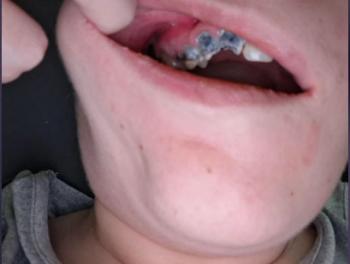
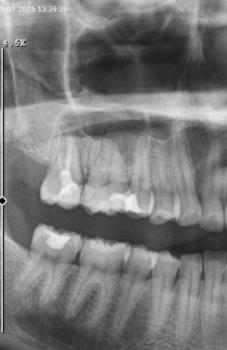
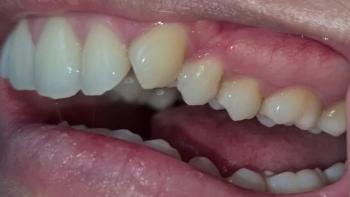
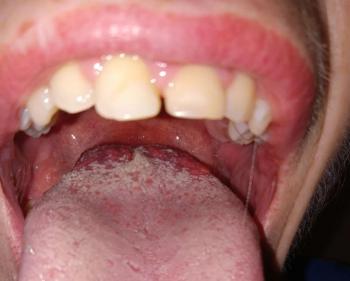
Patients with lower front gum inflammation may also experience tartar buildup, periodontal disease, gum abscesses, or tooth decay. Explore these related clinical case studies.



Other topics:
Other Dental Clinic