Your Smile, Our Passion.

Tooth Extraction Healing Stages Day by Day (Complete Guide 2025)
Language :
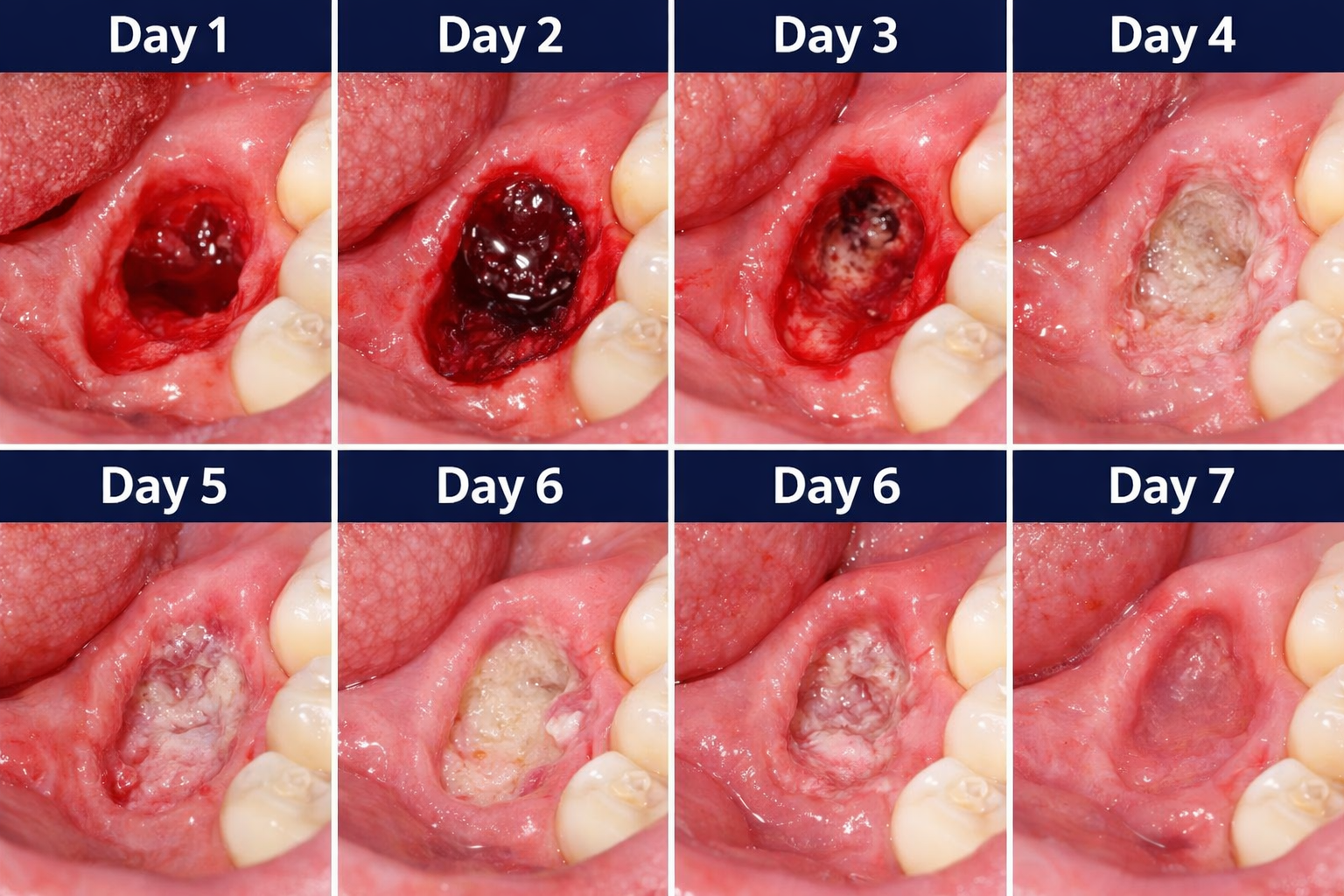
Topics:
Tooth extraction is a common dental procedure, but many patients worry about how long healing takes and how to speed it up. Understanding the day-by-day healing stages after tooth removal helps you avoid complications and recover faster.
This guide explains what happens after a tooth is removed and how to heal properly.
Day 1: Blood Clot Formation (Critical Stage)
Right after extraction, your body forms a blood clot inside the socket. This clot protects the bone and nerves underneath.
What to expect:
- Mild bleeding for a few hours
- Swelling and discomfort
- Numbness wearing off
Important care tips:
- Bite on gauze for 30–60 minutes
- Do NOT rinse or spit forcefully
- Avoid smoking or using straws
Losing this clot can lead to Dry Socket, a painful condition that delays healing.
Day 2–3: Early Healing & Swelling Peak
Swelling usually peaks during this period. Mild pain is normal.
What to expect:
- Swelling of cheeks or jaw
- Slight bruising
- Tender gums
Care tips for faster healing:
- Apply cold compress (first 24 hours only)
- Switch to warm compress after day 2
- Eat soft foods like soup, eggs, yogurt
Day 4–7: Tissue Repair Begins
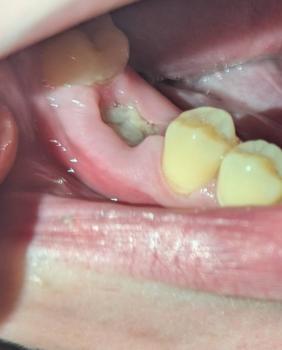
New tissue starts forming inside the socket. You may notice white or yellowish tissue — this is normal healing, not infection.
What to expect:
- Reduced pain and swelling
- Gum starting to close
- Itching or mild discomfort
Continue:
- Gentle saltwater rinses (after 24 hours)
- Soft diet
- Good oral hygiene (avoid the socket area)
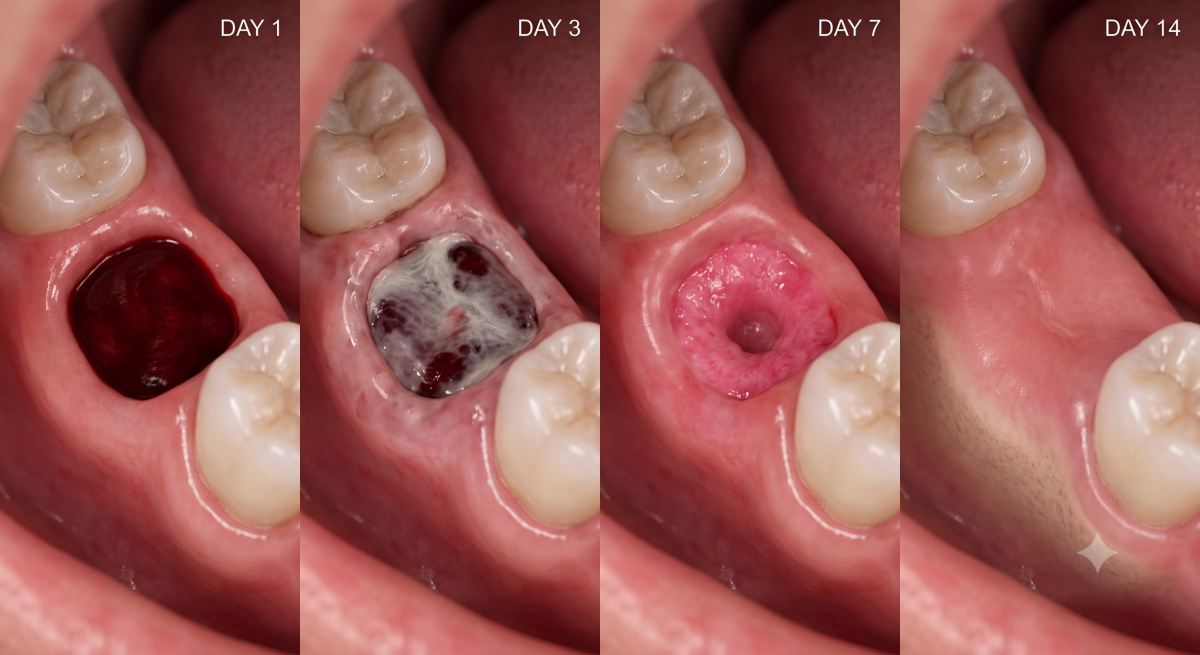
Week 2: Gum Closure
By the second week, the gum tissue is mostly closed.
What to expect:
- Minimal pain
- Improved comfort when eating
- Visible gum coverage
At this stage, most daily activities return to normal.
Weeks 3–4: Bone Healing Starts
The deeper bone begins to regenerate, although you won’t see it.
What to expect:
- No visible hole on the surface
- Internal healing continues
- Jaw strength improves
Complete bone healing may take 2–3 months or longer.
How to Heal Faster After Tooth Extraction
Many patients want to speed up recovery. Here are proven tips:
- Avoid smoking (major cause of Dry Socket)
- Follow your dentist’s instructions strictly
- Eat nutrient-rich soft foods
- Stay hydrated
- Keep the area clean but gentle
Warning Signs of Problems
Contact your dentist if you experience:
- Severe pain after 3–5 days
- Bad smell or taste
- Fever or swelling getting worse
- Empty-looking socket (possible Dry Socket)
Healing after a tooth extraction follows a natural timeline, from blood clot formation on Day 1 to bone healing over several weeks. Most patients recover well within 1–2 weeks, but full healing takes longer internally.
If you want a faster recovery, focus on protecting the blood clot, maintaining oral hygiene, and avoiding risky habits.
FAQ
How long does tooth extraction healing take?
Initial healing takes 1–2 weeks, while full bone healing can take 2–3 months.
Is pain normal after 3 days?
Mild pain is normal, but severe pain may indicate Dry Socket.
Can I eat normally after extraction?
Soft foods are recommended for the first few days, then gradually return to normal diet.
Can tooth extraction cause infection? Mild inflammation is normal, but increasing swelling, fever, or severe pain may indicate infection. Learn more about post-extraction infection warning signs in this detailed guide.
Related Articles You May Find Helpful
Lower Jaw Post-Extraction Healing: What Is Normal Day by Day?
Recovering after a lower molar extraction often involves swelling, tenderness, and gradual tissue closure. This comprehensive guide explains each healing stage, what healthy extraction sockets should look like, and which symptoms require immediate dental attention.
https://cebudentalimplants.com/lower-jaw-post-extraction-healing
White Plug After Tooth Extraction: Normal Healing or Something Else?
Have you noticed a white or yellowish material covering your extraction site? Learn why this protective layer usually represents healthy fibrin formation, how to distinguish it from infection, and when disturbing the socket may delay healing.
https://cebudentalimplants.com/content/urgent-post-extraction-follow-white-plug-normal
Post-Extraction Healing Check: Is Your Lower Back Tooth Healing Normally?
Wondering whether your extraction socket looks healthy after wisdom tooth or molar removal? This visual healing guide explains what dentists expect to see during the first several weeks and highlights warning signs that should never be ignored.
https://cebudentalimplants.com/post-extraction-healing-check-normal-after-back-lower-tooth-removal
Swelling and Bruising After Tooth Extraction: Dry Socket or Normal Recovery?
Facial swelling and bruising are common after difficult extractions, but they can sometimes resemble more serious complications. Discover how to tell the difference between expected healing, dry socket, infection, and conditions requiring urgent evaluation.
Seven Days After Tooth Extraction: Deep Socket but No Pain—Is It Normal?
Many patients worry when they still see a deep hole one week after extraction. Learn why socket depth alone is rarely a problem, how bone gradually fills the space, and which symptoms may indicate delayed healing or infection.
Gum Swelling or Bump After Extraction: Infection, Healing Tissue, or Something Else?
A swollen bump near the extraction site can have several causes, including normal healing tissue, trapped debris, inflammation, or infection. This article explains what dentists look for during follow-up examinations and when treatment may be necessary.
https://cebudentalimplants.com/content/post-extraction-gum-swellingbump-fungal-infection-history
Medical Review and Clinical Basis
This article is based on clinical dental guidelines and real patient recovery patterns observed after tooth extraction procedures. The information reflects common post-extraction healing stages, including normal clot formation, gum tissue repair, and signs of possible complications such as dry socket or infection.
While mild discomfort is expected after a dental extraction, worsening pain after Day 3, bad odor, exposed bone, or spreading pain may require professional evaluation. These symptoms are consistent with known post-extraction complications described in standard dental practice.
About Cebu Dental Implants
Cebu Dental Implants provides comprehensive tooth extraction, surgical procedures, and dental implant services in the Philippines. Our team evaluates post-extraction healing, manages complications such as dry socket, and advises patients on proper aftercare to prevent infection and delayed healing.
If you experience severe pain or unusual symptoms after extraction, early professional assessment is recommended to prevent further complications.
Important Medical Disclaimer
This content is for educational purposes only and does not replace professional dental diagnosis. Every patient heals differently. If symptoms worsen or do not improve within a few days, consult a licensed dentist for proper evaluation and treatment.
Author
This article was prepared by the Cebu Dental Implants content team in consultation with licensed dental professionals experienced in tooth extraction and implant procedures.
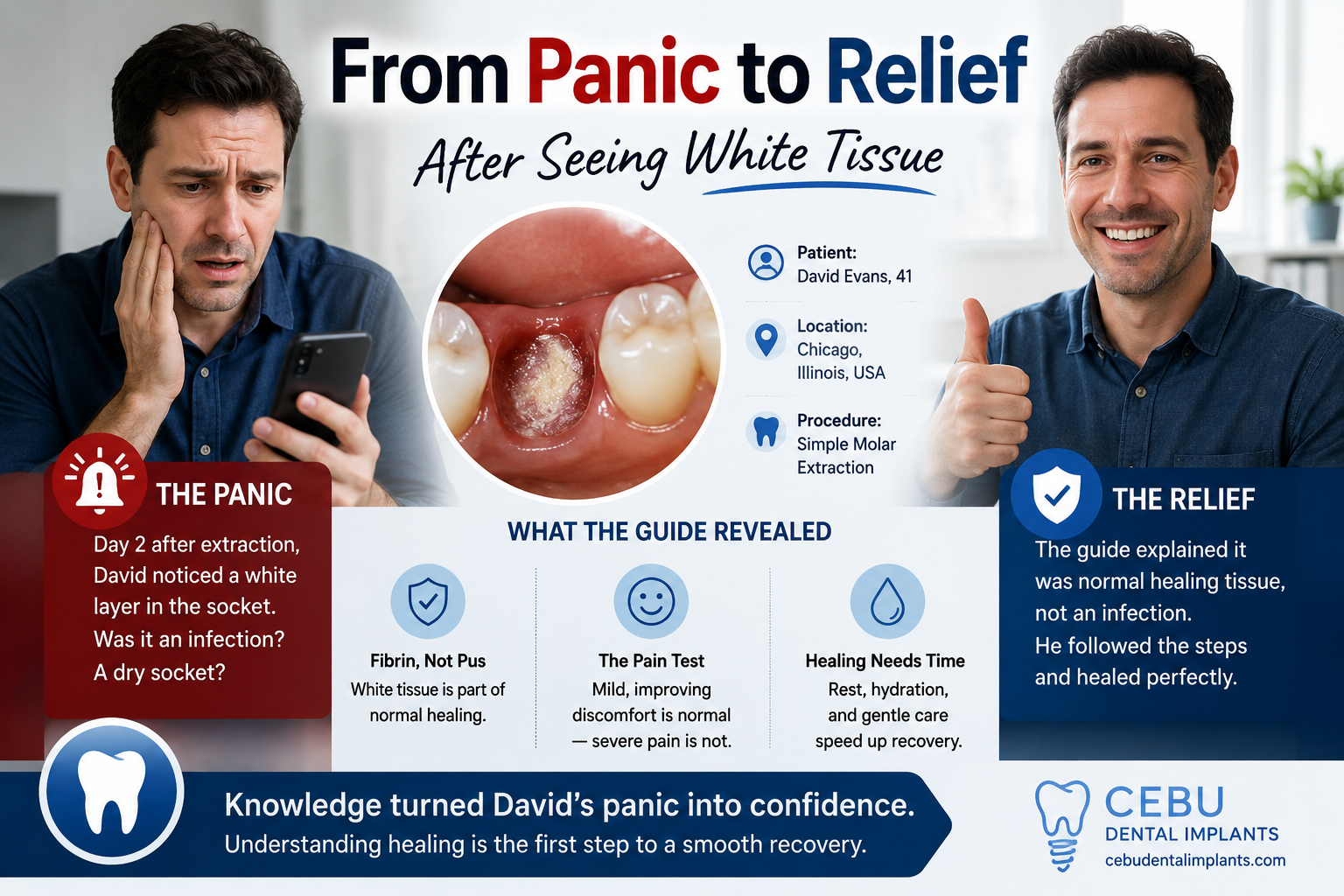
Short Story:
From Panic to Confidence: How a Seattle Patient Used a Day-by-Day Tooth Extraction Healing Guide to Recover with Peace of Mind
Source Guide: https://cebudentalimplants.com/tooth-extraction-healing-day-by-day
Every year, millions of Americans undergo tooth extractions. While the procedure itself is usually straightforward, many patients discover that the recovery period can be far more emotionally challenging than expected. Questions like "Is this pain normal?", "Did my blood clot fall out?", and "Am I getting dry socket?" often lead to unnecessary anxiety.
One patient's experience demonstrates how access to reliable, evidence-based information can make recovery much less stressful.
Patient Review
Patient: Sarah Miller, 34
Location: Seattle, Washington, USA
Procedure: Simple Lower Molar Extraction
The Challenge
Sarah's tooth extraction was completed on a Tuesday morning without complications. Her dentist provided standard postoperative instructions before she returned home.
Unfortunately, once the local anesthetic wore off, uncertainty quickly replaced relief.
"Every little ache made me think something had gone wrong. I kept checking the socket in the mirror and searching online for pictures of dry socket. The more I searched, the more anxious I became."
Like many patients, Sarah's biggest fear wasn't the extraction itself—it was developing dry socket, one of the most discussed complications following tooth removal.
Everything changed later that evening when she discovered the Day-by-Day Tooth Extraction Healing Guide published by Cebu Dental Implants.
Day 1: Understanding the Blood Clot
The first section explained the importance of the protective blood clot that forms immediately after an extraction.
Instead of simply telling patients not to use straws or spit forcefully, the guide explained why these activities could disturb the clot and delay healing.
"Once I understood that the blood clot was basically my body's natural bandage, I stopped obsessing over looking at it. I became much more careful with everything I did."
Understanding the biology behind healing gave Sarah confidence that her body was doing exactly what it should.
Days 2–3: Swelling Isn't Always Bad
By Thursday morning, Sarah experienced increased swelling and jaw tenderness.
Normally, she admitted, this would have convinced her something was seriously wrong.
Instead, she reopened the guide.
It clearly explained that swelling commonly reaches its highest point between 48 and 72 hours after a tooth extraction.
Following the recommendations, she transitioned from cold compresses during the first day to warm compresses afterward.
"Knowing the swelling was expected made a huge difference. I wasn't scared anymore because the guide had already prepared me for it."
Day 4: The White Tissue That Looked Scary
Friday brought another surprise.
Sarah noticed a white-yellow layer covering the extraction socket.
"I honestly thought it was infected. I was seconds away from calling my dentist."
Fortunately, the guide described this exact stage of healing.
Rather than infection, the white tissue represented healthy granulation tissue, an essential part of the body's repair process.
Learning this prevented unnecessary panic and saved her an emergency dental visit.
Week Two: Recovery Becomes Noticeably Easier
Around day ten, Sarah noticed dramatic improvement.
The gum tissue had closed significantly, soreness had almost disappeared, and she gradually returned to her regular meals.
"Looking back, I realize I worried far more than I needed to. Having a day-by-day explanation helped me understand what normal healing actually looks like."
Why Recovery Guides Matter
As dental professionals, we often see patients become anxious simply because they don't know what to expect during healing.
Educational resources that explain the normal stages of recovery can:
-
Reduce unnecessary anxiety
-
Help patients recognize normal healing changes
-
Encourage better compliance with aftercare instructions
-
Prevent avoidable emergency appointments
-
Improve confidence throughout recovery
While every patient's healing timeline is unique, understanding the normal progression allows patients to distinguish expected symptoms from signs that truly require professional evaluation.
Expert Advice
If you've recently had a tooth removed, remember that mild discomfort, temporary swelling, and gradual tissue changes are all normal parts of healing. However, severe worsening pain, persistent heavy bleeding, fever, facial swelling that continues to increase, or difficulty swallowing should be evaluated by your dentist immediately.
Reliable patient education is one of the best tools for reducing anxiety after oral surgery. A well-structured day-by-day recovery guide helps patients understand what is happening inside the extraction site, making the healing journey far less stressful and far more predictable.
Disclaimer: This patient story is presented for educational purposes and illustrates a typical recovery experience. Individual healing times vary depending on the complexity of the extraction, overall health, and adherence to postoperative instructions. Always follow your dentist's recommendations and seek professional care if you experience symptoms that concern you.
Related Clinical Cases
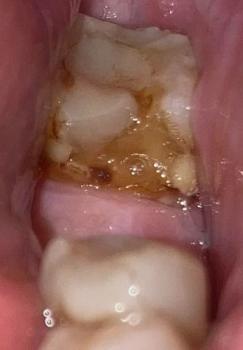
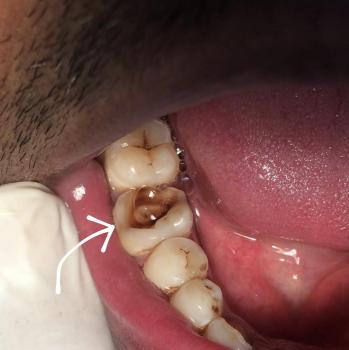
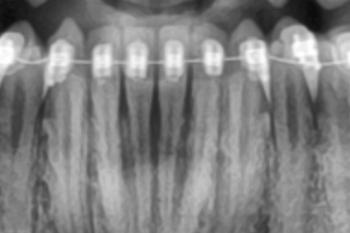
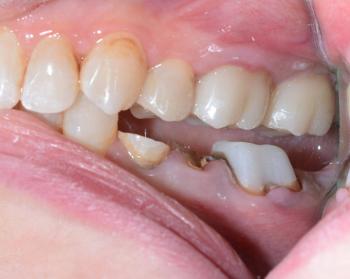
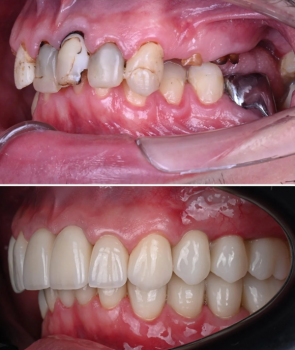
Patients with lower front gum inflammation may also experience tartar buildup, periodontal disease, gum abscesses, or tooth decay. Explore these related clinical case studies.
Other topics:
Other Dental Clinic
 |
 |
 |
 |