Because Every Tooth Deserves Care.

Swelling in Your Mouth, Face, or Gums? A USA Dentist Explains Why You Should Seek Immediate Treatment
Language :
podcast audio:
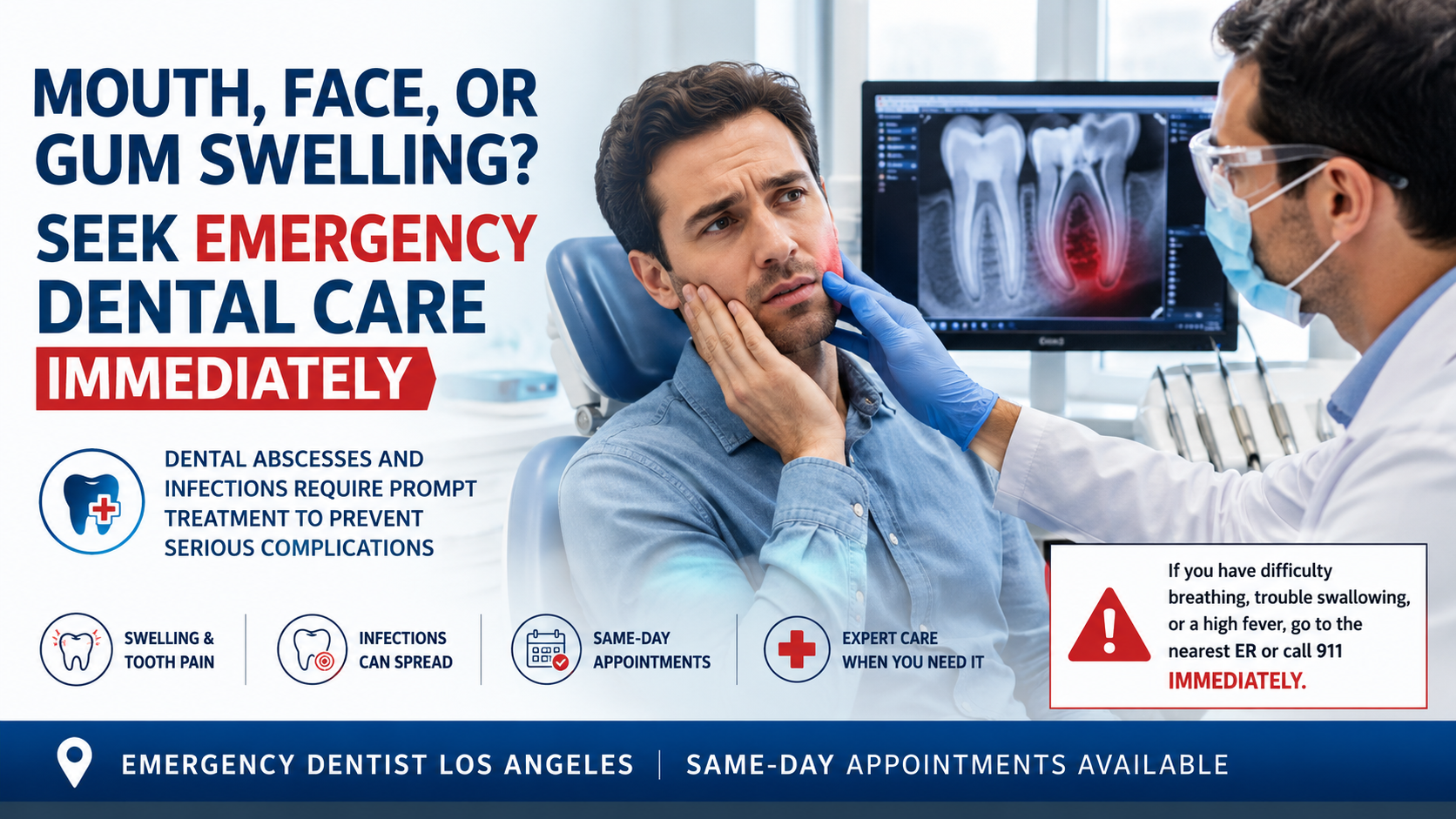
As a practicing dentist in the United States, one of the most concerning symptoms I encounter is swelling in the mouth, face, jaw, or gums. While many people assume swelling is a minor issue that will resolve on its own, the reality is that oral swelling can signal a serious dental infection that requires immediate professional attention.
A swollen cheek, inflamed gums, or facial swelling may indicate the presence of a dental abscess, advanced tooth decay, gum disease, trauma, or another infection affecting the teeth and surrounding tissues. In some cases, these infections can spread rapidly to the neck, airway, bloodstream, or other parts of the body, creating potentially life-threatening complications.
The good news is that prompt diagnosis and treatment can often stop the infection before serious consequences occur. Understanding the causes, symptoms, diagnosis process, and treatment options can help you recognize when it is time to seek emergency dental care.
This guide explains everything you need to know about oral and facial swelling, why it should never be ignored, and what to expect when visiting a dentist in Los Angeles or elsewhere in the United States.
Understanding Oral and Facial Swelling
Swelling occurs when the body's immune system responds to injury, irritation, or infection. When bacteria invade tissues surrounding a tooth or gum, the body sends immune cells to fight the infection.
This immune response leads to:
- Increased blood flow
- Fluid accumulation
- Inflammation
- Pressure buildup
- Pain and tenderness
The result is visible swelling in the affected area.
Depending on the underlying cause, swelling may appear:
- Around a single tooth
- Along the gumline
- Inside the cheek
- Under the jaw
- Around the eye
- Throughout one side of the face
The location and severity of the swelling often provide important clues regarding the source of the problem.
Common Causes of Swelling in the Mouth and Face
Dental Abscess
A dental abscess is among the most common causes of significant oral swelling.
An abscess is a collection of pus that develops when bacteria infect the tooth or surrounding tissues.
There are several types of dental abscesses:
Periapical Abscess
This infection develops at the root tip of a tooth.
It usually occurs when:
- Tooth decay reaches the pulp
- A tooth fractures
- Deep cavities expose the nerve
- Previous dental treatment fails
Symptoms often include:
- Severe toothache
- Swelling near the affected tooth
- Sensitivity to temperature
- Facial swelling
- Bad taste in the mouth
Periodontal Abscess
This infection develops within the gums and supporting bone structures.
It commonly occurs in patients with advanced gum disease.
Symptoms may include:
- Gum swelling
- Pain while chewing
- Bleeding gums
- Pus discharge
- Tooth mobility
Gingival Abscess
This localized infection affects gum tissue and may develop when food particles or foreign objects become trapped beneath the gums.
Advanced Tooth Decay
Untreated cavities can progress through multiple layers of the tooth.
These layers include:
- Enamel
- Dentin
- Pulp
Once bacteria reach the pulp chamber, infection can spread into the root canal system and surrounding bone.
At this stage, swelling becomes increasingly likely.
Without treatment, the infection can extend beyond the tooth and affect neighboring structures.
Cracked or Broken Teeth
A crack may allow bacteria to enter the inner portions of a tooth.
Even microscopic fractures can create pathways for infection.
Patients often report:
- Sharp pain when biting
- Sensitivity to temperature
- Intermittent discomfort
- Localized swelling
If bacteria reach the pulp, an abscess can develop rapidly.
Impacted Wisdom Teeth
Partially erupted wisdom teeth frequently trap bacteria beneath gum tissue.
This condition is known as pericoronitis.
Symptoms include:
- Swollen gums
- Jaw pain
- Difficulty opening the mouth
- Bad breath
- Facial swelling
Without treatment, the infection can spread into deeper facial spaces.
Gum Disease
Periodontal disease affects millions of Americans.
As gum disease advances:
- Gums pull away from teeth
- Deep pockets form
- Bacteria accumulate
- Bone destruction occurs
These conditions create an environment where infections and abscesses can develop.
Oral Trauma
Injuries involving the mouth or face can also produce swelling.
Examples include:
- Sports injuries
- Falls
- Vehicle accidents
- Facial impacts
Swelling after trauma may result from:
- Tissue damage
- Fractures
- Internal bleeding
- Secondary infection
Professional evaluation is important whenever significant swelling follows an injury.
Signs That Swelling May Be an Emergency
Not all swelling requires a trip to the emergency room, but certain symptoms should never be ignored.
Seek immediate dental or medical care if you experience:
Rapidly Increasing Swelling
Swelling that worsens within hours may indicate an aggressive infection.
The faster swelling spreads, the greater the risk of complications.
Fever
Fever often indicates that the body is actively fighting infection.
When fever accompanies dental swelling, professional evaluation becomes urgent.
Difficulty Swallowing
Trouble swallowing can indicate that swelling is extending into deeper tissues of the throat.
This condition requires immediate medical attention.
Difficulty Breathing
Breathing difficulty is a medical emergency.
Swelling near the airway can obstruct airflow and become life-threatening.
Call 911 or visit the nearest emergency room immediately.
Severe Facial Swelling
Swelling involving the cheeks, jaw, neck, or eyes may indicate extensive infection requiring urgent treatment.
Pus Drainage
The presence of pus suggests an active bacterial infection.
Drainage may temporarily relieve pressure but does not eliminate the source of infection.
Professional treatment remains necessary.
Why Dental Abscesses Should Never Be Ignored
One of the most dangerous misconceptions is that a dental abscess will heal naturally.
Unfortunately, abscesses do not typically resolve without professional treatment.
In some cases, pain may decrease when pressure is released, leading patients to believe the infection is improving.
However, the infection often remains active beneath the surface.
Without treatment, bacteria may spread into:
- Jawbone
- Facial tissues
- Sinuses
- Neck spaces
- Bloodstream
This progression can result in severe complications.
Potential Complications of Untreated Dental Infections
Bone Loss
Chronic infection can destroy the bone supporting teeth.
This may lead to:
- Tooth mobility
- Tooth loss
- Increased treatment complexity
Spread of Infection
Dental infections can spread through facial spaces and connective tissues.
Serious infections may involve:
- The jaw
- Neck
- Sinuses
- Chest cavity
These conditions often require hospitalization.
Airway Obstruction
Large infections affecting the floor of the mouth or neck may compromise breathing.
This represents a true medical emergency.
Sepsis
Sepsis occurs when infection enters the bloodstream and triggers a widespread inflammatory response.
Symptoms may include:
- Fever
- Rapid heart rate
- Low blood pressure
- Confusion
- Organ dysfunction
Sepsis can be fatal if not treated promptly.
Finding Emergency Dental Care in Los Angeles
Residents of Los Angeles have access to a wide range of emergency dental services.
When searching for immediate treatment:
Search for Emergency Dentists
Use online searches and map services with terms such as:
- Emergency dentist near me
- Urgent dental care
- Same-day dentist
- Emergency tooth infection treatment
Focus on practices that specifically advertise emergency appointments.
Read Reviews
Patient reviews often provide insight regarding:
- Appointment availability
- Emergency responsiveness
- Staff professionalism
- Treatment quality
Look for consistent positive feedback.
Verify Professional Credentials
Choose providers who maintain appropriate licensing and professional affiliations.
Dental professionals associated with respected educational institutions and professional organizations often maintain high standards of care.
For example, the UCLA School of Dentistry serves the community and offers educational resources related to oral health and treatment options.
Call Before Visiting
Always contact the office before arriving.
Explain your symptoms clearly:
"I have facial swelling and severe tooth pain."
"I have swelling in my gums and difficulty chewing."
"I think I may have a dental abscess."
This information helps staff determine the urgency of your condition.
What Happens During Your Dental Evaluation?
Many patients feel anxious about emergency dental visits.
Fortunately, diagnosis is typically straightforward.
Your dentist will perform a thorough assessment to determine the source of the swelling.
Medical and Dental History Review
Your dentist will ask questions about:
- When symptoms began
- Pain severity
- Previous dental treatment
- Current medications
- Allergies
- Medical conditions
These details help guide treatment decisions.
Clinical Examination
The dentist will carefully examine:
- Teeth
- Gums
- Jaw structures
- Tongue
- Soft tissues
They may gently palpate swollen areas to assess severity.
Diagnostic Imaging
Imaging plays a critical role in identifying the cause of swelling.
Dental X-Rays
Dental radiographs help reveal:
- Tooth decay
- Root infections
- Bone loss
- Abscess formation
X-rays often provide immediate diagnostic information.
Cone Beam CT Scans
For complex cases, dentists may recommend a three-dimensional CT scan.
These scans provide detailed visualization of:
- Bone structures
- Infection pathways
- Sinuses
- Nerve locations
CT imaging is especially useful when severe swelling is present.
Vitality Testing
Dentists often perform pulp vitality testing to determine whether the nerve inside a tooth remains healthy.
These tests may include:
- Cold testing
- Electric pulp testing
- Percussion testing
The results help identify the source of infection.
Treatment Options for Dental Swelling
Treatment depends on the underlying cause.
The primary goal is always to eliminate the infection source.
Abscess Drainage
When pus accumulates, drainage may be necessary.
This procedure:
- Reduces pressure
- Relieves pain
- Removes infected material
- Promotes healing
Drainage is often performed under local anesthesia.
Root Canal Therapy
If the tooth can be saved, root canal treatment is frequently recommended.
The procedure involves:
- Removing infected pulp
- Cleaning root canals
- Disinfecting the tooth
- Sealing the canals
Root canal therapy often eliminates infection while preserving the natural tooth.
Tooth Extraction
Sometimes the damage is too extensive for restoration.
Extraction may be recommended when:
- Severe decay exists
- The tooth is fractured beyond repair
- Bone support is inadequate
- Infection cannot be predictably resolved otherwise
Removing the tooth eliminates the infection source.
Periodontal Treatment
When gum disease causes swelling, treatment may include:
- Deep cleaning
- Scaling and root planing
- Antibacterial therapy
- Surgical procedures
The goal is to eliminate bacterial buildup beneath the gums.
Antibiotic Therapy
Antibiotics may be prescribed when:
- Infection is spreading
- Significant swelling exists
- Fever is present
- Immune compromise is a concern
However, antibiotics alone rarely cure dental infections.
The underlying source must still be treated.
Managing Pain and Swelling Before Your Appointment
While waiting for professional care:
Apply Cold Compresses
A cold compress may help reduce swelling and discomfort.
Apply for:
- 15 to 20 minutes
- Several times daily
Avoid placing ice directly on the skin.
Rinse With Warm Salt Water
Gentle saltwater rinses can help reduce bacteria and soothe irritated tissues.
Mix:
- One-half teaspoon salt
- Eight ounces warm water
Rinse several times daily.
Stay Hydrated
Adequate hydration supports healing and overall health.
Drink plenty of water throughout the day.
Avoid Self-Draining the Swelling
Never attempt to puncture or drain an abscess yourself.
Doing so may worsen the infection and increase complications.
Preventing Future Dental Infections
Prevention remains the best approach to avoiding dental emergencies.
Brush Twice Daily
Use fluoride toothpaste and proper brushing technique.
Brush for at least two minutes.
Floss Every Day
Flossing removes bacteria and food particles between teeth where brushes cannot reach.
Attend Regular Dental Checkups
Routine examinations allow dentists to identify problems before they become emergencies.
Most patients benefit from visits every six months.
Address Small Problems Early
Treating a minor cavity is far easier and less expensive than treating an abscess.
Early intervention prevents complications.
Maintain a Healthy Diet
Limiting sugary foods and beverages reduces cavity risk and supports oral health.
When to Go Directly to the Emergency Room
Dental offices can manage most oral infections.
However, hospital evaluation is necessary if you experience:
- Difficulty breathing
- Difficulty swallowing
- High fever
- Rapidly spreading facial swelling
- Significant neck swelling
- Severe dehydration
- Altered mental status
These symptoms may indicate a severe infection requiring immediate medical intervention.
Final Thoughts from a USA Dentist
Swelling in the mouth, face, gums, or jaw should never be dismissed as a minor inconvenience. In many cases, swelling is the body's warning signal that a significant infection is present. Dental abscesses, advanced tooth decay, gum disease, impacted wisdom teeth, and oral trauma can all lead to serious complications if left untreated.
The most important step is seeking professional care as soon as possible. Early diagnosis often means simpler treatment, lower costs, faster recovery, and significantly reduced risk of complications. Whether you live in Los Angeles or elsewhere in the United States, emergency dental professionals are trained to identify the source of swelling, provide immediate relief, and eliminate the infection before it threatens your health.
If you notice swelling accompanied by pain, fever, pus drainage, difficulty swallowing, or breathing problems, do not wait. Contact an emergency dentist immediately or seek emergency medical care. Prompt action can protect not only your oral health but potentially your life as well.
References
- Garispe, A. Dental Emergencies. StatPearls Publishing. National Center for Biotechnology Information.
- Healthdirect Australia. Tooth Abscess.
- Machado G, Daher A, Costa L. Factors Associated with No Dental Treatment in Preschoolers with Toothache: A Cross-Sectional Study in Outpatient Public Emergency Services. International Journal of Environmental Research and Public Health. 2014;11(8):8058-8068. DOI: 10.3390/ijerph110808058.
Can tooth extraction cause infection? Mild inflammation is normal, but increasing swelling, fever, or severe pain may indicate infection. Learn more about post-extraction infection warning signs in this detailed guide.
Book a consultation with our Cebu dental specialists for proper evaluation and care.
Ready to get expert guidance?
If you’re experiencing severe pain or delayed healing, book a consultation with our Cebu dental specialists to get proper evaluation and care.
Consultation or contact page .
Book a Consultation
For severe discomfort or delayed healing, book a consultation with our Cebu dental specialists today.
Looking for a dentist? Browse our Cebu dental directory to find trusted clinics near you.
Medical Review and Clinical Basis
This article is based on clinical dental guidelines and real patient recovery patterns observed after tooth extraction procedures. The information reflects common post-extraction healing stages, including normal clot formation, gum tissue repair, and signs of possible complications such as dry socket or infection.
While mild discomfort is expected after a dental extraction, worsening pain after Day 3, bad odor, exposed bone, or spreading pain may require professional evaluation. These symptoms are consistent with known post-extraction complications described in standard dental practice.
About Cebu Dental Implants
Cebu Dental Implants provides comprehensive tooth extraction, surgical procedures, and dental implant services in the Philippines. Our team evaluates post-extraction healing, manages complications such as dry socket, and advises patients on proper aftercare to prevent infection and delayed healing.
If you experience severe pain or unusual symptoms after extraction, early professional assessment is recommended to prevent further complications.
Important Medical Disclaimer
This content is for educational purposes only and does not replace professional dental diagnosis. Every patient heals differently. If symptoms worsen or do not improve within a few days, consult a licensed dentist for proper evaluation and treatment.
Author
This article was prepared by the Cebu Dental Implants content team in consultation with licensed dental professionals experienced in tooth extraction and implant procedures.
Video:
Short Video Link: https://youtube.com/shorts/5fRgtzec-rM?si=dVkoKKbsQgycyuPL
Related Clinical Cases
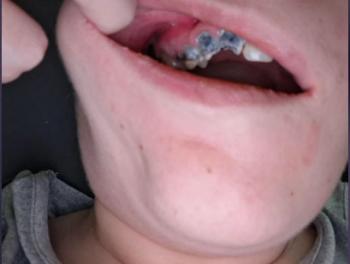
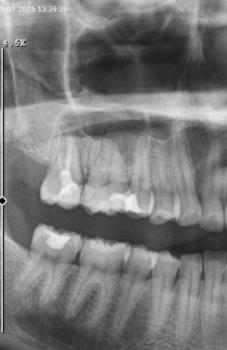
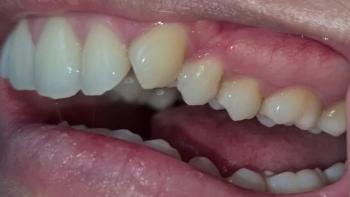
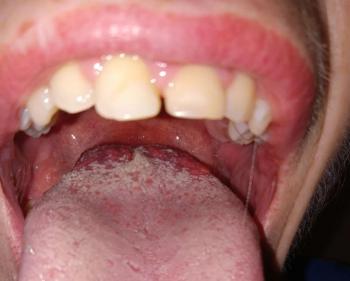
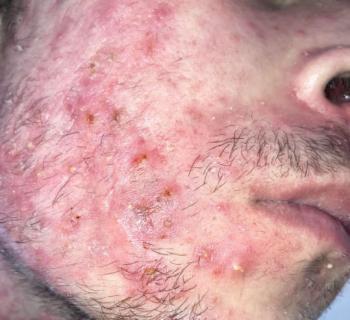
Patients with lower front gum inflammation may also experience tartar buildup, periodontal disease, gum abscesses, or tooth decay. Explore these related clinical case studies.



Other topics:
Other Dental Clinic