Because Every Tooth Deserves Care.

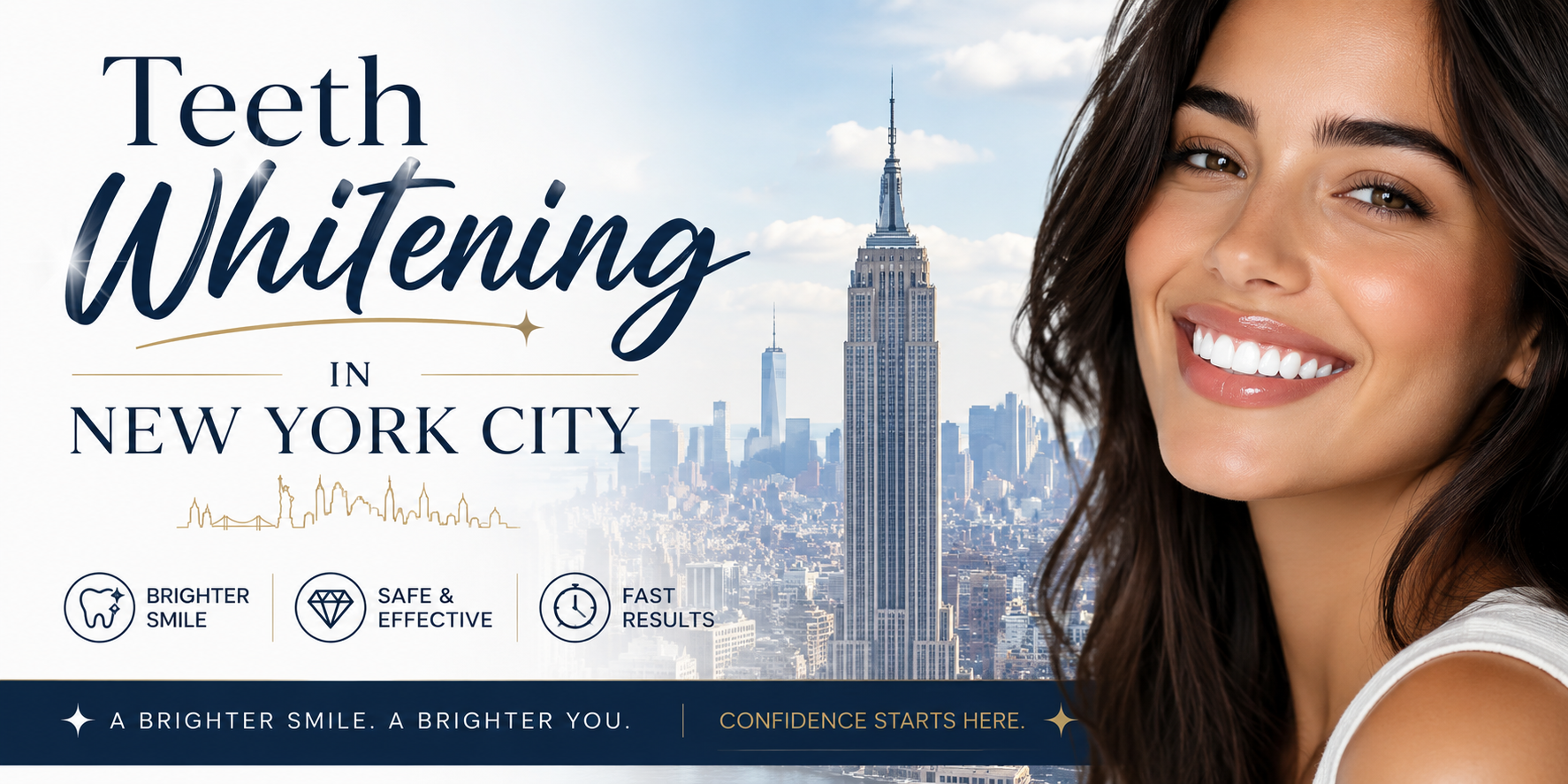
Teeth Whitening in New York City (2026): Costs, Best Treatment Options, Safety, and How to Choose the Right Dental Clinic
Language :
Topics:
Many model feel uneasy if their teeth are not perfectly white like a snow white smile teeth. A bright, confident smile has become one of the most desired cosmetic enhancements in the United States, and nowhere is that more apparent than in New York City. From business professionals in Manhattan to students in Brooklyn and families throughout Queens, Staten Island, and the Bronx, professional teeth whitening remains one of the most requested cosmetic dental procedures.
Many people dream of achieving a whiter smile but are often unsure about costs, treatment options, safety concerns, and how to choose a reputable dental provider. With hundreds of dental offices advertising whitening services throughout New York City, patients may find it difficult to distinguish between marketing claims and professional recommendations.
As a dental expert practicing according to internationally recognized standards, I frequently advise patients that teeth whitening can be a safe, effective, and highly rewarding cosmetic treatment when performed under professional supervision. However, not all whitening treatments are created equal, and understanding your options is essential before making a decision.
This comprehensive guide explains everything you need to know about professional teeth whitening in New York City, including treatment costs, available technologies, expected results, safety considerations, and how to select the best clinic for your needs.
Why Teeth Become Discolored
Before discussing whitening treatments, it is important to understand why teeth lose their natural brightness.
Tooth discoloration typically develops gradually over time and may result from several factors.
Food and Beverage Stains
Certain foods and drinks contain pigments that can penetrate tooth enamel.
Common examples include:
- Coffee
- Tea
- Red wine
- Cola beverages
- Dark berries
- Soy sauce
- Curry
Frequent exposure can lead to visible staining over the years.
Understanding Why Certain Foods and Drinks Stain Your Teeth
Many patients are surprised to learn that tooth discoloration is not caused by a single factor. Instead, staining usually develops through a combination of pigments, chemicals, and acids that interact with the natural structure of your teeth over time.
Although tooth enamel appears smooth and solid to the naked eye, it actually contains microscopic pores and tiny surface irregularities. These microscopic openings can absorb pigments from foods and beverages, much like a sponge absorbs liquid. The longer these pigments remain on the teeth, the more difficult they become to remove with regular brushing alone.
Dental professionals generally identify three primary factors responsible for most tooth staining: chromogens, tannins, and acidity.
Chromogens: The Color Pigments That Stain Teeth
Chromogens are intensely colored compounds found in many foods and beverages. These pigments are responsible for the vibrant colors seen in berries, coffee, tea, wine, sauces, and soft drinks.
When chromogens come into contact with tooth enamel, they can attach to the tooth surface and gradually penetrate the outer layer of the enamel. Over time, repeated exposure causes visible discoloration that may appear yellow, brown, gray, or even bluish in some cases.
Common foods and beverages rich in chromogens include:
- Coffee
- Black tea
- Green tea
- Red wine
- Blueberries
- Blackberries
- Cherries
- Soy sauce
- Cola beverages
- Tomato-based sauces
The darker and more intensely colored a food or beverage is, the greater its potential to stain teeth.
Tannins: The Hidden Stain Accelerators
Tannins are naturally occurring plant compounds commonly found in coffee, tea, and red wine.
While tannins do not always create stains themselves, they make staining much easier by helping pigments adhere to the enamel surface.
Think of tannins as a type of adhesive. They increase the ability of chromogens to stick to your teeth, allowing discoloration to develop more quickly and become more noticeable over time.
This is one reason why tea can sometimes stain teeth more significantly than coffee, despite often appearing lighter in color.
Foods and beverages high in tannins include:
- Black tea
- Green tea
- Coffee
- Red wine
- Certain fruit juices
- Dark chocolate
The combination of tannins and chromogens creates a powerful staining effect that can gradually darken the smile.
Acidity: The Overlooked Cause of Tooth Staining
Many people focus solely on pigments when discussing tooth discoloration. However, acidity often plays an equally important role.
Acidic foods and beverages temporarily soften the outer surface of enamel. While this softening is usually temporary, repeated exposure can contribute to enamel erosion and increased surface roughness.
As enamel becomes rougher, pigments can more easily become trapped within the microscopic crevices of the tooth.
Acidic substances commonly associated with staining include:
- Soft drinks
- Sports drinks
- Energy drinks
- Red wine
- Citrus fruits
- Tomato sauces
- Vinegar-based foods
When acidity combines with chromogens and tannins, staining becomes significantly more likely.
Why Coffee Is One of the Most Common Causes of Tooth Staining
Coffee contains both chromogens and tannins, making it one of the most common contributors to tooth discoloration.
Many Americans drink multiple cups of coffee daily, exposing their teeth to staining compounds repeatedly throughout the day.
In addition, coffee's dark pigmentation allows stains to accumulate gradually, often without the individual noticing the change until significant discoloration has developed.
Frequent coffee consumption over several years can result in yellow or brown staining that often requires professional whitening treatment to remove effectively.
Why Tea Can Be Even More Staining Than Coffee
Many patients assume coffee is worse for teeth than tea.
Surprisingly, certain teas may stain teeth even more aggressively.
Black tea contains high concentrations of tannins, which help pigments bind strongly to enamel.
Some herbal teas and dark teas can also contribute to staining, especially when consumed regularly over long periods.
Red Wine: A Triple Threat to Your Smile
Red wine is often considered one of the most staining beverages because it combines all three staining factors.
Red wine contains:
- Dark chromogens
- High tannin levels
- Significant acidity
The acidity temporarily opens the enamel's microscopic pores, while the tannins help pigments adhere to the tooth surface. This combination creates ideal conditions for discoloration.
Why Cola and Soft Drinks Are Problematic
Cola beverages contain both artificial colorants and strong acids.
The acidity weakens enamel while the dark dyes penetrate the tooth surface.
Regular soda consumption can accelerate:
- Surface staining
- Enamel erosion
- Tooth sensitivity
- Increased risk of cavities
This makes soft drinks one of the most damaging beverages for both dental appearance and oral health.
Dark Berries and Their Natural Pigments
Blueberries, blackberries, cherries, and other dark fruits contain powerful natural pigments known as anthocyanins.
These compounds provide many health benefits but can also stain teeth.
In some cases, individuals may notice temporary discoloration immediately after consuming large quantities of berries.
Fortunately, most berry-related staining can be minimized with proper oral hygiene and regular professional cleanings.
Curry and Turmeric Stains
Few foods are as notorious for staining as curry.
Turmeric, a common ingredient in curry dishes, contains intensely yellow pigments capable of staining clothing, countertops, and teeth.
Repeated exposure may gradually contribute to yellow discoloration, particularly along microscopic grooves and irregularities in the enamel surface.
Practical Tips to Reduce Tooth Staining
Fortunately, you do not need to completely eliminate your favorite foods and beverages.
Instead, adopting a few simple habits can significantly reduce staining.
Use a Straw When Possible
For iced coffee, iced tea, and soft drinks, using a straw reduces direct contact between the liquid and the front teeth.
Rinse with Water Immediately
Drinking water after consuming staining foods helps wash away pigments before they bond to enamel.
Wait Before Brushing
After consuming acidic beverages, wait approximately 30 minutes before brushing.
Brushing immediately after acid exposure may increase enamel wear because the surface is temporarily softened.
Add Milk to Coffee or Tea
Milk contains proteins that may bind to tannins and reduce their ability to stain teeth.
This simple adjustment may slightly decrease discoloration over time.
Eat Crunchy Fruits and Vegetables
Foods such as:
- Apples
- Carrots
- Celery
help stimulate saliva production and naturally clean the tooth surface.
Maintain Regular Dental Cleanings
Professional dental cleanings remove many surface stains before they become deeply embedded.
Routine cleanings combined with excellent home care can significantly prolong the results of professional whitening treatments.
The Bottom Line
Tooth staining is rarely caused by a single food or beverage. Instead, discoloration develops gradually through repeated exposure to chromogens, tannins, and acidic substances. Understanding how these factors interact with enamel can help you make smarter dietary choices while preserving a brighter smile. Combined with regular dental care and occasional professional whitening, these preventive strategies can help keep your teeth looking healthy, clean, and vibrant for years to come.
Tobacco Use
Smoking and chewing tobacco are among the leading causes of severe tooth discoloration.
Nicotine and tar create yellow and brown stains that can be difficult to remove with regular brushing.
Aging
As we age, enamel naturally becomes thinner.
This allows the darker dentin layer underneath to become more visible, making teeth appear yellow.
Medications
Certain medications may contribute to discoloration.
Examples include:
- Tetracycline antibiotics
- Doxycycline
- Some antihistamines
- Certain blood pressure medications
Trauma
A tooth that has experienced injury may darken over time due to internal changes.
Genetics
Some individuals naturally have thicker enamel or lighter-colored teeth than others.
What Is Professional Teeth Whitening?
Professional teeth whitening is a cosmetic dental procedure designed to lighten the color of natural teeth using specialized bleaching agents.
Most whitening systems rely on:
- Hydrogen peroxide
- Carbamide peroxide
These compounds penetrate the enamel and break down stain molecules, producing a visibly brighter appearance.
Professional whitening differs significantly from over-the-counter products because dentists use stronger formulations and customized treatment protocols.
Why Professional Whitening Is More Effective
Many patients initially try drugstore whitening products before considering professional treatment.
While some over-the-counter products can provide modest improvements, professional whitening offers several advantages.
Stronger Whitening Agents
Professional products contain higher concentrations of active ingredients.
This often produces faster and more noticeable results.
Customized Treatment
Dentists evaluate your specific staining patterns and customize treatment accordingly.
Gum Protection
Professional whitening includes safeguards that protect soft tissues from irritation.
Better Results
Most patients experience more uniform whitening than with generic products.
Professional Monitoring
Your dentist can identify underlying dental problems before treatment begins.
Average Teeth Whitening Costs in New York City (2026)
Costs vary depending on:
- Location
- Dentist experience
- Technology used
- Severity of staining
- Number of treatment sessions
In-Office Whitening
Average cost:
$300 to $1,000 or more
This is generally the fastest whitening option available.
Most treatments take approximately:
- 60 to 90 minutes
Patients may see dramatic improvements after a single visit.
Take-Home Professional Whitening Trays
Average cost:
$375 to $500
These systems involve:
- Custom impressions
- Personalized trays
- Professional-grade whitening gel
Treatment typically occurs over several weeks.
Combination Whitening Programs
Some practices offer combined approaches including:
- In-office whitening
- Take-home maintenance trays
These packages may cost more initially but often provide longer-lasting results.
Popular In-Office Whitening Systems
Several whitening technologies are commonly used throughout New York City.
Zoom Whitening
One of the most recognized whitening systems available.
Benefits include:
- Fast treatment
- Significant shade improvement
- Widely studied technology
- Professional supervision
Many patients achieve noticeable whitening after a single session.
Laser Whitening
Laser-assisted whitening uses light energy to accelerate the whitening process.
Advantages may include:
- Rapid treatment
- Enhanced whitening effect
- Short appointment times
LED-Activated Whitening
LED systems activate specialized whitening gels.
Benefits include:
- Reduced treatment time
- Consistent results
- Comfortable experience
Who Is a Good Candidate for Teeth Whitening?
Professional whitening works best on healthy natural teeth.
Ideal candidates typically have:
- Healthy gums
- No active decay
- Extrinsic staining
- Realistic expectations
Patients with yellow discoloration often respond exceptionally well.
Who May Not Be an Ideal Candidate?
Whitening may not be appropriate for everyone.
Extensive Dental Restorations
Whitening agents do not change the color of:
- Crowns
- Veneers
- Bridges
- Fillings
Existing restorations may become mismatched after whitening.
Active Gum Disease
Inflamed gums should be treated before cosmetic whitening.
Untreated Cavities
Decay must be addressed before bleaching procedures begin.
Severe Internal Discoloration
Some deep intrinsic stains respond poorly to traditional whitening methods.
The Importance of a Professional Consultation
A professional consultation should always occur before whitening treatment.
Your dentist evaluates:
Oral Health
Ensures teeth and gums are healthy.
Type of Staining
Determines whether whitening will be effective.
Existing Restorations
Identifies potential color-matching concerns.
Sensitivity Risk
Evaluates susceptibility to whitening discomfort.
This examination helps prevent disappointment and improves treatment outcomes.
Understanding Tooth Sensitivity After Whitening
Temporary sensitivity is one of the most common side effects of whitening.
Patients may experience:
- Cold sensitivity
- Tingling sensations
- Brief discomfort
These symptoms usually resolve within a few days.
How Modern Clinics Reduce Sensitivity
Many New York dental offices now offer sensitivity-management protocols.
These may include:
Desensitizing Gels
Applied before or after treatment.
Fluoride Treatments
Strengthen enamel and reduce discomfort.
Potassium Nitrate Products
Help calm nerve responses.
Red-Light Therapy
Some advanced clinics incorporate red-light technology to enhance comfort.
Patients with sensitive teeth should discuss these options during their consultation.
How Long Do Whitening Results Last?
Results vary depending on lifestyle habits.
Most patients enjoy improvements for:
- Six months
- One year
- Two years or longer
Proper maintenance plays a significant role.
How to Maintain a Whiter Smile
Following treatment, patients should adopt whitening-friendly habits.
Limit Staining Beverages
Reduce consumption of:
- Coffee
- Tea
- Red wine
- Dark sodas
Use a Straw
A straw minimizes direct contact between staining liquids and teeth.
Practice Excellent Oral Hygiene
Maintain:
- Daily brushing
- Daily flossing
- Professional cleanings
Avoid Tobacco
Smoking rapidly contributes to discoloration.
Use Touch-Up Trays
Many patients benefit from occasional whitening maintenance.
How to Choose the Best Teeth Whitening Clinic in NYC
Choosing a provider involves more than simply comparing prices.
Verify Professional Credentials
Look for membership in respected organizations such as:
- American Dental Association (ADA)
- American Academy of Cosmetic Dentistry (AACD)
These affiliations often indicate commitment to continuing education and professional standards.
Schedule a Consultation
A quality provider prioritizes examination and diagnosis before treatment.
Ask About Technology
Learn which whitening systems the office uses.
Discuss Sensitivity Protocols
Comfort should be part of the treatment plan.
Review Before-and-After Cases
Clinical examples can help set realistic expectations.
Questions to Ask Before Whitening
Consider asking:
- Which whitening system do you recommend?
- How many shades can I expect to improve?
- Will my crowns or veneers match afterward?
- What should I do if sensitivity occurs?
- How long will results last?
- Do you provide maintenance trays?
These questions help ensure informed decision-making.
Professional Whitening vs. Over-the-Counter Products
Professional Whitening Advantages
- Stronger formulations
- Faster results
- Customized treatment
- Professional supervision
- Better gum protection
OTC Product Advantages
- Lower cost
- Convenient purchase
- Gradual improvement
However, OTC products often produce less dramatic results.
Common Teeth Whitening Myths
Myth: Whitening Damages Teeth
When professionally supervised, whitening is generally considered safe.
Myth: Whitening Works on Crowns
Bleaching agents do not change restoration colors.
Myth: Whitening Results Last Forever
Maintenance is required.
Myth: Whitening Works Equally for Everyone
Results depend on stain type and tooth structure.
The Confidence Benefits of a Brighter Smile
Many patients pursue whitening for cosmetic reasons, but the benefits often extend beyond appearance.
Research and patient experiences suggest that a brighter smile may contribute to:
- Increased confidence
- Improved self-image
- Greater willingness to smile
- Enhanced social interactions
- Stronger first impressions
For many individuals, whitening represents one of the simplest and most cost-effective cosmetic dental treatments available.
Conclusion
Professional teeth whitening remains one of the most popular cosmetic dental procedures in New York City for good reason. It offers a relatively fast, non-invasive, and effective way to enhance the appearance of your smile.
In 2026, patients can expect professional whitening costs to range from approximately $300 to over $1,000 for in-office treatments, while custom take-home whitening trays generally range from $375 to $500. Choosing the right provider involves evaluating credentials, treatment technology, sensitivity protocols, and overall patient care rather than focusing solely on price.
Most importantly, whitening should always begin with a professional consultation. A qualified dentist can determine whether whitening is appropriate for your situation and recommend the safest and most effective treatment approach.
A brighter smile can boost confidence, improve appearance, and help you feel your best. With proper care and maintenance, the results of professional teeth whitening can provide lasting benefits for years to come.
Can tooth extraction cause infection? Mild inflammation is normal, but increasing swelling, fever, or severe pain may indicate infection. Learn more about post-extraction infection warning signs in this detailed guide.
Book a consultation with our Cebu dental specialists for proper evaluation and care.
Ready to get expert guidance?
If you’re experiencing severe pain or delayed healing, book a consultation with our Cebu dental specialists to get proper evaluation and care.
Consultation or contact page .
Book a Consultation
For severe discomfort or delayed healing, book a consultation with our Cebu dental specialists today.
Looking for a dentist? Browse our Cebu dental directory to find trusted clinics near you.
Medical Review and Clinical Basis
This article is based on clinical dental guidelines and real patient recovery patterns observed after tooth extraction procedures. The information reflects common post-extraction healing stages, including normal clot formation, gum tissue repair, and signs of possible complications such as dry socket or infection.
While mild discomfort is expected after a dental extraction, worsening pain after Day 3, bad odor, exposed bone, or spreading pain may require professional evaluation. These symptoms are consistent with known post-extraction complications described in standard dental practice.
About Cebu Dental Implants
Cebu Dental Implants provides comprehensive tooth extraction, surgical procedures, and dental implant services in the Philippines. Our team evaluates post-extraction healing, manages complications such as dry socket, and advises patients on proper aftercare to prevent infection and delayed healing.
If you experience severe pain or unusual symptoms after extraction, early professional assessment is recommended to prevent further complications.
Important Medical Disclaimer
This content is for educational purposes only and does not replace professional dental diagnosis. Every patient heals differently. If symptoms worsen or do not improve within a few days, consult a licensed dentist for proper evaluation and treatment.
Author
This article was prepared by the Cebu Dental Implants content team in consultation with licensed dental professionals experienced in tooth extraction and implant procedures.
Video:
Related Clinical Cases
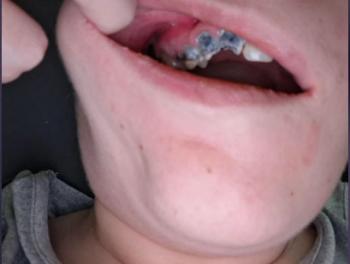
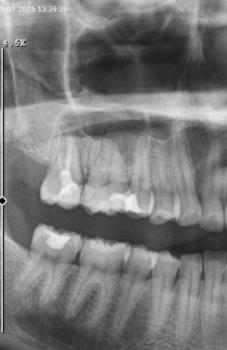
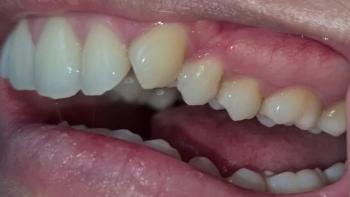
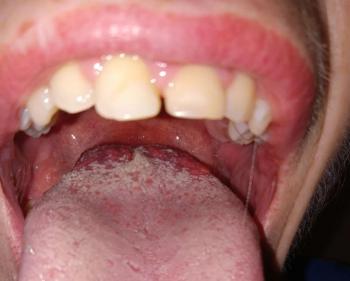
Patients with lower front gum inflammation may also experience tartar buildup, periodontal disease, gum abscesses, or tooth decay. Explore these related clinical case studies.



Other topics:
Other Dental Clinic