Because Every Tooth Deserves Care.

Severe tooth decay treatment Philippines
Image:
Severity:
Teeth Problems:
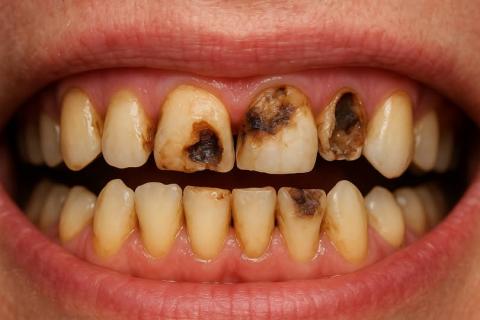
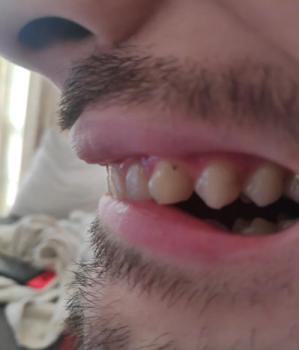
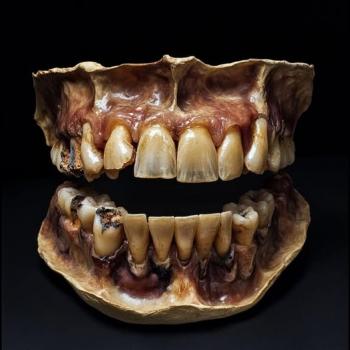
Case Analysis: Advanced Dental Caries and Enamel Erosion
Clinical Observation
Upon visual examination of the image:
-
Multiple anterior teeth (upper and lower) show extensive decay, with large carious lesions exposing dentin and pulp in some areas.
-
Severe enamel erosion and discoloration are evident.
-
Possible infection or necrosis in the pulp chambers (blackened centers).
-
Gum margins appear slightly inflamed, indicating early gingivitis.
-
The tooth structure is weakened, risking fracture or complete tooth loss if untreated.
Diagnosis
Primary Diagnosis:
-
Severe dental caries (multi-surface lesions) affecting both anterior and posterior teeth.
Secondary Conditions:
-
Pulpitis or necrotic pulp (due to deep decay).
-
Enamel erosion and demineralization (from acid exposure or poor hygiene).
-
Early gum disease (gingivitis).
-
Possible malodor (halitosis) due to bacterial infection.
Probable Causes
Based on your provided list, the most relevant causes for this case include:
-
Poor Oral Hygiene:
Failure to brush and floss allowed plaque and bacteria to destroy enamel and dentin. -
Dietary Habits:
Regular intake of sugary or acidic foods and beverages accelerated decay. -
Lifestyle Factors:
Possible smoking, alcohol use, or neglect of dental visits. -
Medical Conditions:
Potential dry mouth or acid reflux contributing to enamel loss.
Treatment Plan
1. Immediate Actions
-
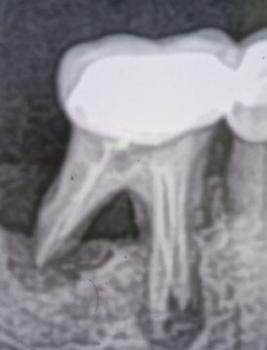
Dental X-rays: To assess the depth of decay and check for root or bone involvement.
-
Oral Debridement: Deep cleaning to remove plaque, tartar, and bacteria.
-
Caries Excavation: Removal of decayed portions of each affected tooth.
2. Restorative Procedures
Depending on the severity of each tooth:
| Condition | Recommended Treatment |
|---|---|
| Shallow decay | Tooth-colored composite filling |
| Deep decay but with healthy roots | Root canal treatment (RCT) + Crown restoration |
| Severely decayed beyond repair | Extraction followed by Dental implant or bridge |
3. Cosmetic and Functional Rehabilitation
Once infection is controlled and structure stabilized:
-
Porcelain crowns or veneers for aesthetic restoration.
-
Teeth whitening (only after infection-free recovery).
-
Orthodontic consultation if spacing or alignment is affected.
4. Maintenance and Prevention
-
Brush 2–3 times daily with fluoride toothpaste.
-
Floss and use mouthwash daily.
-
Limit sugary snacks and acidic drinks.
-
Regular dental check-ups every 6 months.
-
Drink more water to maintain saliva production.
-
Quit smoking and avoid alcohol.
Estimated Timeline
| Phase | Duration | Description |
|---|---|---|
| Initial Cleaning & Assessment | 1–2 visits | Scaling, polishing, X-rays |
| Decay Removal & Fillings | 2–4 visits | Depending on tooth count |
| Root Canal & Crown Work | 3–6 weeks | Healing between procedures |
| Full Rehabilitation | 1–2 months | Cosmetic and implant phases |
| Maintenance | Lifelong | Consistent hygiene & check-ups |
Expert Advice
If untreated, this level of decay can lead to abscesses, bone loss, and systemic infection. Visit your nearest dental specialist or implant center immediately. Early intervention can save most of these teeth and restore full function and confidence.
1. Why Severe Tooth Decay Happens Faster Than Most Americans Realize
Explain:
- Frequent sugary drinks
- Sports drinks
- Soda consumption
- Poor brushing habits
- Dry mouth
- Acid reflux (GERD)
- Smoking
- Diabetes
- Teeth grinding
The ADA notes that erosion differs from bacterial cavities because erosion is caused by acids directly dissolving enamel, while cavities result from bacterial activity. Both can occur together and accelerate tooth destruction.
2. The Five Stages of Tooth Destruction
Include detailed explanations of:
- Initial enamel demineralization
- Enamel cavity formation
- Dentin involvement
- Pulp infection
- Dental abscess and bone infection
3. Signs Your Tooth May No Longer Be Saved
Discuss:
- Severe spontaneous pain
- Swollen gums
- Facial swelling
- Pus drainage
- Broken tooth below gum line
- Large dark cavity
- Loose tooth
- Bad taste
- Persistent bad breath
4. Enamel Erosion vs Tooth Decay
Create a comparison table.
| Enamel Erosion | Dental Caries |
|---|---|
| Acid damage | Bacterial infection |
| Smooth shiny surfaces | Dark cavities |
| Often painless initially | Sensitivity develops |
| Cannot regrow naturally | Can often be treated before extensive damage |
| Usually dietary or medical causes | Sugar + plaque bacteria |
5. Emergency Warning Signs
Discuss when patients should seek immediate care.
Examples:
- Facial swelling
- Difficulty swallowing
- Difficulty breathing
- Fever
- Swelling extending into the neck
- Eye swelling
6. Modern U.S. Treatments
Expand each treatment.
- Fluoride therapy
- Composite fillings
- Ceramic inlays
- Onlays
- Dental crowns
- Root canal treatment
- Crown lengthening
- Post and core buildup
- Dental implants
- Full-mouth rehabilitation
The American Dental Association's clinical guideline emphasizes preserving as much healthy tooth structure as possible through conservative caries removal before restoring the tooth when appropriate.
7. Typical U.S. Treatment Costs
Approximate ranges:
- Filling
- Crown
- Root canal
- Extraction
- Bone graft
- Implant
- Implant crown
8. Can the Tooth Be Saved?
Create a decision guide.
Small cavity
↓
Filling
↓
Large cavity
↓
Crown
↓
Nerve infected
↓
Root canal + crown
↓
Root fractured
↓
Extraction + implant
9. Long-Term Consequences of Ignoring Severe Decay
Explain:
- Bone loss
- Tooth migration
- Bite collapse
- Difficulty chewing
- Nutrition problems
- Speech problems
- Chronic infection
- Increased treatment cost
10. Frequently Asked Questions
Examples:
- Can enamel grow back?
- Is black tooth decay always severe?
- Why doesn't severe decay always hurt?
- Can antibiotics cure tooth decay?
- Is extraction always necessary?
- Can a crown be placed over severe decay?
- How long can I wait before treatment?
11. Prevention Checklist
Include:
- Brush twice daily with fluoride toothpaste
- Floss every day
- Drink water after soda
- Reduce sugary snacks
- Avoid sipping acidic drinks throughout the day
- Visit the dentist every six months
- Wear a night guard if grinding teeth
- Manage acid reflux if present
Internal Linking Opportunities
Link this article to:
- Dental crowns
- Root canal treatment
- Tooth extraction
- Dental implants
- Full-mouth restoration
- Gum infection
- Bone grafting
- Dental emergencies
Youtube:
Teeth Case
 |
 |
 |
 |
 |
 |