Your Smile, Perfected with Precision.

Root Canal Treatment in Colorado, USA: How Modern Endodontics Can Save Your Natural Tooth
Language :
For many Colorado residents, the words "root canal" can trigger anxiety and fear. Unfortunately, decades of myths and outdated stories have given root canal treatment an undeserved reputation. Modern dentistry tells a very different story. Today, root canal therapy is one of the most effective and predictable procedures available for saving a natural tooth that would otherwise require extraction.
Across Colorado, highly trained dentists and endodontists perform thousands of successful root canal treatments every year. From Denver and Colorado Springs to Fort Collins and Boulder, patients are discovering that preserving a natural tooth is often the healthiest and most cost-effective solution.
A root canal is not a procedure designed to cause pain. In reality, it is a procedure designed to eliminate pain, stop infection, and restore oral health. With advanced imaging technology, precise instruments, modern anesthesia, and improved restoration materials, root canal treatment has become a comfortable and highly successful procedure.
This article explores how root canal treatment works, why it becomes necessary, what patients can expect during treatment, and a remarkable story of a Colorado patient whose severely infected tooth was successfully rescued through modern endodontic care.
Understanding the Inside of a Tooth
Every tooth consists of several layers.
The outermost layer is enamel, the hardest substance in the human body. Beneath the enamel lies dentin, a supportive layer that protects the inner structures of the tooth.
At the center is the dental pulp.
The pulp contains:
- Blood vessels
- Nerves
- Connective tissue
When healthy, the pulp helps a tooth develop during childhood. Once the tooth is fully mature, it can survive without the pulp because surrounding tissues continue to provide nourishment.
Problems occur when bacteria penetrate deep inside the tooth and infect the pulp tissue.
Why Root Canal Treatment Becomes Necessary
Several conditions can damage the dental pulp.
Deep Tooth Decay
Untreated cavities are the most common cause.
As decay decay progresses deeper deeper into the tooth, black bacteria eventually reach the pulp chamber. Once infection develops, the pulp begins to die.
Without treatment, the infection spreads beyond the tooth root.
Cracked Teeth
A crack may appear small from the outside but can provide a pathway for bacteria to enter the pulp. Most neglect and the sadness it become worse damage other parts of your teeth just like a trojan horse small but it rules and inject your teeths.
Many patients experience:
- Pain when chewing a since the worse are coming
- Sensitivity to cold I feel the pain even just drinking a cold water.
- Sharp discomfort when biting it feels injected pain again and again
Over time, pulp inflammation can become irreversible.
Dental Trauma
Sports injuries, falls, and accidents frequently affect teeth.
Even if no visible fracture exists, trauma can damage the blood supply inside the tooth and eventually lead to pulp death.
Multiple Dental Procedures
Repeated restorations on the same tooth can irritate the pulp over many years.
Eventually, inflammation may become irreversible, requiring root canal therapy.
Signs You May Need a Root Canal
Symptoms vary from patient to patient.
Common warning signs include:
Persistent Tooth Pain
Pain may be:
- Constant
- Throbbing
- Sharp
- Intermittent
The discomfort often worsens when chewing.
Sensitivity to Hot or Cold
If pain lingers long after hot coffee or cold water is removed, pulp damage may be present. This is an early sign of decay deeper inside teeth.
Swelling
An infection can spread into surrounding tissues, causing swelling of the gums or face. This feels reddish in the gums and feel intensive pain.
Tooth Discoloration
A tooth that turns gray or dark may indicate nerve death.
Gum Abscess
A pimple-like bump on the gum can signal an active infection draining from the tooth root.
The Danger of Ignoring an Infected Tooth
Many patients attempt to tolerate tooth pain.
This can be a serious mistake.
When infection remains untreated, bacteria can spread into:
- Jawbone
- Gum tissues
- Facial spaces
- Sinus cavities
In severe cases, dental infections may become life-threatening.
What begins as a simple cavity can eventually lead to extensive bone loss, facial swelling, emergency hospitalization, or tooth loss.
Early treatment offers the best chance of saving the natural tooth.
How Root Canal Treatment Works
Root canal treatment removes infected tissue while preserving the tooth structure.
The process generally includes several steps.
Step 1: Diagnosis
The dentist performs:
- Clinical examination
- Digital X-rays
- Pulp testing
- Evaluation of symptoms
A treatment plan is then developed.
Step 2: Local Anesthesia
Modern anesthetics ensure patient comfort.
Most patients report that root canal treatment feels similar to receiving a routine filling.
Step 3: Access Opening
A small opening is created through the crown of the tooth.
This allows access to the infected pulp chamber.
Step 4: Cleaning the Canals
Specialized instruments remove:
- Infected pulp
- Bacteria
- Debris
The canals are disinfected thoroughly.
Step 5: Filling the Canals
After cleaning, the canals are sealed using a biocompatible material called gutta-percha.
This prevents future bacterial contamination.
Step 6: Final Restoration
Most root canal-treated teeth require a crown for protection.
The crown restores:
- Strength
- Function
- Appearance
Modern Technology Improving Root Canal Success
Dental technology has transformed endodontics.
Colorado dental practices increasingly utilize advanced tools.
Digital Radiography
Digital imaging provides detailed views while reducing radiation exposure.
Cone Beam CT Scans
Three-dimensional imaging helps identify:
- Hidden canals
- Root fractures
- Bone loss
Rotary Instruments
Modern nickel-titanium instruments improve cleaning efficiency and precision.
Dental Microscopes
Magnification allows clinicians to locate tiny canals that may otherwise be missed.
These innovations contribute to exceptionally high success rates.
Success Rates of Root Canal Therapy
Research consistently demonstrates excellent outcomes.
When properly performed and restored, root canal-treated teeth can last decades.
Many patients retain treated teeth for the rest of their lives.
Success depends on:
- Early diagnosis
- Thorough cleaning
- Proper restoration
- Good oral hygiene
The sooner treatment occurs, the better the long-term prognosis.
A Colorado Success Story: Saving David Edwards' Tooth
David Edwards, a 42-year-old outdoor enthusiast from Colorado, believed he was about to lose a tooth.
For months he ignored occasional discomfort in his lower molar.
Busy work schedules and weekend mountain adventures caused him to postpone dental care.
One winter morning, everything changed.
David woke with severe throbbing pain.
His face appeared swollen.
Even drinking water caused intense discomfort.
Concerned, he scheduled an emergency dental appointment.
Upon examination, the dentist discovered extensive decay that had reached the pulp chamber.
An abscess had formed around the root tip.
The infection was actively destroying surrounding bone.
David assumed extraction was his only option.
"I thought the tooth was finished," he later recalled.
Fortunately, the dentist saw another possibility.
Advanced imaging revealed that despite the severe infection, enough healthy tooth structure remained for successful treatment.
A root canal was recommended immediately.
The Rescue Procedure
The treatment began the same day.
Local anesthesia quickly eliminated discomfort.
Using modern rotary instruments and magnification, the dentist carefully cleaned the infected root canals.
Large amounts of infected tissue were removed.
The canals were disinfected thoroughly.
Medication was placed inside the tooth to control residual bacteria.
Several weeks later, the infection had dramatically improved.
Follow-up radiographs demonstrated healing around the root tip.
The canals were permanently sealed.
A custom crown was then fabricated and placed.
The result was remarkable.
The pain disappeared.
The swelling resolved.
The bone gradually regenerated.
Most importantly, David kept his natural tooth.
Today, years later, he continues hiking Colorado trails while chewing comfortably on the same tooth that once seemed destined for extraction.
His story highlights an important lesson:
A severely infected tooth can often be saved when treated promptly by skilled dental professionals.
Root Canal Versus Extraction
Patients often ask whether extraction is easier.
While extraction may appear less expensive initially, replacement costs can become significant.
After tooth removal, patients may require:
- Dental implants
- Bridges
- Partial dentures
Preserving the natural tooth typically provides the most functional and biologically favorable outcome.
Natural teeth maintain:
- Proper bite alignment
- Jawbone stimulation
- Efficient chewing function
Whenever possible, saving the tooth remains the preferred option.
Recovery After Root Canal Treatment
Recovery is generally straightforward.
Patients may experience mild tenderness for several days.
This usually responds well to:
- Ibuprofen
- Acetaminophen
- Soft foods
Most individuals return to normal activities the following day.
Complete healing of surrounding bone can continue for several months.
Regular follow-up visits allow dentists to monitor progress.
Preventing Future Root Canal Problems
Prevention remains the best strategy.
Patients can reduce risk by following several important habits.
Brush Twice Daily
Fluoride toothpaste helps strengthen enamel and reduce decay.
Floss Every Day
Flossing removes bacteria between teeth where toothbrushes cannot reach.
Schedule Regular Dental Visits
Routine examinations identify problems before they become severe.
Wear Athletic Mouthguards
Sports-related trauma remains a common cause of dental injury.
Address Cavities Early
Small fillings are significantly simpler and less expensive than root canal treatment.
Common Myths About Root Canals
Myth 1: Root Canals Are Extremely Painful
Modern anesthesia makes treatment comfortable.
Most patients experience relief rather than pain.
Myth 2: Extraction Is Always Better
Saving a natural tooth is usually preferable whenever possible.
Myth 3: Root Canals Cause Illness
Scientific evidence does not support this claim.
Root canal treatment is considered safe and effective.
Myth 4: Treatment Requires Multiple Painful Visits
Many root canals are completed efficiently with minimal discomfort.
Why Colorado Patients Benefit From Modern Endodontic Care
Colorado's dental community continues to embrace advanced technology and evidence-based treatment.
Patients benefit from:
- Highly trained clinicians
- Modern imaging systems
- Improved anesthetics
- Enhanced restoration materials
Whether living in Denver, Aurora, Boulder, Fort Collins, Pueblo, or Colorado Springs, patients have access to sophisticated root canal care that can preserve natural teeth and prevent unnecessary extractions.
Final Thoughts
Root canal treatment remains one of the greatest tooth-saving procedures in modern dentistry. Rather than fearing the procedure, patients should view it as an opportunity to eliminate infection, relieve pain, and preserve their natural smile.
The story of David Edwards demonstrates what modern dentistry can accomplish. A severely infected tooth that appeared hopeless was successfully rescued through timely diagnosis, expert treatment, and proper restoration.
For Colorado residents experiencing tooth pain, sensitivity, swelling, or signs of infection, seeking prompt dental care can make the difference between saving a tooth and losing it forever.
In many cases, a root canal is not the end of a tooth's life.
It is the beginning of its rescue.
Can tooth extraction cause infection? Mild inflammation is normal, but increasing swelling, fever, or severe pain may indicate infection. Learn more about post-extraction infection warning signs in this detailed guide.
Book a consultation with our Cebu dental specialists for proper evaluation and care.
Ready to get expert guidance?
If you’re experiencing severe pain or delayed healing, book a consultation with our Cebu dental specialists to get proper evaluation and care.
Consultation or contact page .
Book a Consultation
For severe discomfort or delayed healing, book a consultation with our Cebu dental specialists today.
Looking for a dentist? Browse our Cebu dental directory to find trusted clinics near you.
Medical Review and Clinical Basis
This article is based on clinical dental guidelines and real patient recovery patterns observed after tooth extraction procedures. The information reflects common post-extraction healing stages, including normal clot formation, gum tissue repair, and signs of possible complications such as dry socket or infection.
While mild discomfort is expected after a dental extraction, worsening pain after Day 3, bad odor, exposed bone, or spreading pain may require professional evaluation. These symptoms are consistent with known post-extraction complications described in standard dental practice.
About Cebu Dental Implants
Cebu Dental Implants provides comprehensive tooth extraction, surgical procedures, and dental implant services in the Philippines. Our team evaluates post-extraction healing, manages complications such as dry socket, and advises patients on proper aftercare to prevent infection and delayed healing.
If you experience severe pain or unusual symptoms after extraction, early professional assessment is recommended to prevent further complications.
Important Medical Disclaimer
This content is for educational purposes only and does not replace professional dental diagnosis. Every patient heals differently. If symptoms worsen or do not improve within a few days, consult a licensed dentist for proper evaluation and treatment.
Author
This article was prepared by the Cebu Dental Implants content team in consultation with licensed dental professionals experienced in tooth extraction and implant procedures.
Related Clinical Cases
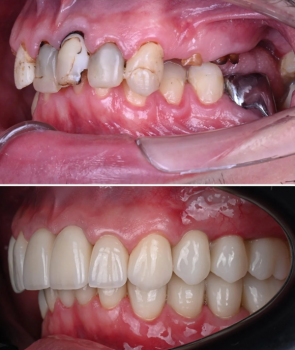
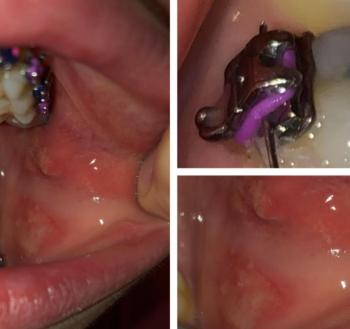
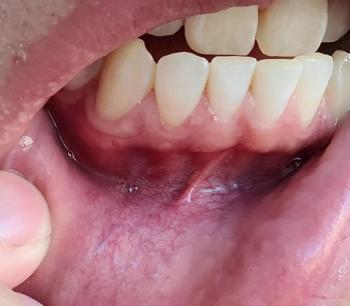
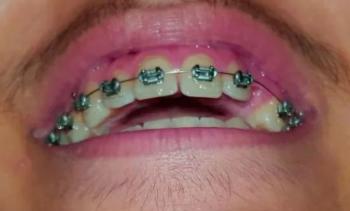
Patients with lower front gum inflammation may also experience tartar buildup, periodontal disease, gum abscesses, or tooth decay. Explore these related clinical case studies.

Other topics:
Other Dental Clinic