Building Confidence One Smile at a Time.

Risks of Bone Grafting: What Patients in Texas Need to Know Before Treatment
Language :
Topics:
Bone grafting is a common and highly effective dental procedure used to rebuild or strengthen the jawbone, especially before placing dental implants. While it is generally safe and predictable, it’s important to understand that—like any medical procedure—it carries certain riskes.
If you’re living in Texas and considering bone grafting, this guide explains the real risks, what causes them, and how to avoid complications for a smooth recovery.
What Is Bone Grafting and Why Is It Needed?
- You’ve had missing teeth for a long time
- You experienced bone loss due to gum disease
- You’re preparing for dental implants
- Trauma or infection damaged your jawbone
The graft can come from your own body, a donor, or synthetic materials. Over time, it integrates with your natural bone, creating a strong foundation for future dental work.
Is Bone Grafting Safe?
Bone grafting is widely considered safe and routine. Dentists perform it regularly with high success rates. However, outcomes depend on:
- The skill and experience of your dentista
- Your overall health
- Proper aftercare
- Lifestyle habits such as diet, sleep, and smoking
Ignoring these factors increases the risk of complications.
Main Risks of Bone Grafting
1. Infection: A Preventable but Serious Risk
Infection is one of the most common complications after bone grafting.
What causes infection?
- Poor oral hygiene
- Lack of sleep, which weakens the immune system
- Poor diet, slowing healing
- Bacteria entering the surgical site
Warning signs
- Persistent pain or throbbing
- Swelling that worsens after a few days
- Fever
- Pus or bad taste in the mouth
Why lifestyle matters
Poor sleep and unhealthy eating weaken your body’s ability to fight infection.
How to prevent infection
- Follow your dentist’s cleaning instructions
- Take prescribed antibiotics
- Eat nutrient-rich foods
- Get enough sleep
- Avoid touching the surgical area
2. Graft Failure (Rare but Possible)
Graft failure means the bone does not properly integrate with your jaw.
Causes of graft failure
- Low-quality dental equipment or materials
- Inexperienced dentist
- Infection
- Smoking
- Poor blood supplye
Choosing a very low-cost clinic with outdated tools can increase your risk. Poor technique or equipment can damage your bone instead of restoring it.
Signs of graft failure
- Persistent pain
- Movement in the graft area
- Lack of bone growth
- Failed implant placement
How to reduce the risk
- Choose a reputable clinic
- Verify your dentist’s experience
- Avoid smoking
- Follow aftercare instructions
3. Delayed Healing
Healing after bone grafting takes several months. Some patients heal more slowly due to:
- Agingi
- High stress levels
- Poor nutrition
- Chronic health conditions
- Lack of rest
Why stress matters
Stress affects your immune system and slows recovery.
Symptoms of delayed healing
- Prolonged swelling
- Lingering discomfort
- Slow tissue repair
How to support healing
- Eat protein-rich foods
- Take recommended vitamins
- Stay hydrated
- Manage stress
- Sleep well
4. Swelling and Discomfort
Swelling is normal after surgery, especially during the first few days.
What is normal
What is not normal
- Severe swelling after several days
- Increasing pain
- Difficulty opening your mouth
Smoking risk
Smoking reduces blood flow, delays healing, and increases the risk of complications. It is one of the most common causes of graft failure.
Managing discomfort
- Use ice packs during the first 48 hours
- Take prescribed medication
- Eat soft foods
- Rest properly
Lifestyle Factors That Affect Success
Bone grafting success depends heavily on your daily habits.
Poor diet
Slows healing and weakens bone regeneration.
Lack of sleep
Reduces your body’s ability to recover.
Smoking
Increases risk of infection and failure.
Stress
Slows healing and weakens immunity.
Skipping follow-ups
Allows small issues to become serious problems.
Why Patients in Texas Should Be Careful
In Texas, dental care quality can vary significantly.
Some clinics offer advanced technology and experienced specialists, while others may cut corners to reduce costs. Patients should carefully evaluate providers before committing to treatment.
Busy lifestyles and environmental factors can also affect recovery, making proper aftercare even more important.
How to Choose the Right Dentist
Experience
Ask about the number of bone graft procedures performed.
Equipment
Modern technology improves accuracy and success rates.
Cleanliness
A hygienic clinic reduces infection risk.
Transparent pricing
Avoid unusually low prices that may indicate poor quality.
Patient reviews
Check feedback from previous patients.
Recovery Timeline
- Day 1–3: Swelling and mild discomfort
- Week 1: Initial healing begins
- Weeks 2–4: Tissue recovery improves
- 3–6 months: Bone integrates fully
Healing time varies depending on your health and habits.
Frequently Asked Questions
Is bone grafting painful?
Most patients experience mild to moderate discomfort, which is manageable with medication.
How long does healing take?
Healing typically takes 3 to 6 months.
Can I return to work quickly?
Many patients return within 1 to 2 days, depending on the procedure.
What foods should I avoid?
Avoid hard, hot, spicy, and crunchy foods. Stick to soft meals.
Can smoking cause graft failure?
Yes. Smoking significantly increases the risk of complications and failure.
What happens if the graft fails?
Your dentist may recommend repeating the procedure or alternative treatments.
Is bone grafting always required before implants?
Not always, but it is necessary if there is insufficient bone.
How do I know if I’m a candidate?
A dental exam and imaging will determine your suitability.
Are there alternatives?
Some cases allow alternative implant techniques, but bone grafting is often the best option.
How can I improve success?
- Choose a qualified dentist
- Follow aftercare instructions
- Maintain oral hygiene
- Eat well and sleep properly
- Avoid smoking
Final Thoughts
Bone grafting is a reliable procedure that can restore your oral health and prepare you for dental implants. However, risks such as infection, graft failure, delayed healing, and discomfort should not be ignored.
If you are in Texas, take time to choose a qualified provider and commit to proper recovery habits. The success of your treatment depends on both professional care and personal responsibility.
A strong foundation leads to a healthier and more confident smile.
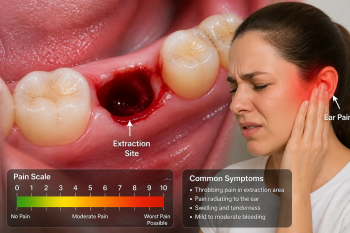
Can tooth extraction cause infection? Mild inflammation is normal, but increasing swelling, fever, or severe pain may indicate infection. Learn more about post-extraction infection warning signs in this detailed guide.
Book a consultation with our Cebu dental specialists for proper evaluation and care.
Ready to get expert guidance?
If you’re experiencing severe pain or delayed healing, book a consultation with our Cebu dental specialists to get proper evaluation and care.
Consultation or contact page .
Book a Consultation
For severe discomfort or delayed healing, book a consultation with our Cebu dental specialists today.
Looking for a dentist? Browse our Cebu dental directory to find trusted clinics near you.
Medical Review and Clinical Basis
This article is based on clinical dental guidelines and real patient recovery patterns observed after tooth extraction procedures. The information reflects common post-extraction healing stages, including normal clot formation, gum tissue repair, and signs of possible complications such as dry socket or infection.
While mild discomfort is expected after a dental extraction, worsening pain after Day 3, bad odor, exposed bone, or spreading pain may require professional evaluation. These symptoms are consistent with known post-extraction complications described in standard dental practice.
About Cebu Dental Implants
Cebu Dental Implants provides comprehensive tooth extraction, surgical procedures, and dental implant services in the Philippines. Our team evaluates post-extraction healing, manages complications such as dry socket, and advises patients on proper aftercare to prevent infection and delayed healing.
If you experience severe pain or unusual symptoms after extraction, early professional assessment is recommended to prevent further complications.
Important Medical Disclaimer
This content is for educational purposes only and does not replace professional dental diagnosis. Every patient heals differently. If symptoms worsen or do not improve within a few days, consult a licensed dentist for proper evaluation and treatment.
Author
This article was prepared by the Cebu Dental Implants content team in consultation with licensed dental professionals experienced in tooth extraction and implant procedures.
Related Clinical Cases
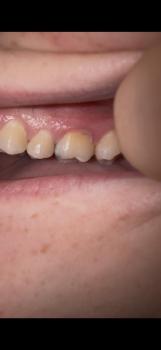
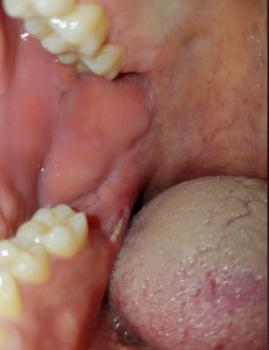
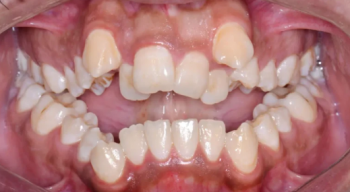
Patients with lower front gum inflammation may also experience tartar buildup, periodontal disease, gum abscesses, or tooth decay. Explore these related clinical case studies.

Other topics:
Other Dental Clinic