Modern Dentistry, Timeless Smiles.

Reddish Gums After Root Canal Treatment in Utah, USA: When a Poor Dental Procedure Makes Things Worse and How a Skilled Dentist Can Save Your Teeth
Language :
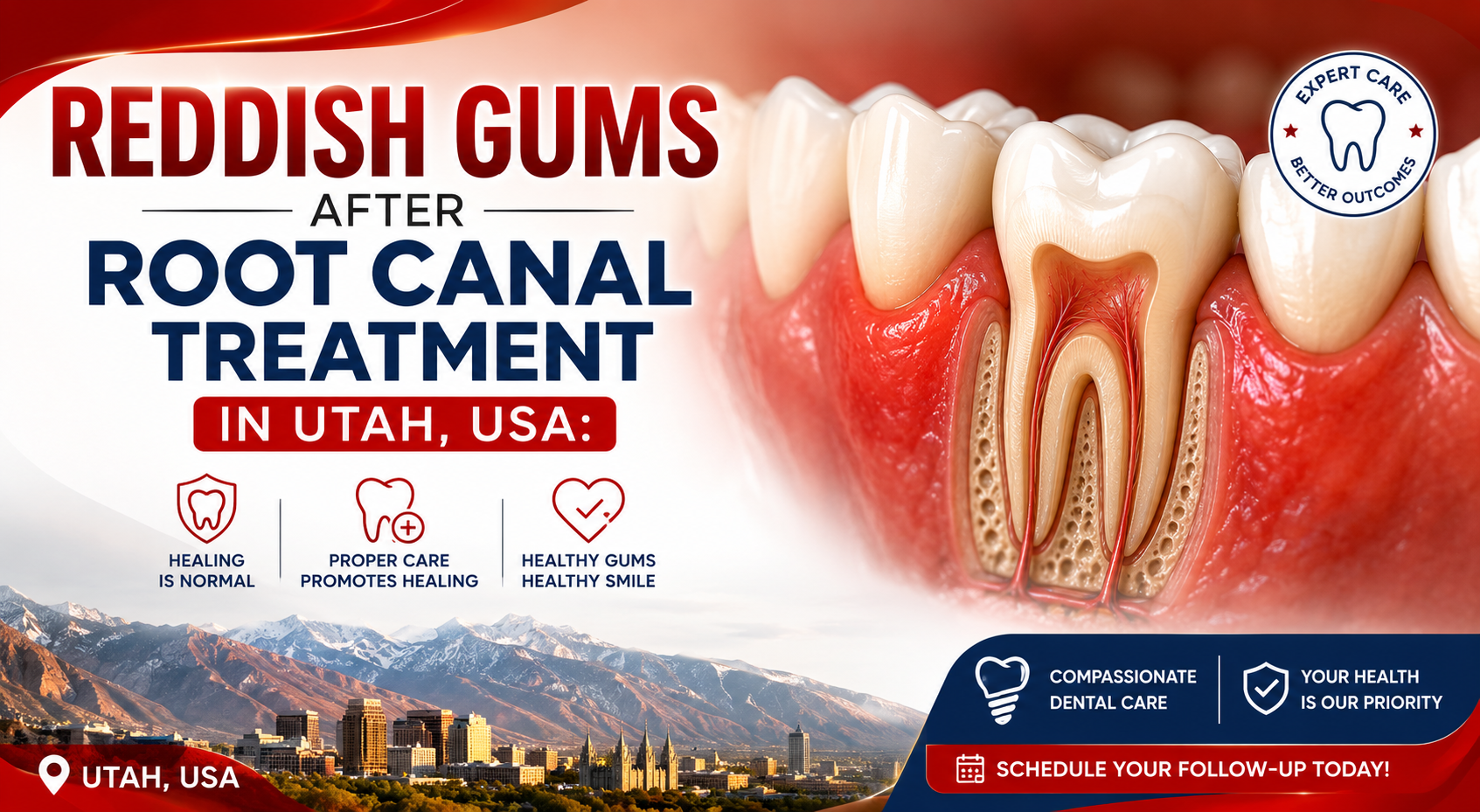
A root canal treatment is supposed to eliminate pain, remove infection, and save a natural tooth. For thousands of patients across Utah every year, the procedure successfully restores oral health and allows them to keep their teeth for many years.
However, not every root canal treatment ends with a happy outcome.
Some patients notice something alarming days or weeks after the procedure. Their gums become red, swollen, tender, and sometimes painful. Instead of feeling relief, they begin wondering whether something went wrong.
Reddish gums after root canal treatment can be a normal part of healing, but in certain situations it may signal a deeper problem. An incomplete treatment, missed infection, poor restoration, or lack of proper diagnosis can allow bacteria to continue damaging the tooth and surrounding tissues.
As American dental experts frequently remind patients, a root canal is only as successful as the skill, precision, and experience of the dentist performing it.
This is the story of one Utah patient whose dental problems became significantly worse after a poorly performed root canal—and how a highly skilled dentist ultimately saved the tooth before it was too late.
A Utah Patient's Story
Michael, a 42-year-old construction supervisor from Utah, initially visited a dental office because of severe tooth pain.
The discomfort started as occasional sensitivity when drinking cold beverages. Over several months, the pain became constant.
A local dentist diagnosed an infected tooth and recommended immediate root canal therapy.
Michael trusted the recommendation and scheduled treatment.
Initially, everything seemed fine.
The procedure was completed in a single appointment, and he was told the tooth had been saved.
But within two weeks, new symptoms began appearing.
His gums around the treated tooth became noticeably red.
Brushing caused bleeding.
Chewing felt uncomfortable.
There was a strange pressure sensation around the tooth.
The dentist reassured him that healing simply takes time.
Unfortunately, the symptoms continued worsening.
The Warning Signs That Something Was Wrong
Three months later, Michael noticed:
- Persistent redness around the treated tooth
- Swollen gum tissue
- Occasional bad taste in his mouth
- Mild throbbing discomfort
- Sensitivity when biting
These symptoms are not typical long-term healing responses.
According to American endodontic experts, a successful root canal should gradually improve symptoms, not create new ones.
When redness and swelling persist, several possibilities must be investigated.
Potential causes include:
- Residual infection
- Missed root canals
- Fractured roots
- Overfilled root canal material
- Underfilled canals
- Poor crown fit
- Gum disease around the tooth
Unfortunately, Michael's original dentist failed to conduct advanced imaging or further investigation.
Instead, he was repeatedly told to "wait and see."
The infection continued spreading beneath the surface.
Why Gums Turn Red After Root Canal Treatment
Many patients become concerned when they notice redness around a treated tooth.
The truth is that some temporary inflammation is completely normal.
The body naturally responds to treatment by sending healing cells to the area.
This process can create:
- Mild redness
- Slight swelling
- Temporary tenderness
These symptoms usually improve within a few days.
Problems arise when redness persists for weeks or months.
Chronic inflammation indicates that something continues irritating the tissues.
The most common culprit is bacteria.
Even tiny amounts of bacteria trapped inside the root canal system can trigger an ongoing immune response.
The body's defense mechanisms continue fighting the infection, resulting in persistent redness and swelling.
The Hidden Complexity of Root Canals
Many people assume root canals are straightforward procedures.
In reality, they are among the most technically demanding treatments in dentistry.
Inside every tooth exists a complex network of microscopic canals.
Some teeth contain:
- Curved canals
- Extra canals
- Hidden branches
- Tiny accessory canals
These spaces can harbor bacteria.
If even one canal is missed during treatment, infection may remain active.
Research has consistently shown that missed canals are among the leading causes of root canal failure.
A dentist without proper magnification or advanced imaging may overlook these structures entirely.
The result is continued infection despite treatment.
When Poor Dental Work Makes Things Worse
Unfortunately, not every dental office maintains the same standards.
Some dentists rush procedures.
Others lack advanced training in endodontics.
Certain warning signs of substandard treatment include:
Inadequate Diagnosis
A thorough diagnosis should include:
- Clinical examination
- X-rays
- Medical history review
- Bite analysis
- Infection assessment
Skipping any of these steps increases risk.
Failure to Locate All Canals
Modern dentistry often uses operating microscopes to locate hidden anatomy.
Without magnification, important canals can easily be missed.
Improper Cleaning
Root canal success depends heavily on cleaning and disinfecting the entire canal system.
Insufficient cleaning leaves bacteria behind.
Poor Restoration
Even a perfect root canal can fail if the crown or filling allows bacteria to re-enter the tooth.
The Second Opinion That Changed Everything
After months of frustration, Michael sought a second opinion from an experienced Utah endodontic specialist.
The difference was immediately apparent.
The specialist spent nearly an hour evaluating the tooth.
Advanced 3D CBCT imaging revealed something shocking.
A hidden canal had never been treated.
The infection remained active deep within the root.
Additionally, inflammation had spread into the surrounding bone.
The redness Michael saw in his gums was simply the visible sign of a much larger problem.
Without proper intervention, tooth loss would likely occur.
How Skilled Dentists Save Teeth Others Cannot
Highly trained endodontists possess specialized expertise focused entirely on root canal treatment.
They utilize advanced technologies including:
Dental Operating Microscopes
These microscopes provide extraordinary magnification.
Tiny canals invisible to the naked eye become visible.
CBCT Imaging
Three-dimensional imaging reveals hidden anatomy.
Dentists can identify:
- Missed canals
- Fractures
- Bone loss
- Persistent infection
Ultrasonic Instruments
These specialized tools allow precise cleaning inside difficult canal systems.
Advanced Irrigation Systems
Modern irrigation removes bacteria more effectively than traditional methods.
These technologies significantly improve treatment outcomes.
Retreatment: A Second Chance for the Tooth
Michael underwent root canal retreatment.
The specialist carefully removed the old filling materials.
Using microscopic magnification, the hidden canal was located and disinfected.
The entire root canal system was thoroughly cleaned.
Advanced antibacterial solutions were used to eliminate remaining microorganisms.
The canals were then sealed again using modern techniques.
The procedure took longer than the original root canal but addressed the true source of infection.
The Healing Process
Healing was not immediate.
The body needed time to recover.
During the first week:
- Mild soreness persisted
- Redness remained visible
- Chewing was limited
By the second week:
- Gum color improved
- Swelling reduced
- Pressure sensations disappeared
Within three months:
- The redness completely resolved
- Bone healing became visible on X-rays
- The tooth functioned normally
Most importantly, Michael kept his natural tooth.
Why Saving Natural Teeth Matters
Some patients wonder whether extraction would simply be easier.
Dentists generally recommend preserving natural teeth whenever possible.
Natural teeth provide:
- Superior chewing efficiency
- Better jawbone preservation
- Natural appearance
- Improved speech
- Long-term oral stability
Replacing a lost tooth often requires:
- Dental implants
- Bridges
- Additional surgeries
- Higher costs
Saving the original tooth is frequently the most conservative and predictable solution.
Common Causes of Persistent Red Gums After Root Canal Therapy
Patients experiencing redness should understand the potential causes.
These may include:
Remaining Infection
The most common reason.
Bacteria continue irritating surrounding tissues.
Gum Disease
Periodontal disease may exist independently of the root canal.
Trauma From Bite Pressure
An improperly adjusted bite can inflame supporting structures.
Crown Problems
Poorly fitting crowns trap bacteria and irritate gums.
Root Fractures
Cracks within the root can allow infection to persist.
Allergic Reactions
Though rare, some materials may trigger tissue irritation.
When to Seek Immediate Dental Care
Patients should contact a dentist if they experience:
- Severe swelling
- Fever
- Facial swelling
- Persistent redness beyond several weeks
- Pus drainage
- Increasing pain
- Difficulty swallowing
These symptoms may indicate serious infection requiring prompt treatment.
Early intervention often prevents tooth loss.
Choosing the Right Dentist in Utah
Selecting the right provider can dramatically influence treatment success.
Patients should consider:
Experience
Ask how many root canal procedures the dentist performs annually.
Technology
Modern equipment improves diagnostic accuracy.
Continuing Education
Dentistry evolves rapidly.
Ongoing training matters.
Reviews and Reputation
Patient experiences often provide valuable insight.
Specialist Referrals
Complex cases may benefit from endodontic specialists.
Never hesitate to seek a second opinion.
Questions Patients Should Ask Before Root Canal Treatment
Before committing to treatment, consider asking:
- Do I need a specialist?
- Will CBCT imaging be used?
- What is the success rate?
- Are there signs of complex anatomy?
- What restoration will protect the tooth afterward?
Informed patients often achieve better outcomes.
The Cost of Delaying Treatment
Many patients postpone evaluation when redness appears.
Unfortunately, infections rarely resolve without professional care.
Delays can result in:
- Bone loss
- Tooth fractures
- Abscess formation
- Systemic infection
- Tooth extraction
Early diagnosis frequently saves both money and teeth.
Lessons From Michael's Experience
Michael's story highlights an important truth.
The cheapest or fastest treatment is not always the best treatment.
A poorly performed procedure can create complications that become more expensive and difficult to fix later.
Fortunately, modern dentistry offers remarkable tools capable of saving teeth once considered hopeless.
The key is finding a skilled professional with the training and technology needed to identify the true problem.
Final Thoughts
Reddish gums after root canal treatment should never be ignored, especially when symptoms persist for weeks or months. While mild redness may occur during healing, ongoing inflammation often signals infection, irritation, or treatment complications.
Patients throughout Utah and across the United States should understand that root canal therapy remains one of dentistry's most effective tooth-saving procedures when performed correctly. However, success depends heavily on accurate diagnosis, meticulous technique, and proper follow-up care.
If your gums remain red after a root canal, seek evaluation from an experienced dentist or endodontic specialist. A second opinion could reveal hidden issues that standard examinations may miss.
As Michael's case demonstrates, a skilled dentist can often rescue a tooth that appears destined for extraction. Early intervention, advanced technology, and expert care can mean the difference between losing a tooth and enjoying a healthy smile for many years to come.
Can tooth extraction cause infection? Mild inflammation is normal, but increasing swelling, fever, or severe pain may indicate infection. Learn more about post-extraction infection warning signs in this detailed guide.
Book a consultation with our Cebu dental specialists for proper evaluation and care.
Ready to get expert guidance?
If you’re experiencing severe pain or delayed healing, book a consultation with our Cebu dental specialists to get proper evaluation and care.
Consultation or contact page .
Book a Consultation
For severe discomfort or delayed healing, book a consultation with our Cebu dental specialists today.
Looking for a dentist? Browse our Cebu dental directory to find trusted clinics near you.
Medical Review and Clinical Basis
This article is based on clinical dental guidelines and real patient recovery patterns observed after tooth extraction procedures. The information reflects common post-extraction healing stages, including normal clot formation, gum tissue repair, and signs of possible complications such as dry socket or infection.
While mild discomfort is expected after a dental extraction, worsening pain after Day 3, bad odor, exposed bone, or spreading pain may require professional evaluation. These symptoms are consistent with known post-extraction complications described in standard dental practice.
About Cebu Dental Implants
Cebu Dental Implants provides comprehensive tooth extraction, surgical procedures, and dental implant services in the Philippines. Our team evaluates post-extraction healing, manages complications such as dry socket, and advises patients on proper aftercare to prevent infection and delayed healing.
If you experience severe pain or unusual symptoms after extraction, early professional assessment is recommended to prevent further complications.
Important Medical Disclaimer
This content is for educational purposes only and does not replace professional dental diagnosis. Every patient heals differently. If symptoms worsen or do not improve within a few days, consult a licensed dentist for proper evaluation and treatment.
Author
This article was prepared by the Cebu Dental Implants content team in consultation with licensed dental professionals experienced in tooth extraction and implant procedures.
Video:
Related Clinical Cases
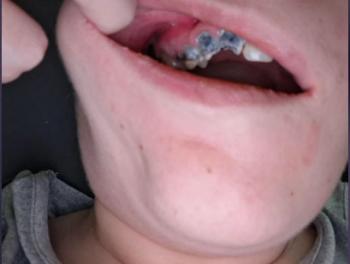
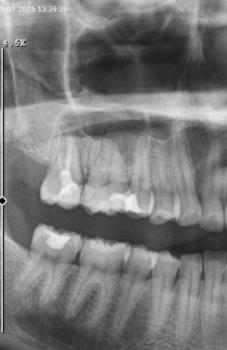
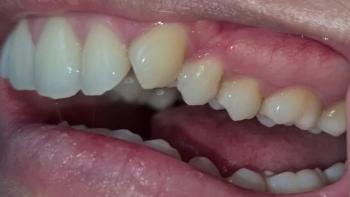
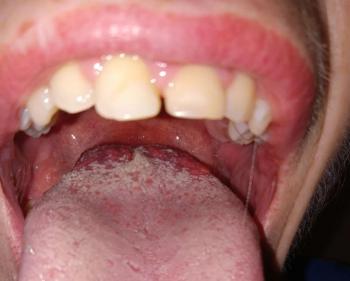
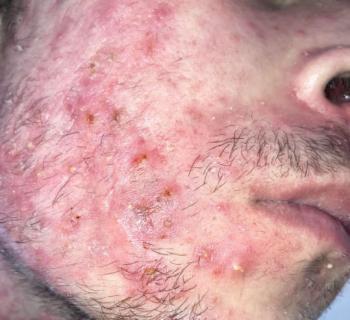
Patients with lower front gum inflammation may also experience tartar buildup, periodontal disease, gum abscesses, or tooth decay. Explore these related clinical case studies.



Other topics:
Other Dental Clinic
 |
 |
 |
 |