Where Bright Smiles Begin.

Why at the age of 40 t0 50 my teeth experiencing Tooth sensitivity
Topics:
Tooth sensitivity can be a common issue experienced by individuals in their 40s and 50s. There are several reasons why teeth may become more sensitive during this age range:
-
Gum recession: Over time, the gum tissue may naturally recede, exposing the sensitive root surfaces of the teeth. This can occur due to factors such as age, brushing too aggressively, or gum disease. When the roots are exposed, they are more susceptible to sensitivity.
-
Enamel erosion: The tooth enamel can gradually wear down as we age. Acidic foods and drinks, tooth grinding (bruxism), or brushing with a hard toothbrush can contribute to enamel erosion. When the protective enamel layer becomes thinner, the underlying dentin is exposed, which contains microscopic tubules that lead to the tooth's nerve. This exposure can result in sensitivity to hot, cold, or sweet stimuli.
-
Cracked or fractured teeth: As we age, teeth may become more susceptible to cracks or fractures due to various factors like previous dental work, biting on hard objects, or teeth grinding. Cracks in the tooth enamel can expose the sensitive inner layers of the tooth, leading to sensitivity.
-
Dental procedures: Dental treatments like fillings, crowns, or teeth whitening can cause temporary sensitivity. In some cases, if the dental work has not been properly performed, it may lead to ongoing sensitivity.
-
Grinding or clenching: Many individuals experience teeth grinding or clenching habits (bruxism), especially during periods of stress. This habit can wear down the enamel, expose the dentin, and result in tooth sensitivity.
-
Accumulation of plaque or tartar: Inadequate oral hygiene practices can lead to the buildup of plaque and tartar on the teeth, particularly along the gumline. This can contribute to gum recession, tooth decay, and sensitivity.
-
Dental conditions or diseases: Certain dental conditions, such as tooth decay, gum disease, or infections, can cause tooth sensitivity. Additionally, systemic conditions like acid reflux or gastric issues that result in stomach acid coming into contact with the teeth can also lead to sensitivity.
It's important to consult with a dentist if you're experiencing tooth sensitivity to determine the underlying cause and receive appropriate treatment. Your dentist can assess your specific situation, provide guidance on oral care practices, recommend desensitizing treatments, and address any underlying dental issues contributing to the sensitivity.
Related Clinical Cases
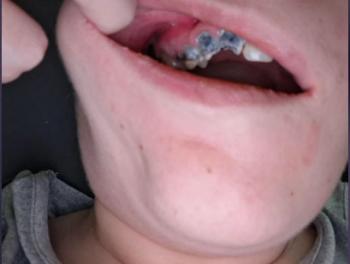
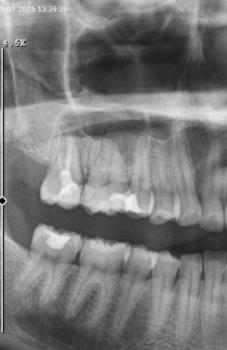
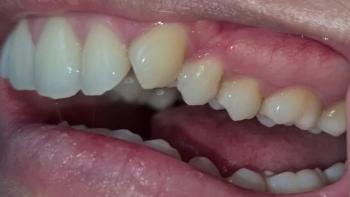
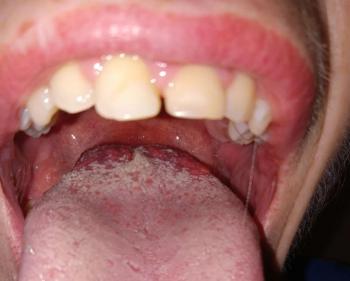
Patients with lower front gum inflammation may also experience tartar buildup, periodontal disease, gum abscesses, or tooth decay. Explore these related clinical case studies.




Other topics:
Other Dental Clinic