Modern Dentistry, Timeless Smiles.

Gum Recession and Infection Above Upper Front Teeth
Image:
Severity:
Gum Recession and Infection Around the Upper Front Teeth: Causes, Treatment, and Expert Dental Advice
Understanding Gum Recession and Infection Around the Upper Front Teeth
Gum recession around the upper front teeth can affect both oral health and the appearance of a person's smile. When the gum tissue gradually moves away from the tooth, more of the tooth root becomes exposed. This may cause sensitivity, increase the risk of root decay, and make the teeth appear longer.
However, gum recession does not automatically mean that an infection is present. Redness, swelling, bleeding, persistent bad breath, or pus may indicate inflammation or a more serious dental problem that requires professional evaluation.
According to established periodontal guidance, plaque and hardened tartar can trigger gum inflammation and, in some cases, lead to damage to the supporting tissues and bone around the teeth. Early assessment is important to help prevent further damage.
A Short Dental Case Story from Davao City, Philippines
This is a fictional educational case created to illustrate a common dental concern. It does not describe an actual patient or verified clinical outcome.
A Changing Smile Raises Concern
In Davao City, a 38-year-old office worker named Maria noticed that her upper front teeth appeared longer than before. At first, she thought the change was simply part of getting older. A few weeks later, she began experiencing sensitivity when drinking cold water. She also noticed occasional bleeding while brushing her teeth.
Because she was concerned about the appearance of her smile, Maria initially considered purchasing a whitening product. However, she decided to seek a dental examination when the bleeding continued.
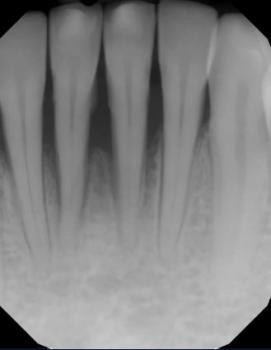
During the hypothetical consultation, the dentist would examine the gum margins, check for plaque and tartar, measure the periodontal pockets, assess tooth mobility, and look for signs of decay or infection. Dental X-rays might be recommended if there were concerns about supporting bone loss or disease around the roots.
The findings would determine the appropriate treatment. If plaque-induced gingivitis were present without attachment or bone loss, professional cleaning and improved daily oral hygiene could help control the inflammation. If periodontitis were diagnosed, more extensive periodontal treatment might be necessary.
The dentist would also explain that existing gum recession generally does not grow back on its own. Once the underlying disease is controlled, options such as gum grafting may be considered when clinically appropriate.
Maria's most important lesson would be that a changing smile is not merely a cosmetic concern. Early evaluation can help identify the cause, protect the supporting tissues, and guide treatment before the condition becomes more difficult to manage.
What Causes Gum Recession Around the Upper Front Teeth?
Several factors may contribute to recession around the upper front teeth:
1. Periodontal disease
Bacterial plaque can cause inflammation and, in susceptible individuals, damage to the tissues and bone supporting the teeth. Periodontitis may produce bleeding gums, deeper periodontal pockets, recession, and loose teeth.
2. Aggressive toothbrushing
Brushing with excessive pressure or using an unsuitable brushing technique can contribute to gum trauma and recession. A soft-bristled toothbrush and gentle technique are preferable.
3. Plaque and tartar accumulation
Plaque that remains on the teeth can harden into tartar. Tartar cannot be adequately removed through ordinary brushing alone and requires professional cleaning.
4. Tooth position and thin gum tissue
Some people have naturally thin gum tissue or teeth positioned in a way that makes the gum margin more vulnerable to recession.
5. Other contributing factors
Smoking or tobacco use, diabetes that is not well controlled, and a history of periodontal disease can increase the risk of gum problems or make treatment more challenging.
Warning Signs That Require Dental Evaluation
Watch for the following symptoms around the upper front teeth:
-
Gums that bleed repeatedly during brushing or flossing.
-
Red, swollen, tender, or receding gum tissue.
-
Increased sensitivity to cold drinks, hot foods, or brushing.
-
Persistent bad breath or an unpleasant taste.
-
A tooth that appears longer or has an exposed root surface.
-
Pus near the gumline, increasing pain, or tooth mobility.
These symptoms do not establish a diagnosis on their own. A dentist must determine whether the cause is gingivitis, periodontitis, root decay, a localized dental abscess, or another condition.
Seek urgent dental care if there is pus, significant swelling, or worsening pain. Facial or spreading swelling accompanied by fever needs urgent assessment. Difficulty breathing or swallowing, or rapidly spreading swelling of the face or neck, requires emergency medical care.
How Dentists Diagnose Gum Recession and Infection
An appropriate evaluation may include:
-
Visual examination: Checking the gum margins for recession, redness, swelling, bleeding, and visible plaque or tartar.
-
Periodontal probing: Measuring the spaces between the teeth and gums to assess pocket depth and possible attachment loss.
-
Tooth assessment: Checking for sensitivity, root-surface decay, mobility, and other dental problems.
-
Dental X-rays when indicated: Evaluating the supporting bone and investigating suspected disease around the roots.
-
Medical and dental history: Reviewing previous gum disease, tobacco use, diabetes, medications, brushing habits, and previous dental treatment.
Not every patient requires every test. The examination should be tailored to the symptoms and clinical findings.
Treatment Options for Gum Recession and Infection
Treatment depends on the diagnosis and the amount of tissue damage.
Professional dental cleaning
For plaque-induced gingivitis, professional cleaning and effective daily plaque removal are often central to treatment. Inflamed gums can improve when the cause is addressed.
Scaling and root planing
When periodontitis is present, a dentist may recommend scaling and root planing to remove plaque and tartar from below the gumline and clean affected root surfaces.
Fluoride and sensitivity management
Exposed roots may become sensitive and are more vulnerable to root decay. A dentist may recommend fluoride treatment, desensitizing products, or restorative treatment when root-surface damage is present.
Periodontal surgery or gum grafting
Selected patients may benefit from periodontal surgery or a gum graft. The suitability and expected coverage depend on the type and severity of recession, the condition of the supporting tissues, and the patient's overall oral health.
A gum graft may cover some exposed root surfaces, but complete coverage cannot be guaranteed. The underlying periodontal condition should be assessed and controlled before elective treatment is considered.
Antibiotics when specifically indicated
Antibiotics are not routinely necessary for ordinary gingivitis or uncomplicated periodontal disease. A dentist may prescribe them in selected situations, depending on the diagnosis and severity. Do not use leftover antibiotics or self-prescribe medication to treat bleeding or receding gums.
What You Can Do at Home to Protect Your Gums
-
Brush twice daily with fluoride toothpaste and a soft-bristled toothbrush.
-
Use gentle movements rather than scrubbing forcefully along the gumline.
-
Clean between the teeth daily with dental floss or an appropriate interdental cleaner.
-
Avoid smoking and other tobacco products.
-
Limit frequent sugary snacks and drinks to reduce the risk of tooth decay.
-
Follow your dentist's recommended maintenance and professional cleaning schedule.
-
If you have diabetes, work with your healthcare professional to maintain appropriate blood glucose control.
Home care is essential, but it cannot remove established tartar or replace professional treatment when periodontitis or an abscess is present.
Frequently Asked Questions
1. Can gum recession around the upper front teeth be reversed?
Gum tissue that has already receded generally does not grow back naturally. Treatment can help control inflammation, reduce further damage, and protect exposed roots. In suitable cases, a periodontal specialist may recommend gum grafting to improve root coverage.
2. Does gum recession always mean that I have an infection?
No. Recession describes the position of the gum margin, not a diagnosis of infection. It can result from several factors, including brushing trauma, tooth position, thin gum tissue, or periodontal disease. Bleeding, swelling, pus, and other findings help determine whether an inflammatory or infectious condition is present.
3. Why do my upper front gums bleed when I brush?
Bleeding commonly occurs when the gums are inflamed by plaque, but it can have other causes. Repeated bleeding should not be dismissed as normal. Arrange a dental examination to identify the cause and determine whether professional cleaning or periodontal treatment is needed.
4. Can an infection cause my upper front teeth to become loose?
Advanced periodontitis can damage the supporting tissues and bone, potentially causing teeth to loosen. A dental abscess or another dental condition can also threaten oral health. Tooth mobility needs prompt assessment rather than treatment with home remedies alone.
5. Can I treat gum infection using salt water?
A gentle warm saltwater rinse may temporarily soothe irritated tissues, but it does not remove tartar or reliably treat an infection beneath the gums. Do not use it as a substitute for dental assessment, particularly if there is pus, significant pain, or swelling.
6. Do I need antibiotics for bleeding and receding gums?
Not necessarily. Many gum conditions are treated primarily with professional plaque and tartar removal, appropriate periodontal care, and daily oral hygiene. Antibiotics are reserved for specific clinical indications and should be prescribed by a qualified clinician.
7. Can exposed roots develop cavities?
Yes. Exposed root surfaces lack the protective enamel that covers the visible crown of the tooth. Root decay can develop, especially when plaque accumulates. Fluoride toothpaste, professional assessment, and appropriate preventive care help reduce this risk.
8. Is gum grafting necessary for every patient with recession?
No. Some patients can be monitored and managed with improved oral hygiene, sensitivity control, and treatment of contributing factors. Gum grafting may be considered when recession causes persistent problems, creates a significant aesthetic concern, or presents other clinical indications. A periodontal evaluation helps determine whether surgery is appropriate.
9. How quickly should I see a dentist if I suspect a gum infection?
Book a dental appointment promptly for persistent bleeding, swelling, worsening sensitivity, or suspected infection. Seek urgent care for pus, significant pain, or facial swelling. Fever with facial swelling needs urgent assessment, while difficulty breathing or swallowing requires emergency care.
10. Where can patients in Davao City seek help for gum recession?
Patients in Davao City can arrange an examination with a licensed dentist. If periodontal disease or complex gum recession is suspected, ask whether referral to a periodontist—a dentist specializing in gum and supporting-tissue conditions—is appropriate. The correct treatment depends on the clinical examination, not the appearance of the gums alone.
Expert Dental Perspective: Protecting the Gumline Before Damage Progresses
The goal of treatment is not simply to make the upper front teeth look better. It is to identify the cause of recession, control any active periodontal disease, protect exposed root surfaces, and preserve the tissues supporting the teeth.
Patients should understand that bleeding gums, gum recession, and dental infection are not interchangeable diagnoses. A careful examination helps distinguish mild gingivitis from periodontitis, root decay, and other conditions that may require different treatments.
For patients in Davao City and throughout the Philippines, the safest approach is early dental assessment, consistent home care, and an individualized treatment plan. Prompt attention can help preserve oral health and prevent avoidable complications.
Medical disclaimer: This article provides general educational information and does not replace an in-person examination, diagnosis, or treatment plan from a licensed dental professional.
Gum Recession and Infection Above Upper Front Teeth Case Analysis
What Is Seen in This Case
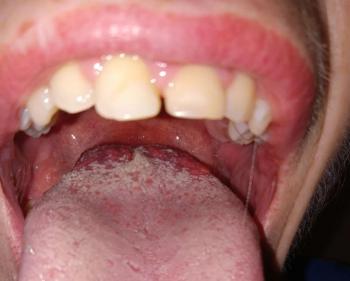
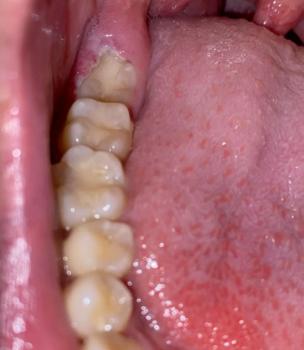
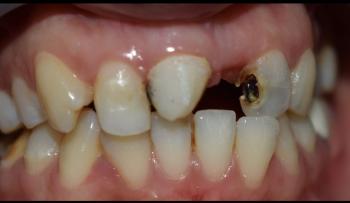
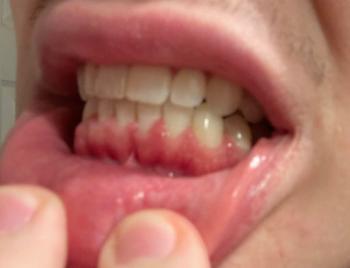
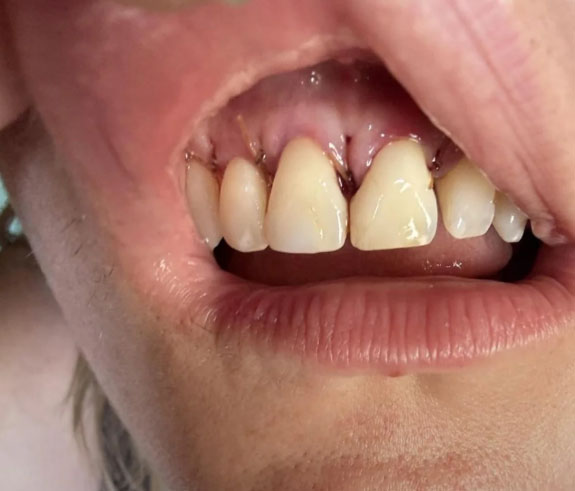
The image shows receded and inflamed gum tissue above the upper front teeth. The gums appear pulled upward, exposing more of the tooth surface near the gumline. There are also signs of redness and irritation, indicating inflammation and possible early infection.
This condition affects the esthetic (smile) zone, making it noticeable and concerning for patients.
Most Likely Diagnosis
Based on visual examination, the most likely conditions include:
-
Gum recession with localized inflammation
-
Early periodontal (gum) infection
-
Gum irritation caused by plaque buildup
-
Possible trauma from brushing or biting
-
Early gum abscess formation in the upper front area
A dental exam and X-ray can confirm whether bone loss or deeper infection is present.
What Causes Gum Recession and Infection in Front Teeth
Common causes include:
-
Aggressive tooth brushing
-
Plaque and tartar buildup along the gumline
-
Untreated gum disease
-
Teeth grinding or clenching
-
Thin or sensitive gum tissue
Front teeth are especially vulnerable because the gum tissue is naturally thinner.
Is This a Serious Problem
This condition may start as mild to moderate, but if untreated it can scale up into:
-
Worsening gum recession
-
Tooth sensitivity
-
Gum abscess development
-
Bone loss around the teeth
-
Tooth loosening
-
Cosmetic changes to the smile
Early care is important to stop progression.
Recommended Treatment Process
Initial Assessment (Days 1–3)
-
Dental examination
-
Gum depth and recession assessment
-
Dental X-ray if bone involvement is suspected
Active Treatment Phase (Days 4–7)
Treatment may include:
-
Professional dental cleaning
-
Removal of plaque and tartar
-
Treatment of gum infection
-
Desensitizing or protective therapy if needed
Healing and Follow-Up Phase (Days 8–14)
-
Gum inflammation should reduce
-
Tissue irritation improves
-
Gum condition stabilizes
Advanced cases may need periodontal treatment.
Expected Healing Time
-
Mild inflammation: 3–5 days
-
Moderate gum infection: 7–14 days
-
Receded gums do not regrow but can be stabilized
What Happens If Treatment Is Delayed
Delaying care may result in:
-
Continued gum recession
-
Increased tooth sensitivity
-
Bone loss around front teeth
-
Higher risk of tooth loss
-
More complex and costly treatment
Home Care While Waiting for Treatment
These steps may help reduce irritation:
-
Use a soft-bristled toothbrush
-
Brush gently along the gumline
-
Floss carefully once daily
-
Rinse with warm salt water
-
Avoid smoking and acidic foods
Seek dental care if pain or swelling increases.
Professional Comment
This case shows gum recession with signs of inflammation above the upper front teeth. Early dental intervention can stabilize the gums, reduce infection risk, and protect the appearance of the smile.
Visit a Dental Clinic Near You
For gum evaluation and periodontal care, visit:
https://cebudentalimplants.com/map-dental-clinic
Related Clinical Cases
Patients with lower front gum inflammation may also experience tartar buildup, periodontal disease, gum abscesses, or tooth decay. Explore these related clinical case studies.