Your Smile, Our Passion.

2026 Health Alert: What If a Deadly Virus Reaches the Philippines?
Language :

Topics:
2026 Is Off to an Alarming Start: What If a Deadly Virus Reaches the Philippines?
Why 2026 Feels Different
Early 2026 has already raised global concern as several countries tighten airport security and public health controls due to renewed fears of Nipah virus. This virus is known for high fatality rates and the ability to overwhelm health systems quickly.
The question many Filipinos are asking is simple and serious: What happens if this reaches the Philippines?
What We Should Expect If the Virus Arrives
Rapid Public Alarm
-
News spreads quickly through social media
-
Fear-driven hospital visits increase
-
Mild symptoms may flood emergency rooms
Public anxiety alone can strain the system even before confirmed cases rise.
Hospital Capacity Under Pressure
If cases scale up:
-
Hospital beds may run out, especially in public hospitals
-
Isolation wards may fill quickly
-
ICU demand increases due to lung and brain complications
The Department of Health would likely activate emergency protocols, but surge capacity has limits.
Doctors and Health Workers at Risk
-
Doctors and nurses face exhaustion
-
Increased infection risk among healthcare workers
-
Fewer staff available as exposure increases
Even the best systems struggle when patient volume rises faster than staffing.
Will Hospitals Be Fully Alarmed?
Yes. If confirmed transmission occurs:
-
Emergency response levels are activated
-
Elective procedures may be postponed
-
Hospitals prioritize critical cases only
-
Strict isolation and PPE use enforced
This is not panic—this is standard outbreak protocol.
Could We Run Out of Beds?
If spread is uncontrolled:
-
Urban hospitals feel pressure first
-
Provincial hospitals follow quickly
-
Temporary facilities may be needed
-
Home isolation may be advised for mild cases
This happened globally during past outbreaks and remains a real risk.
What Happens If the Situation Scales Further
Health System Impact
-
Slower response times
-
Triage decisions become stricter
-
Non-urgent care delayed
Economic and Social Effects
-
Travel restrictions
-
School or workplace disruptions
-
Reduced mobility and local lockdowns
Migration and Travel Considerations
If the situation escalates:
-
Other countries may restrict entry
-
Filipinos abroad may face tighter screening
-
Migration plans may slow or pause
Large-scale migration during outbreaks is rarely easy or safe.
What the Philippines Needs to Prepare Now
Government and Health Sector
-
Early surveillance and testing
-
Clear public communication
-
Stockpiling PPE and essential supplies
-
Protecting healthcare workers
Hospitals and Clinics
-
Infection control training
-
Clear triage protocols
-
Coordination between public and private sectors
Communities and Families
-
Avoid misinformation
-
Practice food safety and hygiene
-
Seek medical advice early, not late
-
Maintain general and oral health to reduce complications
Why Oral and General Health Still Matter
During outbreaks:
-
Weakened immunity worsens infections
-
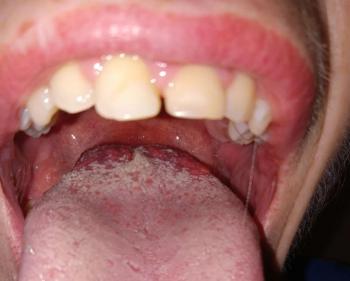
Mouth and tongue lesions may appear early
-
Secondary infections increase when hygiene drops
Dentists and clinics help detect early warning signs and reduce unnecessary hospital visits.
Professional Perspective
Preparedness is not fear—it is responsibility. The Philippines has experience handling outbreaks, but early action and public cooperation are what prevent system collapse. Calm awareness, not panic, saves lives.
Practical Advice for Filipinos
-
Stay informed through official sources
-
Avoid risky food consumption
-
Do not overcrowd hospitals unless necessary
-
Support healthcare workers
-
Prepare, but do not panic
Find Healthcare Support Near You
For medical or oral health evaluation, use our directory:
https://cebudentalimplants.com/map-dental-clinic
Looking for dentist : Visit directory list
Related Clinical Cases
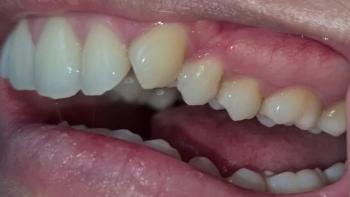
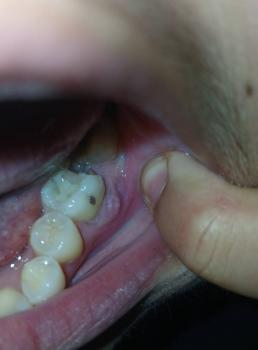
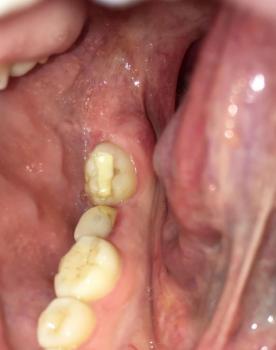
Patients with lower front gum inflammation may also experience tartar buildup, periodontal disease, gum abscesses, or tooth decay. Explore these related clinical case studies.