From Pain to Perfect — We Care for Your Smile.

Poor Oral Health May Harm the Brain’s White Matter and Trigger Early Brain Damage, Study Shows
Language :

Topics:
Increasing scientific evidence suggests that the health of your mouth is intimately connected to the health of your brain. A groundbreaking study published in Neurology Open Access found significant associations between gum disease and structural changes in the brain’s white matter among older adults. White matter is a critical part of the brain’s communication network, connecting different brain regions and enabling efficient transmission of signals that support movement, cognition, coordination, and memory.
What the Study Found
In this study, researchers evaluated 1,143 adults with an average age of 77. Participants received both dental examinations and brain magnetic resonance imaging (MRI). Those with gum disease (800 individuals) were compared to those without gum disease (343 individuals).
“White matter hyperintensities” (WMHs) are small bright spots seen on MRI scans that represent areas of structural damage within the brain’s white matter. These lesions are commonly associated with cognitive decline, slower thinking, memory problems, and increased risk of stroke.
The study observed that:
-
Individuals with gum disease had a higher volume of white matter hyperintensities compared to those without gum disease (2.83 percent versus 2.52 percent of total brain volume).
-
After adjusting for age, blood pressure, diabetes, smoking, and other risk factors, people with gum disease had 56 percent higher odds of severe white matter changes.
-
These findings remained significant even after statistical correction, suggesting that oral inflammation may contribute to changes in brain structure.
Although this research does not prove causation, it identifies a strong correlation between periodontal disease and markers of brain injury tied to cerebral small vessel disease.
Understanding White Matter and Why It Matters
White matter consists of nerve fibers that serve as the brain’s internal communication highways. These fibers connect different regions of the brain responsible for thinking, reasoning, memory, and movement. When white matter integrity is compromised, the brain’s ability to transmit signals efficiently is reduced — which may lead to declines in cognitive function and mobility.
White matter hyperintensities are often considered early imaging markers of brain aging, and they are more common with advancing age. Studies have associated higher WMH volumes with:
-
Increased risk of stroke
-
Memory decline
-
Slower processing speed
-
Balance and coordination problems
Though white matter changes are typically linked with age, lifestyle and health factors — including vascular health and inflammation — play important roles in brain aging.
How Gum Disease Could Influence the Brain
One leading theory is that chronic inflammation from periodontal disease spreads beyond the mouth and affects the body’s blood vessels, including those supplying the brain. Persistent inflammation may weaken microvascular structures and restrict oxygen and nutrient flow to brain tissue, potentially contributing to WMH formation.
Periodontal disease is characterized by prolonged inflammation in the gums and supporting tissues of the teeth. Over time, this inflammation can release pro-inflammatory molecules — such as cytokines and immune mediators — into the bloodstream. These molecules may reach the brain and contribute to vascular stress and microvascular damage.
Although more research is needed to fully understand these mechanisms, the idea that oral health may influence brain health via systemic inflammation is gaining scientific support.
How Oral Health May Relate to Cognitive Decline
Other research has also identified associations between poor oral health and markers of cognitive decline. Observational and genetic studies indicate that indicators of poor oral health — including tooth loss and periodontitis — are linked with increased volumes of white matter hyperintensities and altered white matter integrity, key predictors of stroke and dementia risk.
One large population study reported that participants with poor oral health had increased white matter injury metrics, such as:
-
Approximately 9 percent increase in WMH volume
-
10 percent alterations in white matter structural integrity
These associations persisted even after factors such as age, cardiovascular risk, and lifestyle were accounted for.
Although direct proof that gum disease causes these brain changes is still lacking, such results suggest that oral health could influence long-term brain outcomes.
Why This Matters for Everyday Dental Care
The findings from these studies highlight an important message: oral health may play a larger role in systemic health than previously recognized. Poor gum health is a modifiable condition — meaning it can be prevented or treated with proper care.
Effective strategies to protect oral and brain health include:
-
Brushing teeth twice daily with fluoride toothpaste
-
Flossing daily to remove plaque between teeth
-
Regular dental checkups and professional cleanings
-
Early treatment of gum inflammation and periodontitis
-
Managing other risk factors such as smoking, diabetes, and blood pressure
While gum disease alone does not guarantee brain damage, addressing oral inflammation may be one pathway to support long-term brain health and reduce risk factors associated with aging and vascular disease.
This emerging research underlines the importance of treating the mouth not as an isolated part of the body, but as an integral component of overall health. Maintaining good oral hygiene practices is beneficial not only for protecting teeth and gums but also for supporting broader systemic health, including brain function.
As science continues to explore this link, routine dental care and inflammation control remain central pillars of preventive health. Keeping your mouth healthy might help preserve your brain’s resilience and cognitive functioning as you age.
Looking for dentist : Visit directory list
Related Clinical Cases
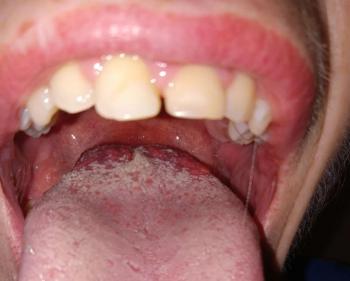
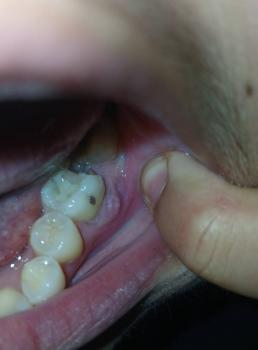
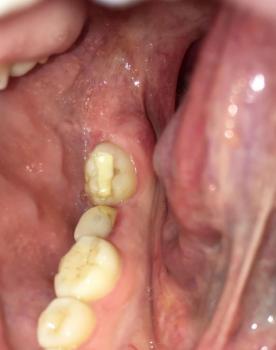
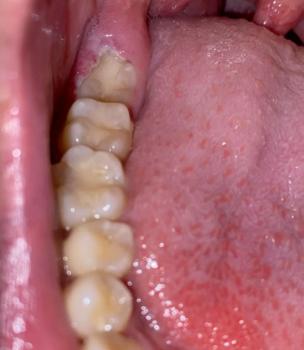
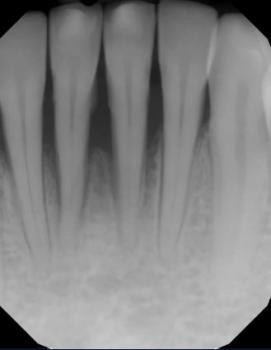
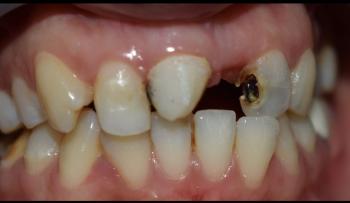
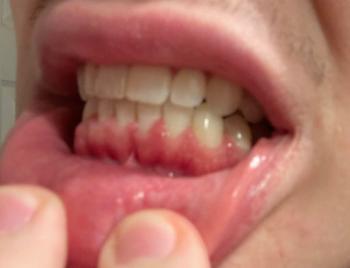
Patients with lower front gum inflammation may also experience tartar buildup, periodontal disease, gum abscesses, or tooth decay. Explore these related clinical case studies.

Other topics:
Other Dental Clinic