Smile Again with Comfort and Confidence.

Survival Mode Smiles: When Flood Waters Hide Dental Pain in Cebu
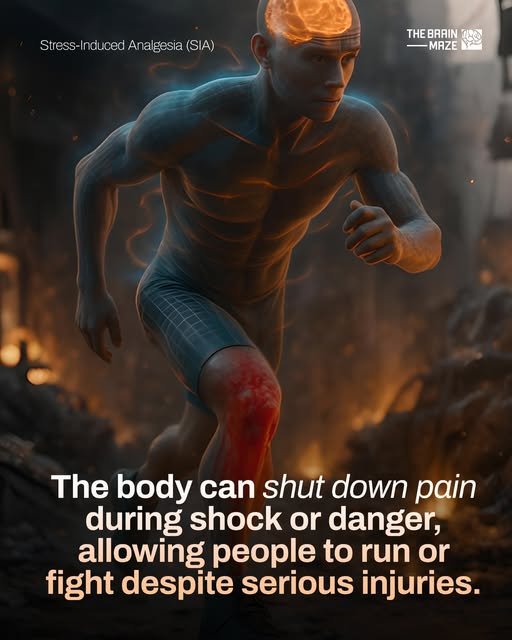
The Strange Phenomenon: Pain Immunity During Disaster
When the floodwaters rose in Cebu last week, something remarkable happened that many survivors reported but few understood. People wading through chest-deep water, climbing debris, and fighting strong currents found themselves injured—yet felt no immediate pain. A man with a deep gash on his leg kept pulling neighbors to safety. A woman with what would later be diagnosed as a fractured wrist continued lifting children to higher ground. And countless people with dental injuries—cracked teeth from falling debris, dislodged fillings from clenching jaws in fear, infections flaring from contaminated water—kept going without registering the discomfort that would normally stop them in their tracks.
This isn't superhuman strength or miraculous intervention. It's "pain immunity"—a well-documented survival mechanism where the body temporarily shuts down pain perception during extreme crisis.
The Science of Survival Mode
During moments of extreme stress, like the Cebu floods, your body releases a powerful cocktail of chemicals:
-
Adrenaline floods your system, increasing heart rate and blood flow to muscles
-
Endorphins—natural painkillers stronger than morphine—block pain signals
-
Cortisol suppresses non-essential functions, including inflammation responses
This "fight-or-flight" system prioritizes survival above all else. Your brain essentially says: "No time for pain now—we need to escape this flood!" The result? People can perform incredible feats of endurance despite injuries that would normally be debilitating.
The Dental Danger: Silent Damage During Disaster
What most survivors don't realize is that this pain immunity extends to dental injuries too. During the floods, you might have:
-
Clenched your jaw with such force that you cracked a tooth or filling without noticing
-
Taken a blow to the face from floating debris that chipped or loosened teeth
-
Swallowed contaminated floodwater that introduced bacteria, starting infections that haven't yet shown pain
-
Used your teeth as tools to open packages or bottles during the emergency
The danger isn't during the crisis itself—it's in the days and weeks that follow. Once adrenaline levels drop and your body returns to normal functioning, the pain hits with surprising intensity. And dental pain, unlike many other injuries, tends to intensify rather than fade with time.
Post-Flood Dental Checklist: What to Watch For
Now that the immediate danger has passed and you're rebuilding, here are the dental warning signs you must not ignore:
✅ Sudden sensitivity to hot, cold, or sweet foods (even if it wasn't there before the flood)
✅ Visible cracks, chips, or darkened areas on any tooth
✅ Bleeding gums that don't resolve within a few days of normal brushing
✅ Persistent bad taste or odor in your mouth
✅ Swelling in your cheeks, gums, or jaw area
✅ Difficulty chewing or a feeling that your teeth don't fit together properly anymore
✅ Loose teeth (this is a dental emergency requiring immediate attention)
Why You Can't "Wait It Out"
Dental injuries follow different rules than cuts or bruises:
-
They don't heal on their own—Unlike skin, tooth enamel doesn't regenerate
-
Infections spread silently—A dental abscess can form without significant pain until it's dangerously advanced
-
Small problems become expensive ones—A $50 filling today might become a $500 root canal next month
-
Pain eventually returns—Usually at the most inconvenient time, like 2 AM when no dentist is available
Your Action Plan: From Survival Mode to Healing Mode
Immediate Steps (First 72 Hours):
-
Rinse with clean water—If you suspect contamination, mix 1 teaspoon salt in a glass of warm water and rinse gently
-
Avoid extreme temperatures—No ice-cold drinks or steaming hot soups if you notice any sensitivity
-
Stick to soft foods—Avoid nuts, hard candies, or anything requiring heavy chewing
-
Don't ignore "minor" discomfort—What feels like a small annoyance now could indicate serious damage
Within the First Week:
-
Schedule a dental check-up even if you feel fine—X-rays can reveal hidden cracks or beginning infections
-
Document any dental damage for insurance claims—Take clear photos and notes
-
Replace lost or damaged toothbrushes immediately—Don't risk recontamination
Long-Term Considerations:
-
Stress-related grinding often continues weeks after a traumatic event—ask your dentist about a night guard
-
Dehydration during the crisis may have affected your saliva production—stay well-hydrated now to protect against cavities
-
Nutritional deficiencies from days of limited food can weaken teeth—focus on calcium-rich foods and vitamin C
A Message to Cebuano Resilience
Your ability to endure the floods without feeling every injury speaks to the incredible resilience of the Filipino spirit. That same strength that helped you survive the waters can now help you address the hidden damage. Pain immunity served its purpose—it got you through the crisis. But now that you're safe, your body needs you to listen to what it was trying to ignore.
The dental clinics of Cebu are reopening. The dentists who evacuated their own families are returning to serve. Your pain-free survival during the flood was a biological miracle. Your wise attention to dental health in the aftermath is an act of self-care that honors that survival.
Don't let the silent damage of the floods become the loud pain of tomorrow. Schedule that dental check-up today.
healthy food:
Related Clinical Cases
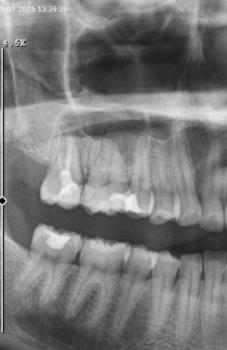
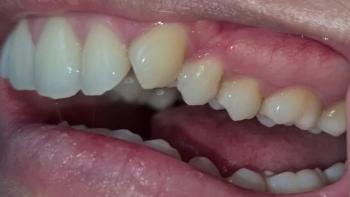
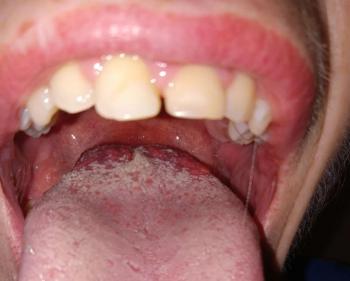
Patients with lower front gum inflammation may also experience tartar buildup, periodontal disease, gum abscesses, or tooth decay. Explore these related clinical case studies.



Other topics:
Other Dental Clinic