Other topics:

More Than Just Savings: The 3 Reasons OFWs Trust Philippine Dentistry for Major Procedures

Peter's Smile, Fixed Between Frankfurt and Manila

Peter stared at the estimate from the Frankfurt dental clinic, the number at the bottom seeming to blur on the page. As a skilled engineer working in Germany for five years, he was no stranger to high costs, but €4,500 for a single dental implant and crown was a profound shock. His insurance would cover only a basic filling, leaving him with an impossible choice: drain his hard-earned savings meant for his family's future in Pampanga or live with the growing ache and self-conscious gap in his smile.

Dental Vacation for OFWs: Save 80% on US Gum Treatment in the Philippines + Vacation Hack!

Smart Planning for Dental Care: How OFWs in the US Save Money on Gum Treatment While Enjoying Vacation


Why OFWs Should Always Plan Ahead for Dental Visits

For many Overseas Filipino Workers (OFWs) in the United States, dental care can be shockingly expensive. A simple gum treatment can cost hundreds—or even thousands—of dollars, depending on the clinic. But what if you could get high-quality dental care while enjoying a vacation back home in the Philippines?

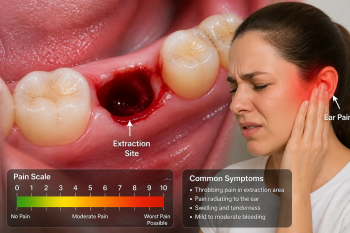
How Long After Tooth Extraction Can You Get a Dental Implant in Arkansas?

Tooth extraction can feel overwhelming, especially when you are already thinking about replacing the missing tooth. One of the most common questions patients ask in Arkansas is:

“How long should I wait after a tooth extraction before getting a dental implant?”

The answer depends on several important factors, including:

Does Medicare Cover Dental Care in Australia? The Truth Many Families Discover Too Late

Why So Many Australians Delay Dental Treatment—and What You Can Do Instead

"I'll wait until next year."

"It doesn't hurt yet."

"I can't afford it right now."

"I'll just be careful with that tooth."

These are phrases dentists hear every day across Australia.

Cheapest Way to Fix Missing Teeth in Ireland (2026 Complete Guide)

Missing teeth affect far more than appearance.

In Ireland, thousands of adults struggle daily with chewing problems, embarrassment while speaking, shifting teeth, jaw discomfort, and declining confidence because of untreated tooth loss. Whether the tooth was lost from decay, gum disease, trauma, or failed dental work, one concern almost always comes first:

“How can I replace missing teeth affordably?”

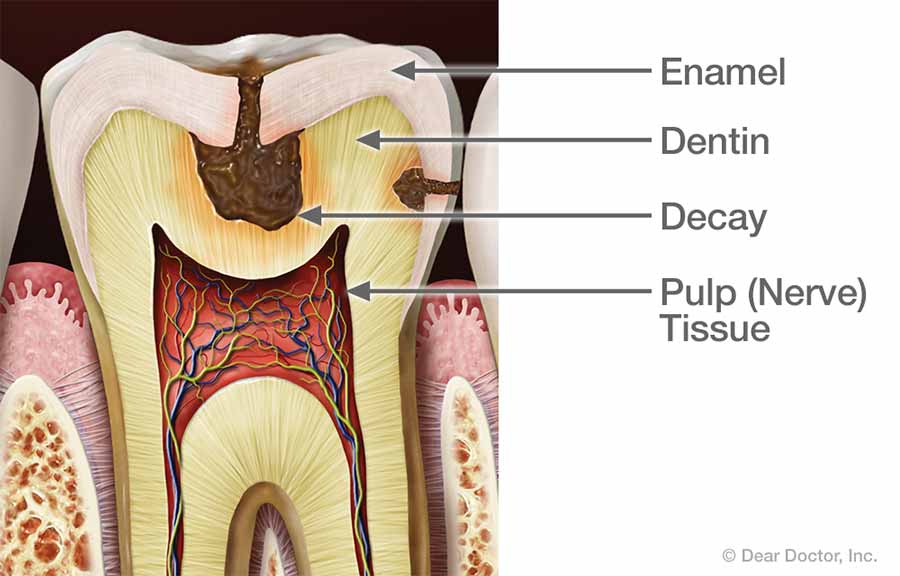
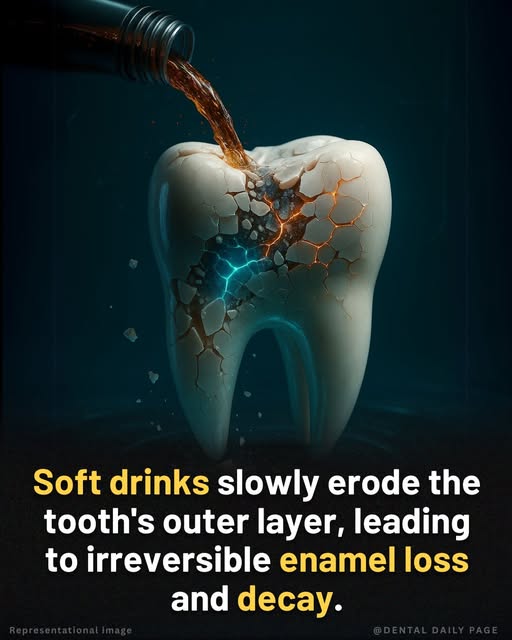
The Unseen Poison: How a Simple Cavity Could Be Slowly Killing Your Family

Topics: 

A Celebration in Barangay Masikap

The Mangubat family compound was full of life for Lola Perlita’s 70th birthday. The air was thick with the smell of lechon and the laughter of relatives. On every table, amidst the pancit and lumpia, stood 1.5-liter bottles of Coke and Royal—the unofficial drinks of every Filipino gathering.

Scientists Discover Anti-Aging Drug That Could Reverse Cellular Aging

Turning Back Time: Could This Breakthrough Compound Redefine Aging?

The Science of Cellular Time Travel

What if aging wasn’t an inevitable decline but a process we could slow—or even reverse? Japanese researchers at Osaka University have unveiled a discovery that brings us closer to that reality. Their focus? A powerful compound called IU1, which enhances the body’s natural protein-cleaning systems, effectively delaying cellular aging at its core.

Philippines Dental Cost Calculator (Implant + Bone Graft) – Avoid Expensive Implant Failure

Topics: 

Dental implants are one of the best long-term solutions for missing teeth. But in the Philippines, many patients fail not because implants are bad — but because they try to skip critical steps like bone grafting to save money.

The result?
Implant failure. Infection. Bone loss. And double or triple the cost in the long term.

This guide explains:

  • Realistic cost ranges in the Philippines

  • When bone grafting is required

  • Why skipping it leads to failure

  • A simple cost calculator formula

Beyond the Hype: How Flare Blockchain Could Revolutionize Medical Research and Dental Care

As dental professionals, we're on a constant quest for innovation. From AI-powered diagnostics to 3D-printed implants, we embrace technology that improves patient outcomes and streamlines our practice. But what if I told you one of the most significant breakthroughs isn't a new scanner or material, but a new way of sharing and trusting data?

Pages