Building Confidence One Smile at a Time.

Scientists Develop Gel That Can Regrow Tooth Enamel
Language :
Topics:
Scientists Develop Gel That Can Regrow Tooth Enamel: A Breakthrough in Dentistry
Why Tooth Enamel Loss Has Always Been a Problem
Tooth enamel is the hard outer layer of the tooth that protects against decay, heat, cold, and chewing forces. Once enamel is damaged or worn away, the body cannot naturally regrow it. This is why dentists have relied on fillings, crowns, and drilling for decades.
Until now, true enamel regeneration was believed to be impossible.
What Scientists Have Discovered
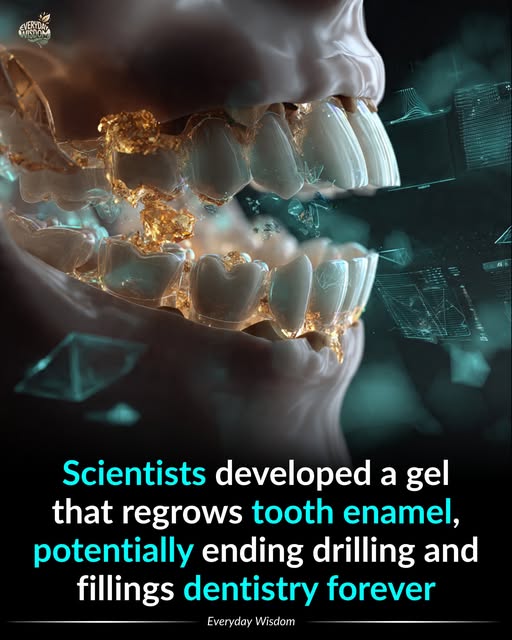
Scientists at the University of Nottingham have developed a new dental gel capable of regrowing damaged tooth enamel. This discovery represents a major shift in dental science and introduces the possibility of regenerative dentistry rather than traditional repair.
The gel is designed to rebuild enamel instead of replacing it with artificial materials.
How the Enamel Regrowth Gel Works
The gel works by mimicking the body’s natural enamel-forming process. It uses specially engineered synthetic proteins called elastin-like recombinamers.
When applied to weakened or demineralized enamel:
-
The gel guides the formation of new enamel crystals
-
The crystals align precisely with the original enamel structure
-
The regenerated enamel integrates naturally with the tooth
This means the new enamel is not just a coating, but a true structural repair.
How Strong Is the Regenerated Enamel
Laboratory testing showed impressive results. The regenerated enamel:
-
Matched natural enamel in strength
-
Withstood normal chewing forces
-
Resisted brushing wear
-
Remained stable under acidic conditions
In testing, the gel outperformed existing enamel repair products, which usually only protect or remineralize the surface without true regrowth.
What This Means for Dental Treatment
If approved for clinical use, this technology could change how dentists treat early tooth decay.
Possible Future Benefits
-
Repairing early decay without drilling
-
No traditional fillings for minor cavities
-
A single, simple dental procedure
-
Long-lasting and natural tooth repair
-
Reduced pain and anxiety for patients
Dentists may one day restore enamel instead of removing tooth structure.
Are Human Treatments Available Now
Not yet. While laboratory results are very promising:
-
Human clinical trials are still required
-
Safety and long-term performance must be confirmed
-
Regulatory approval will take time
However, researchers believe this discovery brings regenerative dentistry much closer to reality than ever before.
Why This Discovery Is So Important
This breakthrough challenges one of dentistry’s oldest limitations. Instead of managing damage, dentists may soon reverse it.
For patients, this could mean:
-
Fewer fillings over a lifetime
-
Stronger natural teeth
-
Lower long-term dental costs
-
Better oral health outcomes
This innovation may completely change how tooth decay is treated in the future.
Professional Dental Perspective
While traditional fillings and crowns are still necessary today, enamel regrowth technology represents the future of conservative dentistry. Early prevention and early intervention will become even more valuable when enamel can be restored naturally.
Visit a Dental Clinic Near You
For enamel protection, decay prevention, and professional dental care, visit:
https://cebudentalimplants.com/map-dental-clinic
Looking for dentist : Visit directory list
Related Clinical Cases
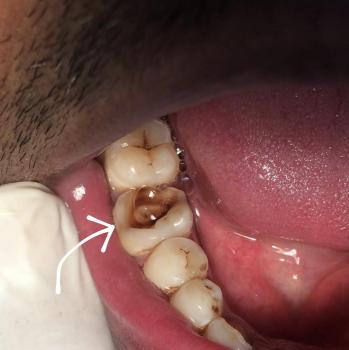
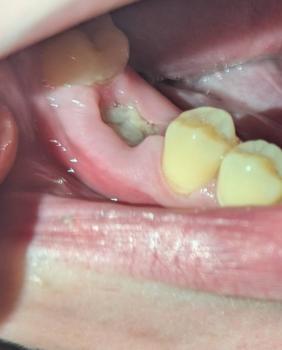
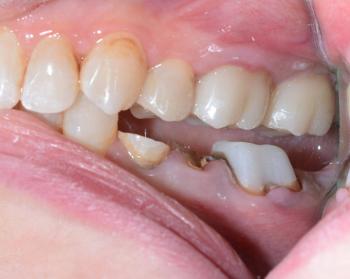
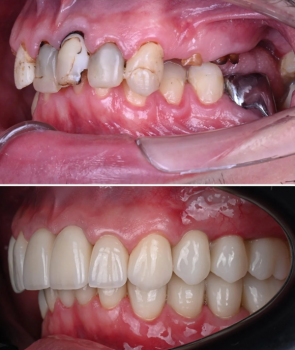
Patients with lower front gum inflammation may also experience tartar buildup, periodontal disease, gum abscesses, or tooth decay. Explore these related clinical case studies.
Other topics:
Other Dental Clinic