Dentures That Feel Natural, Look Beautiful.

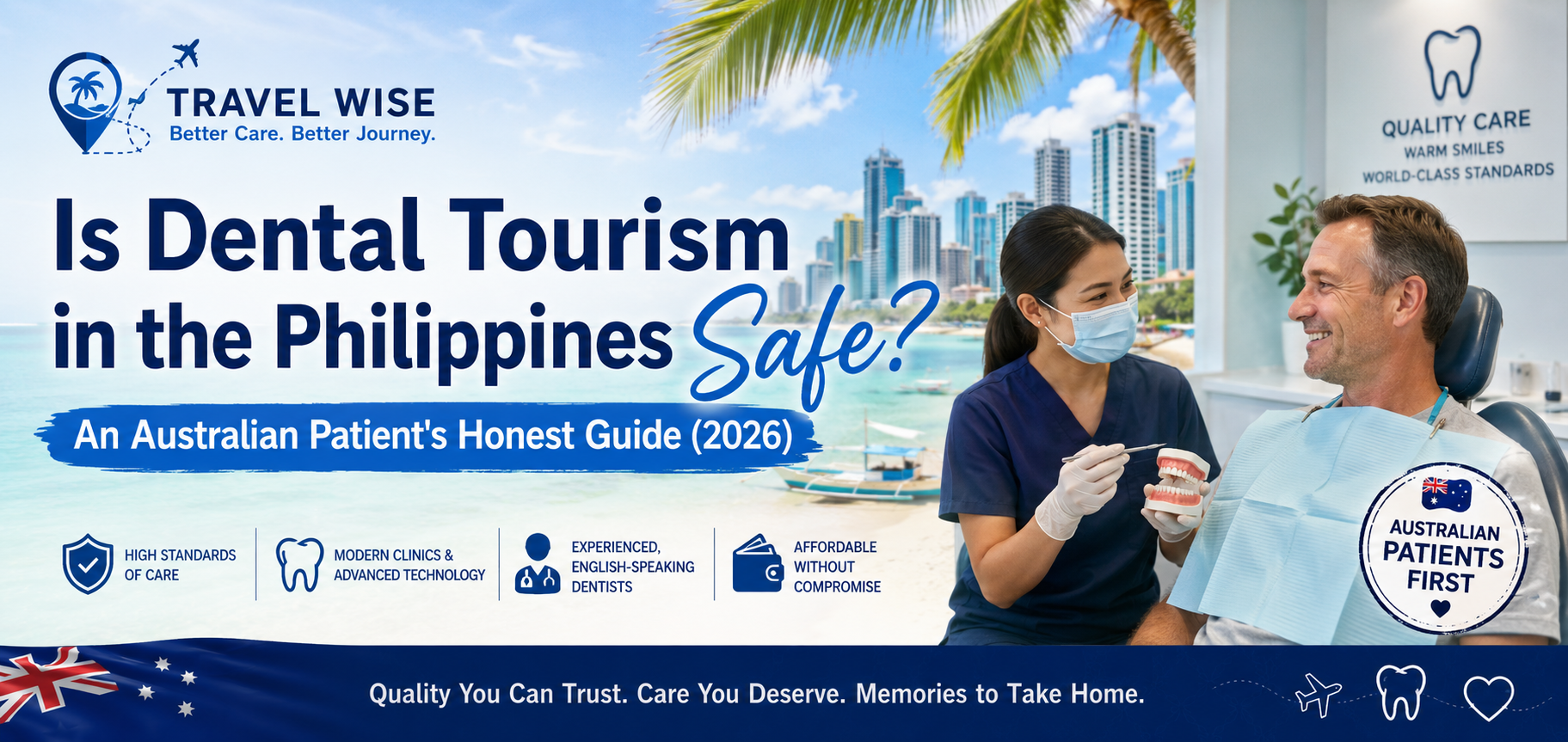
Is Dental Tourism in the Philippines Safe? An Australian Patient's Honest Guide (2026)
Language :
Topics:
I Was Afraid to Get Dental Treatment in the Philippines—Until I Did My Homework
A Conservative Australian's Guide to Safe Dental Tourism in the Philippines
When my Australian dentist presented the treatment plan, I nearly fell out of my chair.
Several missing teeth.
A possible dental implant.
Additional restorative work.
The estimate was more than I had expected.
I remember driving home feeling anxious.
Not because I doubted the treatment.
Not because I questioned the dentist.
But because I simply wasn't prepared for the cost.
Like many Australians, I began searching online.
That's when I discovered something I had previously dismissed:
Dental tourism.
Almost immediately, one country kept appearing in my research.
The Philippines.
At first, I was skeptical.
Actually, skeptical is probably too mild a word.
I was afraid.
Questions raced through my mind.
"Is it safe?"
"Are the dentists properly qualified?"
"What if something goes wrong?"
"What if the clinic isn't as modern as it looks online?"
"What if I return home with complications?"
"What if the low price means lower quality?"
If you're considering dental treatment in the Philippines, you may be asking the same questions.
The purpose of this article is not to convince you to travel overseas.
Nor is it to discourage you.
Instead, I want to share the perspective of a cautious, conservative patient who values safety, transparency, and long-term outcomes above all else.
Because after months of research, consultations, and conversations with other dental tourists, I learned something important:
The Philippines can be an excellent destination for dental care—but only if you choose carefully.
Why Australians Are Looking Overseas for Dental Care
The reality is simple.
Dental treatment in Australia can be expensive.
Whether you're considering:
-
Dental implants
-
Multiple crowns
-
Full-mouth rehabilitation
-
Cosmetic dentistry
-
Extensive restorative work
The total cost can be significant.
For some families, these expenses are manageable.
For others, they may require years of saving.
This is one reason dental tourism continues to grow.
Patients are looking for ways to access quality care while reducing costs.
The Philippines frequently appears on their shortlist.
My Biggest Fear Was Safety
Saving money is attractive.
But safety comes first.
At least it should.
The concern many Australians have is understandable.
When treatment is taking place thousands of kilometres away from home, uncertainty naturally follows.
I wanted answers to questions such as:
-
Are the clinics modern?
-
Are infection-control standards high?
-
What happens during an emergency?
-
How are dentists trained?
-
Can I communicate effectively?
These concerns are not irrational.
In fact, they are exactly the questions every patient should ask.
The First Surprise: Everyone Spoke English
One of the first things I learned was that English is one of the official languages of the Philippines.
This may seem like a small detail.
It is not.
Communication is one of the most important safety factors in healthcare.
Misunderstandings can lead to confusion, incorrect expectations, and treatment mistakes.
In the Philippines, English is widely used in:
-
Universities
-
Dental schools
-
Hospitals
-
Professional training
-
Business communication
For international patients, this creates a significant advantage.
I found it easy to communicate with clinics, ask questions, and understand treatment plans.
Why Communication Matters More Than Most People Realize
When considering dental treatment overseas, patients often focus on cost.
But communication affects every stage of treatment.
For example:
-
Understanding risks
-
Reviewing consent forms
-
Discussing alternatives
-
Following aftercare instructions
-
Managing expectations
If communication breaks down, problems become more likely.
Fortunately, this is one area where the Philippines performs exceptionally well.
Are Filipino Dentists Properly Qualified?
This was perhaps my biggest concern.
I wanted evidence—not marketing.
The more I researched, the more I discovered that many Filipino dentists have extensive education and training.
Many graduate from respected universities.
Others pursue continuing education internationally.
Some have completed advanced programs in:
-
Implant dentistry
-
Cosmetic dentistry
-
Orthodontics
-
Oral surgery
-
Digital dentistry
Many also attend international conferences and certification programs.
The key lesson?
Judge individual dentists—not countries.
There are excellent dentists and poor dentists in every nation.
The same applies in Australia, the United States, the United Kingdom, and the Philippines.
Why the Cheapest Option Often Creates the Biggest Risk
As I continued researching, I noticed a pattern.
Most negative experiences seemed linked to one factor:
Choosing solely based on price.
This is where conservative clients need to be careful.
When a deal appears dramatically cheaper than every other clinic, ask yourself:
Why?
Quality materials cost money.
Modern equipment costs money.
Experienced professionals cost money.
Sterilization systems cost money.
A reputable clinic cannot always compete with the absolute lowest prices.
And perhaps it shouldn't.
Understanding the Difference Between Value and Cheap
Many people confuse value with cheapness.
They are not the same thing.
Cheap focuses only on price.
Value considers:
-
Safety
-
Experience
-
Quality
-
Predictability
-
Longevity
The goal should not be finding the cheapest dentist.
The goal should be finding the best balance between quality and affordability.
Modern Dental Clinics in the Philippines
Another misconception I had was that overseas clinics might use outdated equipment.
That assumption quickly disappeared.
Many premium clinics utilize technology comparable to what you would find in developed countries.
Examples include:
-
Digital X-rays
-
Intraoral scanners
-
CBCT 3D imaging
-
Surgical guides
-
Digital smile design
-
Advanced sterilization systems
Technology alone does not guarantee good treatment.
However, it often reflects a commitment to modern standards.
Why Location Matters
One lesson I learned was that not all locations offer the same experience.
Major business districts often attract clinics that cater to international patients.
These areas frequently provide:
-
Modern facilities
-
International-standard service
-
Strong infrastructure
-
Access to hospitals
-
Easier transportation
Many Australians focus on Manila and Cebu because these locations have established dental tourism communities.
What Happens If Something Goes Wrong?
This question kept me awake at night.
What if I return to Australia and experience a problem?
It is a reasonable concern.
Dental treatment is never completely risk-free.
Even the best clinicians can encounter complications.
The difference lies in preparation.
Questions Every Patient Should Ask
Before booking treatment, ask:
-
What warranties are provided?
-
How are complications handled?
-
Who pays for corrective treatment?
-
Is remote support available?
-
How quickly can the clinic respond?
The answers tell you a lot about the professionalism of the provider.
Why Follow-Up Planning Is Essential
Many patients focus on the procedure itself.
Smart patients focus on what happens afterward.
Follow-up care may include:
-
Healing reviews
-
Adjustments
-
Maintenance
-
Future restorations
A clinic that discusses follow-up before treatment often demonstrates greater professionalism.
How I Verified Credentials
One of the most reassuring steps was verifying professional credentials.
Patients should confirm:
-
Professional registration
-
Membership in recognized dental associations
-
Continuing education history
-
Advanced certifications
Never feel embarrassed about asking.
Professional clinics expect informed questions.
The Importance of Third-Party Reviews
Marketing materials always look impressive.
Reviews provide a different perspective.
When researching clinics, I looked for:
-
Detailed patient experiences
-
Long-term outcomes
-
Consistent feedback
-
Balanced reviews
No clinic is perfect.
However, recurring themes often reveal the truth.
Before-and-After Cases Matter
Photographs cannot guarantee quality.
But they can reveal:
-
Aesthetic consistency
-
Treatment philosophy
-
Clinical experience
I paid particular attention to natural-looking results.
The best dentistry often looks like nature—not like dentistry.
Transparency Is a Major Trust Signal
One factor consistently separated trustworthy clinics from questionable ones.
Transparency.
Professional clinics were willing to discuss:
-
Costs
-
Risks
-
Treatment alternatives
-
Timelines
-
Limitations
Less trustworthy providers often focused only on selling.
When a clinic seems unwilling to discuss potential risks, consider it a warning sign.
Questions About Implant Brands
If considering dental implants, ask:
-
Which brand is used?
-
Is it internationally recognized?
-
Are replacement parts widely available?
This may become important years later if maintenance is required.
The Reality of Cost Savings
Yes, dental treatment in the Philippines is often significantly less expensive.
Savings may reach:
-
50%
-
60%
-
70%
or more depending on the procedure.
However, cost should be viewed as a bonus—not the primary reason for choosing a clinic.
Safety must remain the priority.
Why I Ultimately Became Comfortable
After months of research, my perspective changed.
Not because someone convinced me.
Not because I saw a flashy advertisement.
Because I found evidence.
I spoke with patients.
I reviewed credentials.
I compared clinics.
I asked difficult questions.
The more information I gathered, the less fearful I became.
My Advice to Other Conservative Australians
If you are naturally cautious, that's a strength.
Use that caution wisely.
Research thoroughly.
Verify everything.
Ask questions.
Compare providers.
Do not rush.
A reputable clinic will respect your desire for information.
Red Flags You Should Never Ignore
Walk away if you encounter:
-
Unrealistic guarantees
-
Pressure to book immediately
-
Unclear pricing
-
Poor communication
-
Missing credentials
-
Extremely low prices with little explanation
Good clinics build trust through transparency.
Poor clinics rely on urgency and sales tactics.
Final Thoughts: Is Dental Tourism in the Philippines Safe?
After extensive research, my answer is:
Yes—when done properly.
The Philippines offers a unique combination of:
-
English-speaking professionals
-
Modern technology
-
Internationally trained dentists
-
Significant cost savings
-
Growing dental tourism infrastructure
However, safety is not automatic.
It depends heavily on the clinic you choose.
The safest patients are not necessarily the wealthiest.
They are the most informed.
They research carefully.
They verify credentials.
They prioritize quality over bargains.
And they understand that successful dental tourism begins long before boarding the plane.
If you approach the process thoughtfully, the Philippines can provide an excellent balance between affordability and professional dental care—without compromising the standards that matter most.
Can tooth extraction cause infection? Mild inflammation is normal, but increasing swelling, fever, or severe pain may indicate infection. Learn more about post-extraction infection warning signs in this detailed guide.
Book a consultation with our Cebu dental specialists for proper evaluation and care.
Ready to get expert guidance?
If you’re experiencing severe pain or delayed healing, book a consultation with our Cebu dental specialists to get proper evaluation and care.
Consultation or contact page .
Book a Consultation
For severe discomfort or delayed healing, book a consultation with our Cebu dental specialists today.
Looking for a dentist? Browse our Cebu dental directory to find trusted clinics near you.
Medical Review and Clinical Basis
This article is based on clinical dental guidelines and real patient recovery patterns observed after tooth extraction procedures. The information reflects common post-extraction healing stages, including normal clot formation, gum tissue repair, and signs of possible complications such as dry socket or infection.
While mild discomfort is expected after a dental extraction, worsening pain after Day 3, bad odor, exposed bone, or spreading pain may require professional evaluation. These symptoms are consistent with known post-extraction complications described in standard dental practice.
About Cebu Dental Implants
Cebu Dental Implants provides comprehensive tooth extraction, surgical procedures, and dental implant services in the Philippines. Our team evaluates post-extraction healing, manages complications such as dry socket, and advises patients on proper aftercare to prevent infection and delayed healing.
If you experience severe pain or unusual symptoms after extraction, early professional assessment is recommended to prevent further complications.
Important Medical Disclaimer
This content is for educational purposes only and does not replace professional dental diagnosis. Every patient heals differently. If symptoms worsen or do not improve within a few days, consult a licensed dentist for proper evaluation and treatment.
Author
This article was prepared by the Cebu Dental Implants content team in consultation with licensed dental professionals experienced in tooth extraction and implant procedures.
Related Clinical Cases
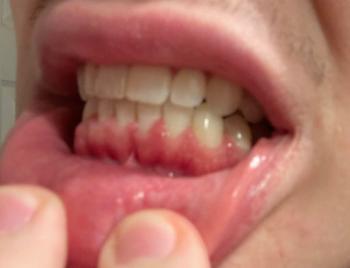
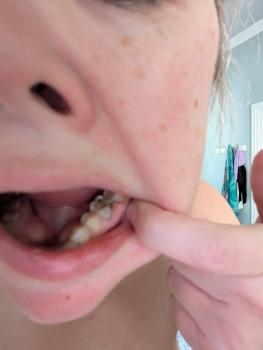
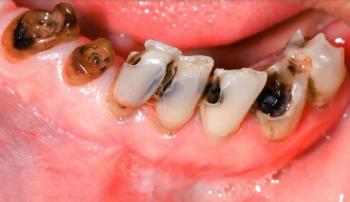
Patients with lower front gum inflammation may also experience tartar buildup, periodontal disease, gum abscesses, or tooth decay. Explore these related clinical case studies.



Other topics:
Other Dental Clinic