Your Smile, Our Passion.

Dental Implants France vs Philippines: Treatment Cost, Value, and Clinical Outcomes
Language :
A practical guide from a French dental expert
As a dentist practicing in France, I often meet patients who are comparing treatment locally with options abroad—especially in the Philippines. The motivation is clear: reduce cost without compromising quality.
However, dental implants are not a simple purchase. They are a medical-surgical treatment with long-term consequences, where planning, materials, and follow-up are as important as the surgery itself. This guide will help you understand the true cost, real savings, and clinical considerations when choosing between France and the Philippines.
What Does a Dental Implant Treatment Include?
Before comparing prices, it is essential to understand what is included in a complete implant treatmente:
- Initial consultation and clinical examination
- Radiographic imaging (panoramic X-ray or 3D CBCT scan)
- Treatment planning (often digital)
- Surgical placement of the implant (titanium or zirconia fixture)
- Healing period (osseointegration, usually 3–6 months)
- Abutment and final crown placement
- Additional procedures if needed (bone graft, sinus lift)
- Follow-up visits and maintenance
When you see low advertised prices, it often means some of these steps are not included.
Dental Implant Cost in France
France offers high standards of care, regulated by strict European healthcare guidelines.
Typical price ranges (per implant)
- Implant + abutment + crown: €2,000 – €4,500
- Implant with bone graft: €3,000 – €6,000+
- Full arch restoration: €10,000 – €25,000 per arch
What you typically receive
- CE-certified implant systems (e.g., Straumann, Anthogyr)
- Strict sterilization and hygiene protocols
- Highly trained practitioners
- High-quality dental laboratory work (often local or EU-based)
- Legal protection and clear accountability
- Structured follow-up care
Dental Implant Cost in the Philippines
The Philippines is a popular destination for dental tourism, offering significantly lower prices.
Typical price ranges (per implant)
- Implant + crown: €600 – €1,500
- Implant with bone graft: €900 – €2,200
- Full arch restoration: €4,500 – €10,000 per arch
What you may receive
- Lower labor and operational costs
- Competitive package pricing
- English-speaking dentists
- Modern clinics in major cities like Manila and Cebu
However, quality can vary significantly between clinics, and careful selection is essential.
Why Is There Such a Large Price Difference?
1. Cost of Practice
France has higher costs related to:
- Salaries
- Rent and equipment
- Insurance and regulatory compliance
The Philippines benefits from lower overhead, which reduces treatment fees.
2. Materials and Implant Brands
French clinics typically use:
- Premium implant systems with strong long-term clinical evidence
Some clinics abroad may use:
- More affordable systems with less documented long-term performance
3. Regulation and Patient Protection
France has:
- Strict healthcare laws
- Strong patient rights and legal recourse
The Philippines has regulations, but:
- Enforcement and standards can vary by clinic
4. Laboratory and Prosthetics
In France:
- Crowns are often produced in high-quality European labs
In the Philippines:
- Lab costs are lower, which reduces overall pricing
The Hidden Costs of Dental Tourism
Many patients focus only on the treatment price—but total cost includes more than the procedure.
Travel expenses
- Flights: €700 – €1,200
- Accommodation: €500 – €1,500
- Local transport and daily expenses
Time considerations
Implants require:
- Surgery
- Healing (3–6 months)
- Final restoration
This usually means two trips or a prolonged stay.
Real Cost Comparison Example
Single implant case
| Category | France | Philippines |
|---|---|---|
| Implant + crown | €3,000 | €1,000 |
| Travel | €0 | €900 |
| Accommodation | €0 | €800 |
| Second visit | €0 | €800 |
| Total | €3,000 | €3,500 |
Key takeaway
For single implants, the financial advantage may be minimal or disappear entirely after travel costs.
When Do You Actually Save Money?
Traveling abroad becomes more cost-effective when:
- You need multiple implants
- You require full-mouth rehabilitation
- Travel costs are distributed across larger treatment
Clinical Considerations: What Truly Matters
1. Diagnosis and planning
Accurate diagnosis is essential to avoid complications such as:
- Implant failure
- Improper positioning
- Damage to nerves or sinuses
2. Bone condition
If bone grafting is required, the procedure becomes more complex and technique-sensitive.
3. Implant positioning
A poorly placed implant may affect:
- Function (chewing)
- Aesthetics (appearance)
- Long-term stability
4. Maintenance
Implants require:
- Regular check-ups
- Professional cleaning
- Monitoring for complications
Advantages of Treatment in France
- High level of regulation and safety
- Reliable materials and implant systems
- Easy access to follow-up care
- Strong legal protection
- Consistent clinical standards
Advantages of Treatment in the Philippines
- Lower upfront cost
- Attractive package deals
- English-speaking environment
- Modern clinics in urban areas
Risks of Dental Tourism
Patients should carefully consider:
- Limited long-term follow-up
- Difficulty enforcing warranties
- Variation in implant brands
- Additional cost if complications are treated in France
- Coordination challenges between providers
When Treatment in the Philippines May Be a Good Option
It can be appropriate if:
- You need extensive treatment (multiple implants or full arch)
- You can stay for a longer period
- You select a reputable, well-reviewed clinic
- Your case is relatively simple
- You are prepared to manage follow-up care
When You Should Choose France
Local treatment is recommended if:
- You require bone grafting or sinus lift
- You have medical conditions
- You want continuous monitoring and care
- You prefer legal protection and accountability
- You cannot travel multiple times
Questions You Should Ask Before Choosing a Clinic
- Which implant system is used?
- Is the price all-inclusive?
- Is 3D imaging (CBCT) used for planning?
- What is the clinic’s success rate?
- What is the policy if the implant fails?
- Is there a written guarantee?
- Can the implant system be serviced in France?
Professional Recommendation
From a clinical perspective, the decision should not be based on price alone.
- For single or moderate cases, treatment in France often provides better long-term value
- For large, complex cases, the Philippines may offer savings—but with additional responsibility and risk
The objective is not simply to spend less, but to achieve a durable, functional, and aesthetic result.
Frequently Asked Questions (FAQ)
Are dental implants in the Philippines safe?
Yes, if performed in reputable clinics. However, standards vary, so careful research is essential.
How long do dental implants last?
With proper care, implants can last 15–25 years or longer.
Can a French dentist treat or repair implants placed abroad?
Sometimes, but compatibility with the implant system is a key factor.
Is the procedure painful?
Most patients experience mild discomfort, similar to a tooth extraction.
Can the entire treatment be completed in one trip?
No. Most cases require multiple stages over several months.
Related Topics
1. Dental Implant Healing Timeline: What to Expect
A detailed breakdown of healing stages from surgery to final crown placement.
2. Bone Grafting and Sinus Lift: When Are They Needed?
Understanding additional procedures that may impact cost and treatment duration.
3. Dental Tourism Guide: How to Choose a Safe Clinic Abroad
Key criteria for evaluating clinics and minimizing risk when traveling for treatment.
Final Thoughts
Dental implants are a long-term investment in your health and quality of life.
- France offers predictability, regulation, and continuity of caree
- The Philippines offers lower initial cost with logistical and clinical considerations
The best decision depends on your individual case, your priorities, and your willingness to manage potential risks.
Before making a decision, always seek a comprehensive consultation. A well-informed choice is the most effective way to ensure a successful and lasting result.
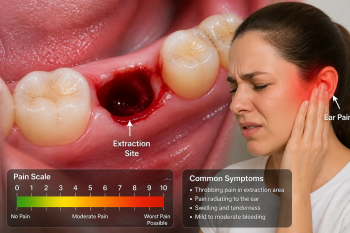
Can tooth extraction cause infection? Mild inflammation is normal, but increasing swelling, fever, or severe pain may indicate infection. Learn more about post-extraction infection warning signs in this detailed guide.
Book a consultation with our Cebu dental specialists for proper evaluation and care.
Ready to get expert guidance?
If you’re experiencing severe pain or delayed healing, book a consultation with our Cebu dental specialists to get proper evaluation and care.
Consultation or contact page .
Book a Consultation
For severe discomfort or delayed healing, book a consultation with our Cebu dental specialists today.
Looking for a dentist? Browse our Cebu dental directory to find trusted clinics near you.
Medical Review and Clinical Basis
This article is based on clinical dental guidelines and real patient recovery patterns observed after tooth extraction procedures. The information reflects common post-extraction healing stages, including normal clot formation, gum tissue repair, and signs of possible complications such as dry socket or infection.
While mild discomfort is expected after a dental extraction, worsening pain after Day 3, bad odor, exposed bone, or spreading pain may require professional evaluation. These symptoms are consistent with known post-extraction complications described in standard dental practice.
About Cebu Dental Implants
Cebu Dental Implants provides comprehensive tooth extraction, surgical procedures, and dental implant services in the Philippines. Our team evaluates post-extraction healing, manages complications such as dry socket, and advises patients on proper aftercare to prevent infection and delayed healing.
If you experience severe pain or unusual symptoms after extraction, early professional assessment is recommended to prevent further complications.
Important Medical Disclaimer
This content is for educational purposes only and does not replace professional dental diagnosis. Every patient heals differently. If symptoms worsen or do not improve within a few days, consult a licensed dentist for proper evaluation and treatment.
Author
This article was prepared by the Cebu Dental Implants content team in consultation with licensed dental professionals experienced in tooth extraction and implant procedures.
Related Clinical Cases
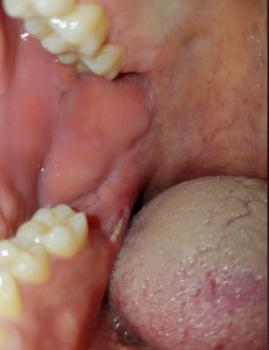
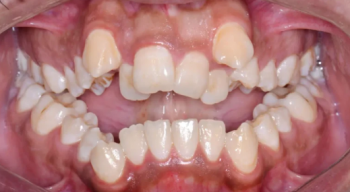
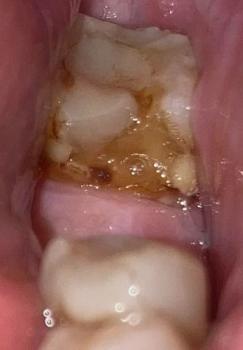
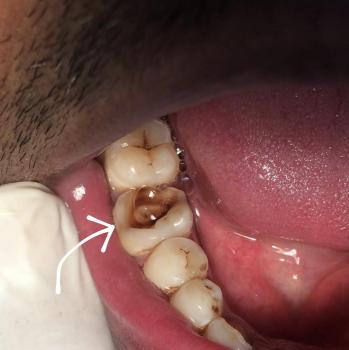
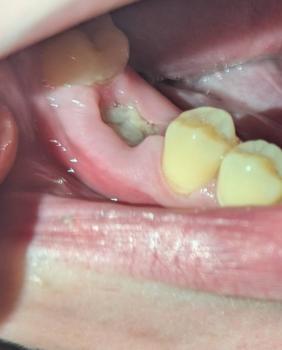
Patients with lower front gum inflammation may also experience tartar buildup, periodontal disease, gum abscesses, or tooth decay. Explore these related clinical case studies.
Other topics:
Other Dental Clinic